Atrévete: Películas de surf de todo el mundo
El Mexico Surf Film Festival llega a Saladita, Troncones y Zihuatanejo el 26, 27 y 28 de marzo, con proyecciones al aire libre y más actividades cada noche.
Hay competencias de surf. Hay fiestas en la playa. Y luego está el Mexico Surf Film Festival: una muestra de 22 cortometrajes de surf proyectados durante tres noches, una mezcla entre la vida nocturna local y películas internacionales que muestran la cultura del surf. Pero que las vibras relajadas no te engañen. Esto es el resultado de una competencia muy exigente.
.avif)




.avif)

.avif)
%20(Spanish)-2.avif)
.avif)

El surf es algo fugaz. Las olas se levantan, se abren, rompen, ruedan y desaparecen. Cada ola deja la sensación de “¿realmente pasó?” y muchas veces no hay tiempo para pensarlo porque la siguiente serie ya viene entrando. Pregúntale a cualquier fotógrafo de surf o a un operador de dron lo difícil que es capturar esos momentos. No es fácil.
Tampoco es fácil darle a lo que parece un simple pasatiempo el profundo significado que los surfistas saben, ven y sienten. Pero cineastas de todo el mundo lo intentan.
Durante el último año, los organizadores del Mexico Surf Film Festival revisaron más de 100 películas de surf enviadas. De ellas seleccionaron las 22 mejores, que serán proyectadas y evaluadas este mes en Saladita, Troncones y Zihuatanejo.
EL ORIGEN DEL FESTIVAL
El festival nació en 2024, creado por los surfistas de Playa Saladita Jorge Luis Salgado Banda y Patricia Fernández Suárez. Entre sus amigos y familiares había cineastas que trabajaban en películas de surf y narrativas sobre comunidades surfistas: historias sobre ecología, sobre los conflictos y la camaradería en los spots de surf.
Además, ambos son dueños de Marejada Surf Spot y El Chilaquil, dos populares restaurantes en Playa la Saladita. La combinación de tener esos espacios y acceso a algunas películas llevó a algo más grande de lo esperado: 450 personas asistieron a ver nueve cortometrajes durante tres noches en tres locaciones de Saladita. (2024)
El año pasado, las proyecciones atrajeron 1,200 personas a Saladita, Troncones e Ixtapa, donde se mostraron 18 cortometrajes, nuevamente durante tres noches.
Este año, MSFF comenzó a usar FilmFreeway, una plataforma utilizada por festivales importantes como Sundance y el Toronto International Film Festival, que se ha convertido en el estándar de la industria para recibir películas.
Gracias a eso, recibieron inscripciones de más de 30 países y ampliaron el alcance digital del festival.
También llevó a definir mejor los roles dentro de la organización: Patricia como Director del festival y Jorge como Director de Enlace Comunitario y Cultura del Surf.

PATRICIA SOBRE EL CRECIMIENTO DEL FESTIVAL
“Nuestra visión era crear una plataforma donde las historias de surf pudieran proyectarse hacia nuevas audiencias. Desde el inicio, el festival ha integrado cine, arte, música y gastronomía local, ofreciendo a quienes asisten una experiencia especial que refleja la esencia del surf: su comunidad, su creatividad y su profunda conexión con el entorno natural.
No teníamos idea de cuánta hambre tenía nuestra costa por algo así, ni de qué tan rápido conectaríamos con la comunidad internacional de cineastas.”
CÓMO SE ELIGEN LAS PELÍCULAS
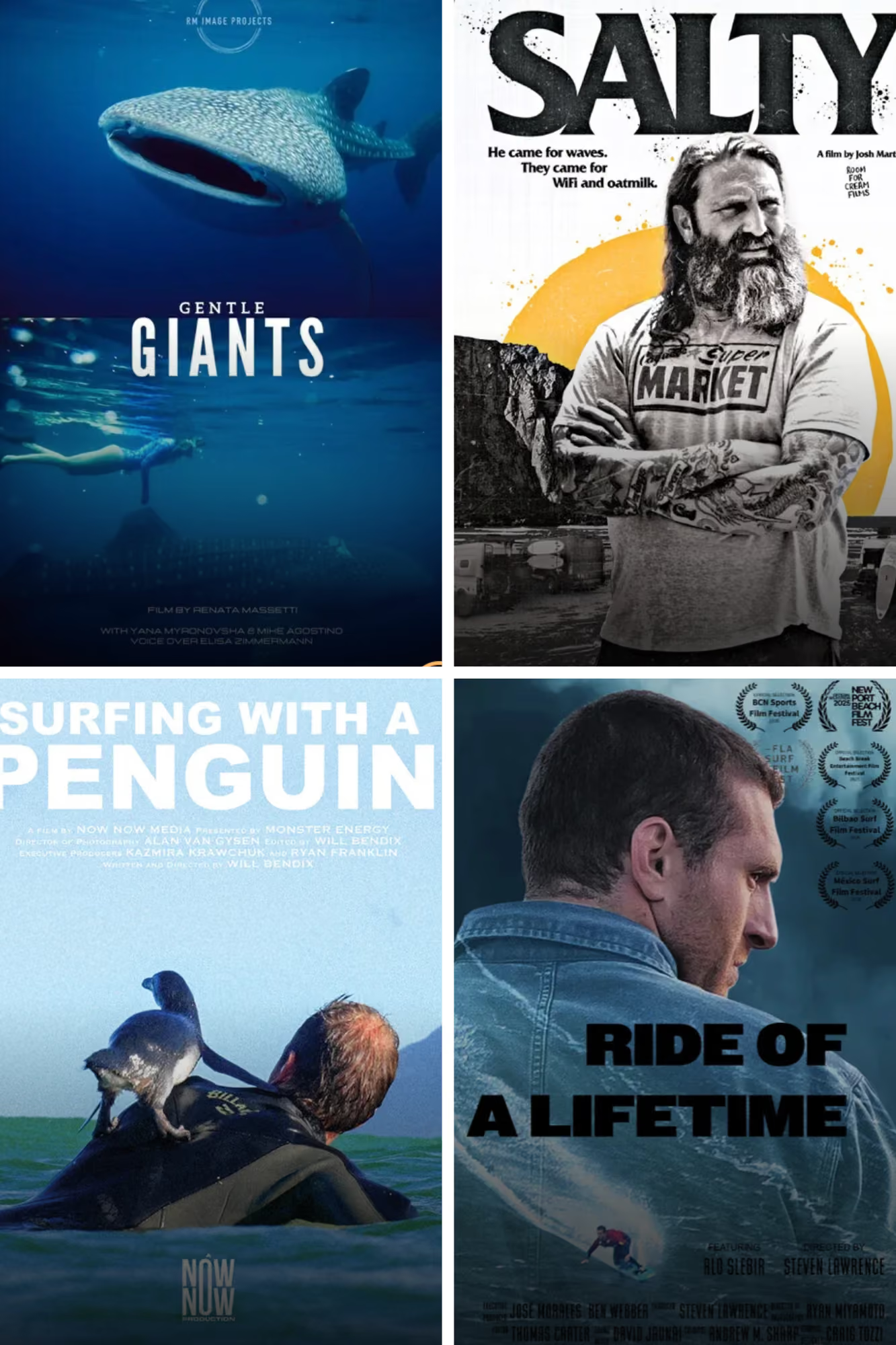
El festival acepta cortometrajes de menos de 15 minutos. Pueden ser documentales, narrativos y experimentales. Lo importante es la perspectiva: películas que vayan más allá de la típica compilación de maniobras.
Historias sobre la conexión humana con: el mar, la comunidad y la cultura. Por ejemplo: un surfista que deja la competencia y encuentra renovación enseñando; el retrato de un pueblo costero negociando entre turismo y tradición; una reflexión sobre la conservación de arrecifes contada desde la voz de un pescador.
Los criterios de selección exigen que las películas sean claras, intencionales y cautivadoras.
Hay varias categorías de premios:
• Mejor cortometraje
• Hecho en México
• Mensaje del océano
• Selección del público
La categoría “Hecho en México” busca apoyar a cineastas mexicanos y fomentar más historias locales.
JORGE SOBRE LA SELECCIÓN
“Sabíamos que recibiríamos más películas al usar FilmFreeway, pero nunca imaginamos que serían tantas. Queríamos crear un festín para los ojos, el corazón y la mente: películas que muestren arte en el agua y que también despierten compasión y preocupación por las personas y los lugares que hacen del surf un fenómeno cultural.
Proyectaremos 12 películas en Saladita y 11 en Troncones, y nuestros jueces elegirán las que se mostrarán en la noche final en Zihuatanejo. La identidad de los jueces es secreta para mantenerlos libres de cualquier influencia.”

TRES DÍAS DE CINE Y DIVERSIÓN
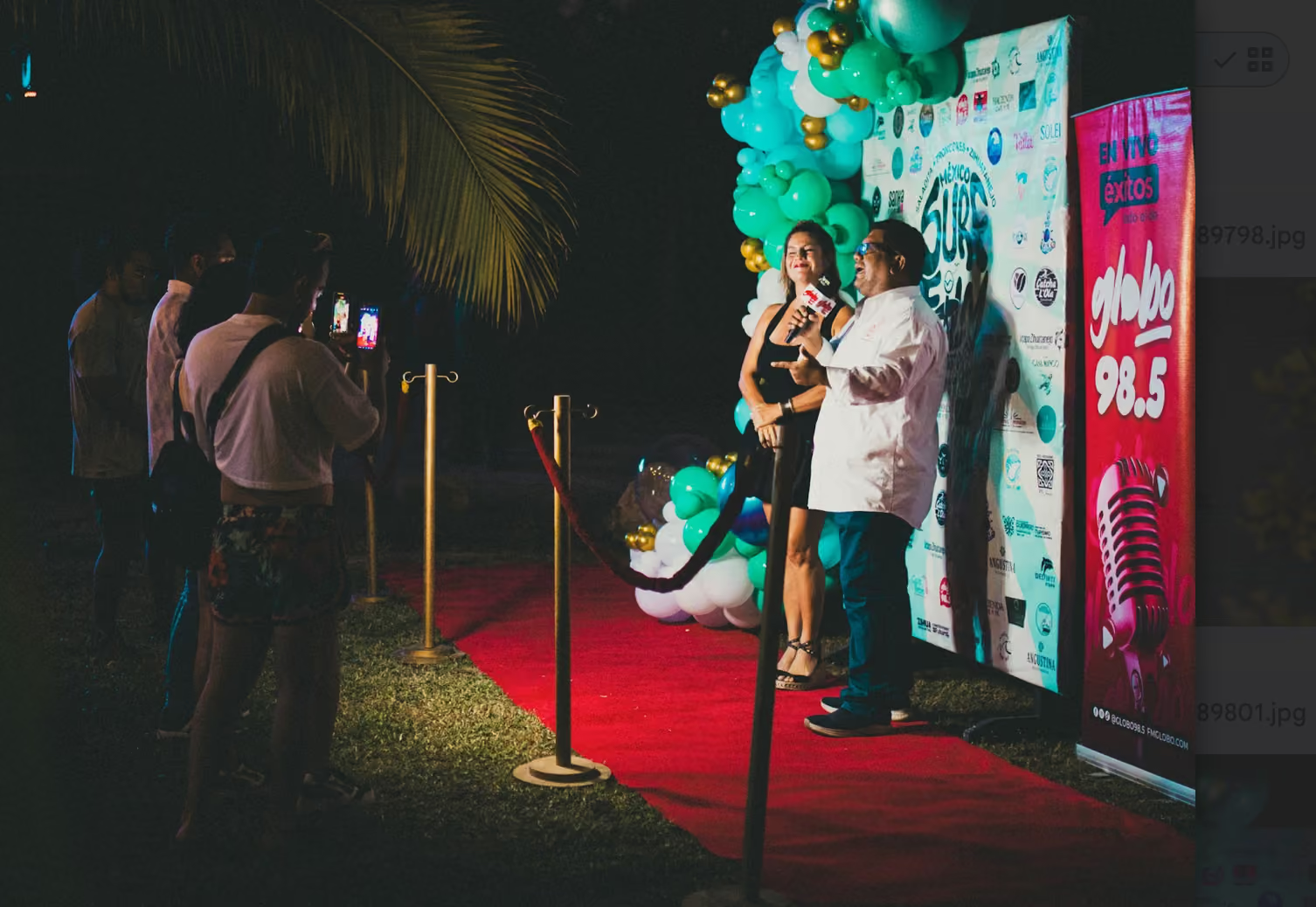
No es un evento de alfombra roja. Son tres noches diferentes en tres lugares distintos: en Playa Saladita, Troncones y Zihuatanejo.
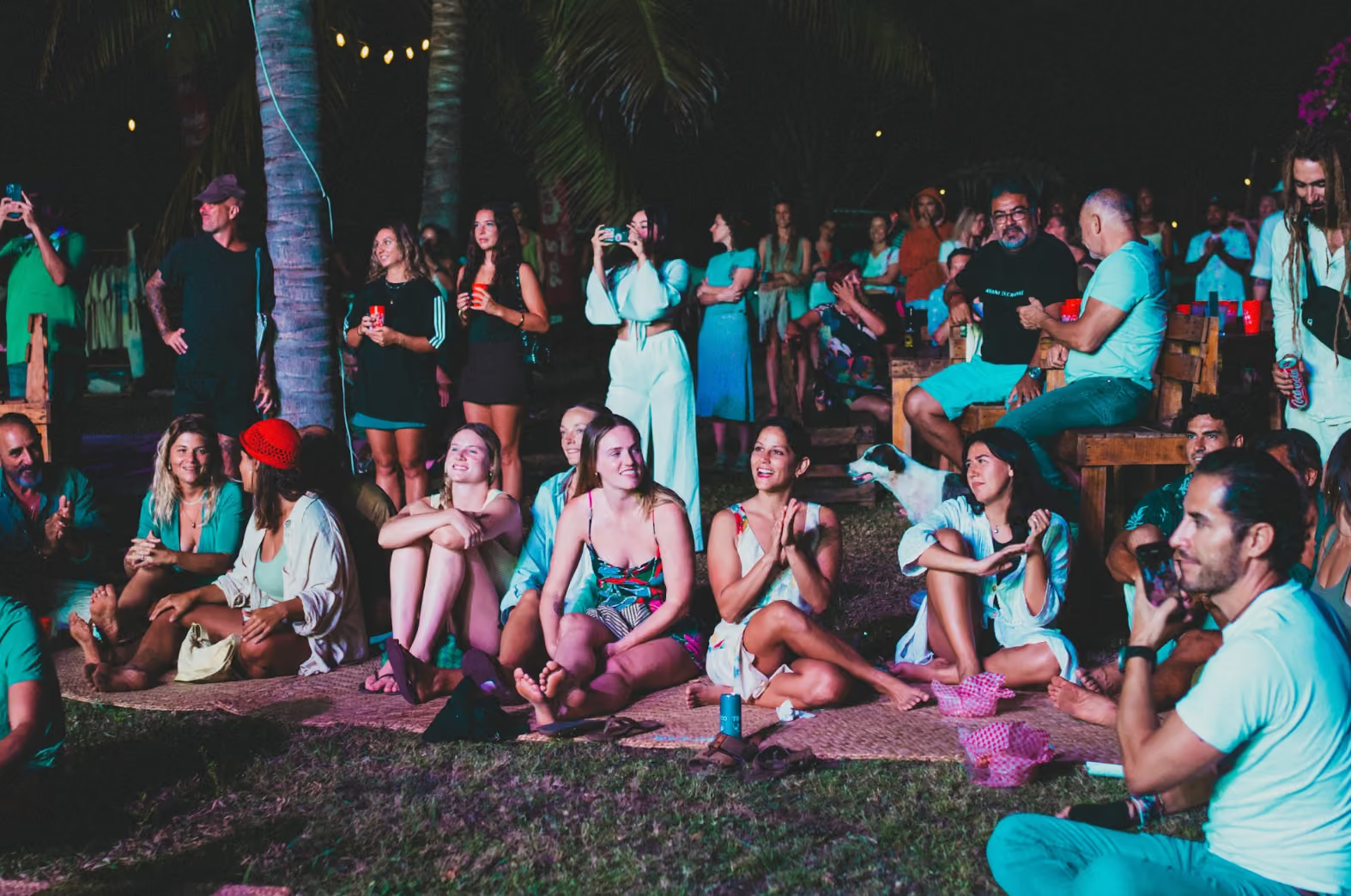
Las proyecciones son al aire libre, y está bien llegar mojado o con arena en los pies. Las películas se agrupan en bloques curados: cortos variados, con ritmo, para que la experiencia siempre cambie.
Durante el día habrá: exhibiciones de surf, charlas con cineastas, talleres para niños, clases de surf gratuitas y reuniones comunitarias. Después del atardecer, la gente se reúne frente a la pantalla.
Al proyectar en tres pueblos distintos, el festival se convierte en un circuito costero, donde cada noche tiene un ambiente diferente según la comunidad. Podrás ver: surfistas locales junto a cineastas visitants; niños corriendo entre dueños de restaurantes; visitantes curiosos que terminan asistiendo a varias proyecciones.
El espíritu del festival mezcla conexión comunitaria, competencia amistosa y excelencia creativa, mostrando el surf como una cultura viva y multidimensional.
DETALLES PRÁCTICOS
March 27: Playa Saladita, at Queen’s Bar
March 28: Troncones, at Costa Brava
March 29: Ixtapa–Zihuatanejo, at Partheon
Screenings are free to attend. Submissions were also free—a deliberate decision to keep access open for emerging filmmakers. The full schedule will be available via La Onda Troncones on March 23.
INFORMACIÓN
mexicosurffilmfestival@gmail.com
https://www.mexicosurffilmfestival.com
%2017.27.38.avif)