Santa María Rivera: Comunidad, un ritmo a la vez
El fundador de Noches LÚcidas, un festival de música electrónica con sede en Seattle y Troncones, habla sobre sus motivaciones y alegrías
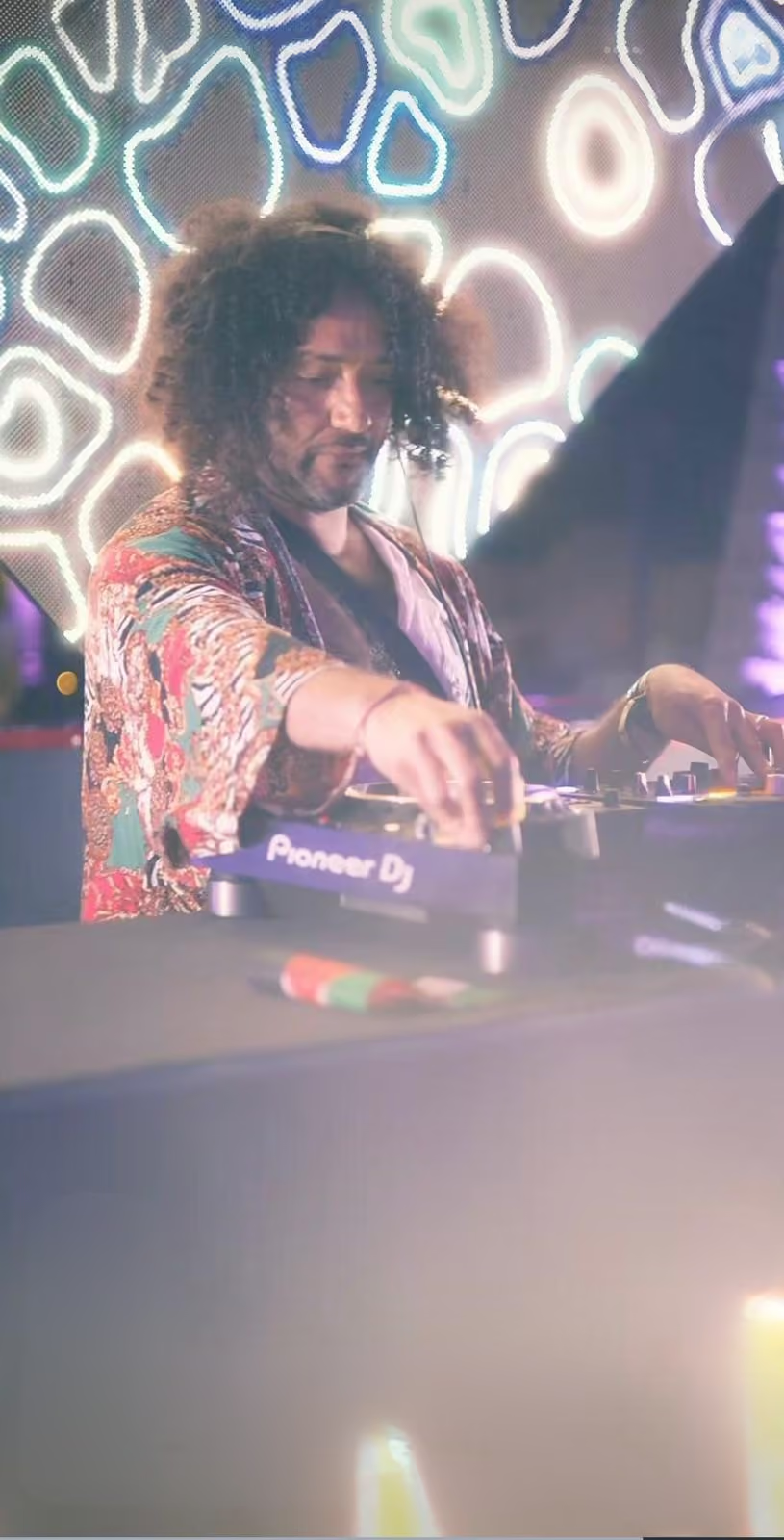
Escuché hablar de Noches Lúcidas por primera vez en el verano de 2022, de boca de unos jóvenes surfistas que dijeron que iban a bailar al Amor Tropical. Unos días después me contaron que la música había estado muy buena y que llegaron a casa justo antes del amanecer. Este año, durante Semana Santa, dos personas de setenta años me preguntaron cuánto tiempo iba a seguir el festival de música electrónica en Costa Brava. Fueron una noche y les encantó. Les pregunté: “¿Cuál festival?” Y respondieron: “Noches Lúcidas”. Mmm. El mismo evento; la misma reacción de dos grupos de edad muy distintos. ¿Qué es Noches Lúcidas? Buscar esa respuesta me llevó hasta su organizador, un DJ llamado Santa María. Resulta que vive en Troncones.
%2017.27.38.avif)
.avif)




.avif)

.avif)
%20(Spanish)-2.avif)
.avif)
LOT: ¿Cuál es tu nombre real y de dónde eres?
Santa María: Santa María Rivera. Me llaman así por mi abuelo, originario de Guerrero. Los dos lados de mi familia son de Guerrero. La familia de mi papá es de un pueblo cerca de La Unión, el municipio principal de esta región. Eran ganaderos. Y la familia de mi mamá es de Feliciano, que es donde pagas la caseta cuando manejas de Morelia hacia la costa. Su familia eran pescadores. Yo nací en Zihuatanejo, en una pequeña clínica justo al lado de la cancha de basquetbol del centro. Y como millones de mexicanos antes y después de nosotros, emigramos a Estados Unidos a finales de los ochenta por las dificultades económicas que había aquí en México. Nos establecimos en el centro del estado de Washington, en Yakima, y desde ahí jugué fútbol soccer universitario y luego fútbol soccer profesional.

LOT: ¿Quién es Santa María, el DJ?
Santa María: Crecí en un hogar muy musical. Mi papá era músico. Solo se enseñó a tocar la guitarra. Era el vocalista principal en una pequeña banda de bodas aquí, en Michoacán y Guerrero. Cada vez que regresábamos a casa—a México—siempre traía cantidades enormes de equipo musical: bocinas, batería, guitarras. Y aunque el fútbol era mi válvula de escape, cada vez que volvía a casa, tocaba. Solo aprendí a tocar la batería. La música es parte de nuestra cultura. Es lo que somos. Siempre ha sido una parte central de mi personalidad. Me crié dentro de la música.
Me topé con la música electrónica después de mis años como futbolista profesional. Jugué con los Seattle Sounders hasta 2008. Al terminar esa temporada, me fui de mochilero por Tailandia un par de meses y me encontré con la música electrónica en una islita—Koh Phangan—en el Golfo de Tailandia. Fue algo que me abrió los ojos y me cambió por completo. Tenía como veintitantos años, todavía formándome, y pensé: “Órale, hay algo más allá del estilo de vida tan rígido que llevas como deportista profesional.” Simplemente me enamoré de la comunidad, del ambiente tropical y de la gente que reunía. Después de ese viaje de dos meses, comencé a buscar esa comunidad de regreso en Seattle. Eso me llevó a aprender a ser DJ.
LOTE: ¿Cómo describes Noches Lúcidas?
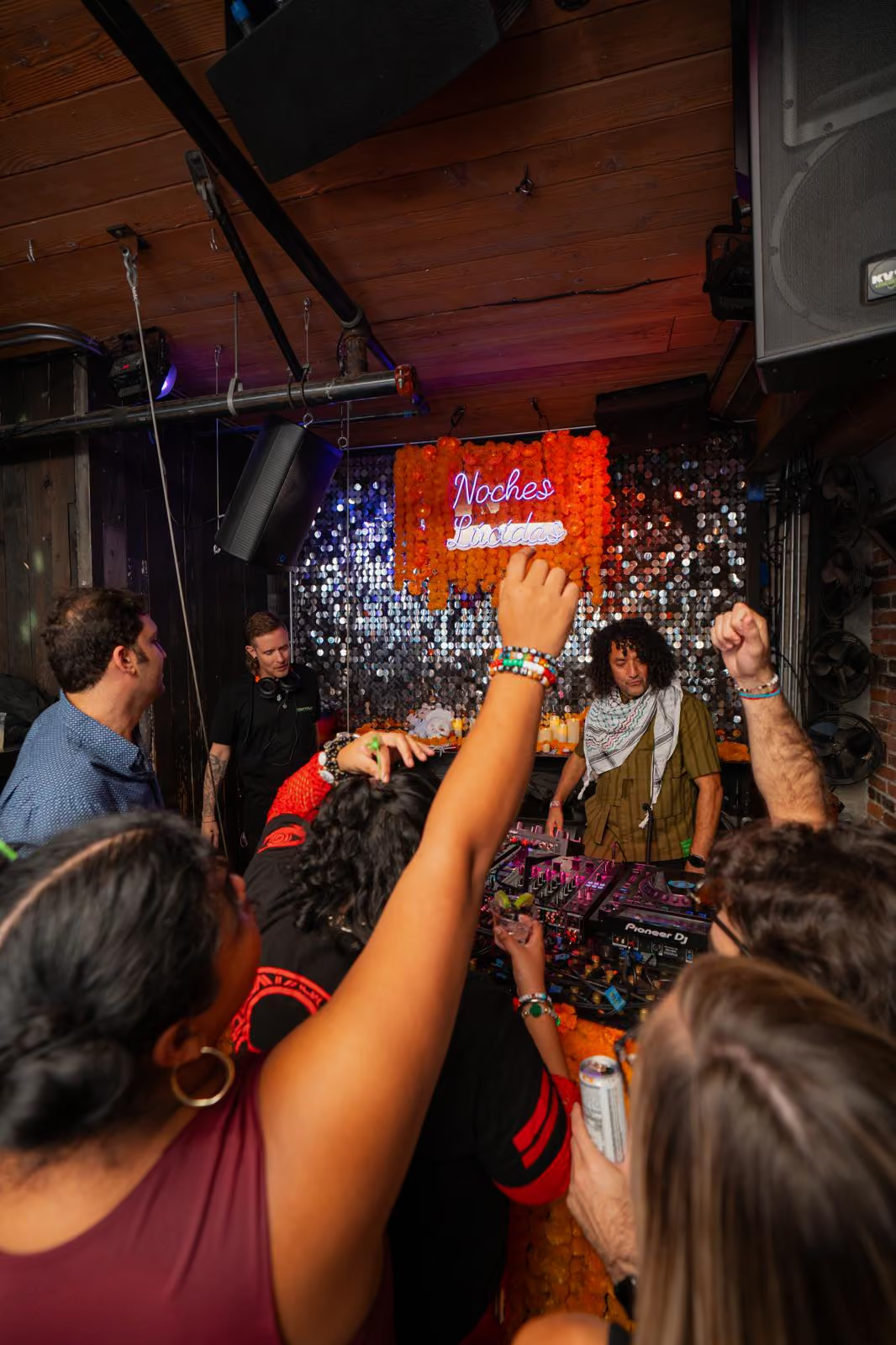
Santa María: Noches Lúcidas nacióen Sayulita. El primer evento “oficial” fue en 2018. Sin embargo, en 2017 decidí ir solo a Sayulita y me quedé diez días. Durante esa estancia, me hice amigo de Olivia, la dueña de un pequeño bar en la playa llamado Lucid Bar. Iba casi todos los días—a tomar algo, relajarme, convivir, conocer a la gente dellugar—y al final de la semana le dije: “Olivia, creo que estaría muy chido organizar un pequeño evento de música electrónica aquí. ¿Sería posible?” Al principio me dijo: “La música electrónica no es algo que se acostumbre aquí en Sayulita.” Y yo le respondí: “Solo un evento. Déjame hacer solo un evento. Vengo con mis amigos DJs de Seattle.” Al final la convencí. Aceptó. Un año después, en Semana Santa 2018, en Sayulita, realizamos nuestro primer evento en el Lucid Bar. En ese momento, no sabíamos cómo llamar al evento. Ni siquiera recuerdo cuántos nombres se nos ocurrieron. Yo seguía pensando: “¿Cómo lo bautizamos? ¿Cómo lo bautizamos? ¿Cómo lo bautizamos?” Y siempre regresaba al Lucid Bar. Noches Lúcidas. Así nació el nombre, de ese pequeño bar. Él nos dio la primera oportunidad de tocar fuera de Seattle.
LOT: ¿Qué significa el nombre para ti?
Santa María: Significa comunidad. Empezamos a hacer eventos en Sayulita, pero luego mi esposa y yo decidimos venir a Zihuatanejo en el invierno de 2018. En ese viaje fuimos a Troncones y nos hospedamos en Casa Ki. Sharon se enamoró de Troncones. Me dijo: “Dios mío, ¿para qué vamos a Sayulita? ¿Porqué no venimos aquí?” Cuando decidimos casarnos, lo decidimos hacer en Troncones. Nuestra ceremonia fue en Villa Milagro en febrero de 2020. Básicamente tomamos Troncones diez días antes deque el mundo se parara. Trajimos a 140 personas a nuestra boda, de todo el mundo, la mayoría de Estados Unidos. Todos decían: “¡Wey, qué es este lugar!” Nunca habían oído hablar de Troncones.
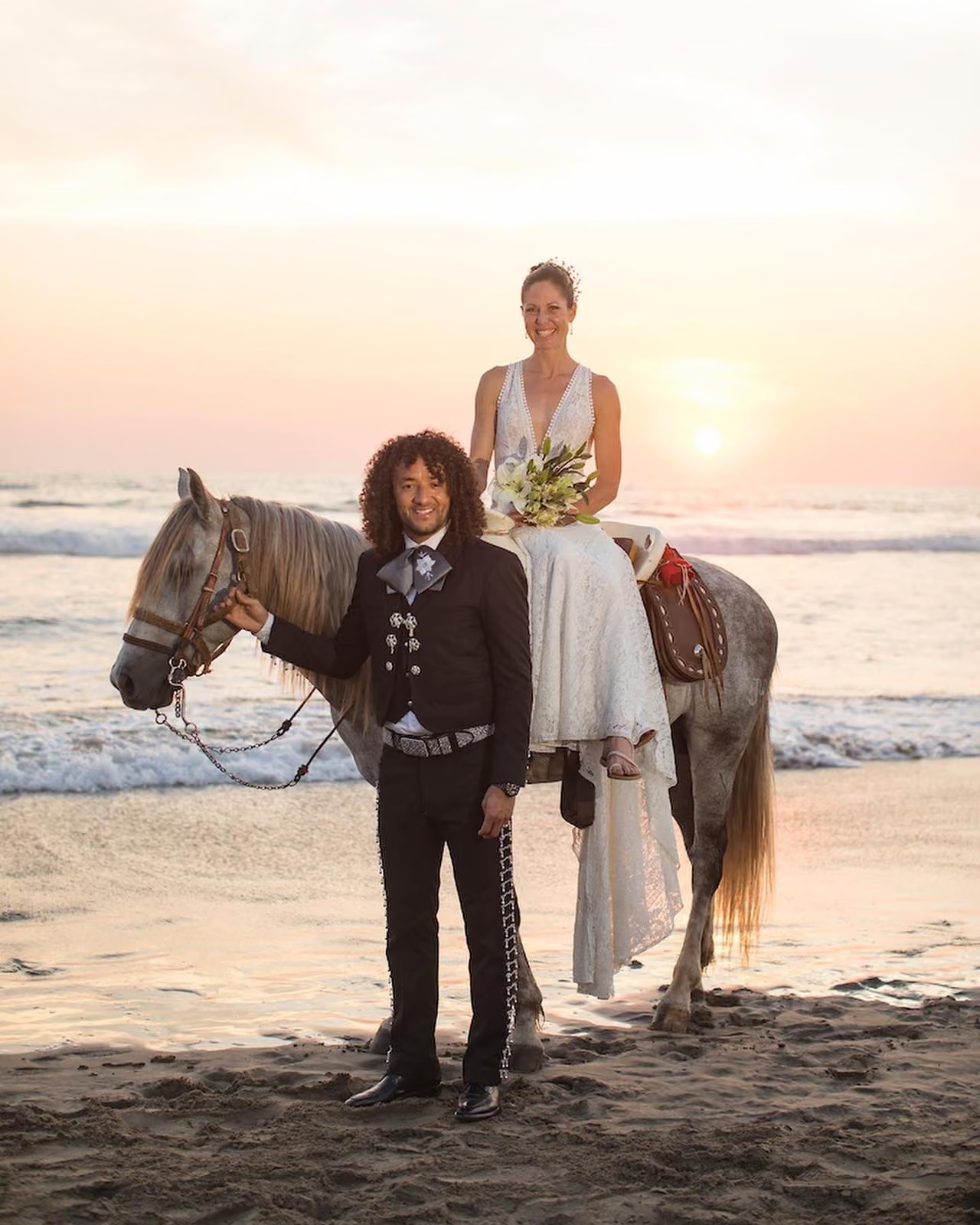
Empezamos a crear comunidad aquí durante nuestra boda. Conocimos a la mayoría de los propietarios de las casas frente a la playa y negociamos con ellos para que nuestros amigos tuvieran dónde quedarse bien. Además, mientras preparábamos la boda, me hice cuate de Roberto Rosas, quien en ese entonces todavía tenía el Bistró de Roberto en la playa [donde ahora está El Churingito de Fran; el mismo lugar del Burro Borracho]. Hicimos la recepción ahí, en el bistró de Roberto, a la orilla del mar. Al día siguiente de la boda, Sharon y yo hablamos de construir una casa aquí en vez de en Sayulita. Le pregunté a Roberto si podía ayudarnos a encontrar un terreno frente al mar. Pensamos que nos tomaría meses o años encontrar uno. Roberto encontró este lugar en un par de semanas.
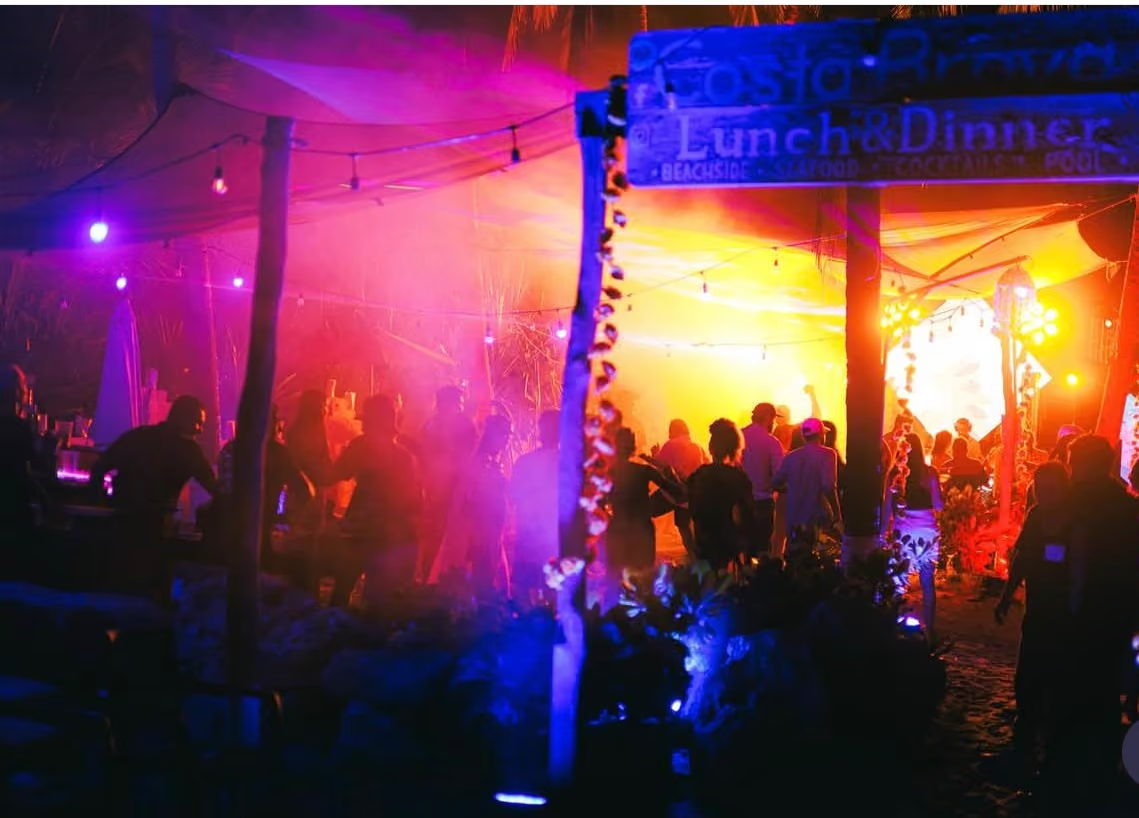
Noches Lúcidas seguía creciendo en Seattle mientras construíamos nuestra casa aquí. Nuestro primer evento en Troncones fue una celebración de la vida, a finales de abril de 2021. Acabábamos de vacunarnos en Seattle, yo y todo mi grupo de amigos. Nuestra casa iba a la mitad de construirse, y todos decidimos venir a Troncones. Llegamos con un nuevo sentidode significado, de alegría, de libertad, y tuvimos nuestro primer pequeño encuentro—una Noches Lúcidas—celebrando que podíamos volver a reunirnos y seguir construyendo comunidad. Éramos como doce, pero estábamos felices de estar juntos otra vez y de poder convivir sin que nos vieran con malos ojos por hacerlo. Seguía siendo la pandemia, el segundo año.
LOT: ¿Qué te atrajo de la música electrónica?
Santa María: Siempre voy a volver a lo mismo: la comunidad. A ver si lo puedo atar todo. Primero tengo que regresar a Koh Phangan, la isla en el Golfo de Tailandia. Para llegar tienes que tomar un ferry, y ahí organizan una fiesta mensual llamada la Fiesta de la Luna Llena. No se preocupen. No pretendo replicarla aquí. El ferry hacia la isla iba lleno de jóvenes de todo el mundo, gente de viaje, tratando de llegar a esa fiesta mítica en medio de la nada, en esa isla tropical. Todos eran de mente abierta. Todos estaban dispuestos y podían conocerse entre sí. Había un sentido de comunidad increíble. Eso fue lo que me atrajo. Hacia eso me fui.
Empecé a hacer eventos de Noches Lúcidas en Troncones, en el antiguo Amor Tropical, con Rodrigo. Veníamos cada tres meses a revisar nuestra propiedad después de vacunarnos y hacíamos eventos cada tres meses. Hace cinco años, la música electrónica en Troncones no existía. No había ninguna comunidad de música electrónica. Sin embargo, en los últimos cinco años, poco a poco, la gente de Saladita y Troncones que tenía feeling por la música electrónica empezó a llegar a todos nuestros eventos y comenzamos a construir comunidad con quienes se sentían atraídos por ese sonido. Ese mismo grupo de personas son dueños de los restaurantes, los bares y las cafeterías de aquí, de Troncones y Saladita, y ha sido una belleza conocer a toda esa gente a travésde nuestros eventos.
LOT: Para alguien que nolo conozca, ¿cómo describirías tu ritmo?
Santa María: Tendemos hacia un ambiente de deep house, un ritmo de afro-house, vibras clásicas de house. Esa es verdaderamente nuestra esencia, principalmente por el ambiente que hay aquí en Troncones. Es una vibra hacia la que Noches Lúcidas evolucionó de forma orgánica aquí—deep house, minimalista, con swing—una vibra tropical muy hermosa.
LOT: ¿Lo describirías como un ritmo de reggaetón?
Santa María: No nos inclinamos hacia el reggaetón. Ya hay suficiente música de reggaetón en esta parte del mundo. No queremos ser otra fiesta o evento más de reggaetón. Estamos abriendo nuestro propio nicho y tratamos de hacer Noches Lúcidas lo más único posible. Vas a un evento de Noches Lúcidas precisamente por eso, por esa vibra especialy única, por ese sonido y esa sensación que no encuentras en otro lado.
LOT: ¿Cómo empezaste a promoverlo y a construir tu audiencia?
Santa María: Una vez más, la música electrónica es comunitaria. Cuando organicé mi primer evento en Tanta Vida, en Ixtapa, en diciembre de 2021, un grupo de DJs de música electrónica de Morelia pasaba casualmente por la playa. Me dijeron: “¡Órale, ¿eso es música electrónica que estoy escuchando en Ixtapa?!” Llegaron, se sentaron, y a mitad del evento uno de ellos se me acercó y me dijo: “Compa, has estado tocando música increíble. ¿Podemos intercambiar información? Yo también soy DJ, de Morelia. No sé cómo podríamos colaborar, pero ¿nos damos nuestros datos?” Y yo le dije: “Sí, claro.”
Entonces, literalmente mientras estaba tocando, intercambiamos nuestros WhatsApp, y gracias a esa breve conversación, muchos de los artistas que invito a tocar aquí y en el centro de México son de Morelia. Todo por esa interacción que tuve en diciembre de 2021 en Ixtapa. Y gracias a eso, he podido organizar eventos de Noches Lúcidas en Morelia, Ciudad de México y San Miguel de Allende. Espero hacer un evento de Noches Lúcidas en Pátzcuaro para el Día de Muertos este octubre. He trabajado aquí en Troncones con Roy, que es dueño de Corazón del Mar, y ahora me ha invitado a hacer un evento en Pátzcuaro, en una de sus haciendas. Es la vibra. Eso es lo que hace que la comunidad de Noches Lúcidas siga creciendo de forma orgánica. Sí, usamos las redes sociales para promover nuestros eventos, pero al final del día, lo que realmente importa más es esa conexión humana.
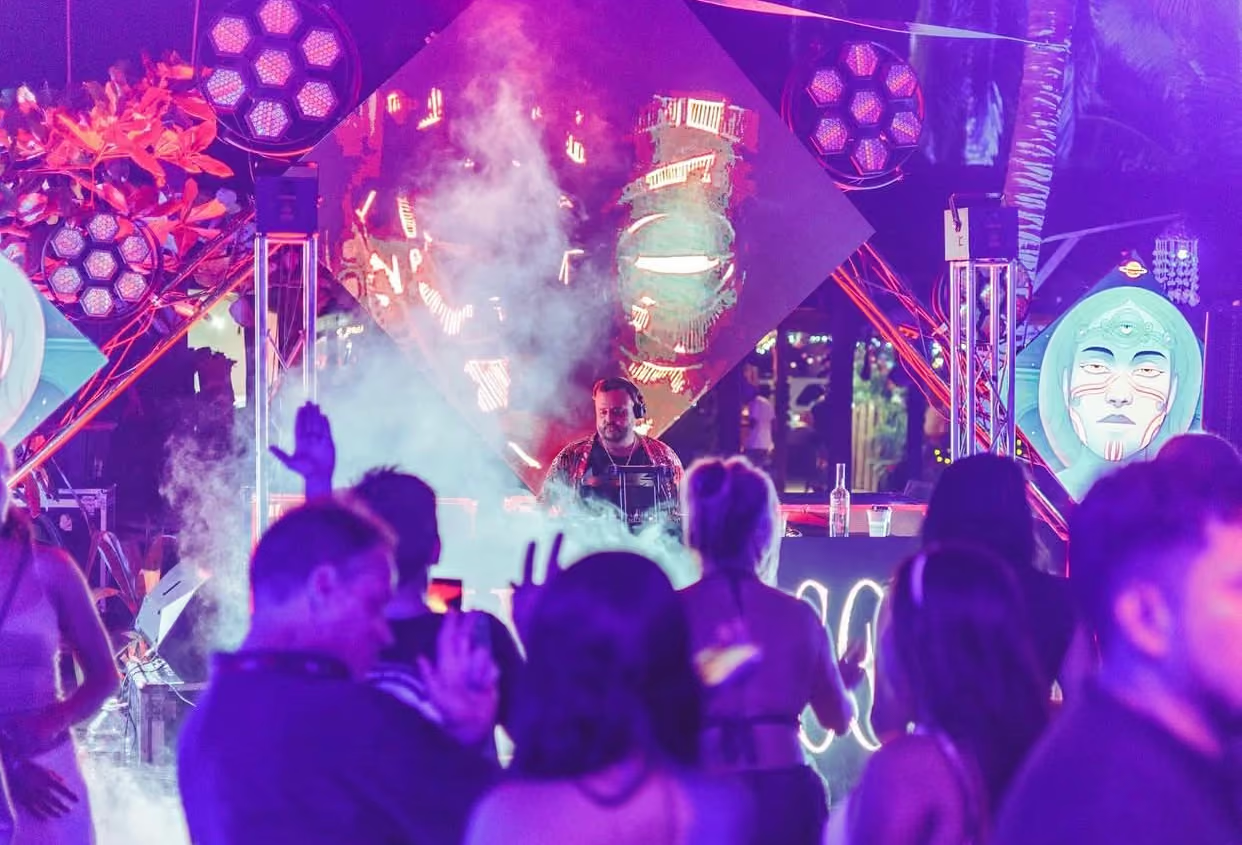
LOT: Cuando estás tocando, ¿qué te pasa? ¿Cómo es la interacción con el público?
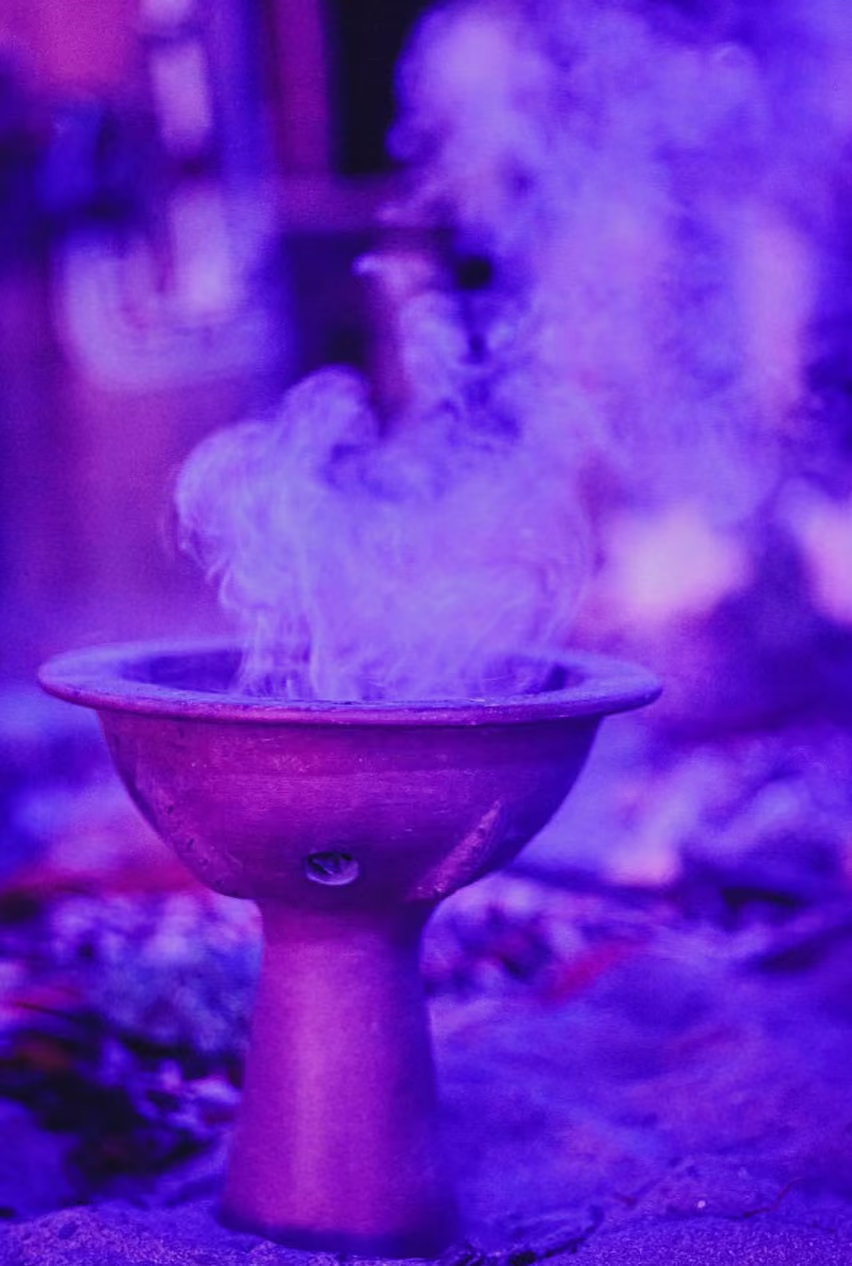
Santa María: Mi respuesta viene fresca de mi conversación con Pachamama, aquí en Quetzal [refiriéndose a la guía espiritual local y líder de temazcal, Fanny Rivera Plascencia]. En 2023, organizamos nuestro primer evento de Día de Muertos aquí en Troncones, en Doña Nica, justo a la orilla del mar. Doña Nica tenía una viejita palapita en la playa, y decidimos hacer ahí un evento de Noches Lúcidas. Quería darle al evento una capa extra. Algo que fuera más allá de la música, algo que lo hiciera más que una simple fiesta. Ya hay demasiadas fiestas por aquí. Conocí a Zali en Quetzal, y luego conocí a sus papás, que organizan eventos de sanación tradicional. Pensé que estaría muy padre que vinieran a hacer un intermedio de 15 minutos, una ceremonia similar a la que hacen en el temazcal cada semana, justo en medio de Noches Lúcidas. Me imaginaba a todos tomando un descanso, respirando, conectando entre sí durante la ceremonia. Pensé: “Ay, espero que funcione. Espero que la gente nopiense que es demasiado esotérico.”
Resultó que su ceremonia fue una capa extra de algo increíble: la sensación, la energía que despertó. A lo que quiero llegar es que, en el evento de Noches Lúcidas que organizamos en Costa Brava la semana pasada, volvimos a hacer la ceremonia, y me tocó tocar justo después. Pachamama me estuvo viendo como 15 minutos. Al día siguiente fuimos a desayunar con Zali. Pachamama me vio, me abrazó y me dijo: “Ya entiendo, Santa María. Ya lo entiendo. Lo entiendo perfectamente. La energía que transmites, esa luz que sale de ti cuando tocas, la presencié. Ahora entiendo por qué haces esto.” Fue mágico escuchar eso de ella, de alguien que es una mujer mágica en sí misma. Así que, para responder tu pregunta, el papel de un DJ tarda años en desarrollarse. El objetivo es transmitir energía, una vibra—energía humana pura y limpia—con conexión.
.
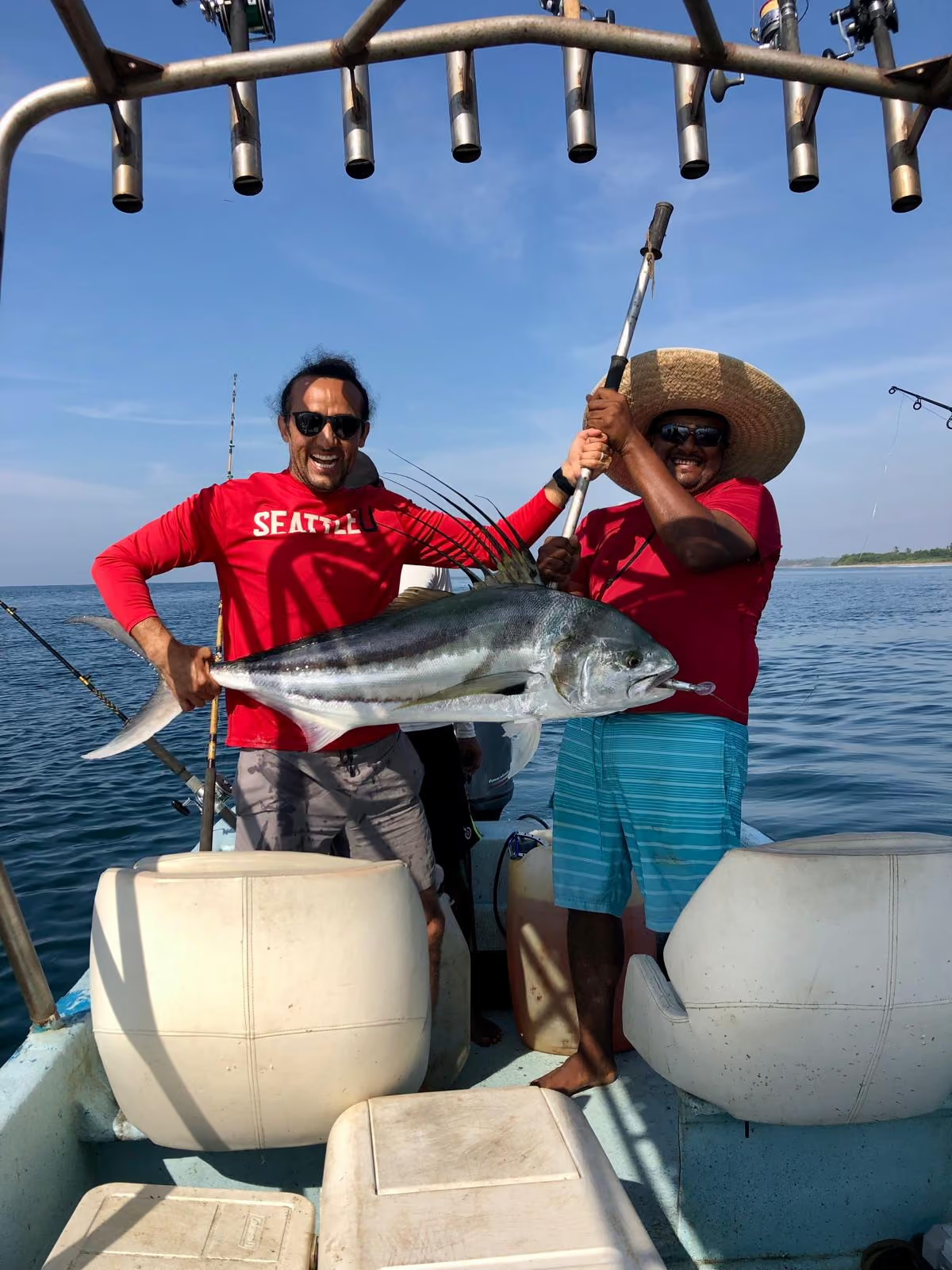
LOT: Mencionaste tu vida en el fútbol. ¿Cómo llegaste a jugar fútbol soccer profesional? ¿Cuánto tiempo jugaste?
Santa María: En esta parte del mundo, el fútbol es el rey. Realmente no hay otro deporte. No hay béisbol. No hay basquetbol. Bueno, algo hay, pero no como el fútbol. Esta región está loca por el fútbol, en mi opinión. Toda mi familia lo jugaba. Todos éramos aficionados. Cuando emigramos a Estados Unidos a finales de los ochenta, al llegar a Yakima, el fútbol era verdaderamente mi única forma de conectar. No hablaba inglés. No podía comunicarme de esa manera. La única forma en que podía comunicarme con otros chavos era a través del deporte. Y los niños de Yakima me llamaban “Pelé”. Eso se sentía muy especial. Y me ayudó a adaptarme en la escuela. Después del bachillerato, entré al Wenatchee Valley Community College, jugué ahí dos años, y después llegué a la Universidad de Seattle, una hermosa universidad privada católica en el centro de Seattle, con una beca. Después de la universidad, me reclutaron los Seattle Sounders. Jugué ahí tres temporadas. Y después del tercer año, simplemente sentí que la vida me estaba llevando hacia otra dirección. Y así fue. Era hora de seguir adelante.
LOT: ¿Hacia dónde ves queva Noches Lúcidas?
Santa María: No soy de los que sueñan pequeño. Eso no forma parte de quién soy. Empezamos muy chiquito, muy básico, pero ya tenemos una residencia bimensual en Seattle. Tenemos eventos trimestrales en Ciudad de México y estamos haciendo pequeños eventos pop-up en el centro de México. Se podría decir que tenemos nuestra serie de eventos de invierno aquí, en Troncones. El plan es que la marca siga creciendo, llevarla fuera de Estados Unidos y México. Queremos hacer eventos en Europa. Queremos hacer eventos en Sudamérica. Donde haya un nicho o una necesidad de este tipo de energía y de vida. El plan a largo plazo para Troncones es hacer solo dos eventos al año.
LOT: ¿Tienes un objetivo alargo plazo con Noches Lúcidas en términos de expansión?
Santa María: Mi esposa y yo, y el resto de los artistas que conformamos este colectivo, todavía somos relativamente jóvenes. Siempre hemos querido atraer a gente más joven a Troncones. Mucho de eso tiene que ver con que México tiene una economía emergente. Ahora hay mucho más dinero aquí en México, especialmente en el centro del país. Queremos atraer a esos jóvenes que tienen los medios para que vengan a descubrir Troncones. Queremos que manejen o tomen un vuelo desde Morelia, Querétaro, León, San Miguel de Allende y Ciudad de México, en lugar de volar a Tulum o Oaxaca, que son otras mecas de la música electrónica. Queremos que se vengan en carretera y que dejen su dinero aquí. Queremos que llenen Troncones en temporada baja y que gasten en la economía local, que descubran lo hermoso que es el lugar y que disfruten la energía increíble que tenemos. Queremos que la gente que ama la música electrónica sepa que Troncones es nuestra base en México. Que es seguro, que es hermoso y que hay un lugar para todos—que los jóvenes mexicanos del centro del país son bienvenidos aquí. Esos son nuestros objetivos a largo plazo. Los de corto plazo son tocar en Europa y en Sudamérica en los próximos 18 meses.
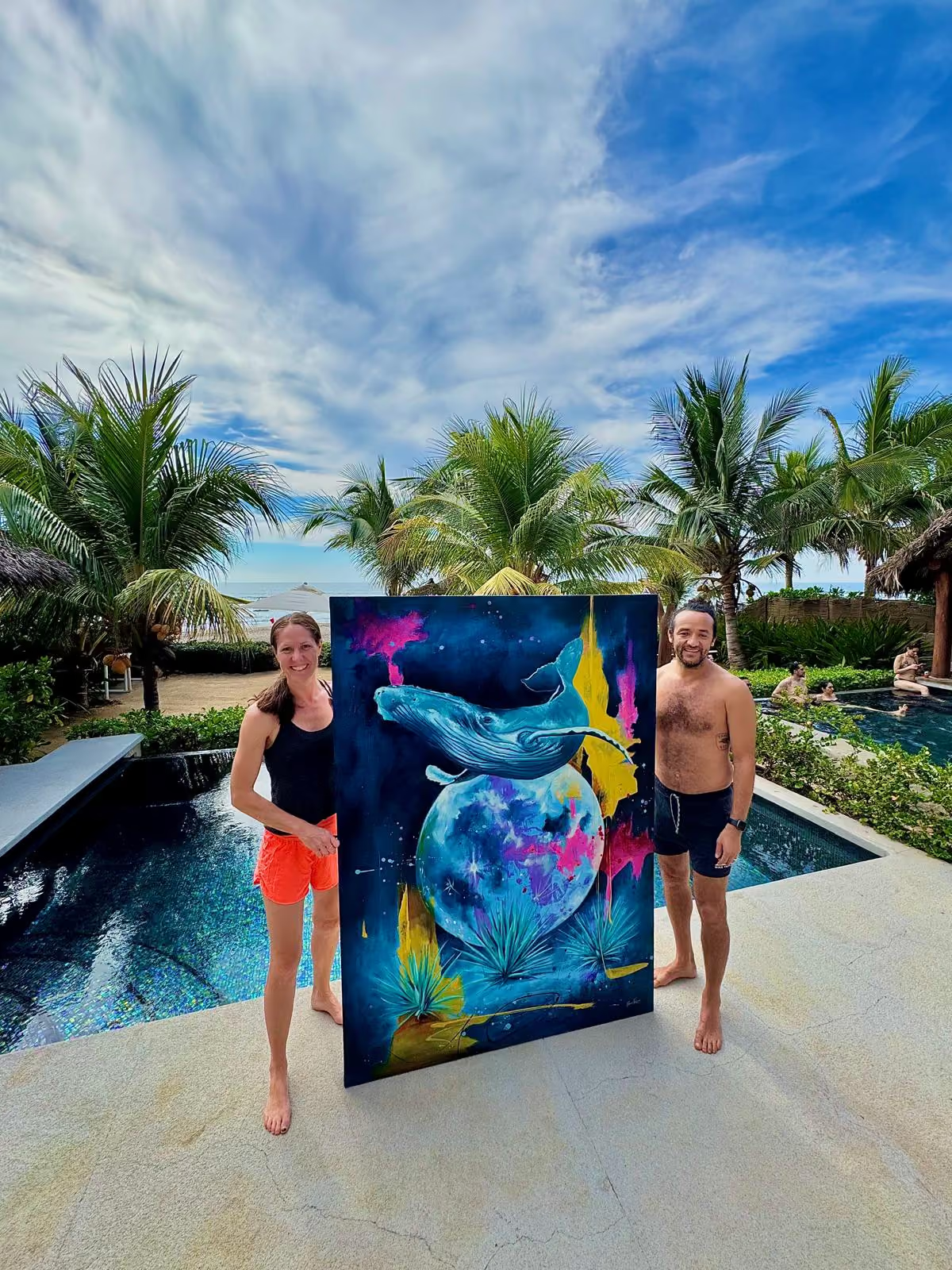
LOT: Una última pregunta. ¿Qué te hace volver a Troncones?
Santa María: La hermosa comunidad que estamos construyendo. Anoche, Sharon y yo fuimos a visitar a JP y Mari en Mi Jardín y fuimos los últimos en irnos. Siempre agradecen que los visitemos y les demos negocio. Eso se nota claramente cuando al final de la noche no quierenque te vayas. “Tómense una copa con nosotros”, dicen. De repente ya pasó una hora. El personal se fue, las luces están apagadas y solo quedamos nosotros, teniendo un momento de familia. Por eso estamos aquí—para seguir creando, para seguir construyendo, comunidad.
ENLACES
Noches Lúcidas: https://www.instagram.com/nocheslucidas/
Santa Maria en Facebook: https://www.facebook.com/SantaMariaDJ
Casa Hermoso Cariño (la casa de Santa María): https://www.instagram.com/hermosocarino_troncones
Conoce a Fanny: https://www.laondatroncones.com/meet/fanny-rivera-plascencia-for-modern-healing