A Rare Visitor to the Shore
The cold of winter brings all sorts of life to Troncones, sometimes even Yellow-Bellied Sea Snakes
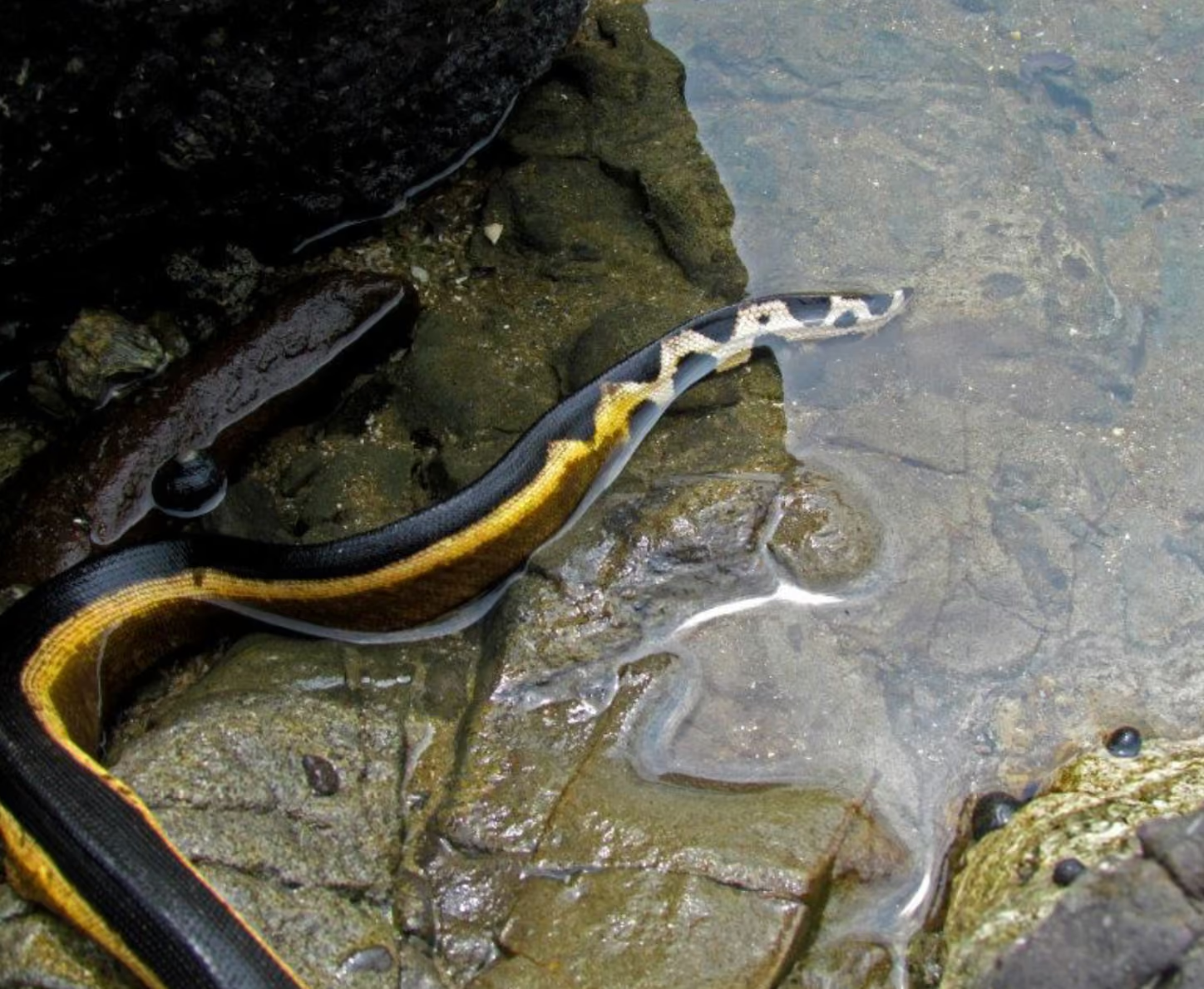
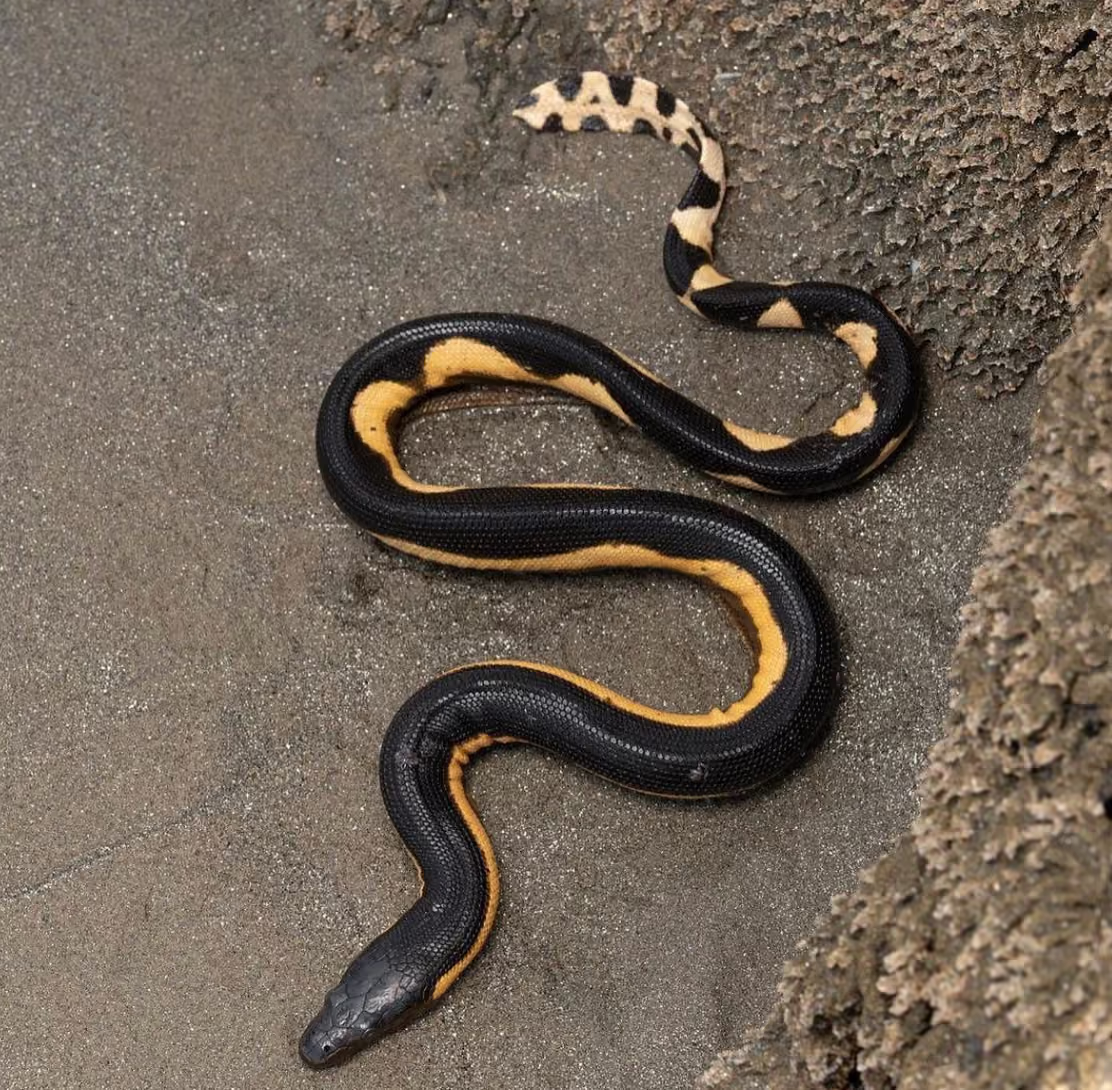
Each winter, when the Pacific waters along our coast cool just enough to unsettle the steady rhythms of the deep, something strange and beautiful sometimes drifts onto our beaches—Pelamis platura, the yellow-bellied sea snake. These striking reptiles, with jet-black backs and golden undersides, are open-ocean hunters built entirely for life at sea. But when those cooler currents disorient them or push them toward shore, they sometimes wash up—helpless, twisted in seaweed or barely moving on the sand. If you come across one lying motionless at the tide line, you're witnessing something rare—and very much alive.

.avif)





.avif)

%20(Spanish)-2.avif)





Unlike the harmless eels that are often mistaken for sea snakes, Pelamis platura is the real deal: a true sea snake and the only one found in our local waters. Eels, while occasionally nippy if cornered, are not venomous. Sea snakes, on the other hand, are highly so. Their venom is adapted to paralyze fish quickly in the vastness of the open ocean, where a missed strike means a missed meal. But while their poison is potent, they are not aggressive. Bites to humans are exceedingly rare, almost always the result of someone grabbing one accidently while swimming or diving. On land, especially when cold-stunned, they pose virtually no threat.
Sea snakes give live birth at sea, and their entire lives—from feeding to mating to delivering young—happen in open water. They don’t come ashore willingly, and when they do, it’s usually a sign of distress. Their paddle-like tails and compressed bodies, so elegant in water, make them nearly helpless on land. When cold, they can’t even coil defensively. If you find one, the kindest thing you can do is gently lift it—it will likely be limp— with a stick or piece of driftwood and place it back in the ocean. Never handle them with bare hands—not because they’re aggressive, but because they deserve the same respectful distance we give all wild things.
These creatures are a reminder of how little we see of the true oceanic world just offshore. A yellow-bellied sea snake on the beach is not a threat, but a fragile emissary from the deep. Let’s treat them with care, and be grateful for the rare chance to glimpse a life spent almost entirely out of sight.