Life in troncones,
majahua & saladita
.avif)




.avif)
%20(Spanish)-2.avif)

















LATEST AT LA ONDA
Button Text
%2017.27.38.avif)
MEET
Isabel Velasco: La Mexicana
I didn’t know much about Isabel when we sat down together—other than she owns La Mexicana, a popular restaurant on the beach road in Troncones; that she helped start Surfers for Strays and that she’s part of the team heading up the Halloween parade that opens up Troncones’ Festival de la Catrina. That was about it. And that her restaurant once had a pet turkey roaming the dining room. Maybe seeing her volunteer to help with the parade should’ve told me something about her commitment to Troncones. Maybe having her set up our interview around her son’s school and his activities should’ve told me something about her priorities. But what struck me when we met was her honesty. She’s been through things no one likes to talk about. Meet Isabel Velasco.
3
No items found.
No items found.
No items found.
No items found.

Live
The First-Ever Festival de la Catrina
There have always been local events to mark Day of the Dead here. Most have typically been traditional, focused on decorating altars dedicated to people who have passed on and honoring their memory. These celebrations have been mostly personal and community-oriented, especially when friends and family members meet at the cemetery. Recently though, Halloween trick-or-treating and surfers dressing up as Catrinas have started new traditions to celebrate the spirit of the season. This year, there’s a new way to celebrate along our coast, a festival that includes every tradition and every village.
Day of the Dead. What to do? Where to go? How can we get involved? Those are questions that come up every year around this time, but now there’s a new local hospitality coalition that’s created three festivals to meet one shared need.

1

Live
Save The Waves 2026
Last October Save The Waves, the organization responsible for establishing the first internationally-recognized “surfing reserves”, brought a collection of ten films to Troncones, Saladita and Zihuatanejo. Those screenings delved into the delicate balance between commercial development and environmental protection—from the point of view of surfers and their communities. This year the world-wide organization, based in Santa Cruz, California, is back with a new set of films, this time partnering with local community conservation group Proyecto Saladita to create a series of engaging events—on Saturday in Saladita and in Ixtapa on Sunday.
2

Live
ARCHIVE #3: OUR NEW HEROES
Another archive? Really? A third one? Yep! Since we launched La Onda Troncones last October, we've published 27 newsletters, one every two weeks. If you missed one, or you're searching for a specific story, this is where you'll find them all—and where you can connect to our sponsors and the photographers behind our “hero shots”.

4

Live
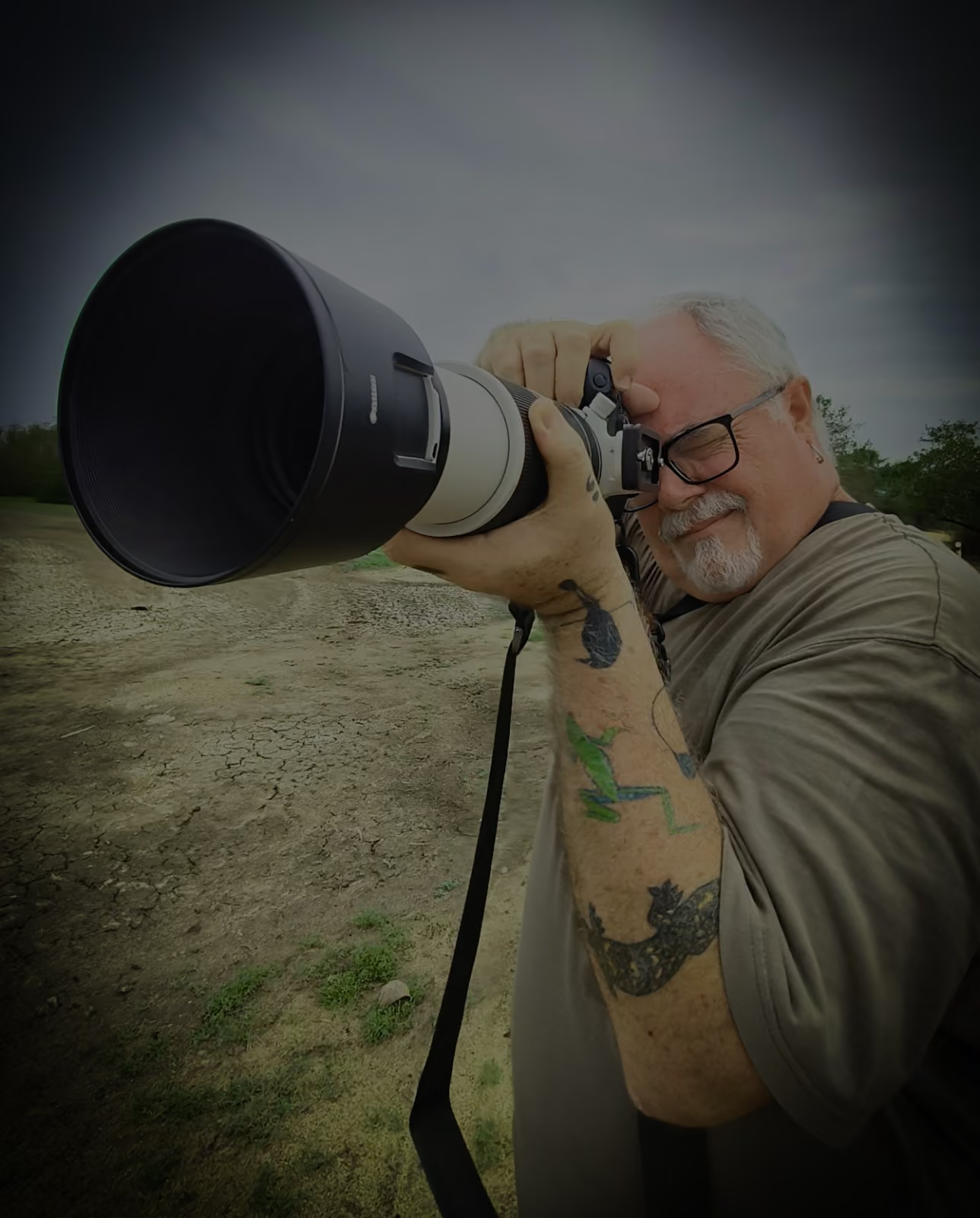
The Chief of the Parota
Over the past year or so I’ve written close to a dozen bird pieces for this magazine. Not long ago, I went back through the list and noticed a hole in it big enough to hang a meter-long nest from. I have never written about the Yellow-winged Cacique. That’s a strange omission. It’s one of the most common birds in Troncones, one of the loudest, and certainly one of the most recognizable: black and yellow, impossible to ignore.
Its nests are the single thing people ask me about more than anything else with feathers. Writing a run of local bird pieces without mentioning it is a bit like writing about Troncones and forgetting to mention the ocean. So, belatedly, here it is — the Yellow-winged Cacique
5

Live
Introducing STAY
At La Onda, we love design and we love houses. Now there's a place to find them: STAY, a curated collection of local vacation rentals you can book directly with the owners.
7
Live
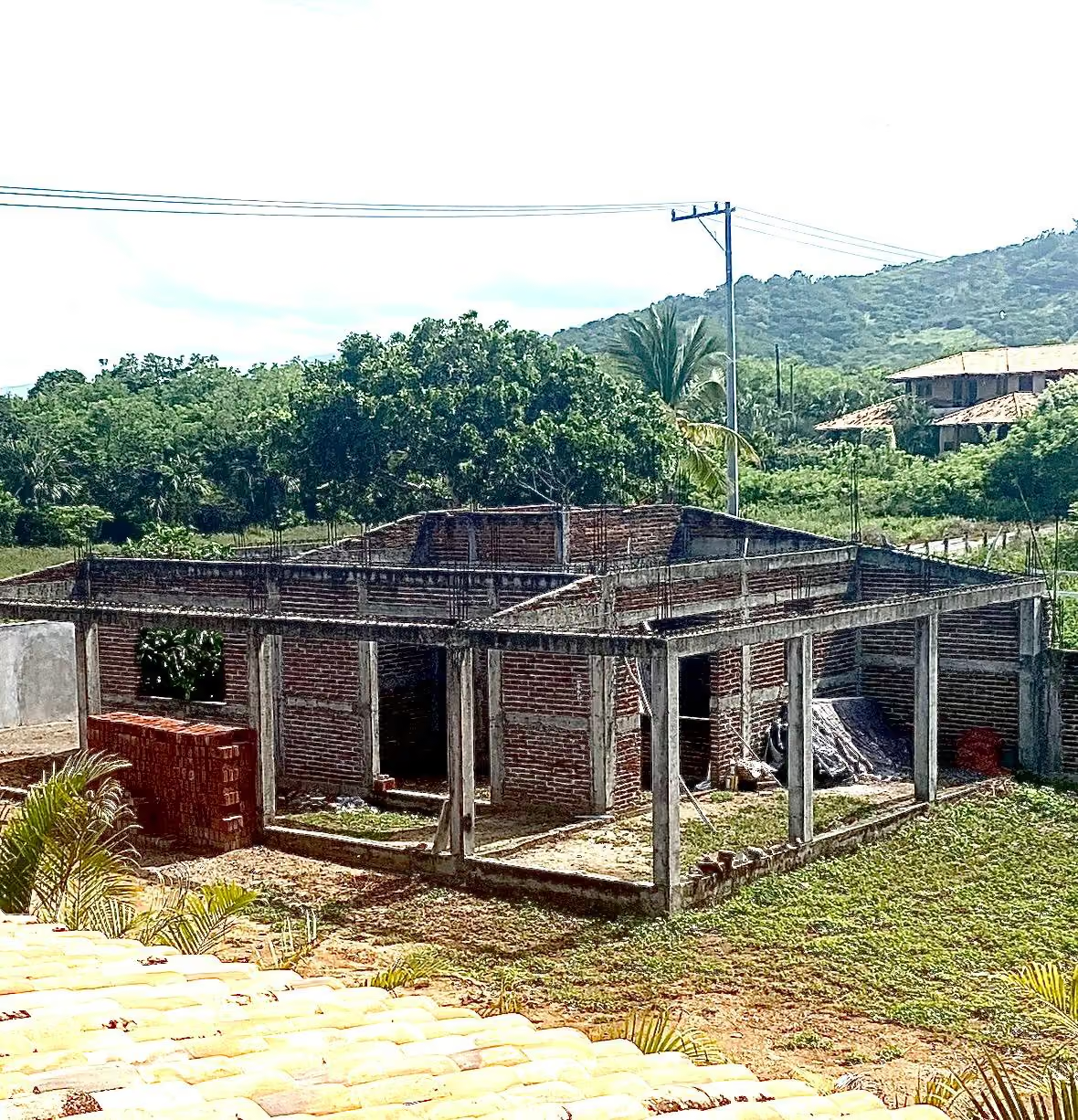
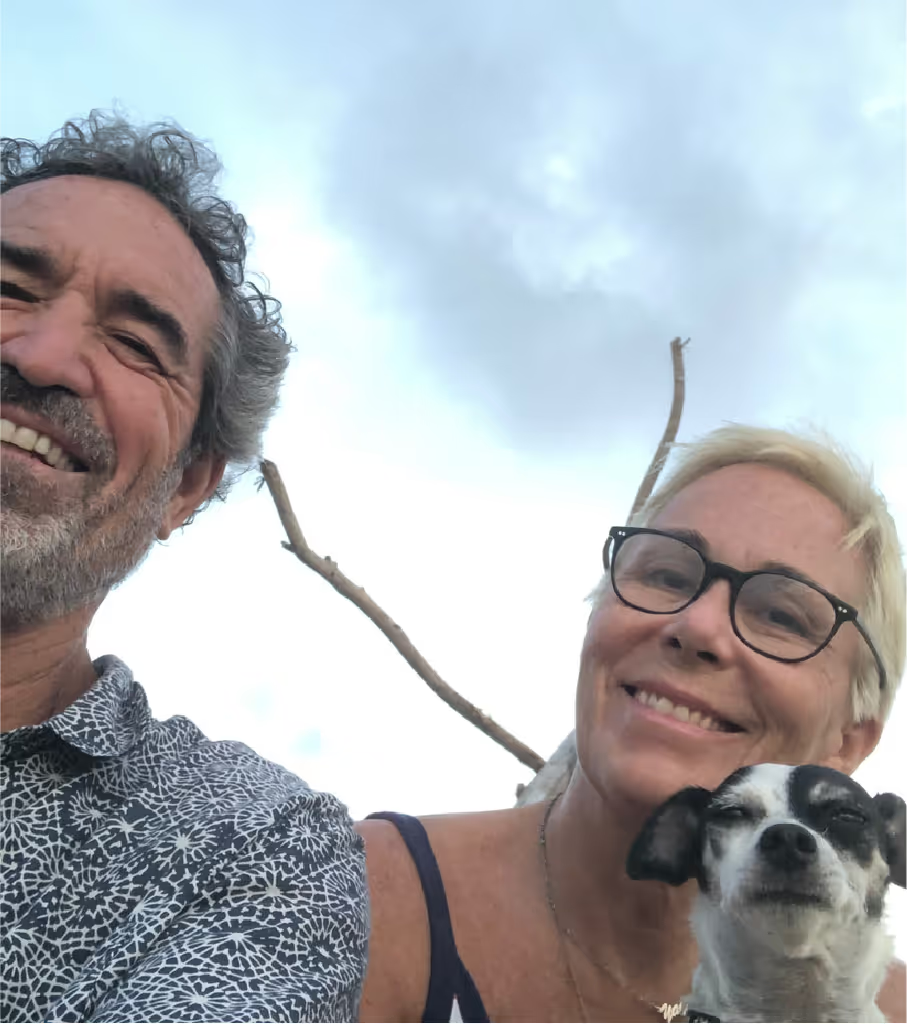
The Ruins Next Door
La Onda’s co-founder reflects on her move here and the first two projects that sparked her creativity—and connected her to the community.
8
EAT
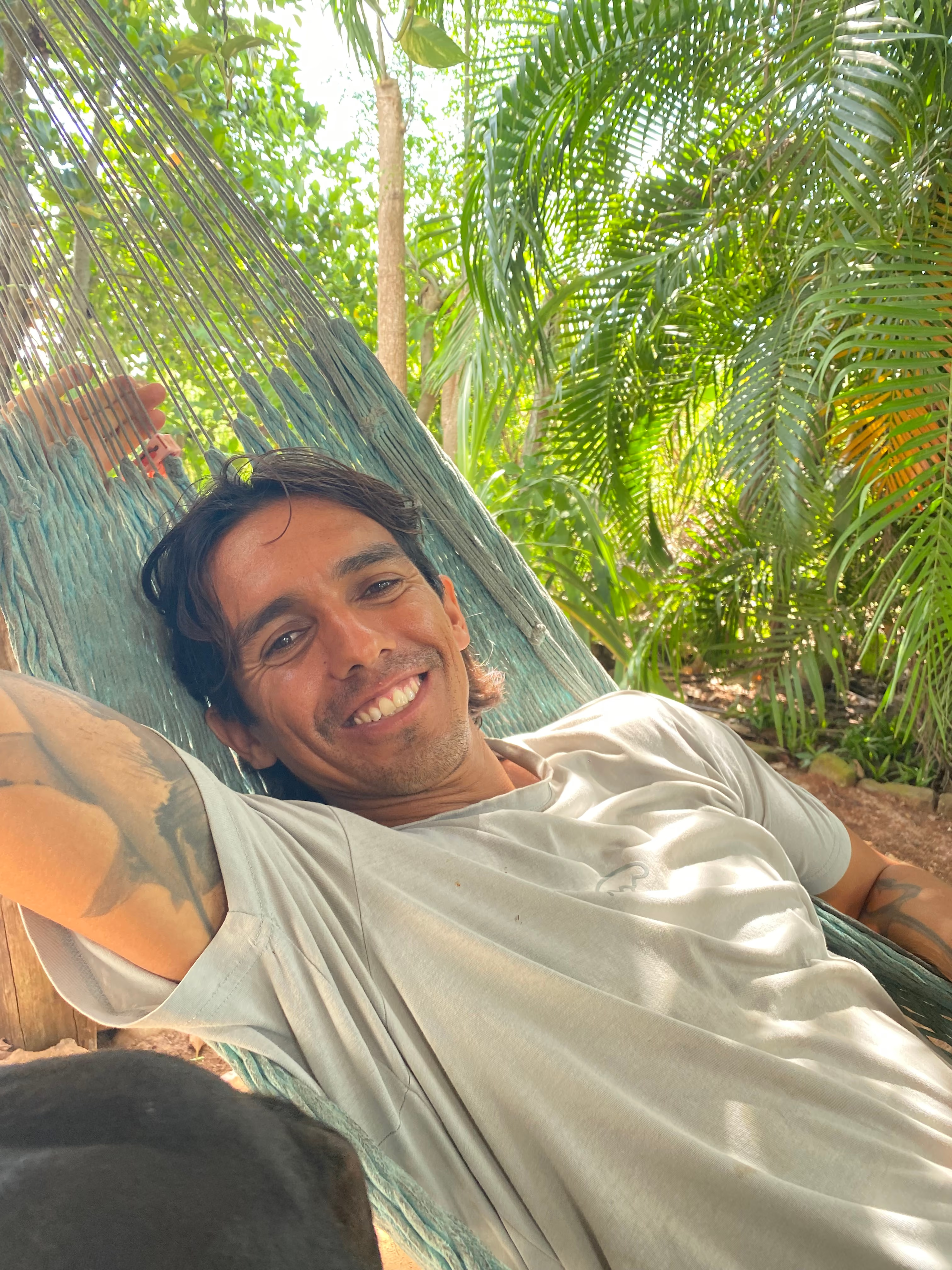
Cristo León: The Purist
I’ve been a fan of Crissol peanut butter and almond butter since I first tried them. They’re simple, intensely good. You can taste exactly what they’re made from, and they’re local. So, I went to Saladita to meet Cristo León, the soft-spoken cook behind Crissol, and ended up talking about coconuts, peanuts, surfing, bees and why getting as close to the source as possible matters.
6
EAT
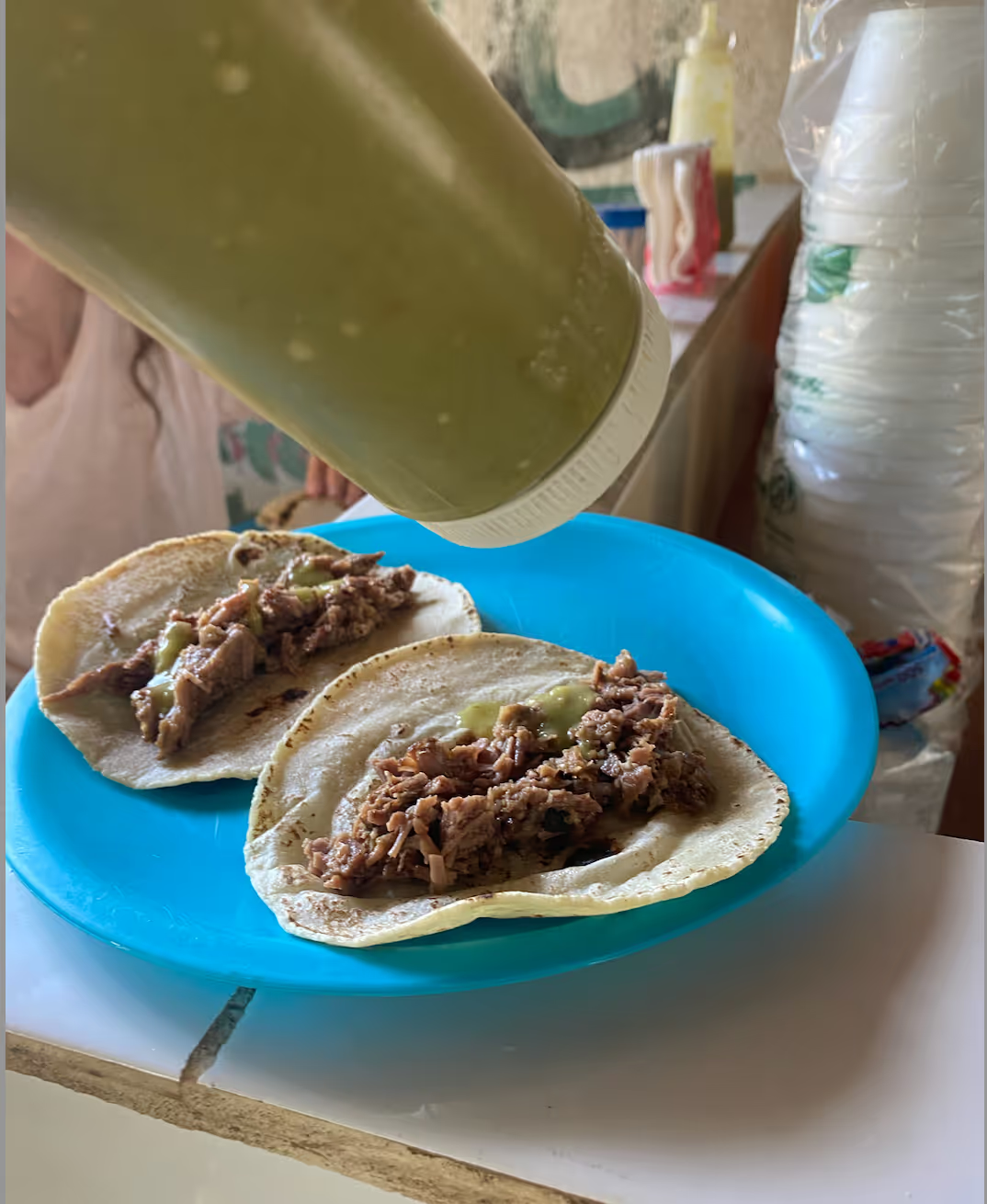
Eat Like a Local
If you’ve been in Troncones long enough, you already know some of the best meals aren’t mentioned on Trip Advisor and don't have a menu. You might just need to be in the know...they show up on Saturday or Sunday mornings, serving until they run out, or pop-up after dark in someone's house with a couple of plastic tables and a bare lightbulbs, or from a beautiful woman with her pots on a table on the sidewalk shrouded in embroidered towels.
9