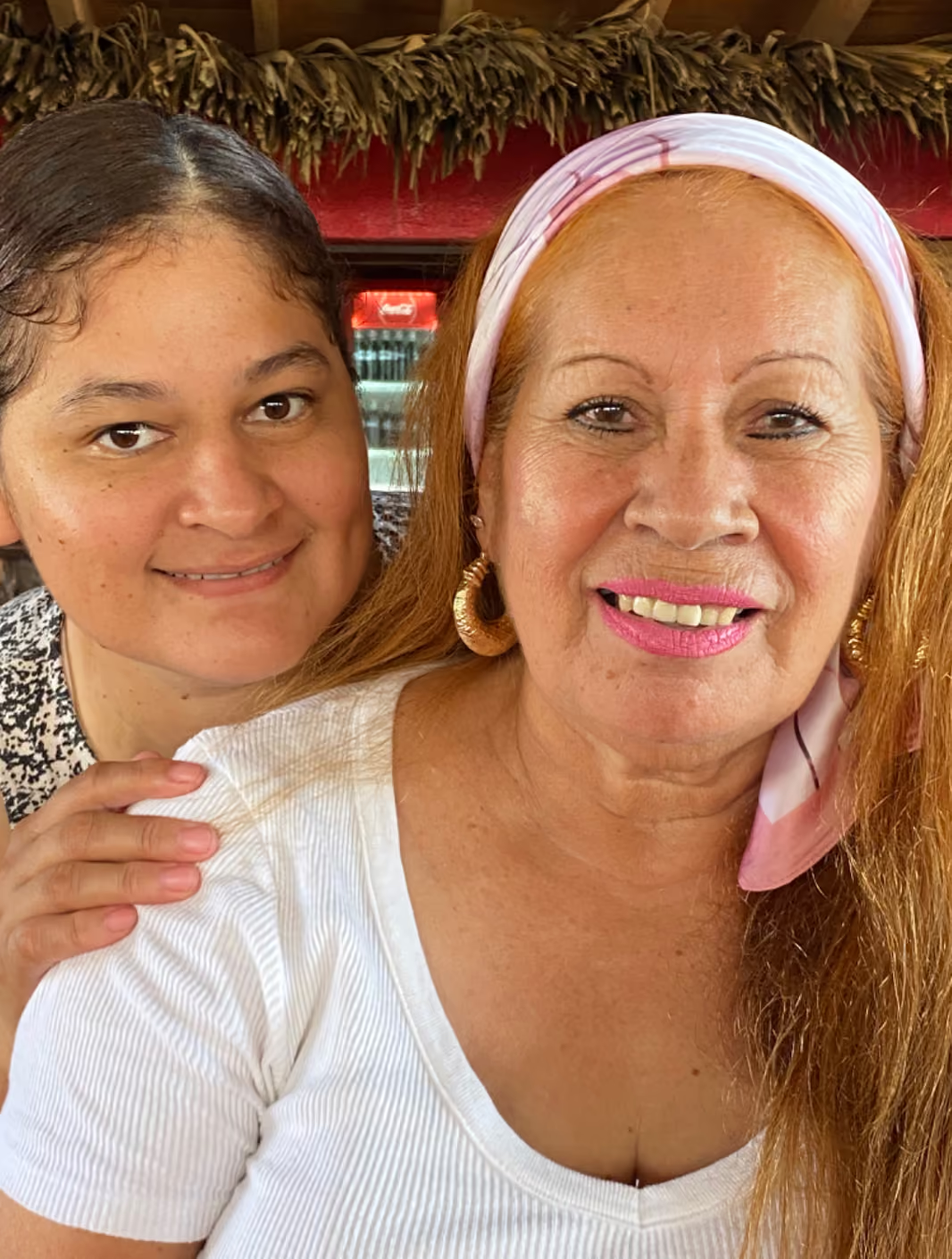
Josefina & María Jetzabel: Mother & Daughter
The mother’s restaurant is named for her daughter; the daughter does her own thing in her own kitchen
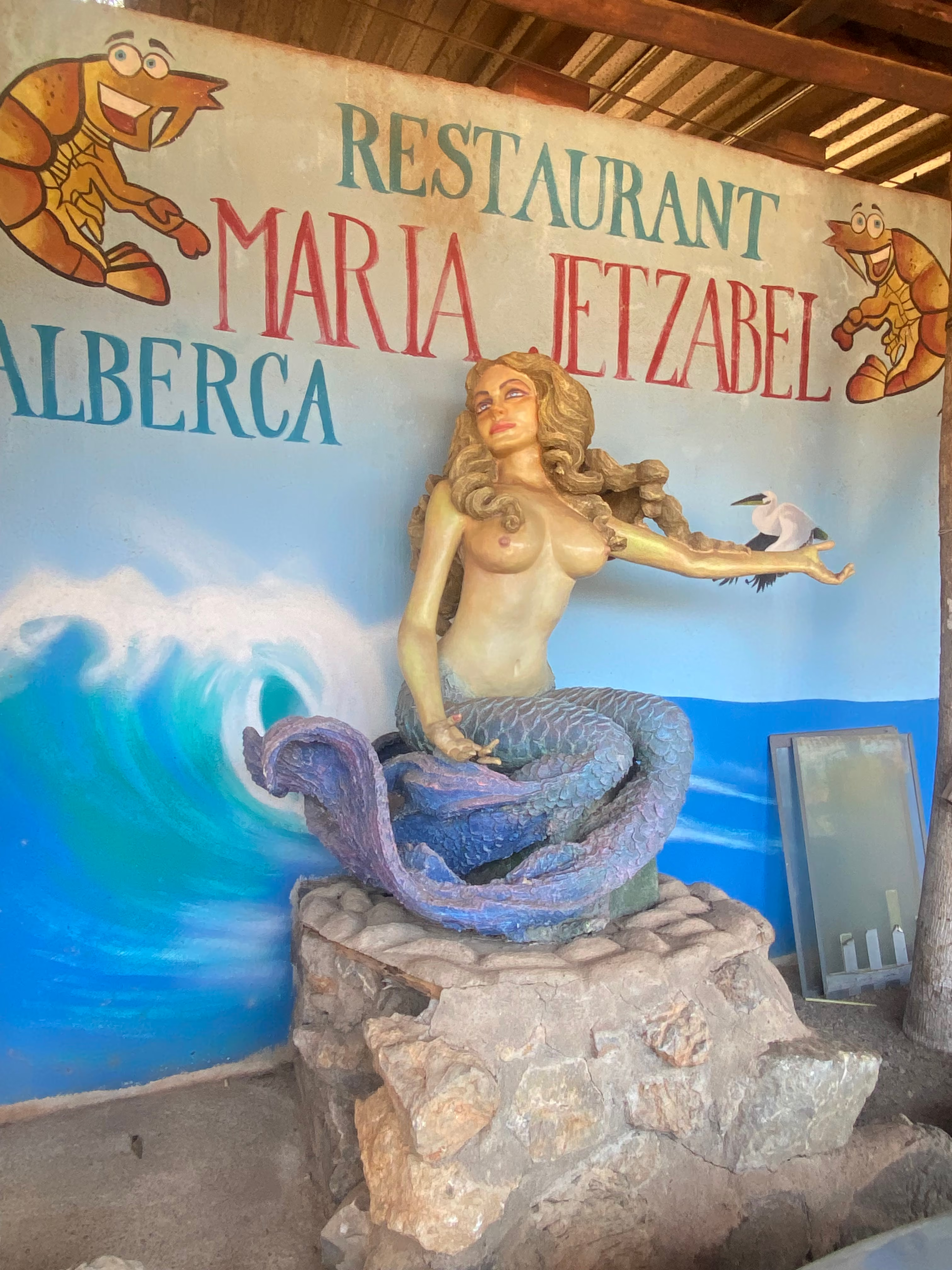
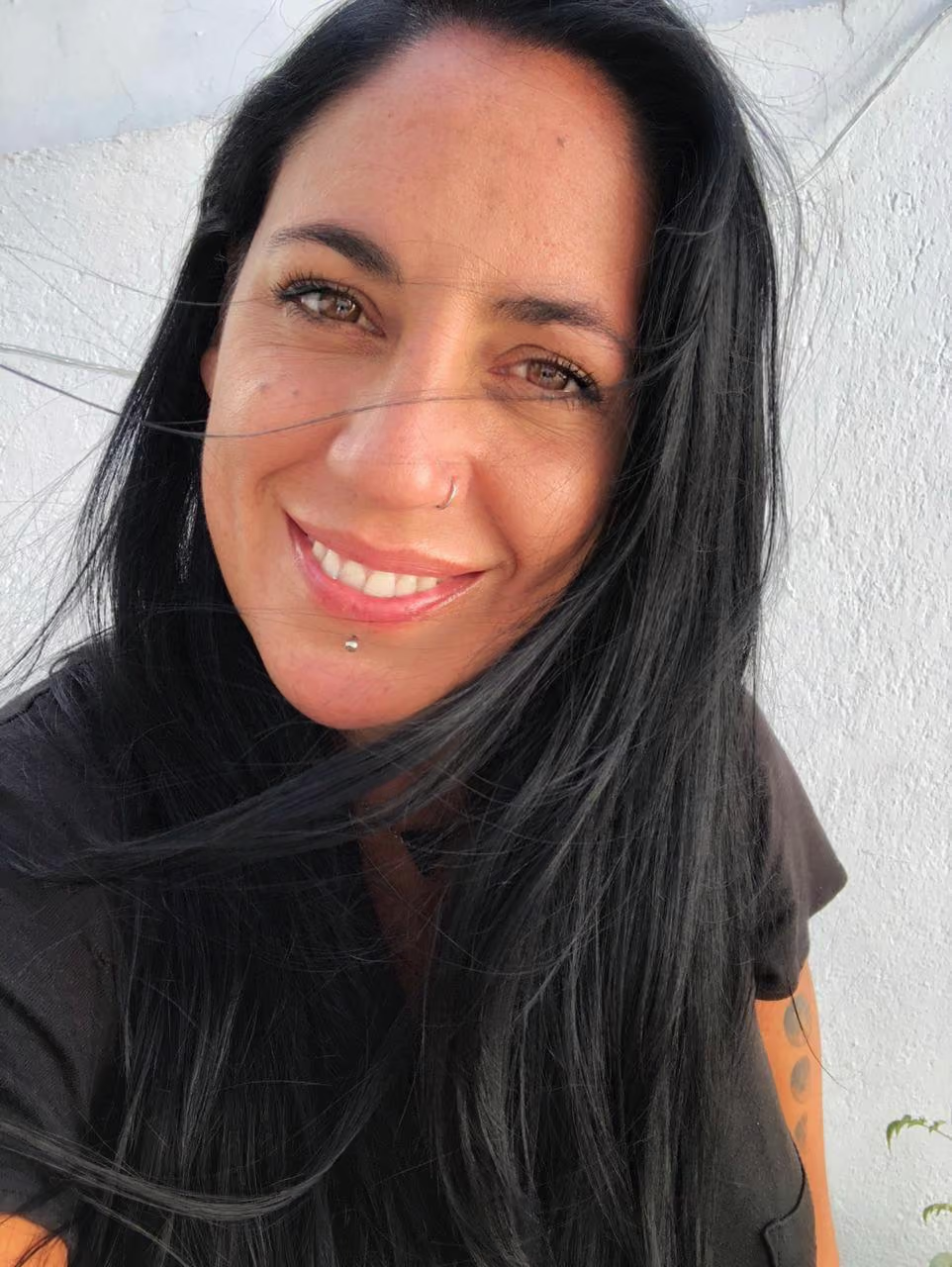
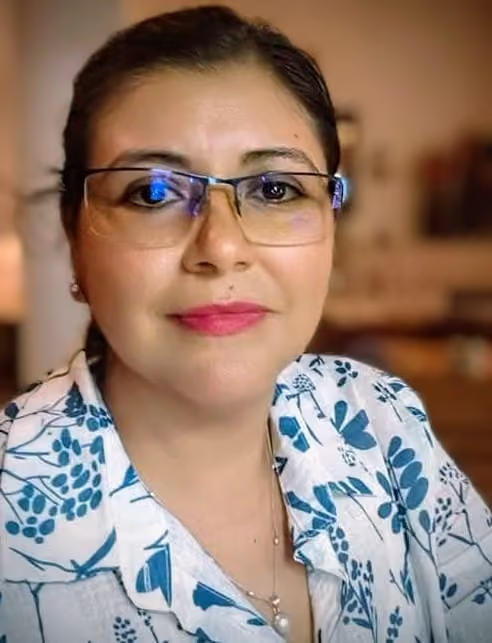
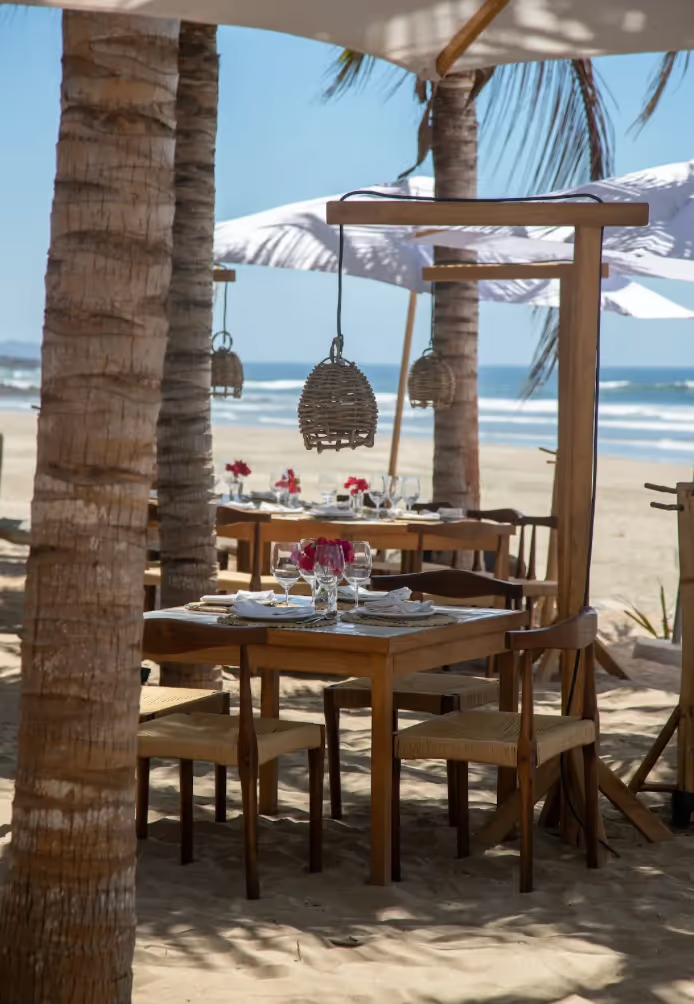
María Jetzabel, at the T in Troncones. At one end of the property, Josefina stands over a pan set on the flame, watching a fish as it hits hot oil. At the other end, her daughter María Jetzabel builds Tostilocos for a younger crowd—lime, chamoy, noodles, chips, candy, something crunchy and bright, served in a cup or bag. Same name. Same family. Two very different restaurants, side-by-side in a town that’s evolving around them.
.avif)





.avif)

%20(Spanish)-2.avif)

Josefina arrived in Troncones in 1985, when the road was rough and there wasn’t much of anything here. “I came from Petatlán,” she said. “When I arrived, it was a very small town. Very poor. We didn’t have money. I’m not ashamed to say that, because it’s the truth.”
She started working in a small ramada—a simple shade structure with a table and a fire. What was on the menu came from the sea. “What we had most was lobster,” she said. “Oysters, too. There were many. You could grab them right there.”
Josefina remembers sleeping in a tiny palm-roofed shelter without walls. She remembers how exposed everything was—to the weather, to the animals, to the sea. “I had my masa [corn dough for tamales] on a table,” she said. “And there were big pigs. They would come and take it. They would steal my masa and run away because there was no security.” She laughs when she tells it now. At the time, it was just another problem to solve.
.avif)
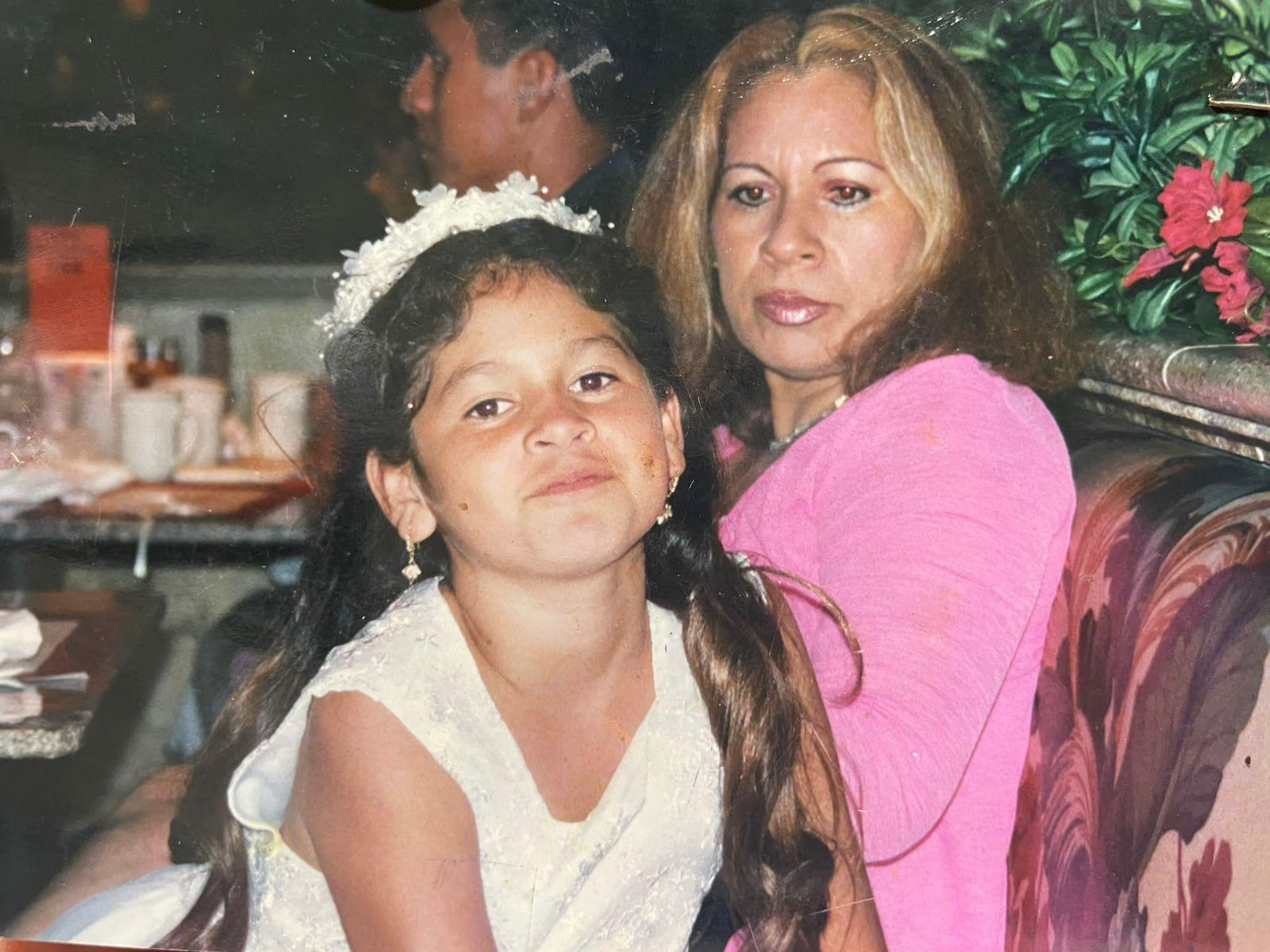
The restaurant didn’t have a name at first, but it became María Jetzabel when her daughter was born. Josefina worked there for about ten years before leaving for the United States. Her daughter was four; her son was six. “I went for fifteen years,” she said. “I worked cleaning houses.”
She left the restaurant with her brother while she was gone. When she returned to Troncones in 2011, she started again—working, building, adding, fixing. Much of what stands now was rebuilt or expanded after she came back, including new areas added after the pandemic. “I started working and working,” she said. “And I built all of this.”
Joefina speaks about those years in the United States without bitterness. Mostly she speaks with gratitude. “I had a lot of help,” she said. “I respect the Americans very much. They helped me a lot. My children learned English. I feel happy for what I achieved.”
The food she cooks here now has stayed close to what she started with. She says her cooking is different from many newer places in town. “My food is, like, from the rancho,” she said. “From the ancestors.”
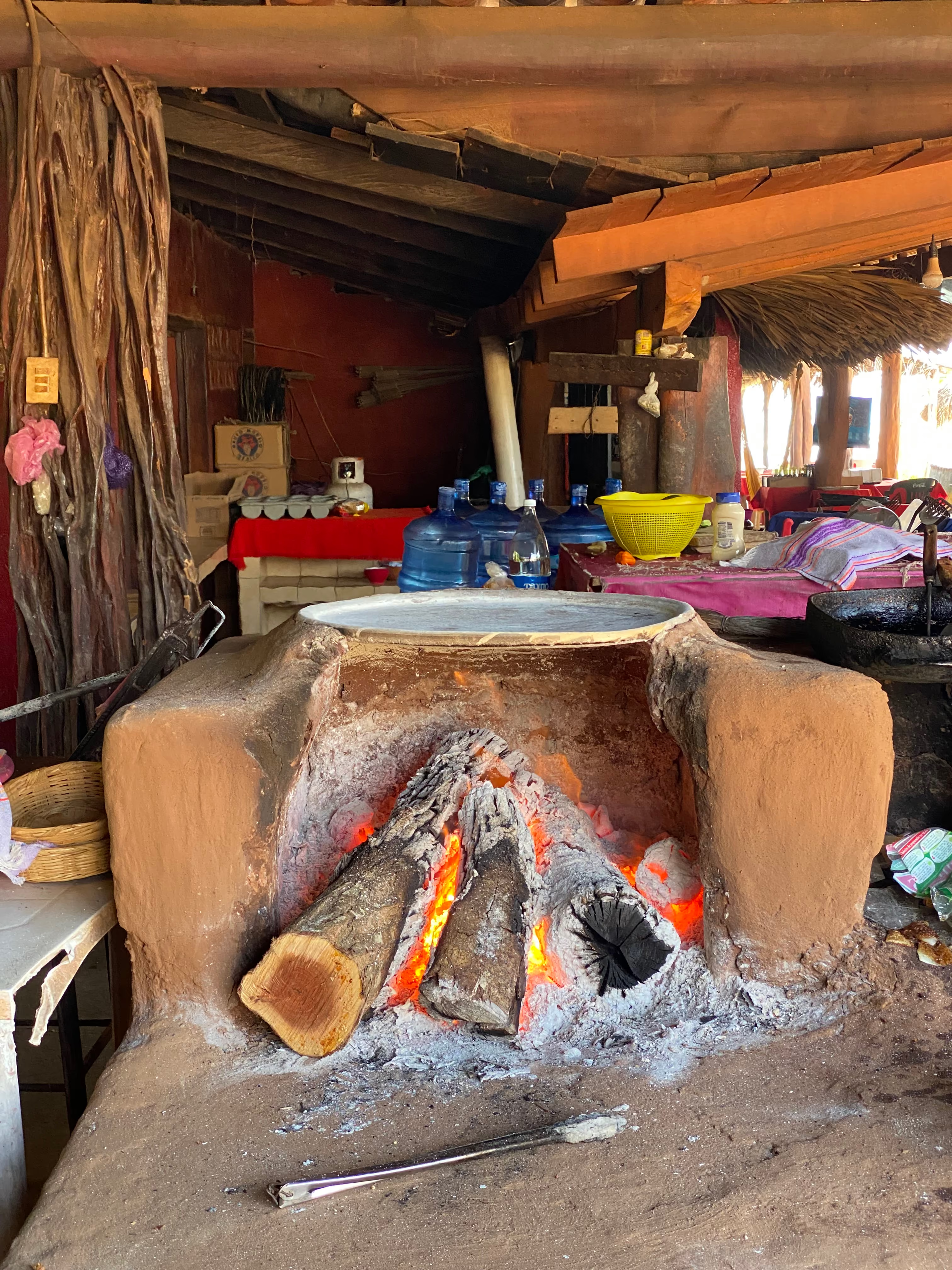
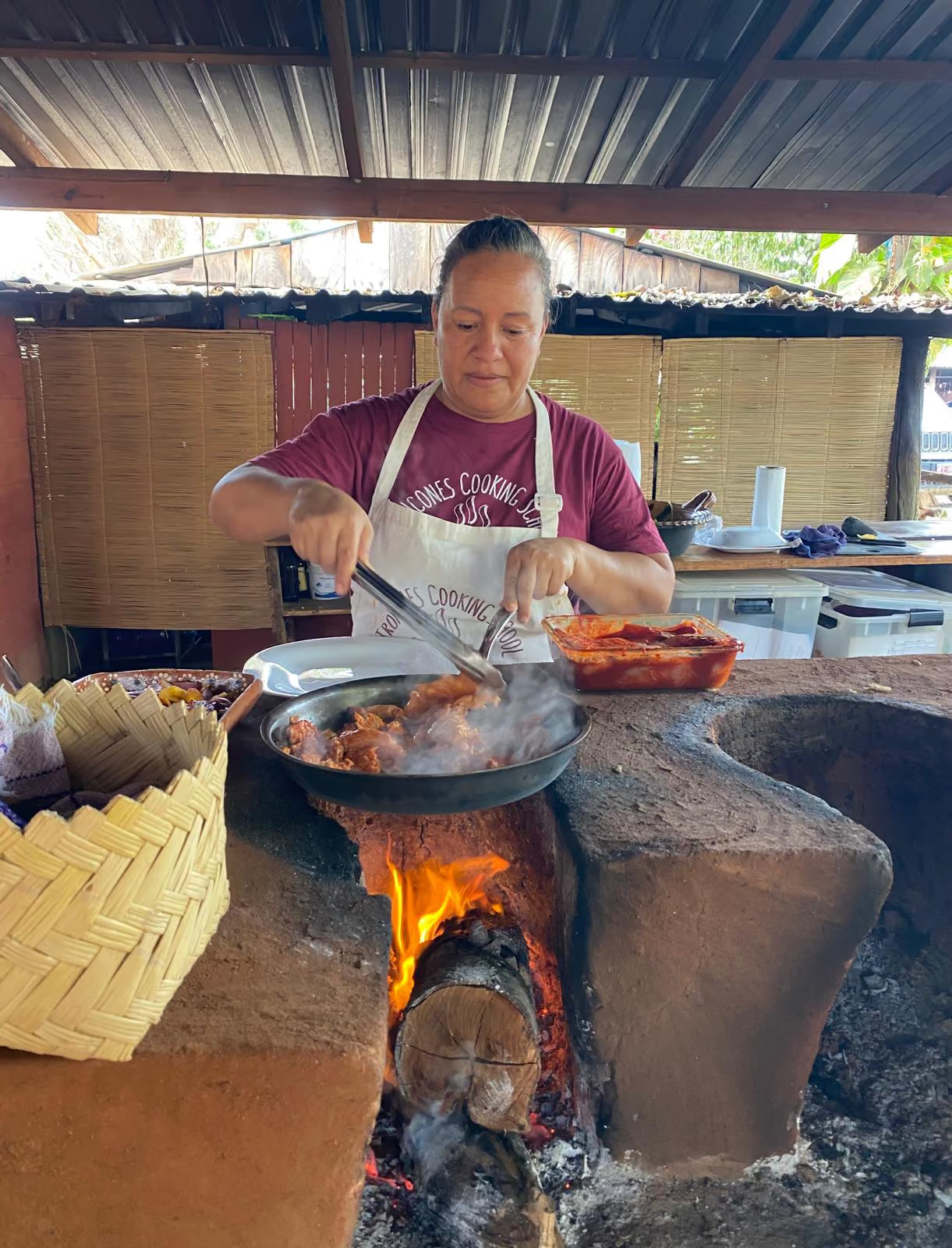
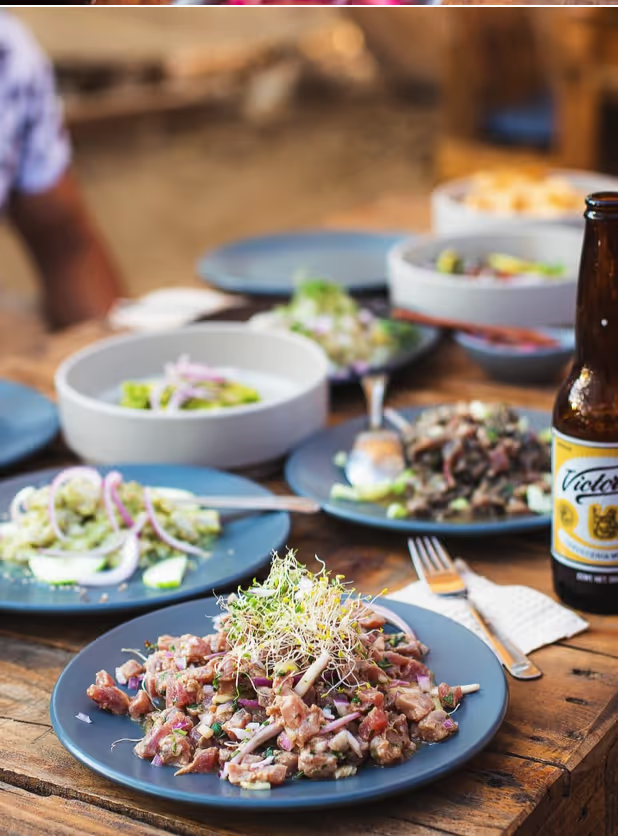
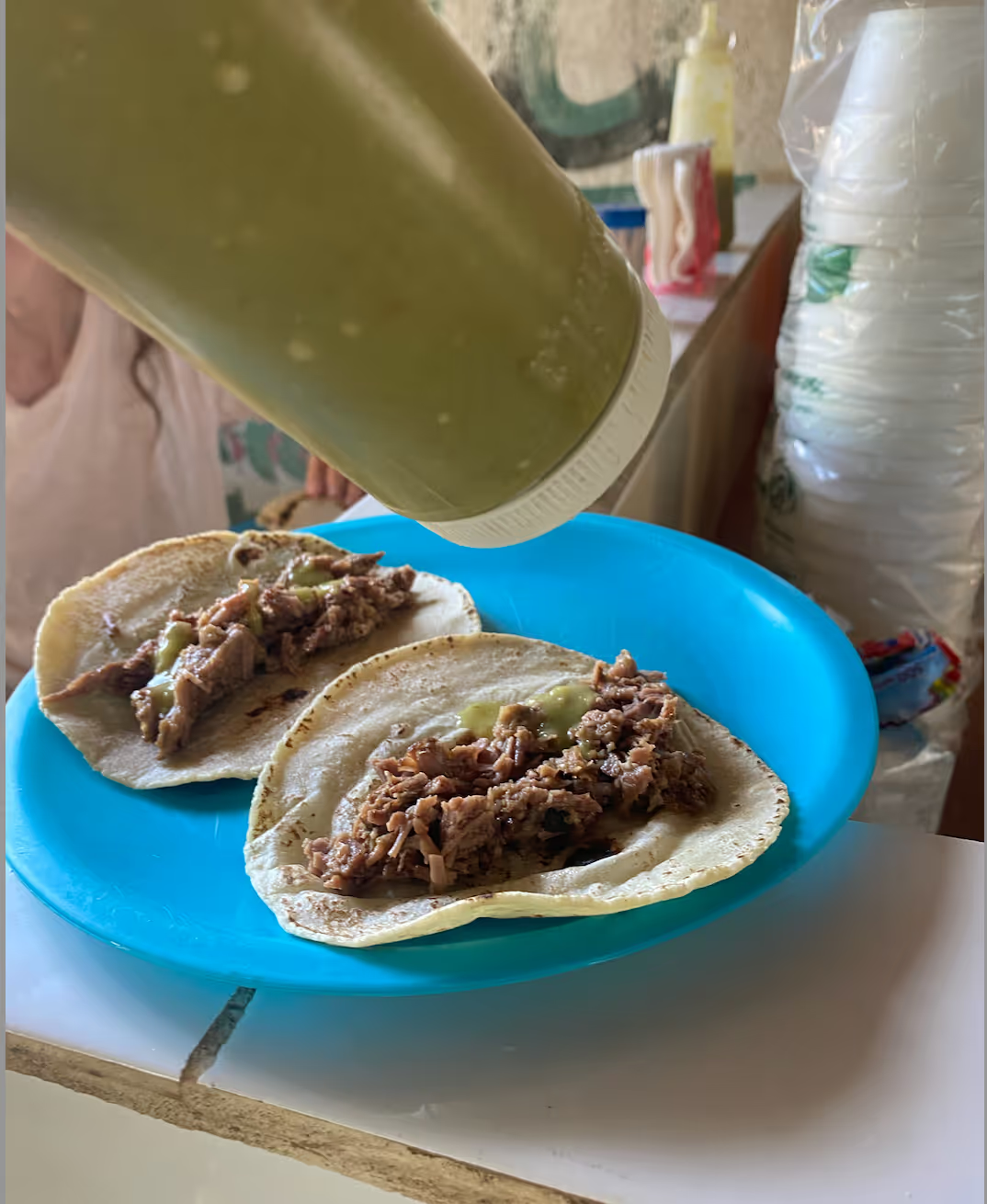
Fresh fish. Simple preparations. Tortillas hot off the comal. Everything is made when it’s ordered. “I don’t have anything prepared ahead,” Josefina said. “Everything is made at the moment.”
She still prefers cooking fish over flame instead of on a flat griddle. “When you cook a fish over the fire,” she said, “it comes out better.” Josefina fries her fish in a pan over embers, adds a sauce she’s already made, lets it come to a boil and sends it out hot. It’s a method built on timing and repetition, not presentation. She doesn’t want the food to sit. She doesn’t want it to get complicated. “If the ingredients are fresh,” Josefina said, “that’s enough.”
Her daughter’s kitchen nearby offers something else entirely. Tostilocos. Ramen. Snacks that didn’t exist here years ago. Josefina sees it as a natural change. “For her, it was something new,” she said. “Something that wasn’t here.”
Troncones has grown. More restaurants. More visitors. More expectations. Josefina knows that. She just doesn’t feel the need to chase every shift or fashion. “People still come. They come and they return,” she said, “because everything is fresh.”

Some visitors ask for fish tacos or shrimp tacos. Josefina makes them. Others want guacamole. Josefina makes it fresh. She doesn’t resist what people ask for—she just keeps her way of cooking intact.
At one point in our conversation, Josefina remembered some of the early visitors who used to come when the town was still quiet. One couple would come regularly for oysters, even when they didn’t speak any Spanish at all. She and the others working in the restaurant helped teach them. “He wanted to learn Spanish,” she said, laughing. “So, the young guys taught him puro groserías.” Bad words. He loved it, she said. They became part of the community. Over time, many visitors did.
Now Josefina describes herself as “a little retired.” She doesn’t fully step away from the kitchen. When the restaurant gets busy, she steps in. Otherwise, she watches closely. “I watch the food when it comes out,” she said. “I see if it needs something. I show them how I want it done.”
Josefina teaches the younger women in the kitchen her way—the way she’s done things for decades. “This is how it’s done,” she said. “Like this. Because that’s how I like it. That’s how people like it.” Josefina says she’ll cook as long as she can. “Mientras pueda,” she said. “As long as I’m able.”
.avif)
After all these years cooking for other people, her favorite food for herself is still the simplest. “I make a plate of frijoles de la olla [typically pinto or black beans simmered with water, garlic, onion, and salt, often flavored with epazote] with boiled eggs,” she said. “And with that, I’m content.” She makes a molcajete salsa [tomatoes, tomatillos, serrano or jalapeño peppers, garlic, onion, and cilantro]. Corn tortillas. Something simple and warm. Something she’s eaten since the beginning. In a town that keeps adding new menus, new kitchens and new ideas, Josefina’s fire is still going.
LET’S TRY THIS
As traditional as Josephine is, it’s no surprise María Jetzabel does things another way. While her mother uses what’s around, María Jetzabel likes to create experiences that are fun, that challenge her. Arriving in San Diego at age four, she discovered foods that were, as she says, “a blast for my taste buds. In the U.S., we love a good mixture of food. One day I would have Chinese, and another day it would be gyros and baklava. In Mexico, we have rice and beans, and those are used in almost every plate, but what we love the most is a big pot of mole.”
For those who may not know: mole—MOH-lay—is the mother sauce of Mexican cuisine—made from a long-simmering mix of ingredients, each one having a different property—typically, chiles (usually two different types); sour (tomatoes or tomatillos); sweet (dried fruits or sugar); spices; and thickeners (bread, nuts or seeds).
A willingness to combine and blend—to let flavors and experience melt into something new—is part of María Jetzabel’s creativity and entrepreneurial talent, in the kitchen and out. Recently, on her Facebook feed, she promoted Chinese dumplings one day, chocolate-covered strawberries for Valentine’s Day, a movie night and all sorts of coffee drinks and milkshakes.
.avif)
In describing her “training” in the kitchen, María Jetzabel says, “My mom is my greatest influence. I learned that cooking simple eggs has its tricks. I remember I would always call my mom for step-by-step instructions on how to make mole, barbacoa chiles rellenos—chilies filled with beef—the list goes on and on. To this day, I still ask her for recipes.”
María Jetzabel is quick to count her blessings at having her mom as a resource and for having Troncones as a home base. She says, “Coming back to Troncones was a bit hard at first. I was 18. I had to adapt from being in a big city to being in a small town where you literally know every person. With time, I’ve learned to value how lucky I am to live in such a paradise, a town that’s a vacation to most, but a home for me.”
One of the San Diego food curiosities, María Jetzabel has brought home to Troncones is Tostilocos. In describing how that happened, María Jetzabel says, “The first time I had Tostilocos was when I was around 10 years old. Our next-door neighbor was selling them from her house. The sweet and spicy mix was so good that I remembered everything that was in them—cucumber, jícama, Japanese peanuts, pickled pork skin, tamarind candy, mango, chamoy sauce and hot sauce—and I decided to make them myself 15 years later. I started selling Tostilocos here 11 years ago and it’s become very popular.
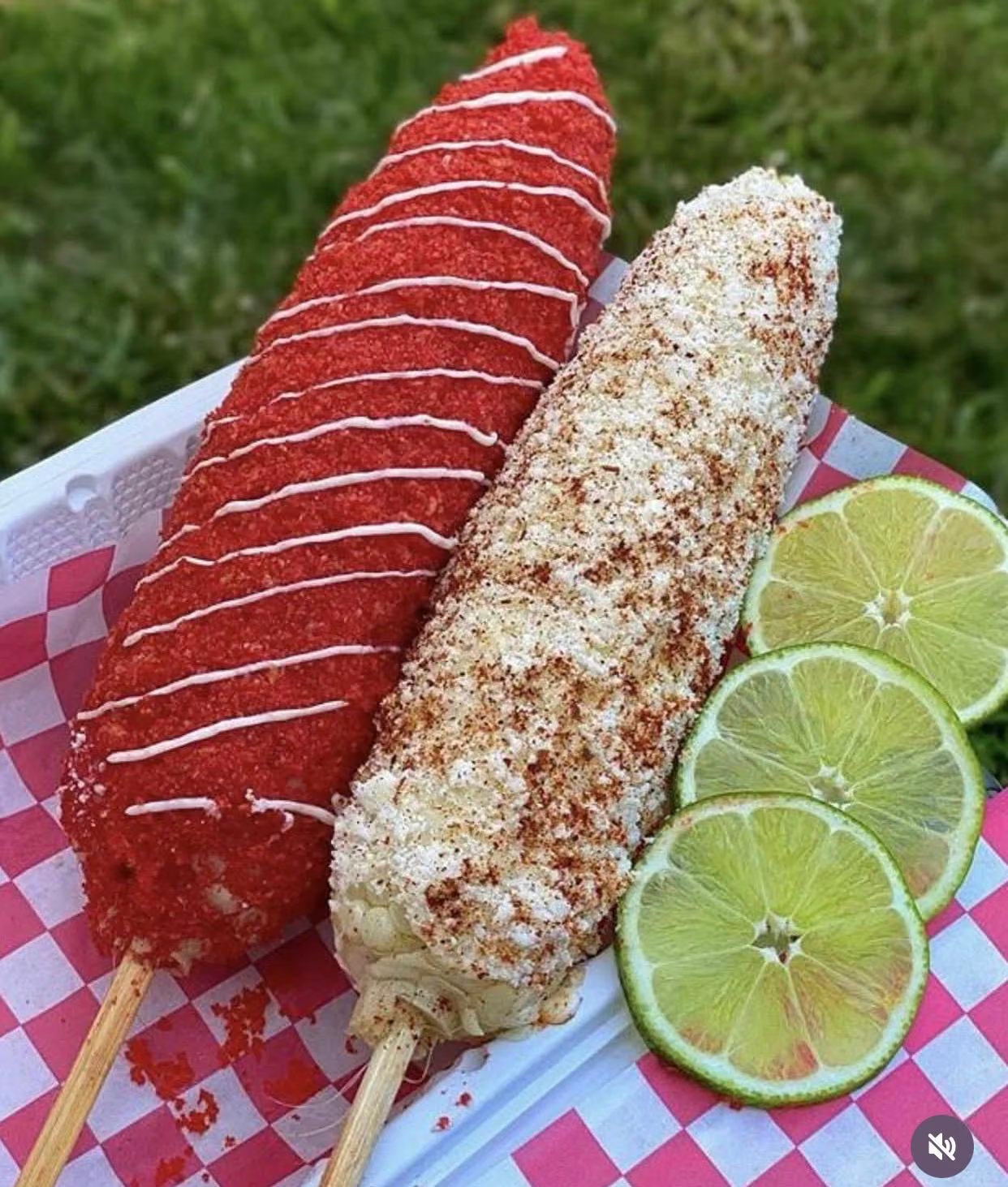
Tostilokera, her chuchuería [snack shop] immediately next to her mother’s restaurant, has waffles, coated elote, frappuccino, ramen with nachos, as well as burritos and hamburgers. Looking ahead to things she wants to do in the future, María Jetzabel says, “I would love to extend my menu in that ways that have a lot more options for every customer. You know, snacks that can be enjoyed by watching a movie under the stars on a Monday night.”
.avif)
In much the same way that Josefina brings the heat, María Jetzabel’s brings a sense of cool to everything she does. You can see that on a Facebook page she and her husband have set up, where the pair make videos promoting local businesses in Troncones, Majahua, La Boca and Saladita. Why does she do that? It’s simple. “For fun,” she says.

LINKS
Maria Jetzabel Restaurant: https://www.facebook.com/MariaJetzabelTroncones.GRO33
Tostilokera: https://www.instagram.com/tostilokera
Local business videos: https://www.facebook.com/profile.php?id=100067247910463

.avif)
.avif)
%2017.27.38.avif)

.avif)



%2022.56.27.avif)