Eating Cactus
A Primer of Local Prickly Delights
All cacti are succulents, but not all succulents are cacti—and somewhere on the long drive from the border, I learned that some of them are unforgettable.

.avif)





.avif)

%20(Spanish)-2.avif)



The first time I ate cactus wasn’t in Troncones. It was on our drive from New York, in whatever part of northern Mexico we landed in after way too many hours of driving. A weird little town, a weirder little hotel.
For breakfast the hotel served scrambled eggs with something I’d never seen in my life—round, green, meaty, delicate. A flower, but not a flower. A vegetable, but not exactly that either. Cactus buds. Capullos or Chullos. I’ve never stopped thinking about them.

They were tender but sturdy, like a squash blossom with more texture. Slightly tangy, a little floral, and so unexpectedly delicious that I’ve been searching for them ever since. Sometimes I’ll stare at a random cactus patch and spot those unopened buds, wondering how on earth you pick them, without damaging the plant or myself.
Mexico’s relationship with edible cactus goes back thousands of years. Long before wheat, rice, or European vegetables arrived, Indigenous communities relied on what the cactus provided: pads for everyday meals, fruits for drinks and sweets, buds and flowers in spring. Cactus wasn’t unusual—it was practical, abundant and part of the landscape. It still is.
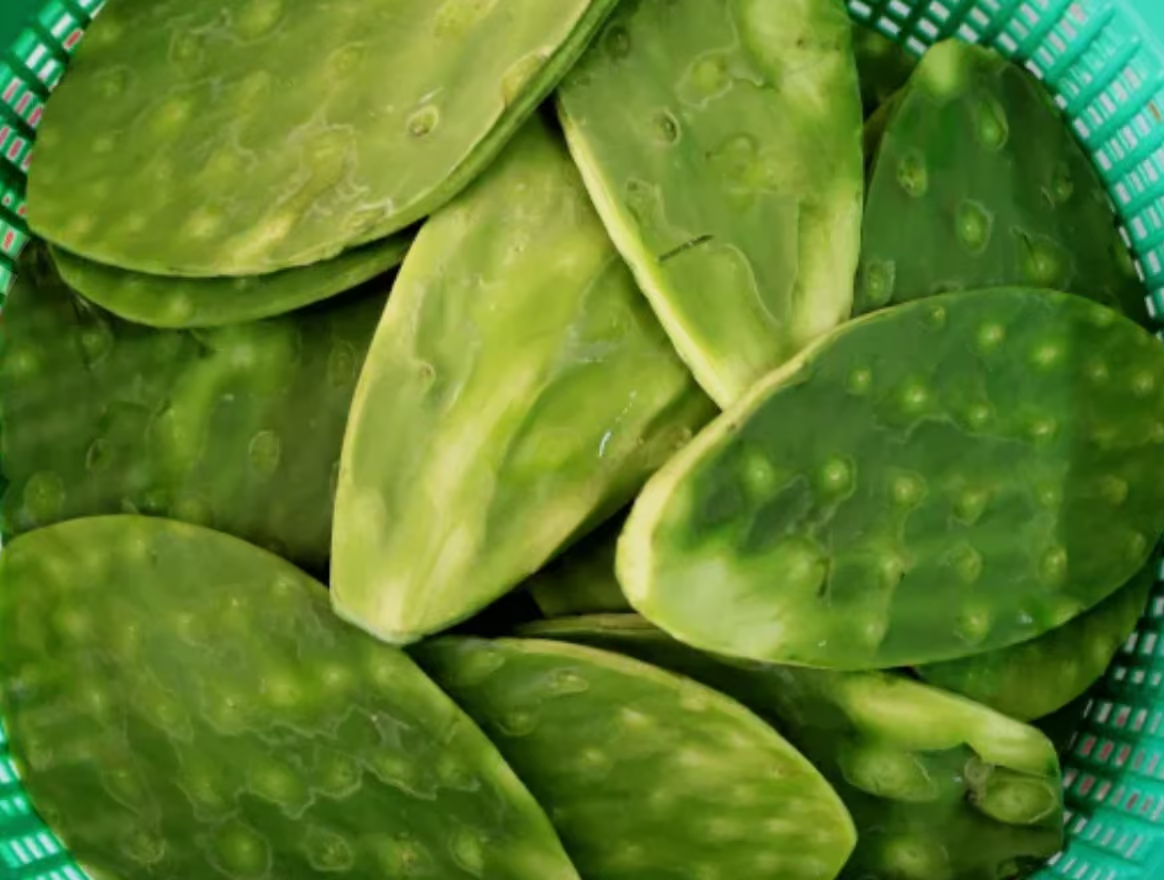
Here on the coast, our edible-cactus world is simpler than in the high northern deserts. We mostly rely on three things here—young nopal pads, seasonal prickly-pear fruits and verdolaga, a succulent cousin that isn’t a cactus but belongs to the same drought-tolerant family.
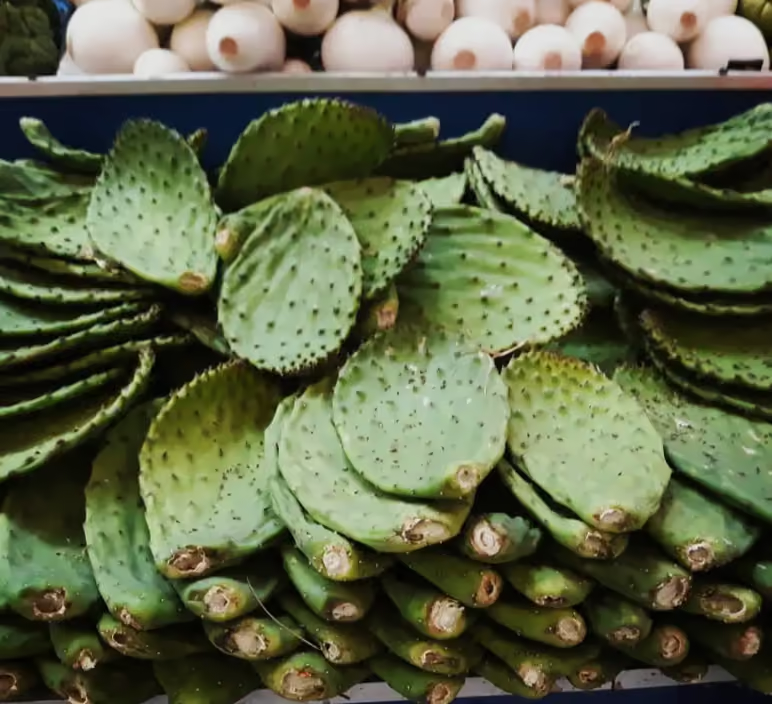
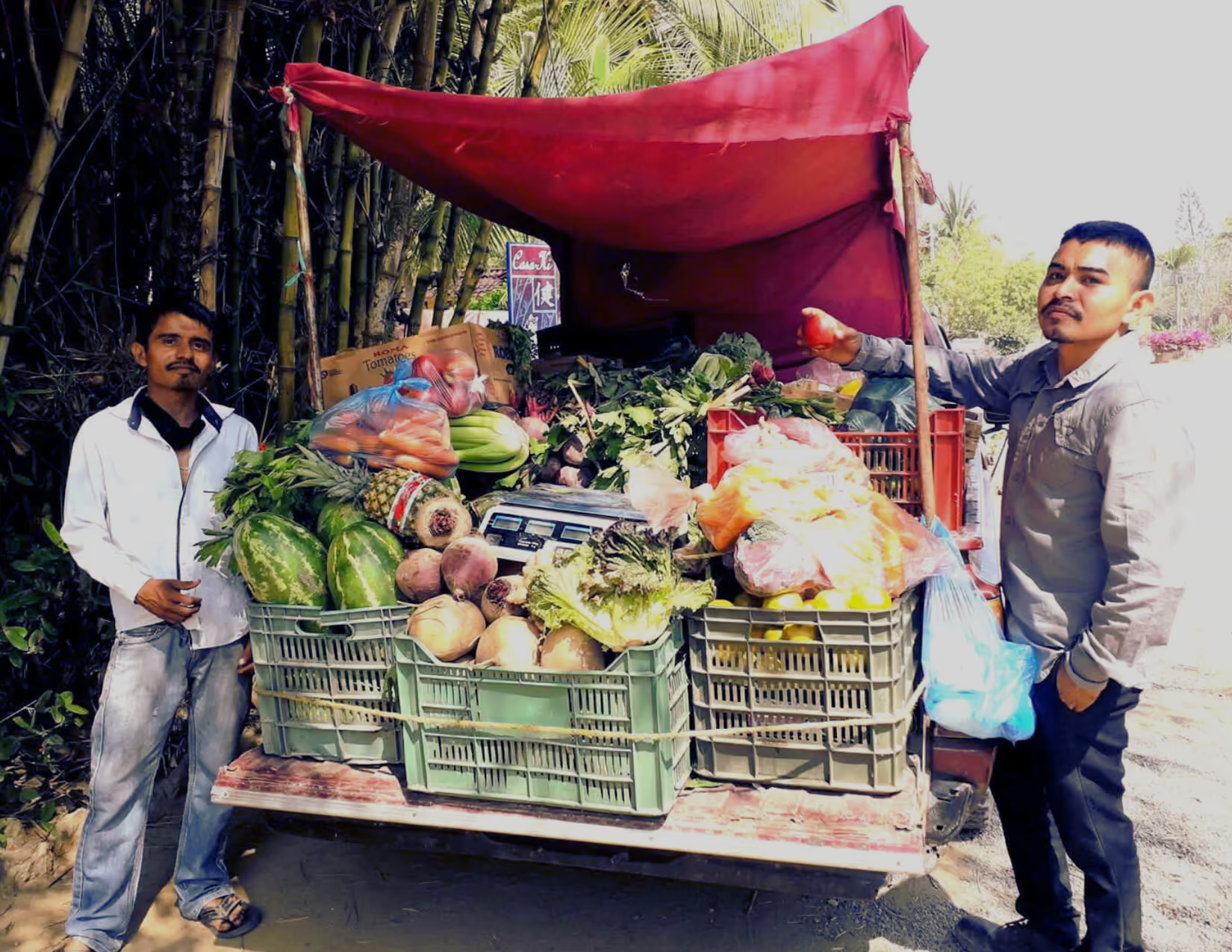
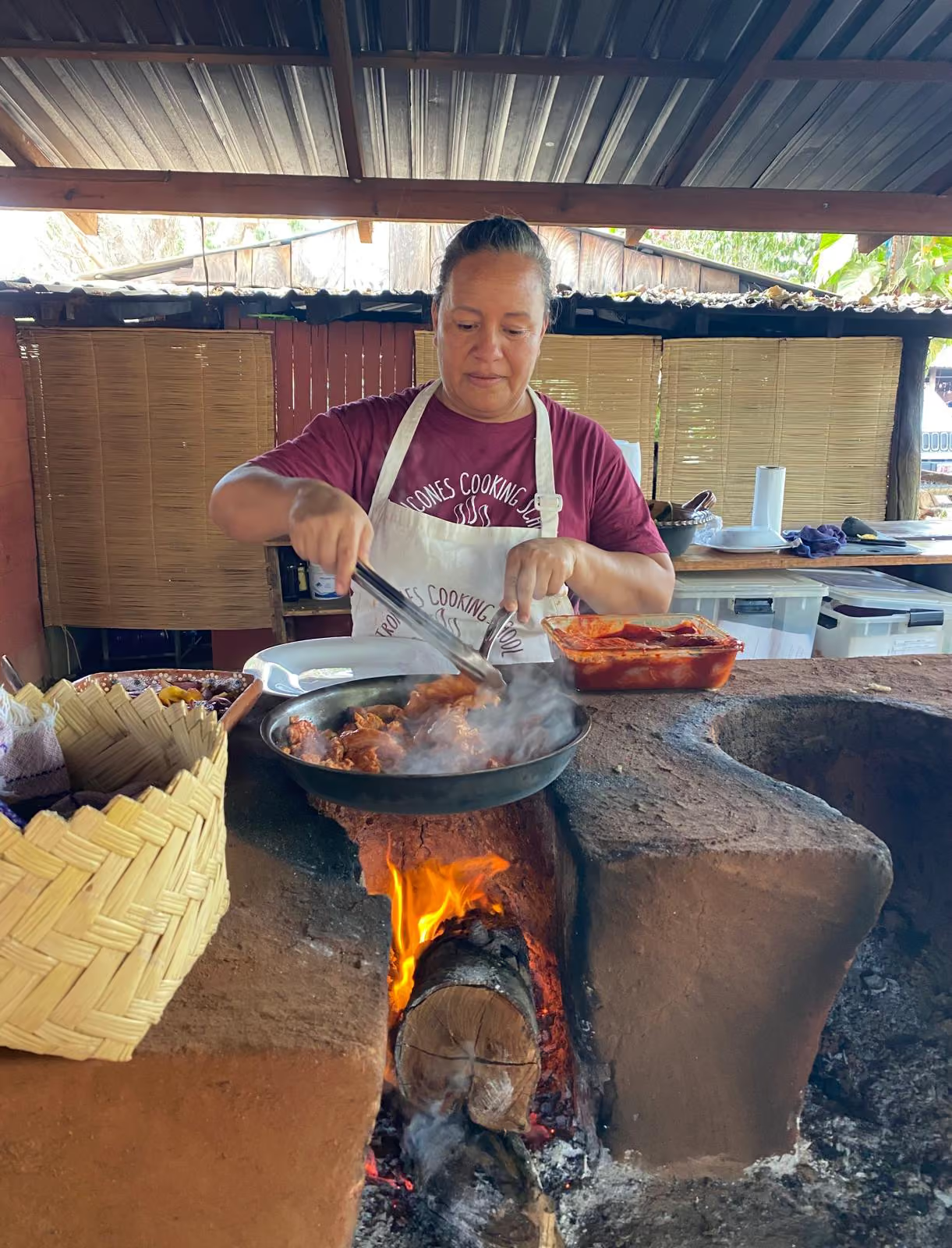
Nopal is the everyday cactus. People harvest the pads early, when they’re tender. A small knife cuts them free, and the spines are shaved off (by those who know how, in practiced, confident motions). Once cleaned, the pads are rinsed and cooked in the ways everyone here knows—grilled on the comal [a flat pan], diced into huevos, tossed into a fresh salsa, or simmered gently.
The flavor is mild, bright, a little citrusy, and instantly recognizable.
Prickly-pear fruits, known as tunas, show up later in the year. They’re twisted off with long poles or gloved hands, and their tiny glochids [hair-like spines] are brushed off before the fruit reaches the market. Inside they’re sweet, cooling, and full of soft-crunch seeds.

Sometimes the markets carry pitaya—dragon fruit—which also comes from a cactus. It grows inland on climbing cacti and makes its way down to the coast through farmers and vendors. Not coastal, exactly, but familiar enough to be part of the rhythm.

Verdolaga appears after the rains, in gardens and empty lots. Soft, lemony, and easy to cook, it fits into guisados naturally. It’s been part of Mexican cooking for centuries, even if no one calls it a succulent while chopping it.

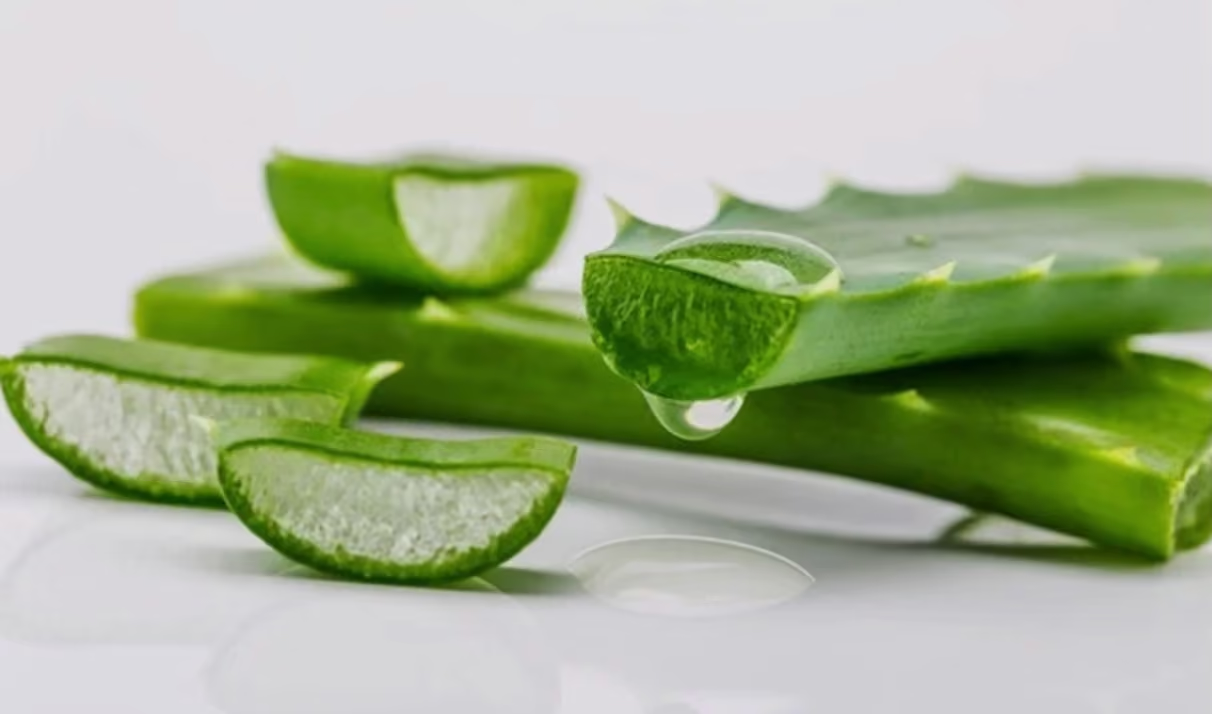
Aloe also isn’t a cactus, but it grows everywhere on the coast—in yards, near kitchens, outside small farms. It’s another water-storing plant people rely on. Here it’s used mostly as medicine: the clear inner gel blended into aguas or rubbed onto sunburns and small cuts. Technically edible, but not something you sauté or tuck into a tortilla.
Nopal. Tunas. Pitaya. Verdolaga. Aloe. These plants have two cousins—maguey and agave—who, like aloe, aren’t part of the daily kitchen. Maguey and agave line our roads, fill our gardens and anchor dry hillsides. Troncones has plenty of varieties—blue, green and grey rosettes. People here mostly grow them for the look, though in other regions maguey has been food for thousands of years: roasted hearts, sweet young flowering stalks, leaves used to steam meats.
You also see tall columnar cacti with wide white flowers that open at night—striking plants whose fruit is traditionally eaten inland, even if no one around here seems to harvest them today. They’re part of the same long Mexican story of edible succulents, just told more quietly here along the coast.
So eating cactus isn’t dramatic or exotic. It’s practical, rooted, and everyday. It’s refreshing nourishment from plants that thrive in heat, survive with little water, and slip easily into breakfasts, salsas, and guisados. But every time I pass a comal piled with nopal or a roadside bucket of tunas, I still think about that breakfast on the drive down—the cactus buds I didn’t know existed and haven’t found again. A reminder that even familiar plants still have surprises.
NOPAL FOR BEGINNERS
A simple way to cook cactus pads at home.
- Buy young, cleaned nopal pads.
- Slice into thin strips.
- Rinse well to reduce the natural gel.
- Place the strips in a dry pan with a pinch of salt.
- Cook over medium heat until the gel evaporates and the nopal turns deep green, about 8–10 minutes.
- Add a little oil, chopped tomato, a bit of onion, and a serrano or jalapeño if you like.
- Cook until everything softens.
- Finish with lime and cilantro.
Serve with eggs, in warm tortillas, or as a simple side.





.avif)
.avif)


%2017.27.38.avif)


.avif)




%2022.56.27.avif)