It Wasn’t a Monkey
Those cute little creatures you see running across the road at all hours are a type of raccoon, and they’re usually up to no good
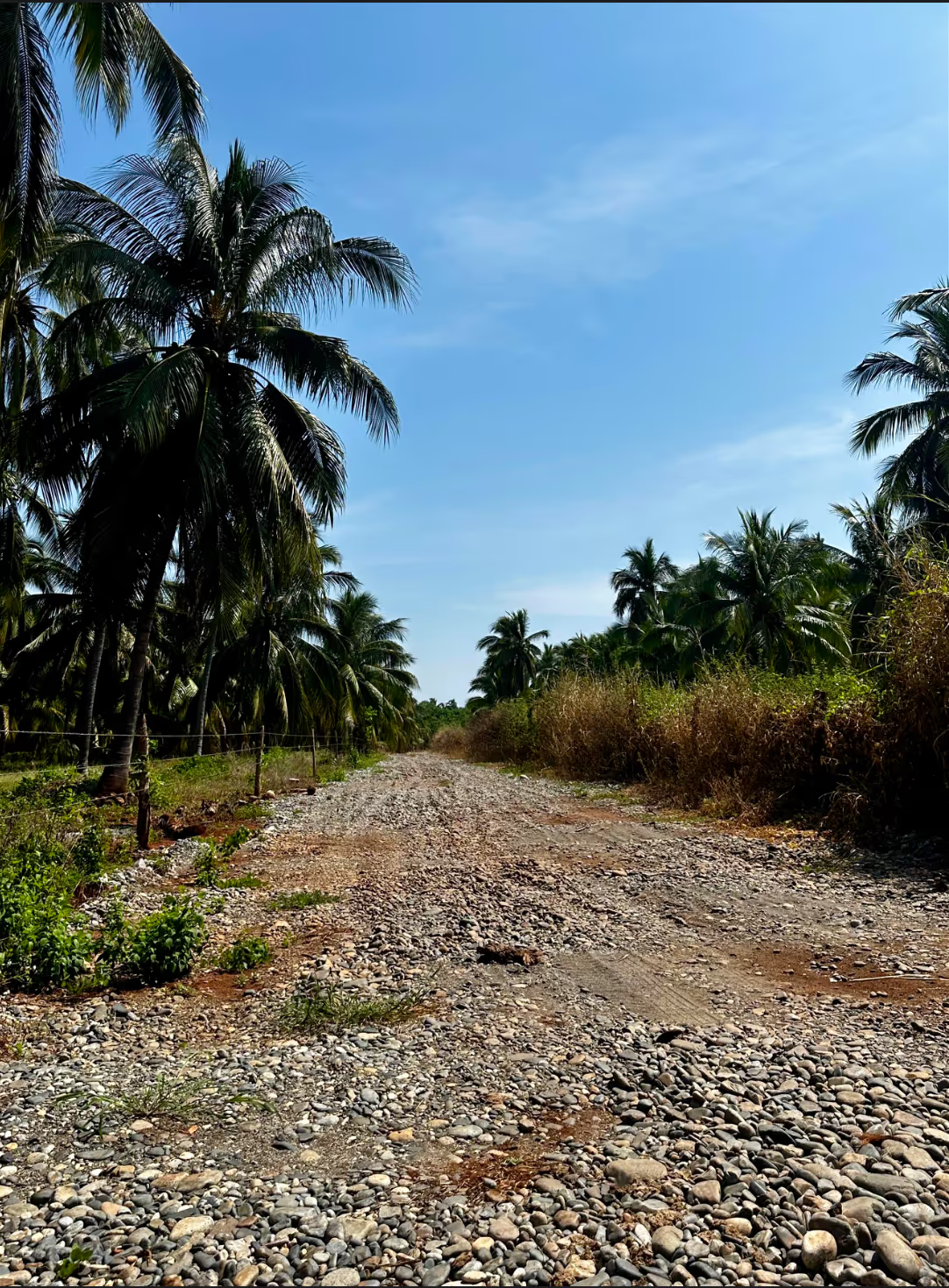
Every season someone tells me, with complete confidence, that they’ve seen monkeys in Troncones. A long tail, a whole troop crossing the road, one of them halfway up a tree. I’ve had this argument more times than I can count, usually with someone who is absolutely sure what they saw. The fact is, there are no wild monkeys on this coast. Mexico’s three native primates live in the southeast, in the rainforests of Veracruz, Chiapas, Tabasco, and the Yucatán. What they saw was a tejón.

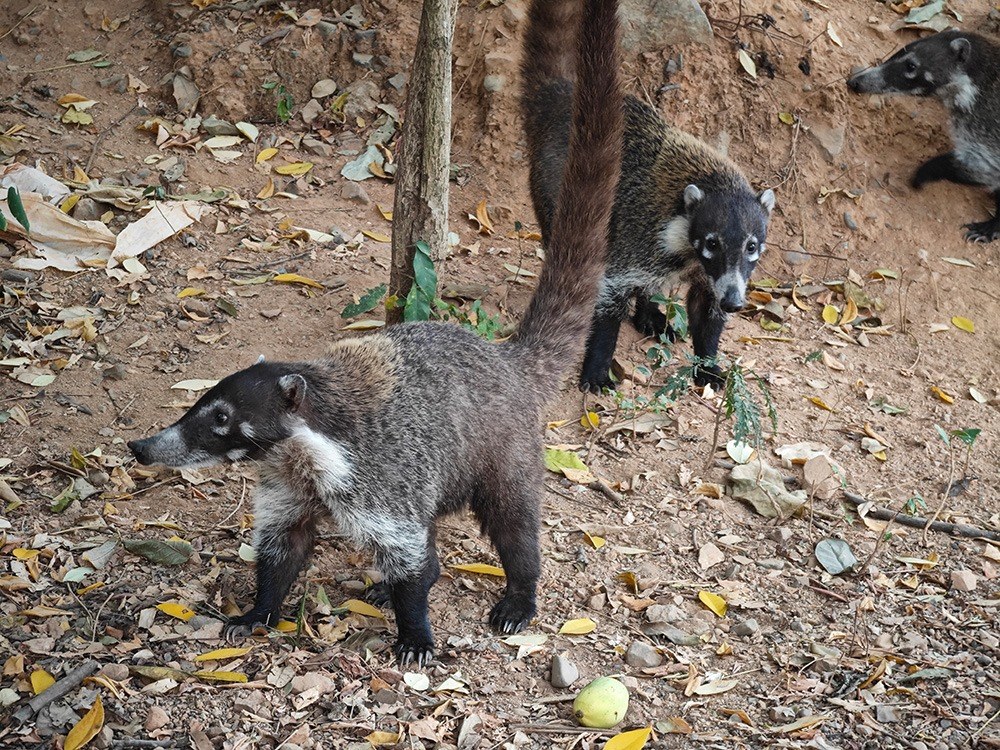
















The tejón is the white-nosed coati, a member of the raccoon family. Known in scientific circles as Nasua narica, the tejón has a long, flexible snout with a white muzzle, a lean dark body, and a tail as long as the rest of it, which it carries straight up like a flagpole when it moves. It climbs well, too. Its ankles rotate far enough that it can come down a tree headfirst. In Spain, tejón means badger, which this animal isn’t. The Spanish had a habit of naming New World animals after the closest thing they knew from home, a habit that turned the jaguar into a tigre.
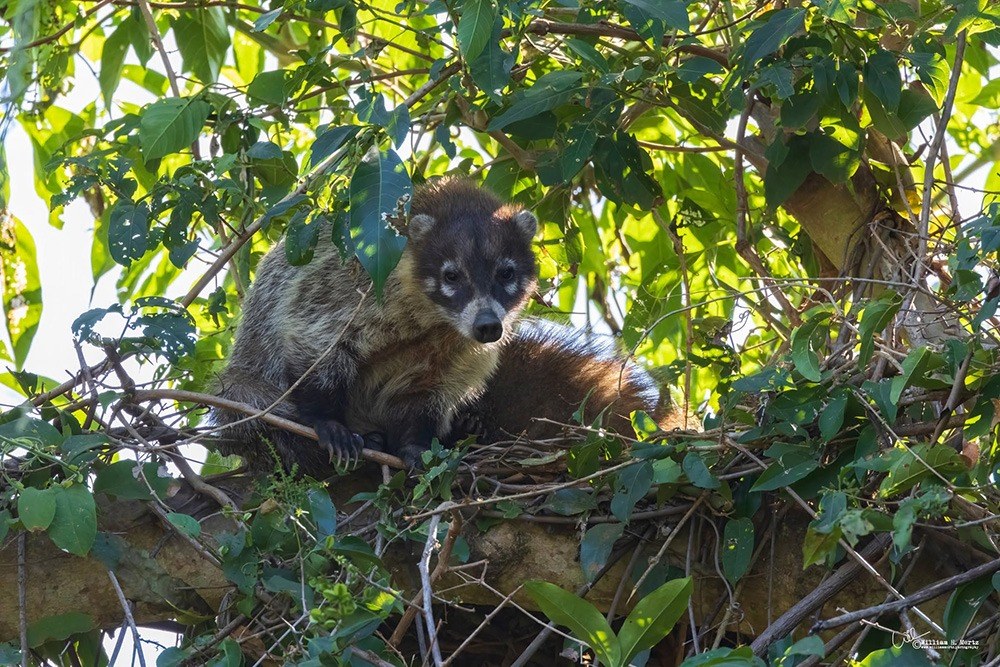
Tejones travel in bands—females and their young—sometimes twenty or more, nose down and tails up, working through leaf litter for insects, lizards, fruit, and whatever else they turn up. A band keeps in touch with constant chatter, a running commentary of chirps, grunts, and squeals. You’ll often hear one before you see it.
The males don’t stay. At about two years old they leave or get pushed out, and they spend the rest of their lives alone, except for a brief, tolerated visit during the mating season. Then the females chase them off again. Out on their own they get big, noticeably bigger than anything in the band. That’s the tejón solitario [the solitary tejón]. Early biologists were so thrown by the lone males that they described them as a separate species. Indigenous people in Brazil worked out the distinction long before that. Coatimundi, the old English name, comes from a Tupi word for the lone male. Two languages, a continent apart, looked at the same animal and gave it the same name.
What makes a tejón a nuisance is the same thing that makes it interesting. It’s curious, it’s clever, and it has hands that are a little too good. The tejón will open drawers and cabinets, pry the lid off a box, and take a trash bag apart like it’s been following instructions. At the hotel, any plate left on a table for more than five minutes is a plate a tejón considers abandoned. They run across the road along Manzanillo Bay at all hours of the day, because unlike most of our mammals, tejones work during the day.
We have raccoons too, the mapache, with the black mask and the ringed tail. They’re stockier, mostly nocturnal, and seen far less often. If it’s broad daylight, and there are a dozen of them, it’s tejones.
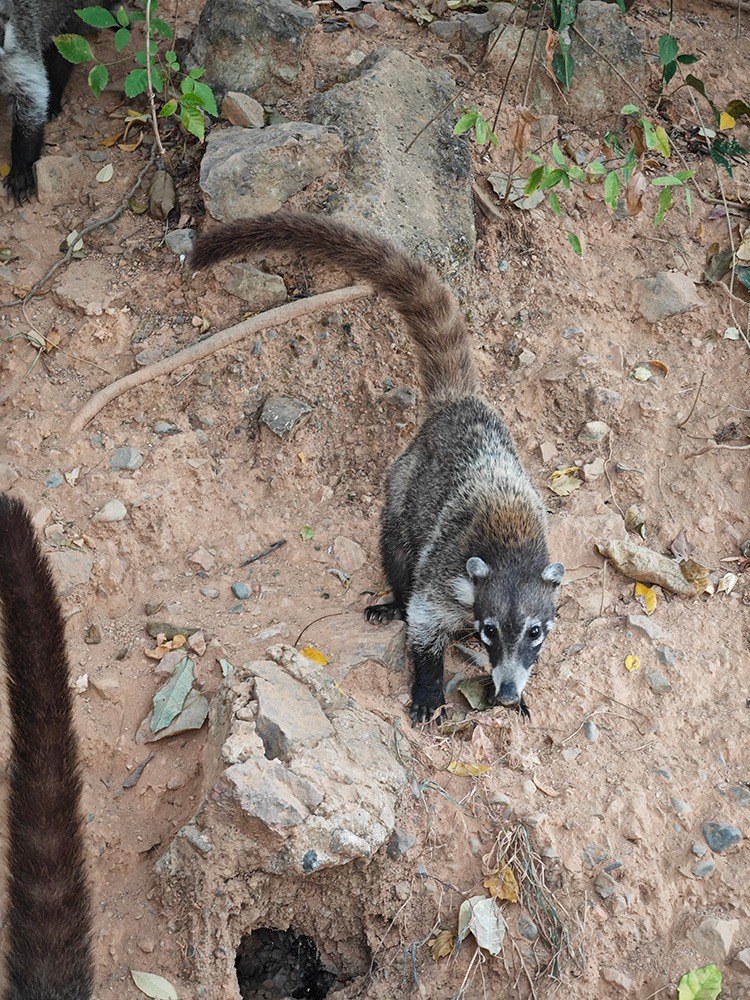
DON’T FEED THE TEJÓN
Please don’t feed them. I know how it goes. On the bike path in Ixtapa, a band will walk right up to you, look you in the eye and wait. It’s hard to say “no”. But a fed tejón loses its fear of people and then it loses its manners. Those claws are built for digging, and when the handouts stop, they get pushy and sometimes they bite. Feeding also changes the neighborhood. A study on tourist trails in Costa Rica found that coatis living on trash and picnic lunches grew in number and hit bird nests along the trails much harder. A free sandwich for a tejón can cost a local habitat a lot of eggs.
And don’t keep one as a pet. A baby tejón is adorable, and that lasts about a year. Then it’s a strong, restless, sharp-clawed animal that wants to take your house apart to see what’s inside. The males in particular can turn aggressive as they mature. Most pet tejones end up chained, caged, or dumped somewhere they don’t know how to survive. Nobody wins that one, least of all the tejón.
So, the next time someone tells you they saw monkeys in Troncones, let them finish the story. It was a tejón, and it was probably running off with something.