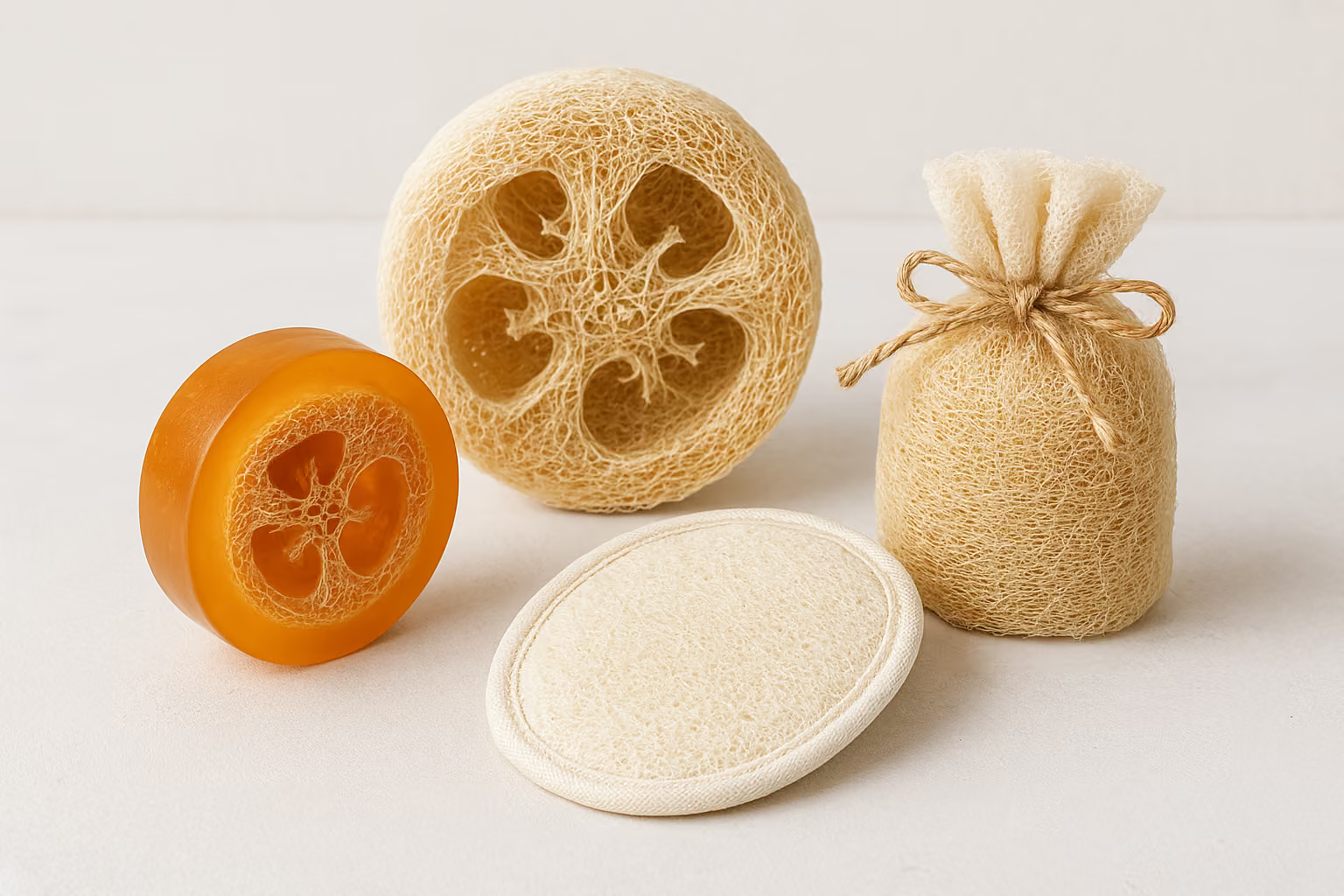
Not from the Sea: The Story of the Loofah Vine
A who-knew from our favorite nature writer
If you’ve ever scrubbed your back with a loofah and imagined it came from the ocean—think again. The loofah (or luffa) isn’t a sponge from the sea, but a gourd from the garden.

.avif)





.avif)

%20(Spanish)-2.avif)





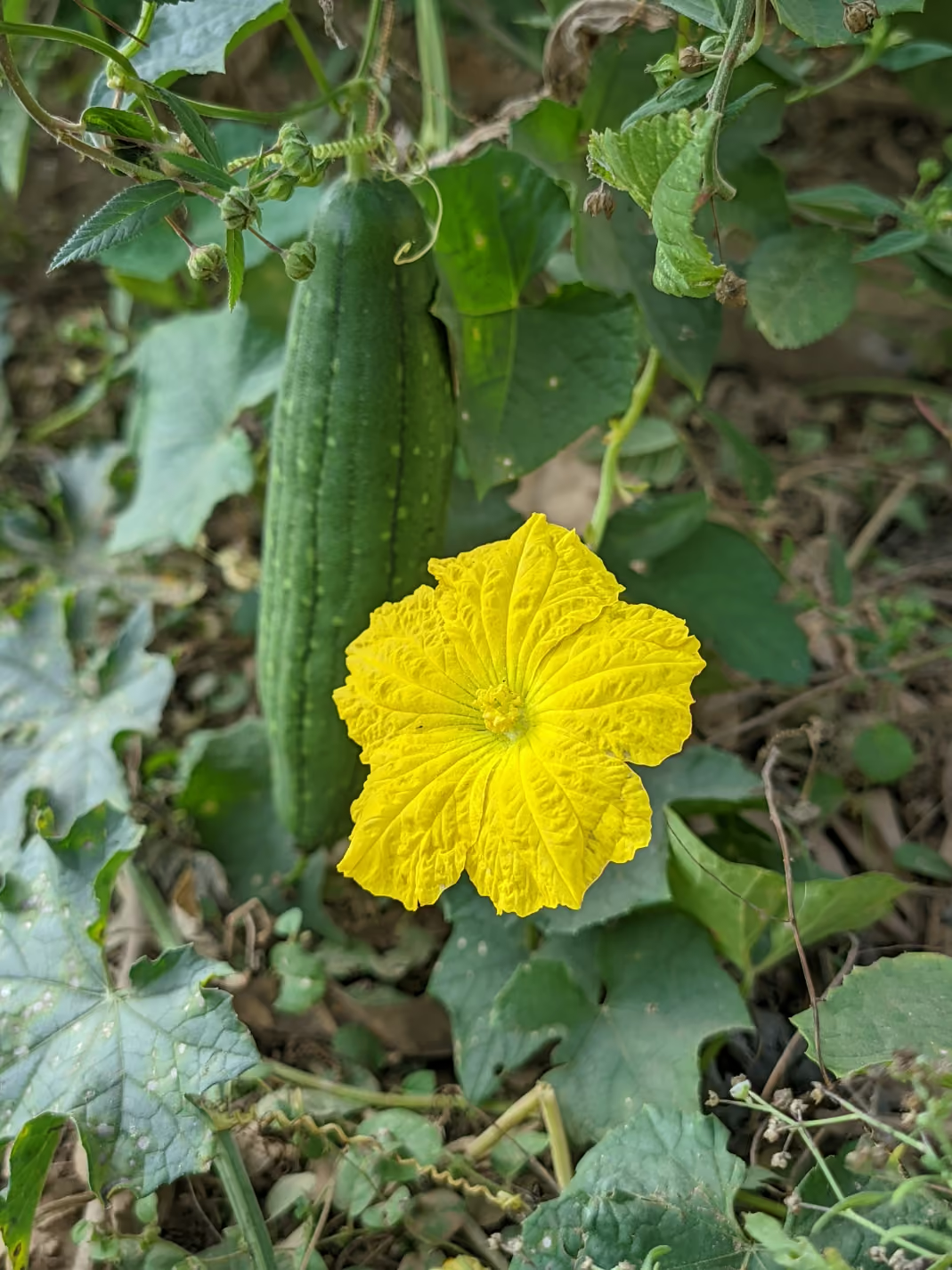
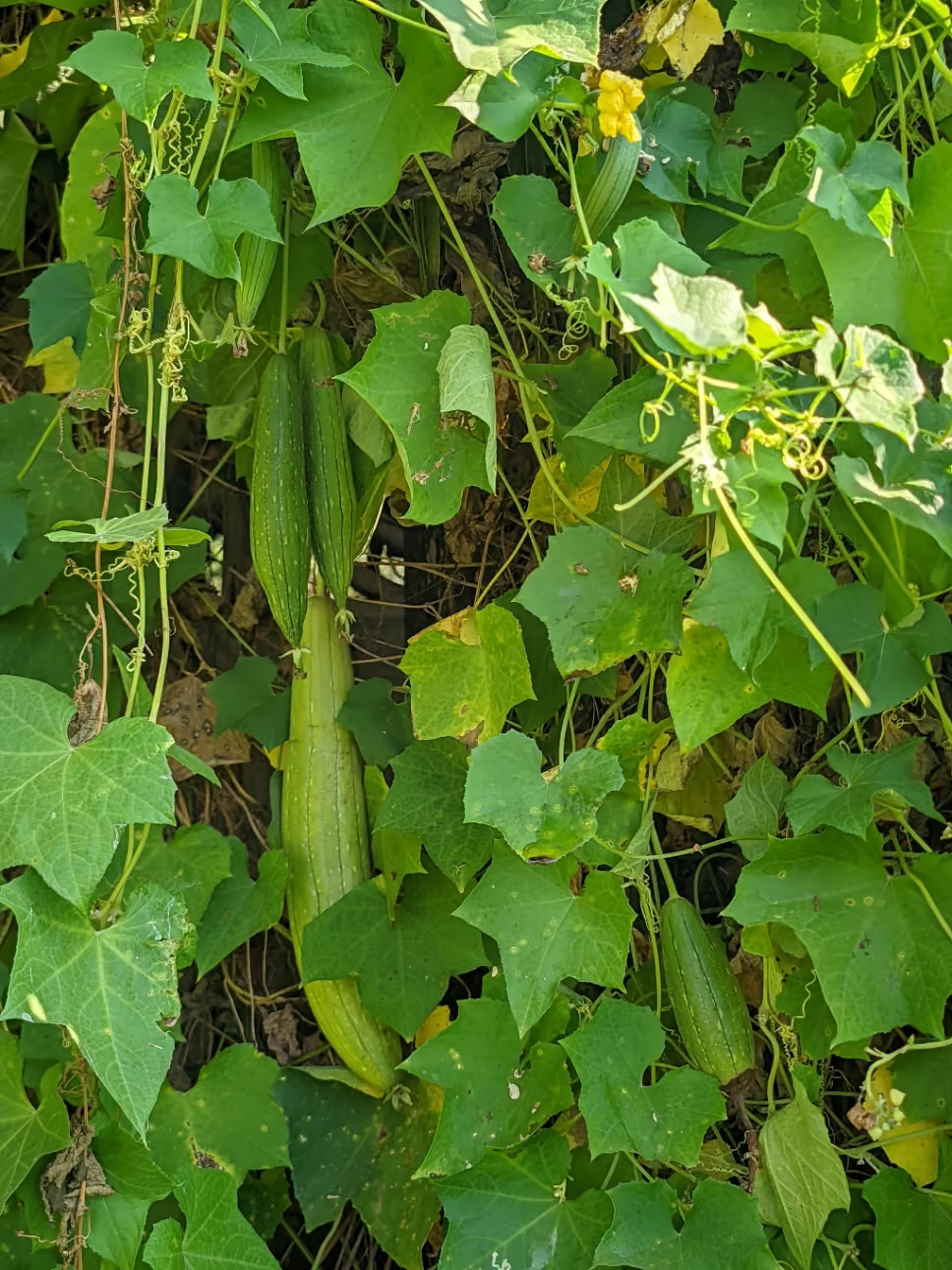
Originally native to Asia, loofah vines were introduced to Mexico centuries ago. They adapted well to the climate and now grow wild in much of the country—including right here in Troncones. You’ll see them climbing fences, wrapping around trees, or dangling long, ridged fruits like nature’s version of zucchini on steroids.
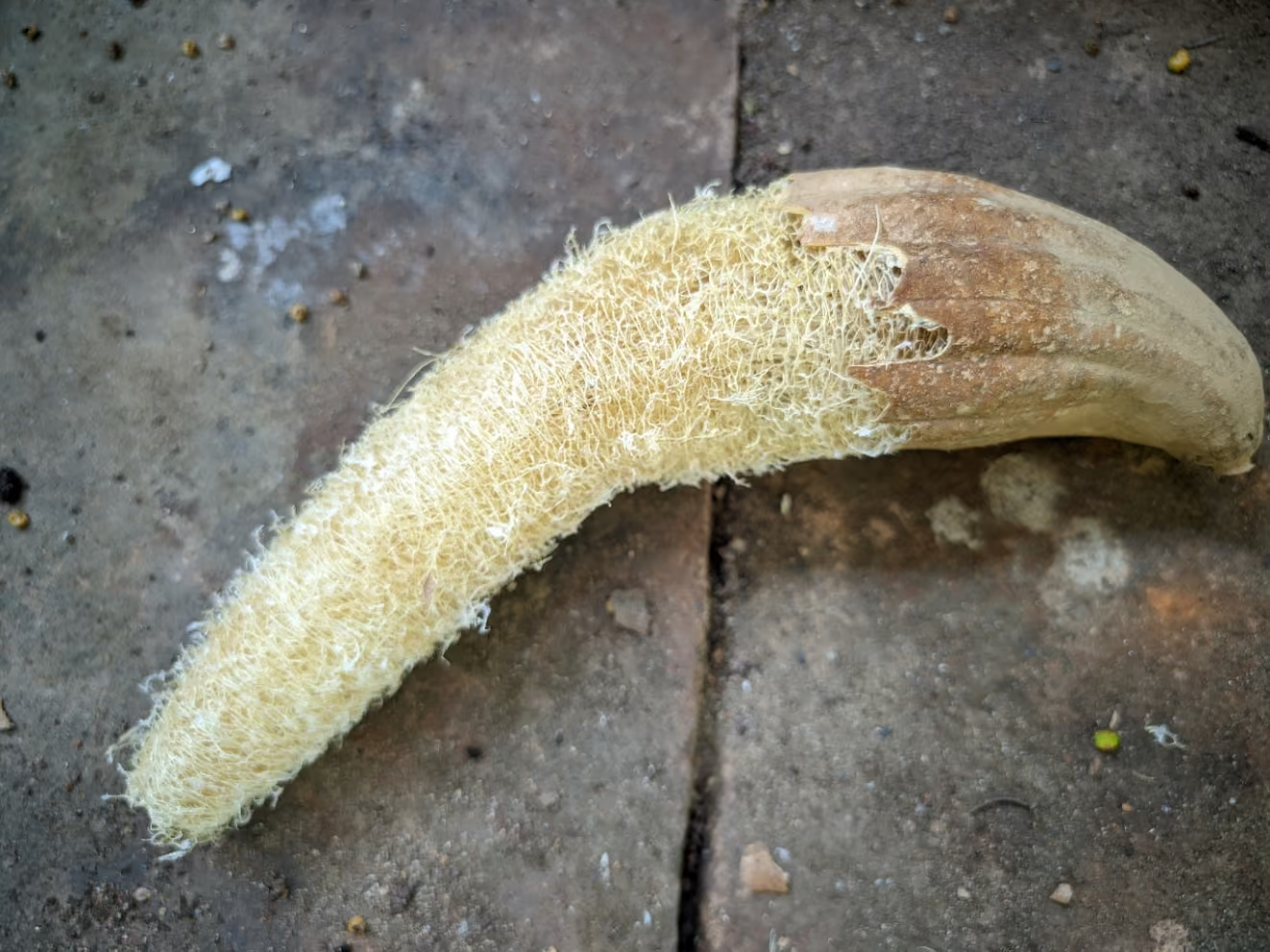
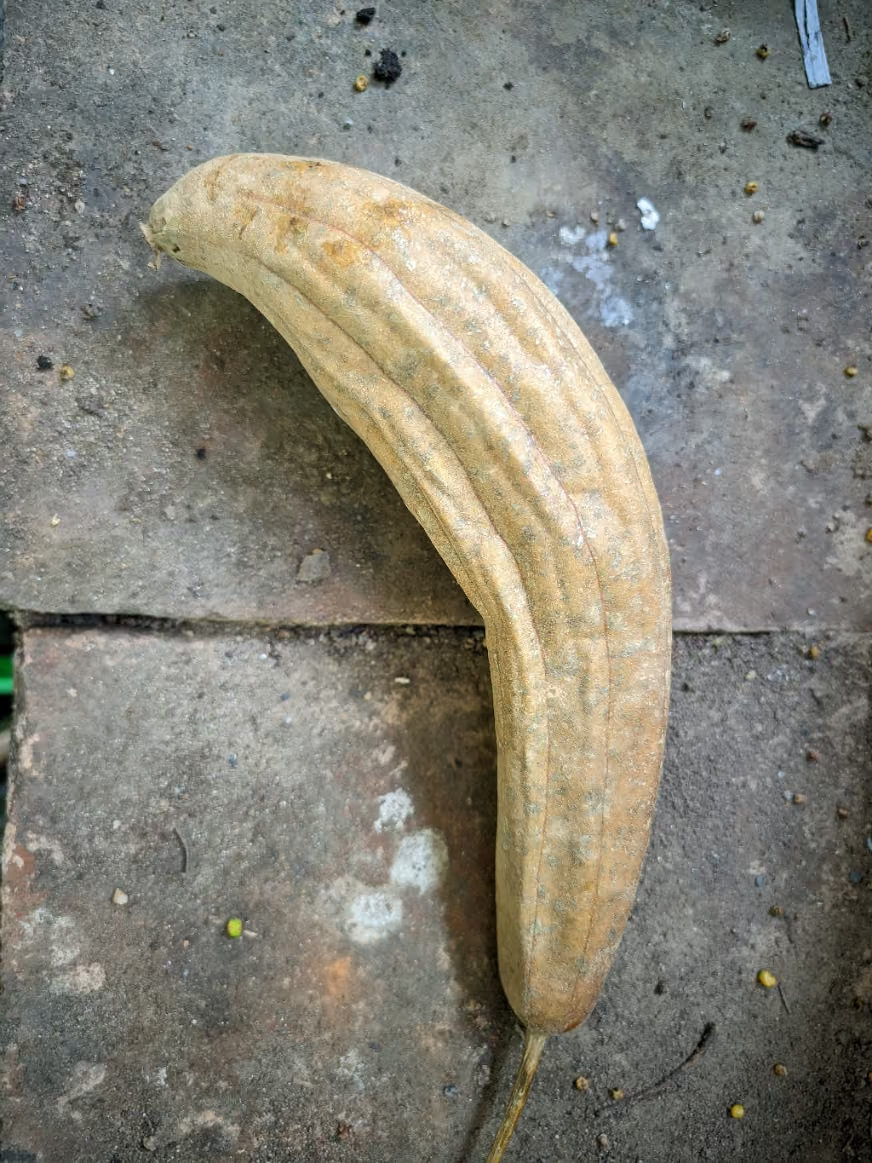
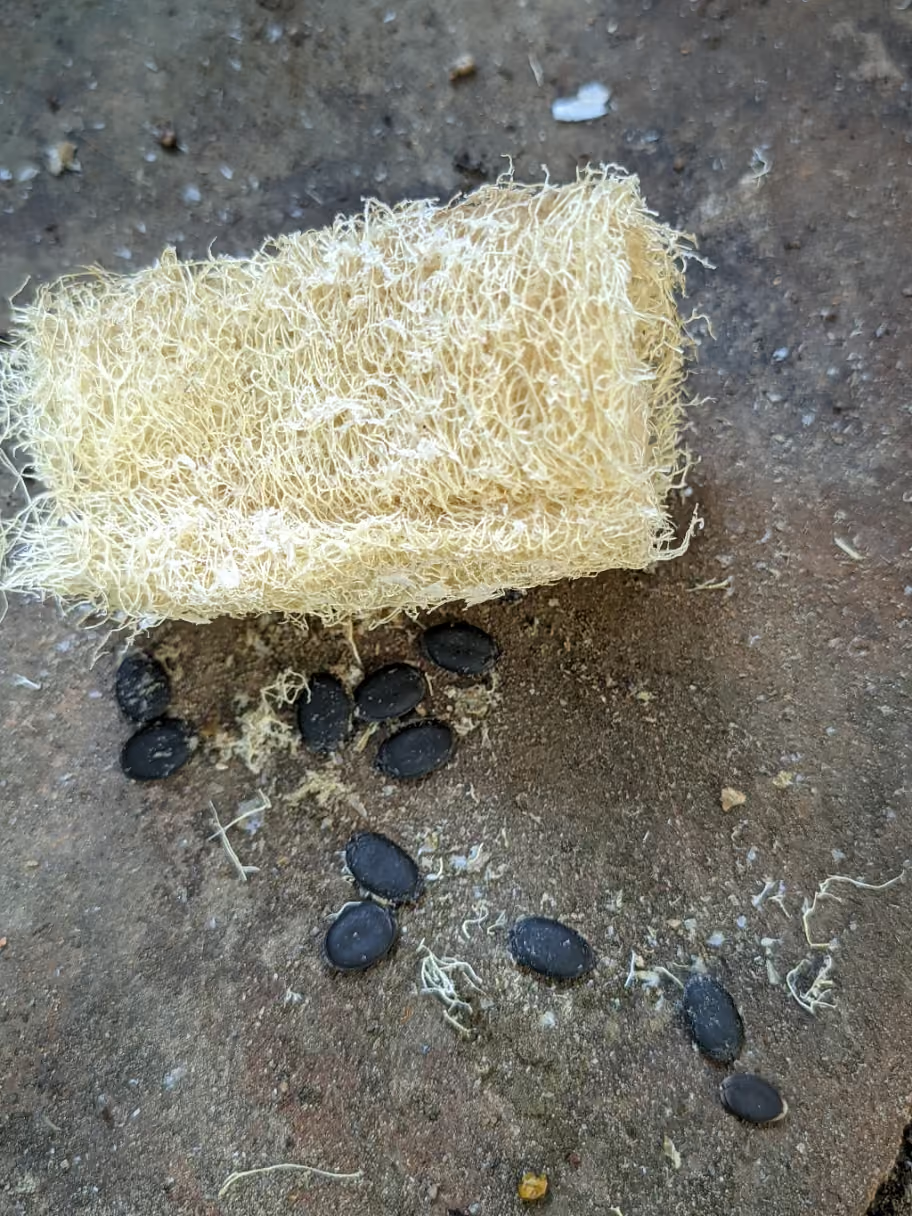
When young, the loofah fruit is edible—mild, slightly sweet, and used like a squash. But let it mature, dry, and peel it open, and you’ll find the familiar fibrous skeleton inside. That’s your scrubber, straight from the vine.
Locals sometimes grow them for food, sometimes for sale, and sometimes just for fun. They're hardy, fast-growing, and require little care. Once you’ve planted a few seeds, you’ll likely be sharing loofahs with the neighbors before long.
So next time you hold one in your hand, remember: not a sponge, not from the sea. Just one more immigrant that found a home in Mexico—and thrived.