
TAMAKÚN; THE MAN WHO WALKED WITH CROCODILES
A Zihua Legend Remembered
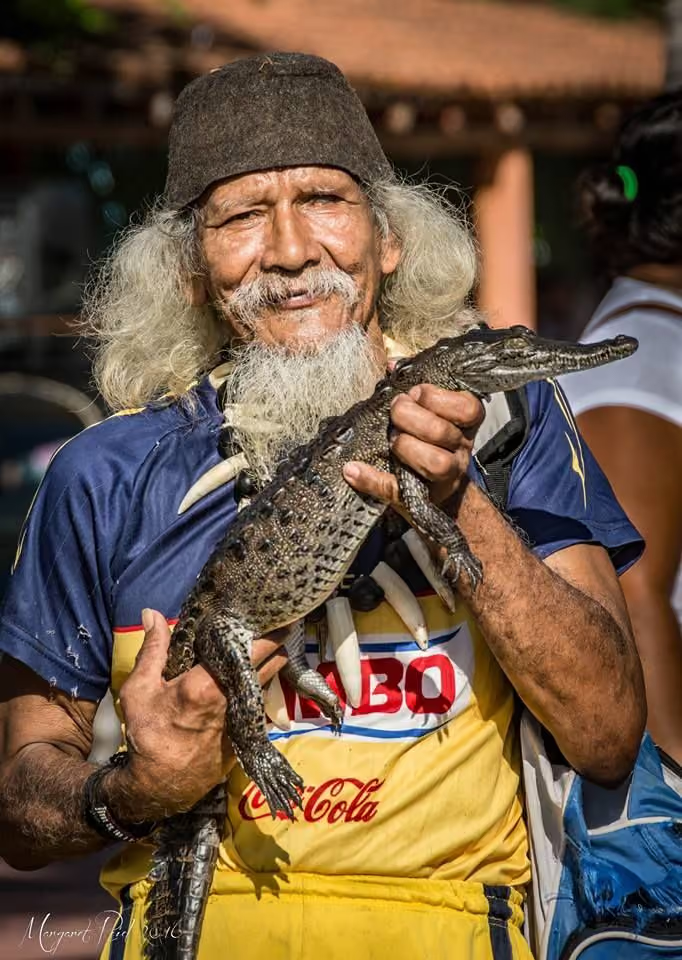
In the heart of Ixtapa‑Zihuatanejo, where the mangroves meet the lagoon and the birds wheel over the water, one name has been impossible to ignore: Tamakún. Born Roberto Piza Ríos in Guerrero and raised in Atoyac, Tamakún has been known across the coast not as a bureaucrat or tourist attraction, but as the man who walked with crocodiles—and lived to tell the tale. He passed away on Saturday and will be much missed.
.avif)





.avif)

%20(Spanish)-2.avif)






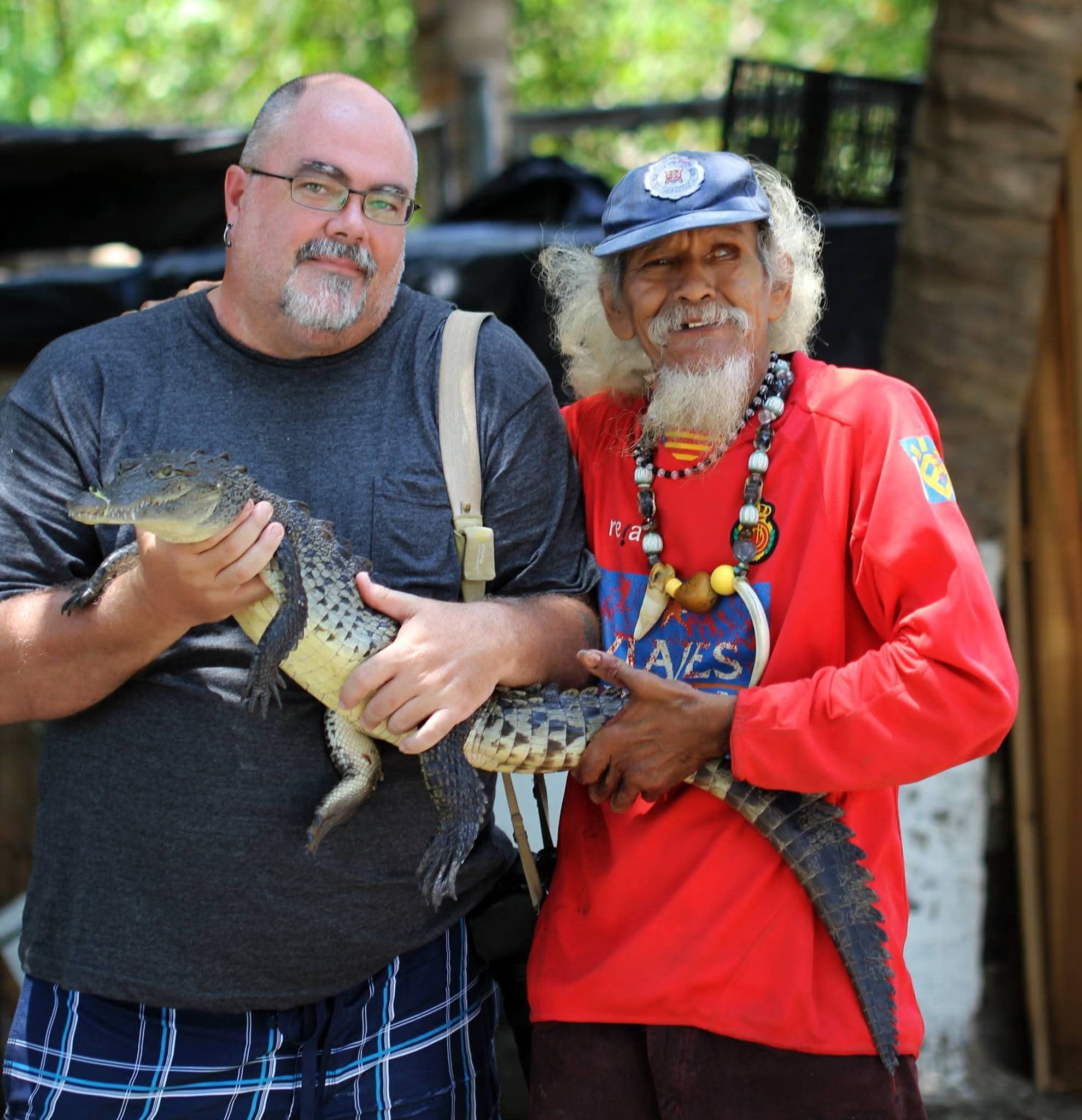
For over four decades, Tamakún devoted his life to the crocodiles of Playa Linda. He wasn’t a formally trained biologist or a government‑appointed wildlife manager—he was a local man whose curiosity and courage drew him into the shadows of those powerful reptiles. Locals and visitors alike would see him moving among them, feeding them, touching them, even resting on their backs in ways no safety manual would ever recommend. Tourists often posed with him and the animals, cameras clicking as he shared anecdotes or let them pet a young croc.
His approach was part performance, part genuine dedication. He named crocodiles after Club América soccer players, carried baby reptiles through town, and became a recognizable figure in Ixtapa‑Zihuatanejo life. The acoustic guitar duo Rodrigo y Gabriela even titled one of their most famous guitar pieces “Tamacun”—a tribute that helped cement his place in the cultural imagination of Mexico.
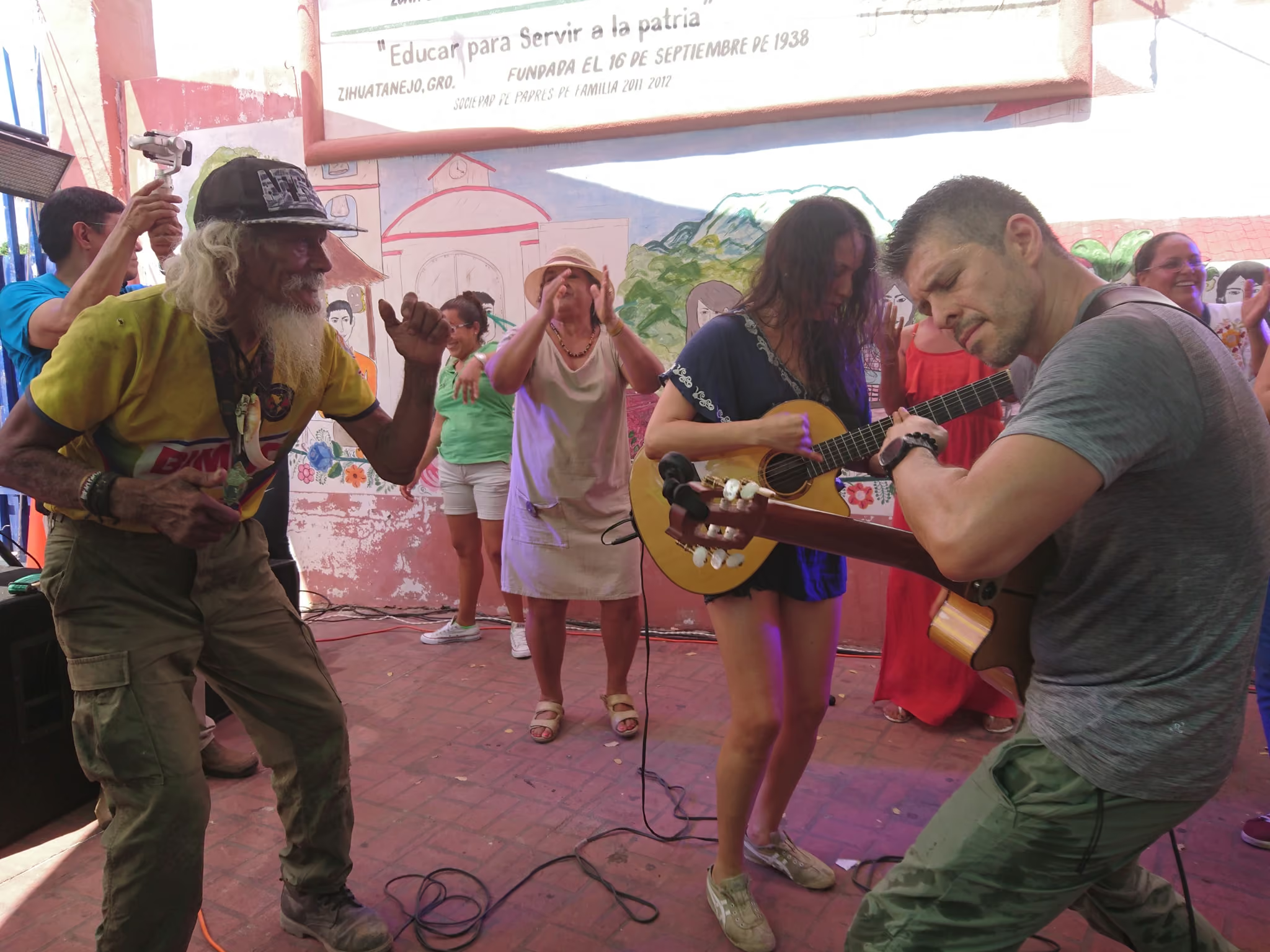
Yet for all the fascination he inspired, the reality of his life was far from glamorous. Tamakún’s work—relocating crocodiles that wandered into danger, educating visitors about their behavior, and protecting their habitat—went largely uncompensated by the municipal authorities he effectively served. Friends and community members recall that the local government relied on his efforts without offering formal pay or support, even as he risked his own safety handling wild animals. Stories from community forums suggest he was eventually discouraged from performing for tips when advancing age made his acts dangerous—but the underlying pattern was clear: the man gave enormous service without the institutional backing he deserved.
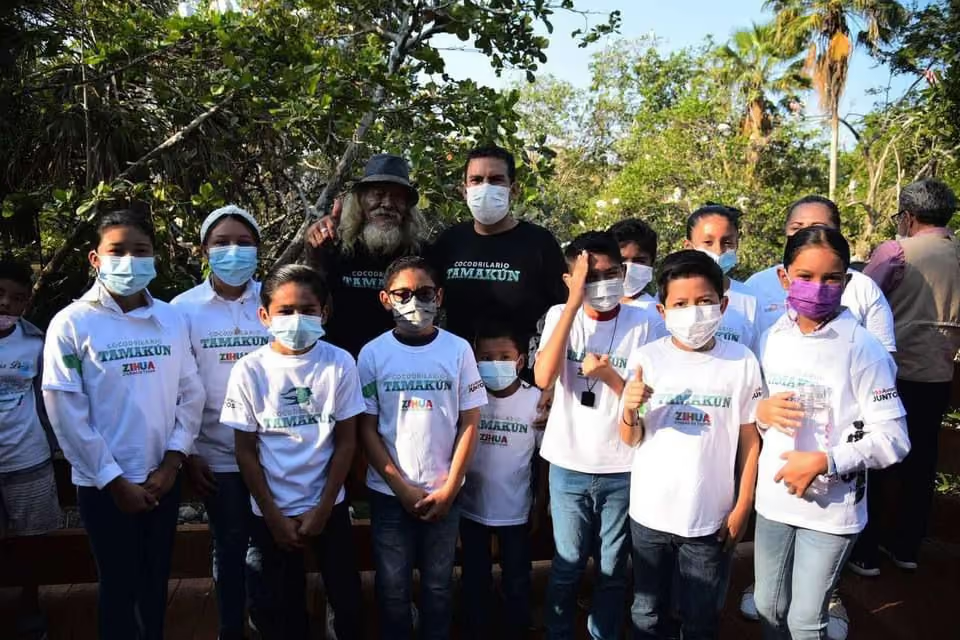
Eventually, the reserve itself was renamed in his honor—a symbolic recognition that arrived too late for the dignity of his everyday life. He lived on a modest pension and occasional donations. The naming reflects the affection the community felt for him, but it also highlights a broader truth: honors after the fact are no substitute for meaningful support in life.
.avif)
To many in this region, he was more than a character on the beach. Parents brought their children to see Tamakún and the crocodiles because he knew the creatures like no other—he understood their quirks, their rhythms, and how to calm the fear they inspired. He was a bridge between human curiosity and wild nature—and in a place where ecosystems are delicate and often overlooked, that mattered.
Tamakún’s story is a reminder that the wild places and the people who steward them don’t always receive equitable support. But it’s also a testament to the kind of quiet legacy that outlives formal titles: a lagoon full of crocodiles that are safer because he refused to ignore them, and a community that remembers his presence long after he walked those paths. In Playa Linda, if you stand still by the water’s edge at dawn, you can still feel the reverence he carried—not as legend, but as someone who showed up, day after day, for the crocodiles others simply passed by.
FROM RODRIGO Y GABRIELA
Posted on Sunday on Instagram
Tamakún, the man who inspired the name of the first single from our debut album Tamacun, passed away yesterday.
He was a remarkable character from Zihuatanejo, deeply connected to nature—especially to the crocodiles of the region. By choosing a life outside the conventional, he found a unique way of connecting with them and of living life on his own terms. That choice, that freedom, is what made him such a singular and unforgettable character.
We didn’t know him well; he was hard to find, and when we did, we often had to remind him of our names again and again. He was a man ahead of his time, someone who never fully adapted to conventional society and instead followed his own path.
Rest in peace, Crocodile Man. We will carry your memory with us on every stage we step onto, in every corner of the world.
Thank you.
/
Tamakún gracias por tu magia y conexión con la naturaleza
Y por inspirarnos a escribir la música para nuestro primer disco
Descansa en Paz
Amigo !
LINK
https://www.instagram.com/p/DS0LW3LCXPQ/

%201.23.41.avif)
.avif)