The 2027 Mexico Surf Film Festival is coming
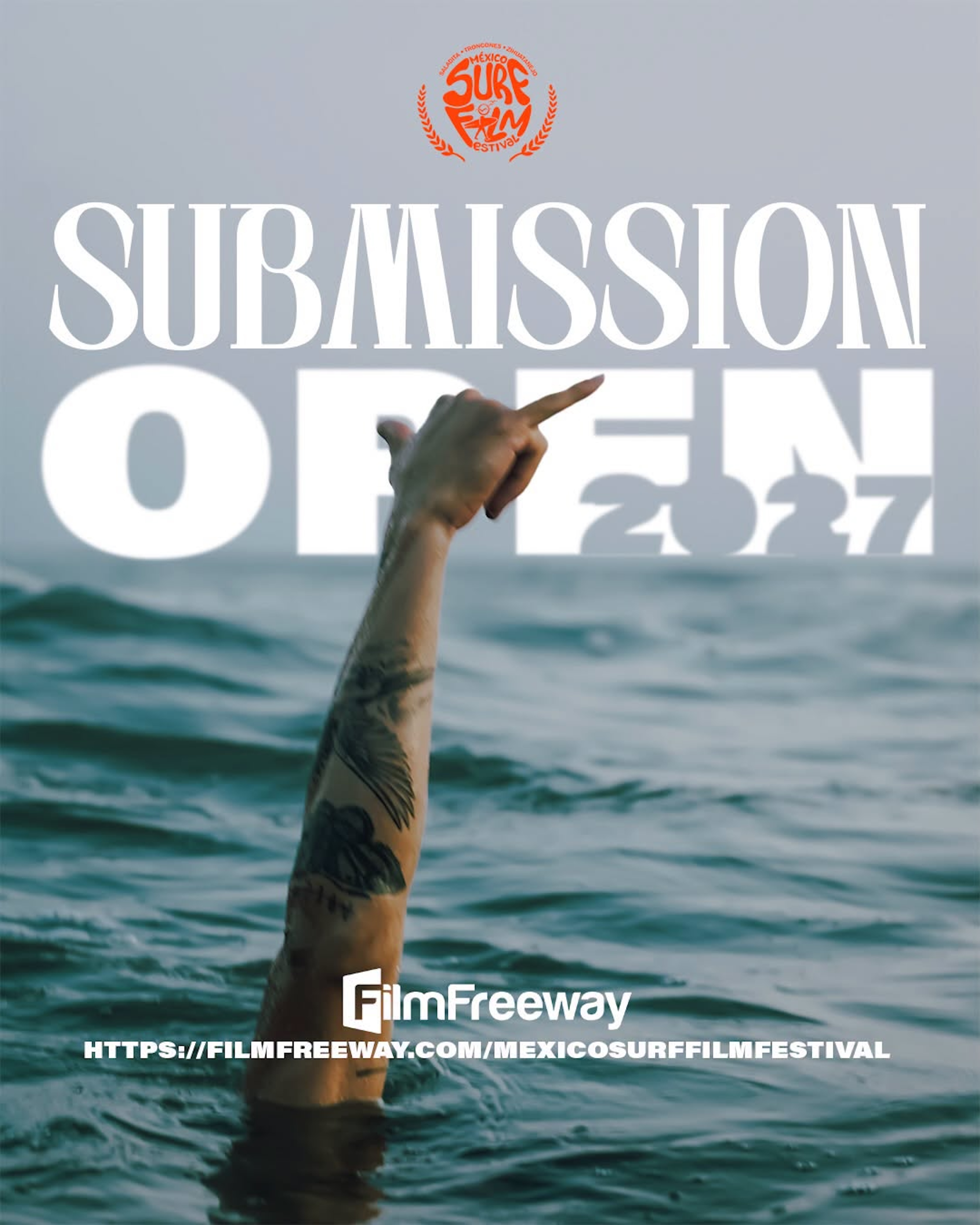
A call for films, and an in-person workshop this week, open up festival activities; screenings are set for Saladita and Zihuatanejo in early March
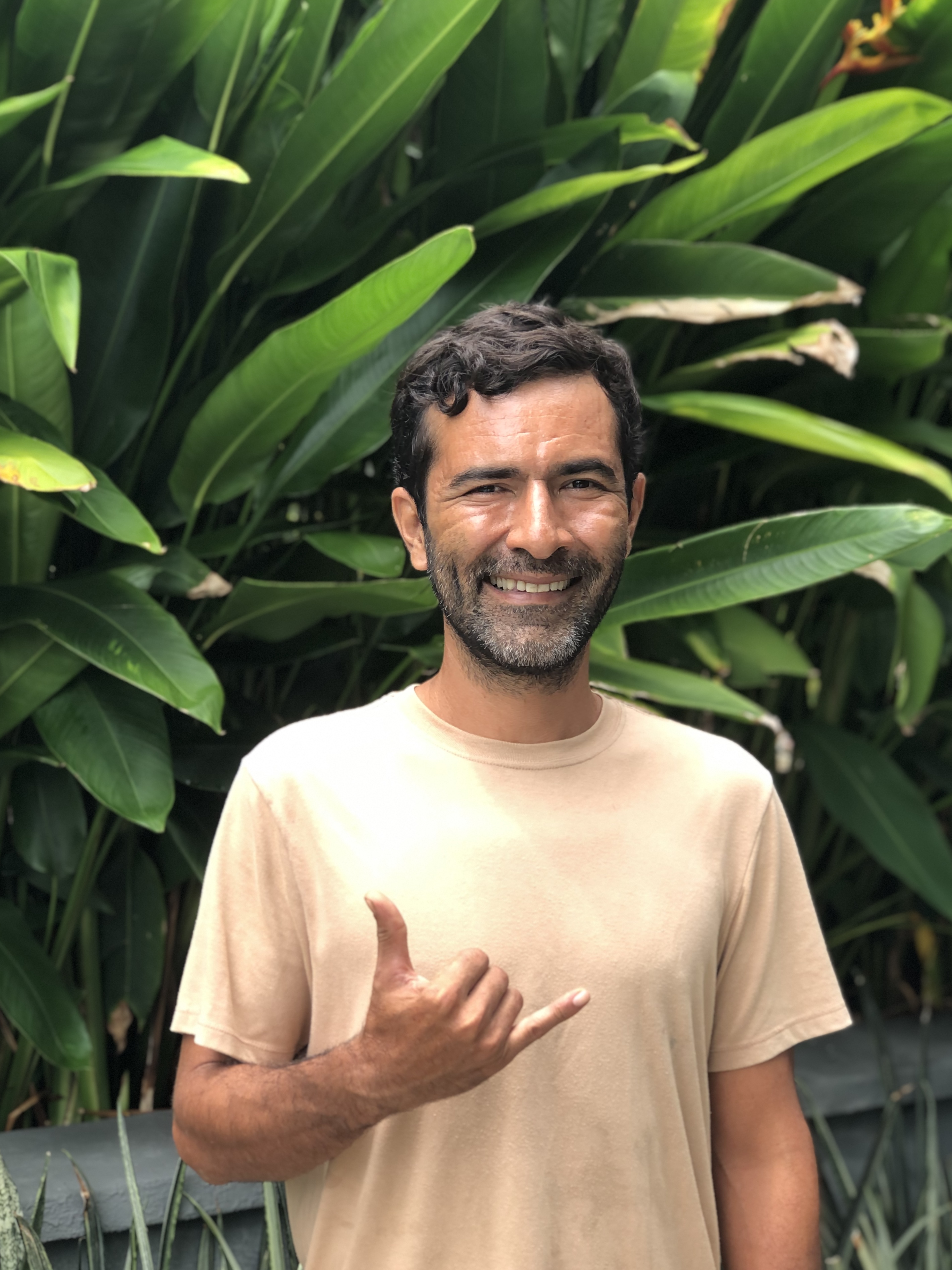
I saw the Mexico Surf Film Festival (MSFF) had opened its submission portal on FilmFreeway.com, so I reached out to Jorge Luis Salgado Banda, its Director of Community Liaison and Surf Culture, to see what was new for the festival this coming year. MSFF has grown from being a folksy happening in Saladita in 2023 to being a creative force along Guerrero’s Costa Grande and beyond—over 1,500 people attended its screenings in person last year, and its films were streamed over one million times online. The tireless effort and surf-cool of Jorge and festival co-founder, and Managing Director, Patricia Fernández Suárez has a lot to do with its success and growth. The waves were glassy and fun the morning we got together, maybe that’s why our mid-day conversation went so easily.
%2017.27.38.avif)




%20(Spanish)-2.avif)

LOT: What kind of films are you looking for?
Jorge: We’re looking for short films that tell a story—the story of a place or a person that involves the surf—how the lifestyle of surfing changes that particular place or person, how the surf improves their quality of lives. We’re looking for a real message for people, a message that can impact their lives. The surf lifestyle is a good lifestyle—when you’re in it, when you’re a part of it, it gets better for you all the time—and we want to transmit that kind of joy.
LOT: What’s the entry fee?
Jorge: It’s totally free, until October 31st. After that, you can still send in your short films until November 30th. You have to pay a little, but it’s not too expensive.
LOT: How many entries did you get last year?
Jorge: Around 100 films, from 30 countries.
LOT: And how many were screened?
Jorge: There were 22 films, with the filmmakers coming from 12 countries.
LOT: How were the films judged or evaluated to be included in the screenings?
Jorge: We have a team with a lot of experience helping us. They are filmmakers and directors, part of a production company in Morelia, and they know what to look for in a convocatoria [open call submission]. They make their points on the photography, the lighting and the message. They help us choose the ones that’ll make a difference.
LOT: Where will the screenings be this year?
Jorge: This year, we’re going to be two days on Playa Saladita and two days in Zihuatanejo. They’ll be screenings the first three nights, and awards the last night in Zihuatanejo. The dates are March 4th to March 7th—four nights, with activities each of the four days.
LOT: How many films do you think you’re going to pick this year?
Jorge: Last year we did 11 films each night. That felt about right. This year we have three days of projections, so I’ll guess that we’ll have somewhere around 30.
LOT: What’s going to be new to the festival this year?
Jorge: We’re having an exhibition at MACOGRA—Museo Archeológico de la Costa Grande—in Zihuatanejo. The exhibition will tell the story of how surfing came to this area, from Petacalco [a city in Guerrero, close to Lázaro Cardenas]. We’re interviewing the first surfers who started surfing in Zihuatanejo, people like Antonio Ochoa, who’s like 80 years old. He remembers when Petacalco was discovered in the ‘70s, by people from Texas and California coming to surf, and how afterwards they discovered The Ranch, Playa Saladita and Troncones, by boat. There were almost no roads here at that time. It was easier to get around by boat. So, the exhibition is going to tell the story of the evolution of surf in this area, from the ‘60s, ‘70s, ‘80s and ‘90s, up to today.
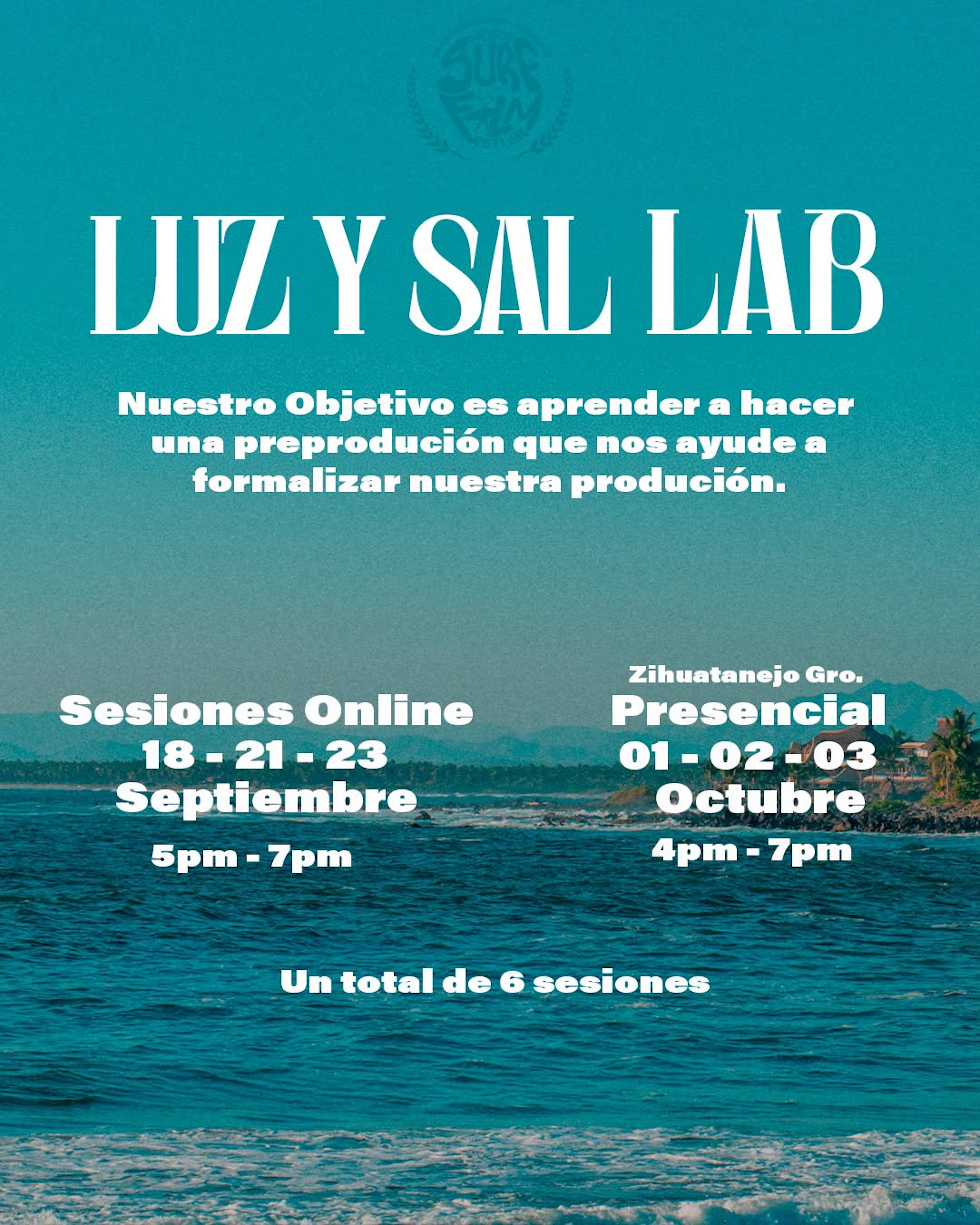
Also, right now, we’re doing a free workshop, with a director on our technical team. It starts online on September 18th, 21st and 23rd. And then we’re meeting in person in Zihuatanejo on October 1st, 2nd and 3rd, from 4 to 7 pm [at the auditorium in the sports complex]. We’re calling it our “Luz y Sal Lab”, and the idea is that we help you work out your idea and plan your shoots in the online sessions, and then we meet in-person to help you to put it into practice, using what you learned online. We don’t ask for any previous experience or professional equipment—just bring a story you want to tell and the desire to do it. All six days of the workshop are free.
In March, on the days of the screenings, we’re going to have paddleboarding sessions and surf lessons—in Saladita and in Zihuatanejo. And we’re also going to have filmmakers’ workshops those days, and ways to meet the people who make our films.
LOT: Where do you want to see the festival make new connections?
Jorge: We want to do screenings in the different states of Mexico. We just got an invitation to project a few films in a festival in Tijuana in December, and I’m closing in on doing a screening in Acapulco. It’s not a closed deal yet, but we’re trying to make that happen.
LOT: What did you like most about last year's festival?
Jorge: I like that more people were involved, that more ideas came together. And I like that more people want to make this festival even better, even “stronger”. There are still people who don’t know about surfing—what surfers do, what they care about—I want to show how we live our lives every day. I like that so many people came out to help us do that.
LOT: Last question. Why do you do this?
Jorge: Because I want to see the surf and our surf culture continue in this area. Sometimes people don’t want to go to a surf contest or things like that because it’s unfamiliar, because they don’t feel like there’s anything for them to do. But, on the screen, anyone can go and have the feeling of paddling out, of being in the wave, of feeling what surfers feel. Our festival is a way for people to connect to what’s happening on our coast and to what’s happening in surf communities around the world. Even people who are afraid of the ocean get into the surf with our films. We share the surf experience through film. We invite everyone to become part of our community, part of the surf. And I also do this to recognize all the people who spend hours and hours in the surf with their cameras, who try to show what we do and tell our stories. Most of them never get to watch their work on a big screen—it’s usually only seen on cell phones and computers. I want to encourage those people to keep charging their equipment and being out there. They work really hard; they give all of themselves. I want them to be seen, heard and recognized. They create real connections for the surfing community, and we can all share in that in their films.

MEXICO SURF FILM FESTIVAL 2027 FACTS
- 2027 screenings set for March 4 through 7, on Playa Saladita and in Zihuatanejo
- Submissions are open via FilmFreeway.com, through November 30
- Submissions are free through October 31 (and always free for filmmakers based in Guerrero or Mexico)
- Selected films will be announced January 5, 2027
- Each film will feature a connection to the sea, surfing and coastal life—running less than 15 minutes; presented with subtitles (Spanish for English films, English for Spanish films)
- $65,000 MXN in prize money is being offered
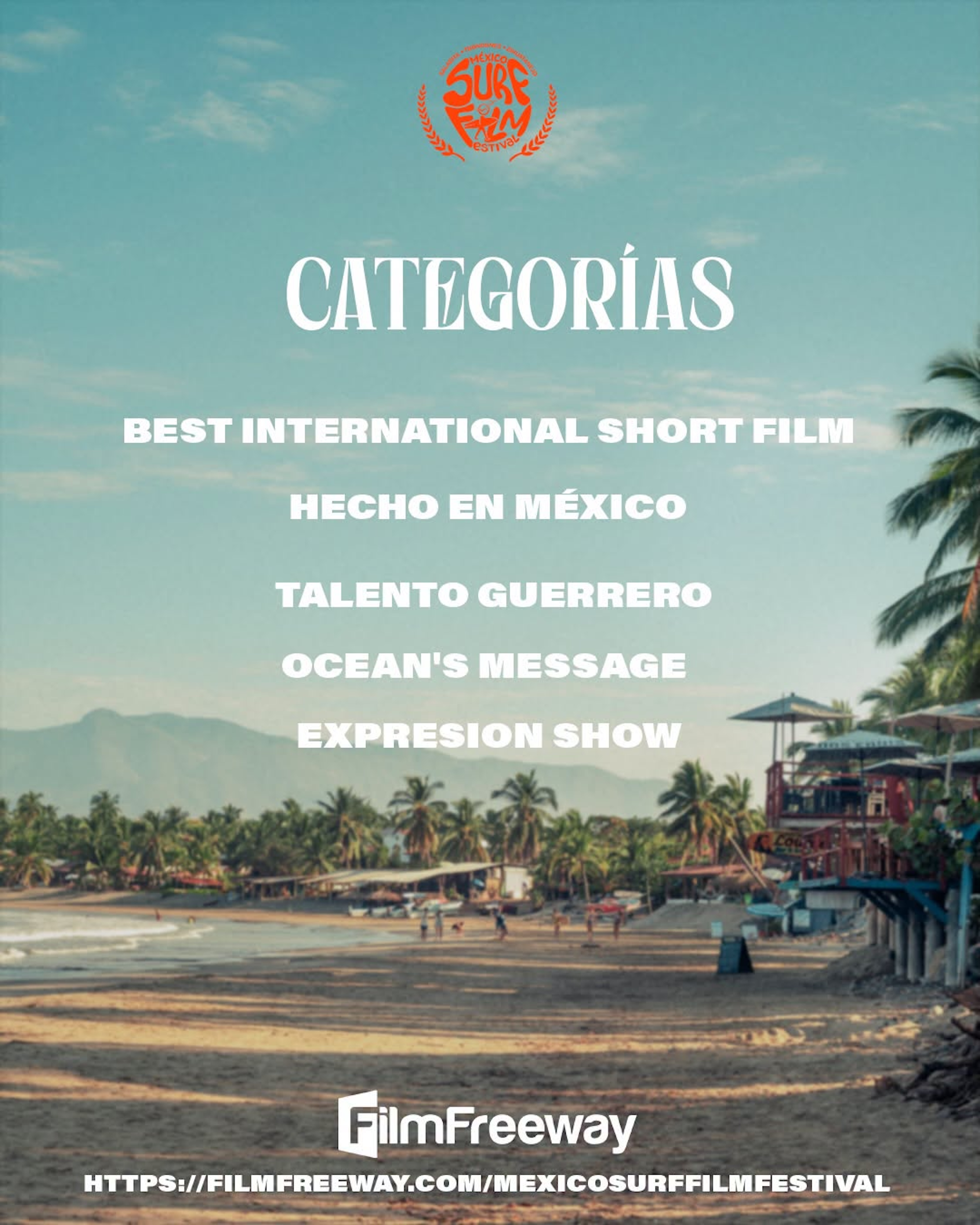
- Categories include Best International Short Film; Made in Mexico; Talento Guerrero; Ocean’s Message
- Sights, scenes and history of the festival: https://www.instagram.com/p/DWpg-Qmjwlg/
LINKS
Mexico Surf Film Festival (MSFF): https://mexicosurffilmfestival.com/
MACOGRA—Museo Archeológico de la Costa Grande: https://www.museumsmexico.com/museum/museo-arqueologico-de-la-costa-grande-guerrero
MSFF submissions: https://filmfreeway.com/MexicoSurfFilmFestival
MSFF Instagram: https://www.instagram.com/mexicosurffilmfestival/
To register for the Luz y Sal Lab: aloha@mexicosurffilmfestival.com