Super Maria Solis: A Toda Madre
Troncones’ first comisaria owns the only store in town with two parrots and two ATMs
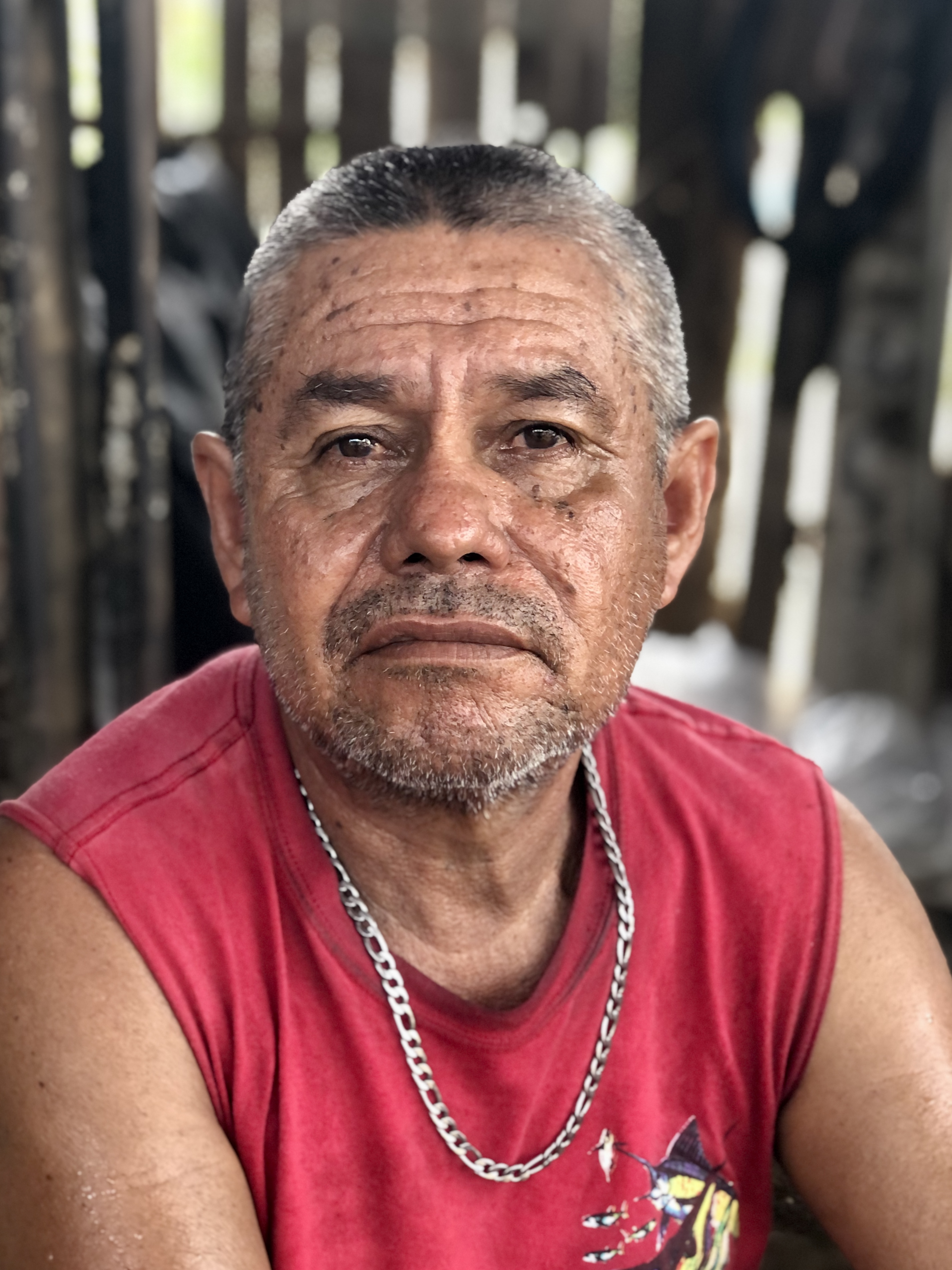
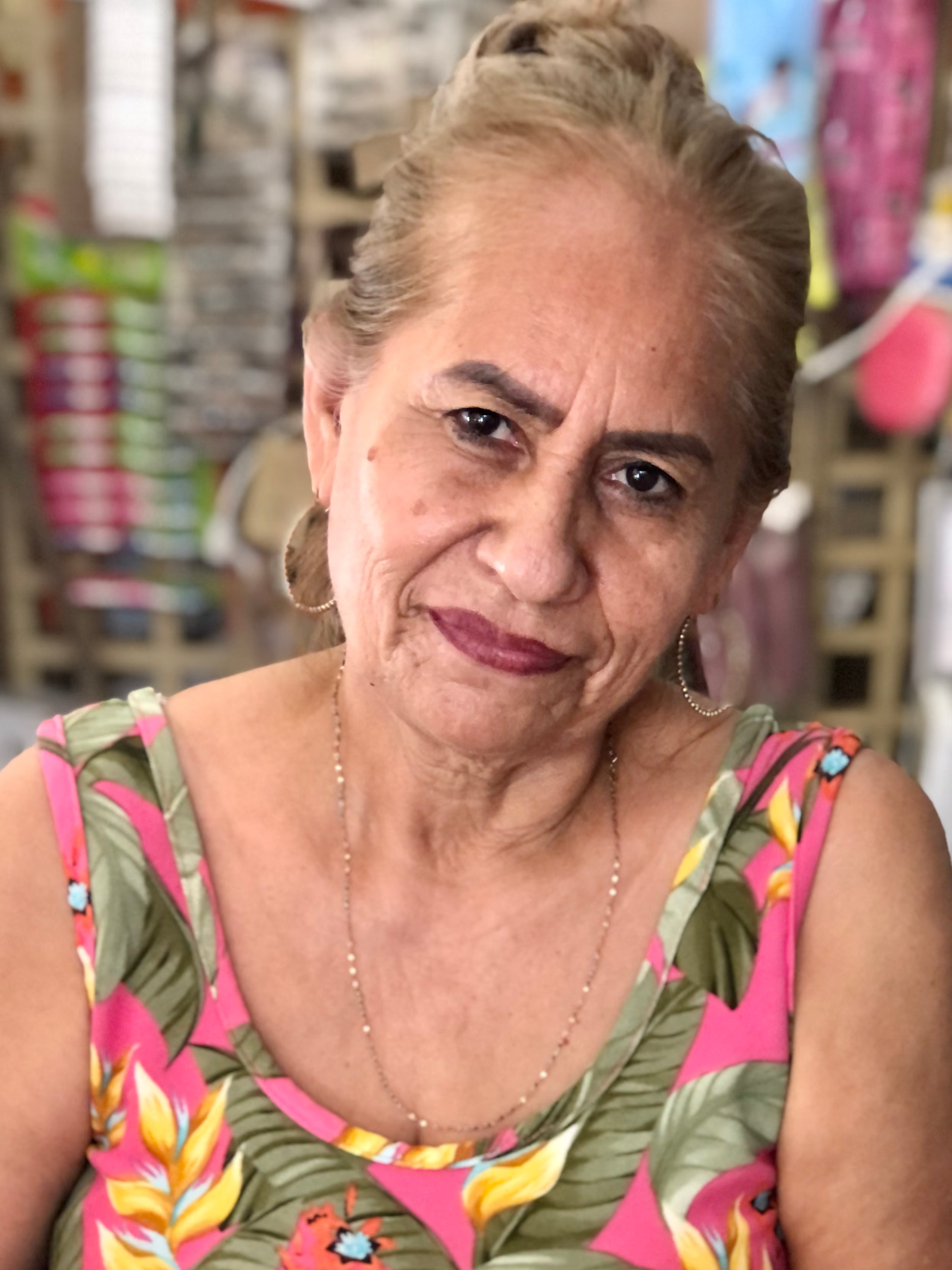
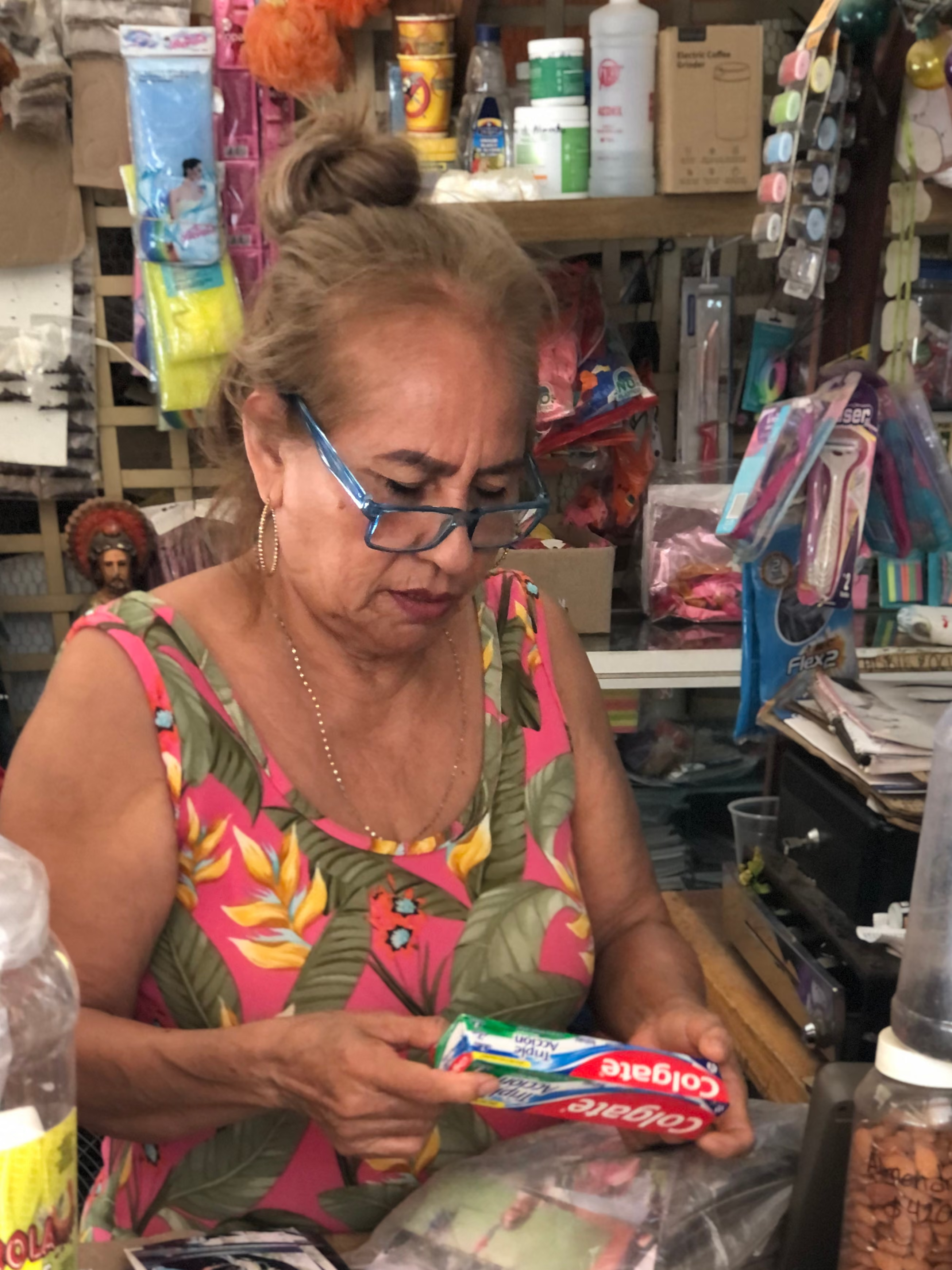
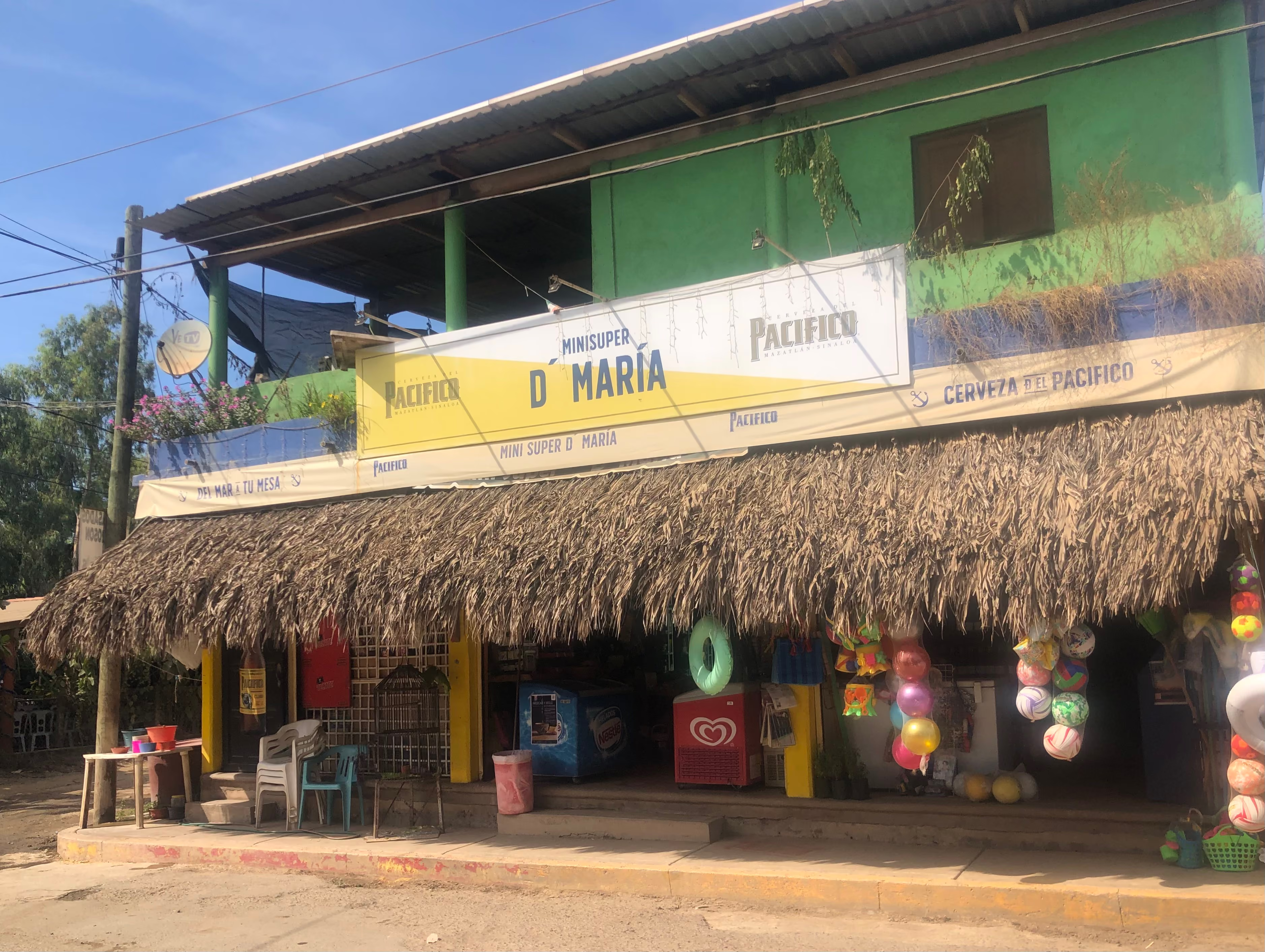
When it comes to grocery stores, Troncones has them all. Mini-súper. Miscelánea. Abarrotes. General stores selling snacks, fruits, beverages and household essentials. There are four on Main Street, from the top of the hill to the T. Of the four, only one has the same woman there, day after day. Meet Maria of Mini Súper de Maria. She’s glamorous. She’s funny. She’s serious. She’s kind. She’s real. She’s watching you even when you think she’s not.
%2017.27.38.avif)
.avif)





.avif)

%20(Spanish)-2.avif)


LOT: How long have you been running your store?
Maria: I’ve been there for about 15 years. In the same place.
LOT: Where were you before?
Maria: I helped my mom. Her house is where Cassandra’s hardware store is now. That’s my mom’s house, across from Gaby’s. She had a store there, Miscelánea Jasmine. A grocery store. Eggs, beer, bread, detergent. It had everything.
LOT: How do you decide what to sell?
Maria: I look for the needs of the people more than anything else. The needs of the Mexicans. The needs of the Americans. I watch what they consume. I listen for what they ask for. I try to get my suppliers to bring things in that I hear people want, for example, the soy milk and butters the Americans like. Sometimes, I have to find them myself, that means going to big stores in the cities to bring things here to my store. If there is a need for something, I want to have it, for the Americans, for the Mexicans, for everyone.
LOT: What sells the most?
Maria: Beer.
LOT: Beer?
Maria: And wine, refreshments, ice.
LOT: What are the things you buy for Americans?
Maria: Pasta, butter, different kinds of milk—oat milk, rice milk, almond milk, soy milk, whipped cream.
LOT: What are the things you buy for Mexicans?
Maria: Regular milk, Lala and Alpura.
LOT: Why do you have the only ATM in Troncones?
Maria: That’s a good question. [Laughs] I saw there were people who needed money, so I took on the task of looking for someone who would set up an ATM. I went to the banks of Zihautanejo, I went to Banorte, Banamex, Bancomer to ask for one. No, they wouldn’t do it. I think they were afraid someone would come and take away the ATM, take it full of money. People have done that in other places. It happens.
I had to look for another way. A friend in Zihuatanejo gave me a contact for a Canadian company, and I contracted my first ATM with them. I don’t remember the name of that company and their network, because that’s already changed. We’re no longer being serviced by the same company; it’s another network. I started by contracting one ATM, to see if that was enough for the whole town, for all the people, and it was for a while, but now one ATM is no longer enough. I have two. And the people come. A lot of people come. For the money. I’ve had two days this week without money.
LOT: How many times a week do they bring money?
Maria: Two or three times a week, and they bring in a lot of money, but it’s gone very quickly.
LOT: Why has no one else set up an ATM?
Maria: I don’t know. They could if they wanted. They can apply, go through the process. No pasa nada. It’s okay.
LOT: Ok. Who is more nervous: a child buying candy he shouldn’t, a dog lost in your store or someone who does not speak Spanish asking for help?
Maria: The one who does not speak Spanish.
LOT: Mojica? Where is your mother’s family from?
Maria: Mojica is from Tierra Caliente, in Guerrero, from the town of Arcelia.
LOT: And your father’s family?
Maria: They came from Infiernillo, in Guerrero.
LOT: How did you come to Troncones?
Maria: We arrived at the beginning of 1977. My father, my mother, they were farmers more than anything else, living on land near Salitrera, Guerrero. That’s where Infiernillo was. Cattle ranchers wanted to put their herds on that same land, near the river where my family planted corn and pumpkins. It became a battle and the governor in those days, Rubén Figueroa, moved us here. He told us, “Stay here. There are going to be many problems. You’ll have to work hard, you may even have to fight, but you can build a better life here.”
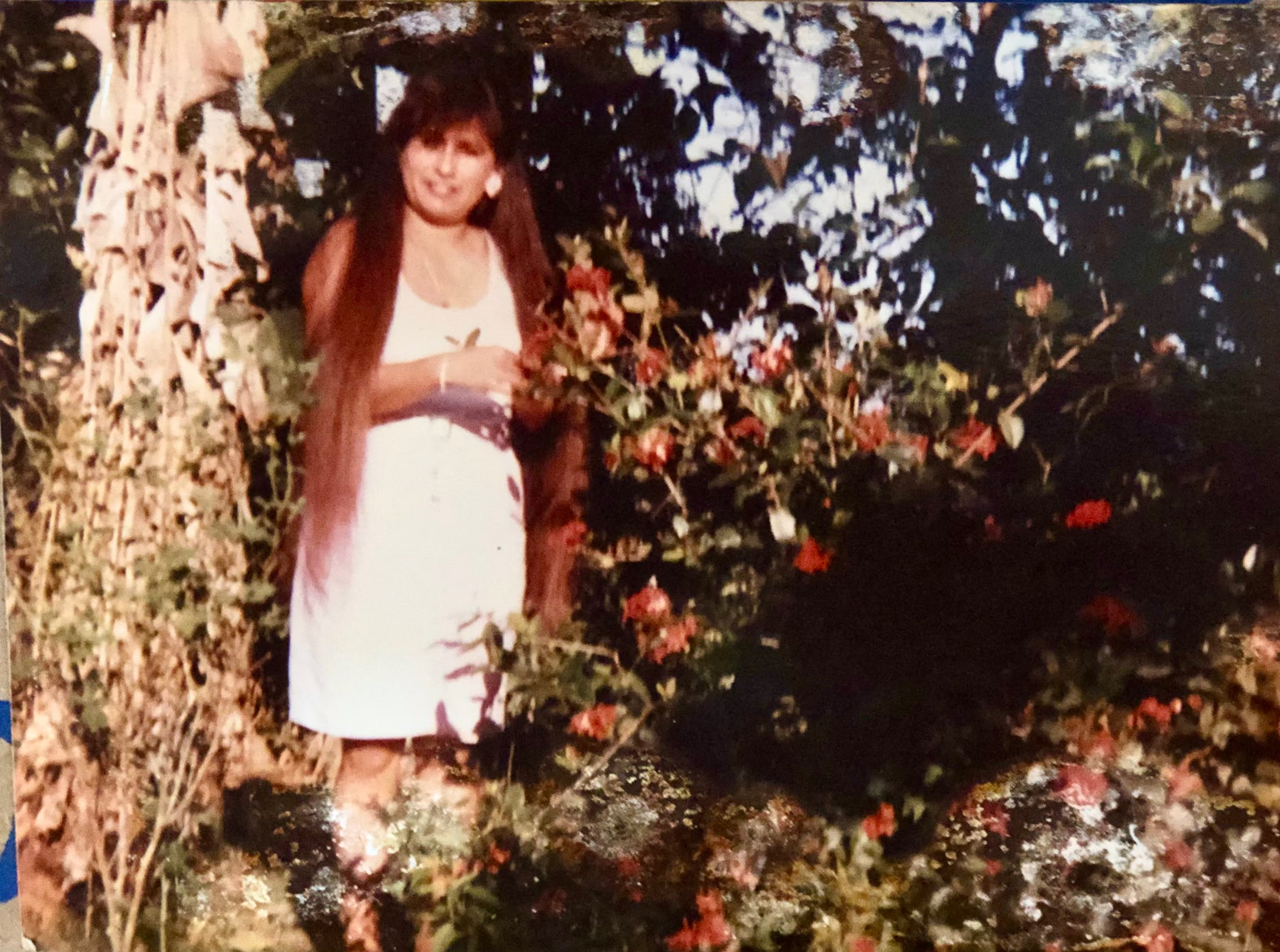
At that time there was a man who lived here named Don Pancho. He was very angry with Rubén Figueroa and with us because he felt we were invading his Troncones. He drank a lot and he wanted to fight. He wanted to fight my father, Manuel Solis; he wanted to fight Tomás Manzanares. Finally, there was a fight—Don Pancho provoked it by pissing in the well where we were getting our drinking water from and by saying lewd things about our women—and he was shot and killed. After that, everything became calm and the families from Infiernillo stayed in Troncones. When Don Pancho was killed, I wasn’t here. I was at the border in Tamaulipas. I was 14 and with my husband. Soon after that, I separated from him and came here to be with my mother, my father and my whole family. I was pregnant with my son, my first child, whose name is Rafael.
When I got together with my husband, I was 13 years old. I was a child then, you can say, and I didn’t even know that I was pregnant. When my husband came back for me, when he came here, he was the one who realized it. I went with him to Petatlán and we lived there. After Rafael was born, I came here often to be with my mother. My husband worked in Sinaloa, in Mazatlán. He worked in Guadalajara, in Los Cabos. He would go and leave me here with my mom and dad. That’s how I came to be here so much.
LOT: Are you still together?
Maria: No, we separated. Many years ago. Right now, I’m looking for a boyfriend. With no wife.
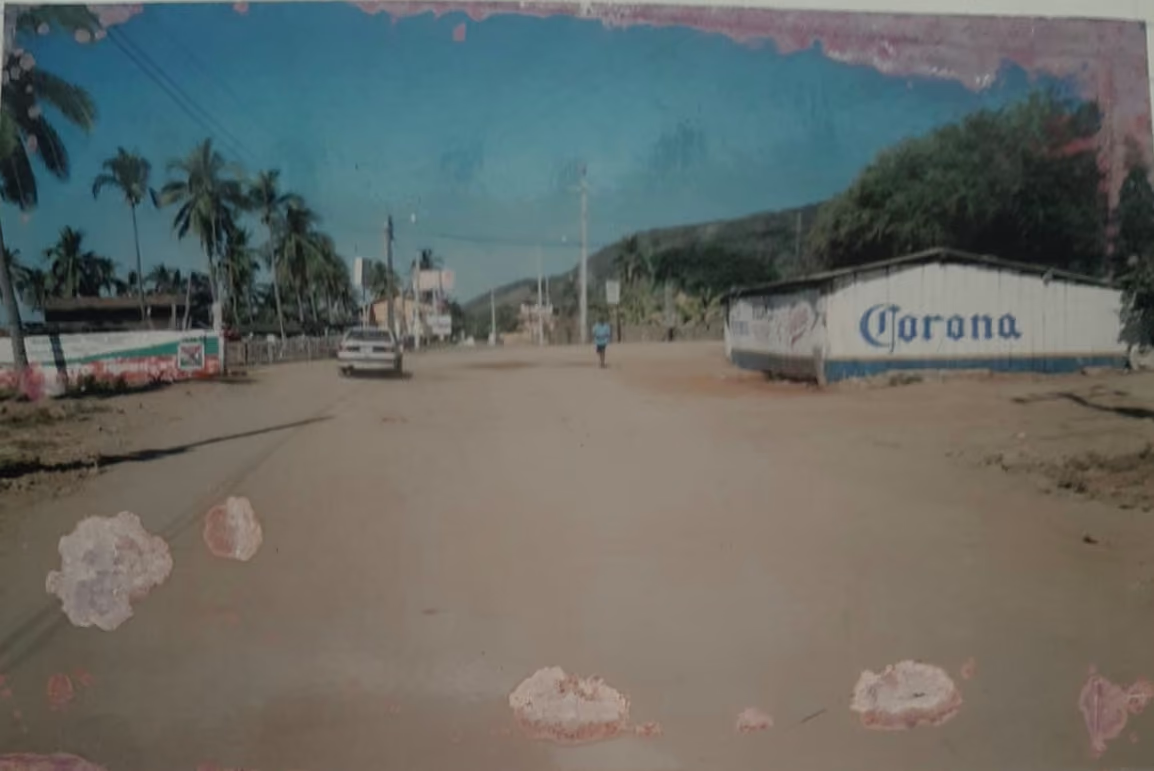
LOT: Can you describe the Troncones you found? What was the town like?
Maria: The village was very small; there were only a few families here. And, then, when we came, there were only a few of us, maybe 60. We had no stores. We lacked a lot of things. You had to go to Zihuatanejo to buy anything, like groceries, until Gaby opened her store, Miscelánea Gaby. She was the first store here in Troncones. Later, my mother set up her store.
LOT: Was that a problem? The two stores across from each other?
Maria: At first, yes. Or, at least, it was a little bit uncomfortable but, soon, there was no problem.
LOT: Were there houses here? Was your mother’s house made out of concrete like it is now?
Maria: No. The houses of Troncones were like ramadas [partially enclosed structures] of palapa and earth. We used the material we had, and that’s what we had. The concrete came, but that was many years later.
LOT: Can you describe the Troncones you have come to know?
Maria: For me, Troncones is something excellent. A lot of it, the way it is now, is thanks to Dewey [McMillin]. He was the first American to arrive, and he was the one who brought more Americans. Dewey got to know all of us. He lived with us. He became like a crazy brother. My brothers taught him to speak Spanish—teaching him groserías—bad words, more than anything else. I am grateful to Dewey, he got us started towards where we are today, how we are now, with a lot of tourism. Many people have come to know Troncones, and that is beautiful.
Troncones is much nicer now. We have more culture, more caring. We’ve preserved areas for nature. Before, we did not have a culture of caring for the sea, for the beach, for turtles, for birds, or even for our dogs and cats. Now, thanks to God, the people who have come have taught us how to take care of our animals, how to take care of the beach, how to keep the streets clean, because, before, that wasn’t a priority; it wasn’t part of our culture.
And in Troncones, we have a lot of work. People come here from all over Mexico, from Zihua and Ixtapa, to work, to find employment. I don’t think even Zihuatanejo has as much work as here. More than anything else, the people who have arrived here from abroad, who stay here, they give work to those who live in Majahua, Lagunillas, Buena Vista, Pantla, Zihuatanejo, Saladita, Los Llanos, and even La Unión. All those jobs have also made Troncones more beautiful.
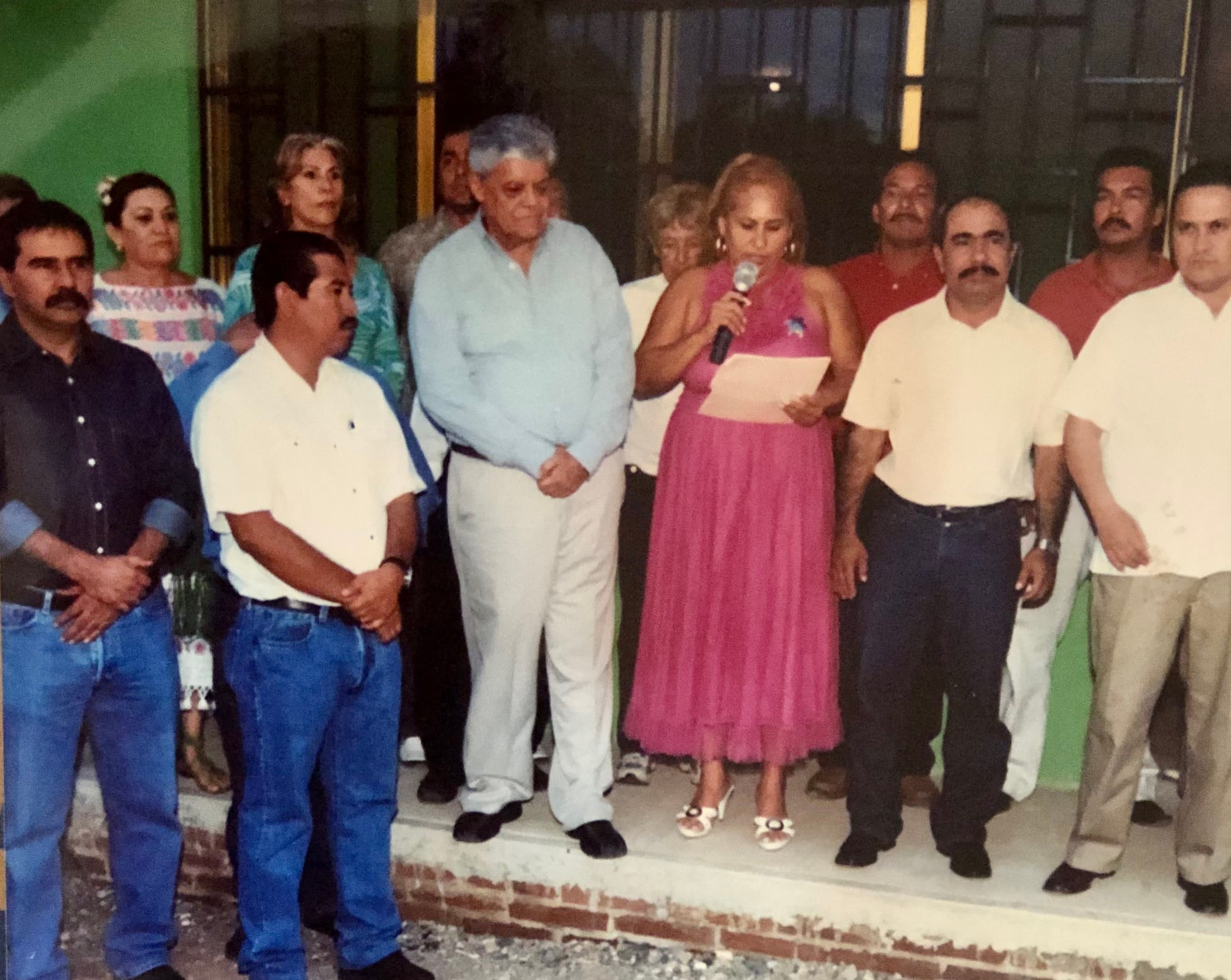
LOT: How do you participate in the community?
Maria: I participated for the first time as the comisaria [mayor or, literally, commissioner] in 2010 and 2011. I was Troncones’ first female comisario, the first comisaria. I was comisaria twice, and now I am an alternate.
LOT: An alternate?
Maria: When Tino, the current comisario, is out of town, I am a substitute. I have to do what Tino cannot do at that moment.
LOT: How did you become the first comisaria?
Maria: I have always been very active, helping people, particularly our old people. I became involved in politics to be able to do that better, to be able to do more. I was chosen by all the people, because they thought I could make a difference. It’s a difficult thing, being a comisario or comisaria, you have a lot of responsibility, you have to have to figure things out. Hey, Maria, this. Hey, Maria, that. I have problems with so-and-so. Look at that, he blocked the street. Things like that. Mediation. Helping people work things out, finding out what was being done and what was not. The second year, I was made comisaria, again. The third year, it looked like I’d be doing it again but someone else wanted to keep the seal. Ok. That was perfect for me. Less problems.
LOT: What are the community programs you’re involved in now?
Maria: I like to support people who are trying to help. For example, I like to see Troncones kept clean. I want to see Troncones have a good image. That helps encourage tourism, and it gives a good experience to the people who visit and the people who stay. Also, I don’t want to see our plastic go into the sea, to harm the turtles, the whales, the nature, the people, so I’m helping Playa Limpia. I’ve given them a place to collect plastic bottles, at the entrance to Troncones. Their collection area is on land I own.
I like to support volleyball. It’s good that Jésus [Maria’s son-in-law, Jesús Santana Morales] is in the business of teaching the kids volleyball, and sometimes basketball. I love all sports because they’re a way to keep kids playing, to keep them from getting into drugs, alcoholism, things that get ugly for them. I also really like what Las Hermanas is doing, helping with bus transportation, for kids who want to go to high school. Through Las Hermanas, we are supporting many students, many people, many children. There are many ladies, many hermanas, who are giving to be part of that effort, giving their work, their money. I love all that they do.
LOT: What would it take for there to be a high school here? Can it be done?
Maria: Yes, I feel that it can. We have a telesecundaria, a middle school, but that is not enough. To get a high school to happen here, people have to talk, to say what they need. Talk to the comisario, to APCAT, to La Union, to el presidente [the municipal president]. And more than anything else, talk to the ejido, to see if they are willing to give a piece of land, as a donation, for a high school. All that talking is essential to get anything done.
LOT: What do you like most about Troncones?
Maria: I like everything about Troncones. There is no one thing. More than anything I like that we have unity, solidarity. When there is a problem, like a sickness or an accident, or there’s an important need, whether its family or not, we all do our part, we all provide support by doing a kermés. That’s one of things I like so much about Troncones, that everyone, including the Americans, help out, pitch in, and because of that they have become my family, even if they are not Mexican. I think of everyone in Troncones as part of my family, all of them. Even if you have had a problem with someone, for me, it’s still my family. It’s a bit of the same in my “other” family. We have problems with one another, but nothing happens, because we are united. In Troncones, it’s easy to feel like everyone supports you. I’m glad about that. No other town has that quite the way we do here. We have a culture of support, of looking out for each other. Those years when we had nothing helped make that necessary.
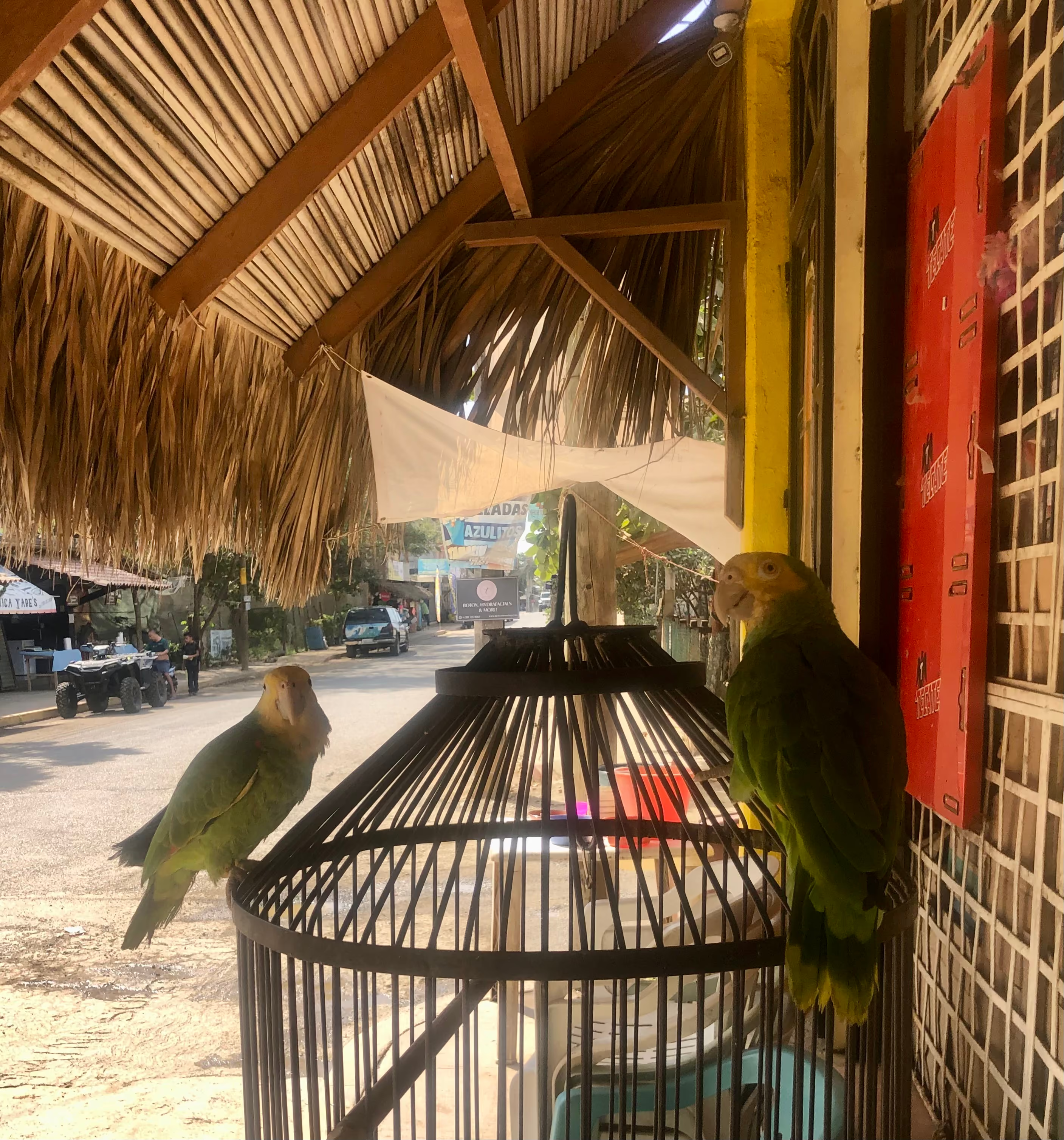
LOT: What are the names of your parrots?
Maria: Juan and Maria.
LOT: Where did they come from?
Maria: They were for someone else, but he didn’t want them. He told me he had no money to take care of them and they were offered to me. I said, “Ok”.
LOT: Where did the names Juan and Maria come from?
Maria: I gave those to them.
LOT: Why Juan and Maria?
Maria: Juan was my boyfriend’s name, but he disappeared. It’s been four years. We do not know anything about him. He was taken away. So, that’s why I named him Juan, and her Maria.
LOT: He was taken away?
Maria: I don’t know if he is dead. We just don’t know.
LOT: You don’t know if he left?
Maria: No, he was taken. At night. In Buena Vista. From his mother’s house. He wasn’t with me that night, and went to Buena Vista. He was taken from there.
LOT: Did he have money or something?
Maria: No, no. He didn’t have money. He drank. He smoked. He worked with his brother doing painting. He built cabañas, pergolas and all that. I don’t know why they took him away. Maybe there was something I didn’t know about him. Something was wrong.
LOT: How sad.
Maria: It was in those days when I bought the parrots. More or less. In the month after I bought the parrots, he disappeared. That’s why I decided to name them Juan and María.
LOT: What is the strangest thing you have ever seen them do to a customer.
Maria: Biting a woman’s butt. A Spanish woman. She bent down to get the money out at the ATM and Juan bit her. She shouted, “Me mordió el culo” [He bit me in the ass]. It was strange. She seemed happy because the parrot bit her ass.
LOT: And what is the strangest thing you’ve seen one of your customers do to them?
Maria: Nothing like that. People come by and are kind to the parrots; they like to talk to them, give them food, apples, bananas.
LOT: Do Juan and Maria talk to your customers?
Maria: Yes, when they want.
LOT: What do they say?
Maria: They ask me for coffee in the morning. “Mamá, café”. That’s what they ask for the most. Once there was a group of four women, three went in and one stood outside, Juan said to her, “You’re so pretty; I like you”. She was very happy to hear that. I haven’t heard him say it to anyone else. He’s very fresh, that Juan.