WINTER RAMOS: MAN ABOUT TOWN
Looking at the ins and outs of real estate and life in Troncones from the beach
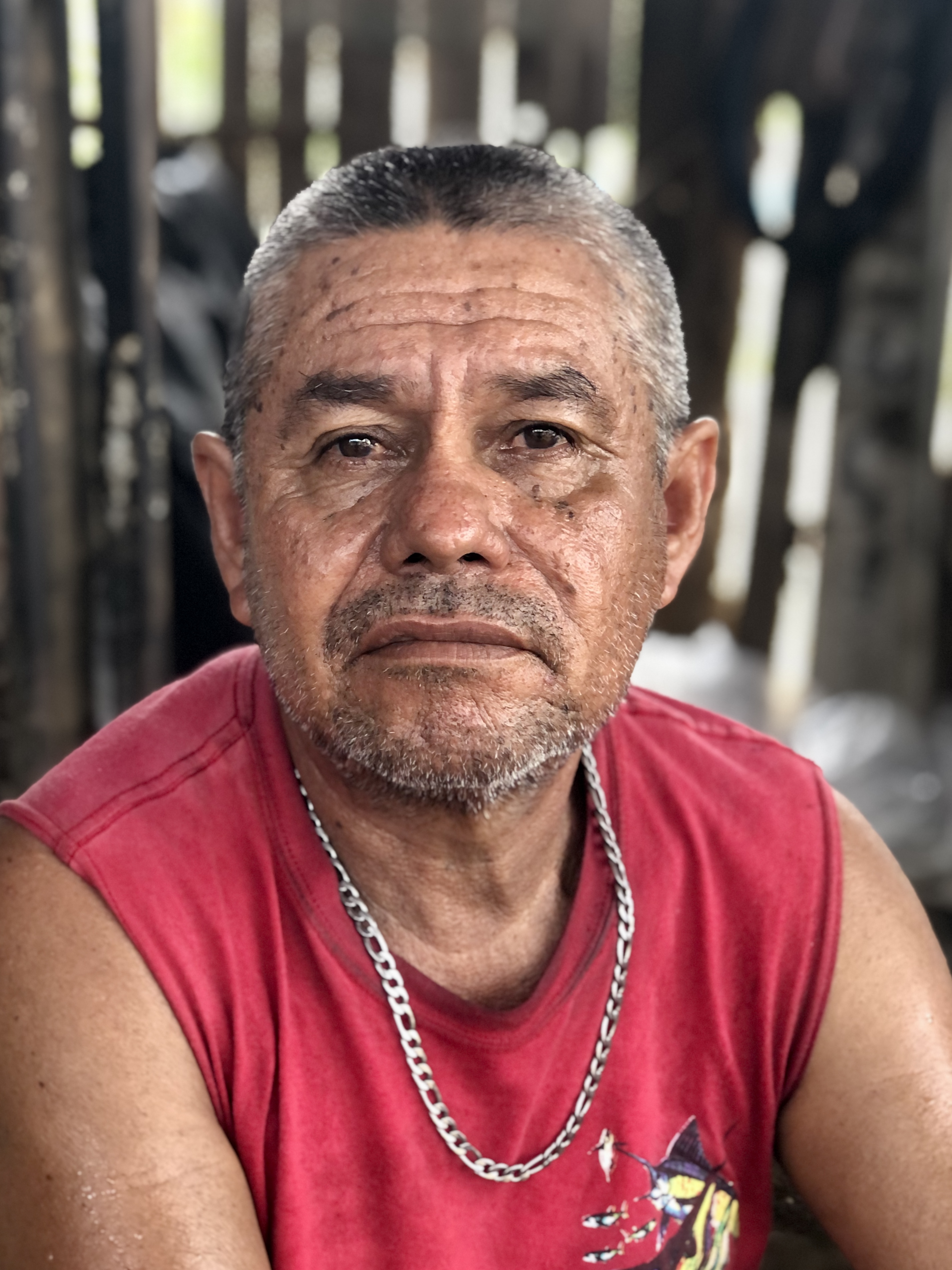
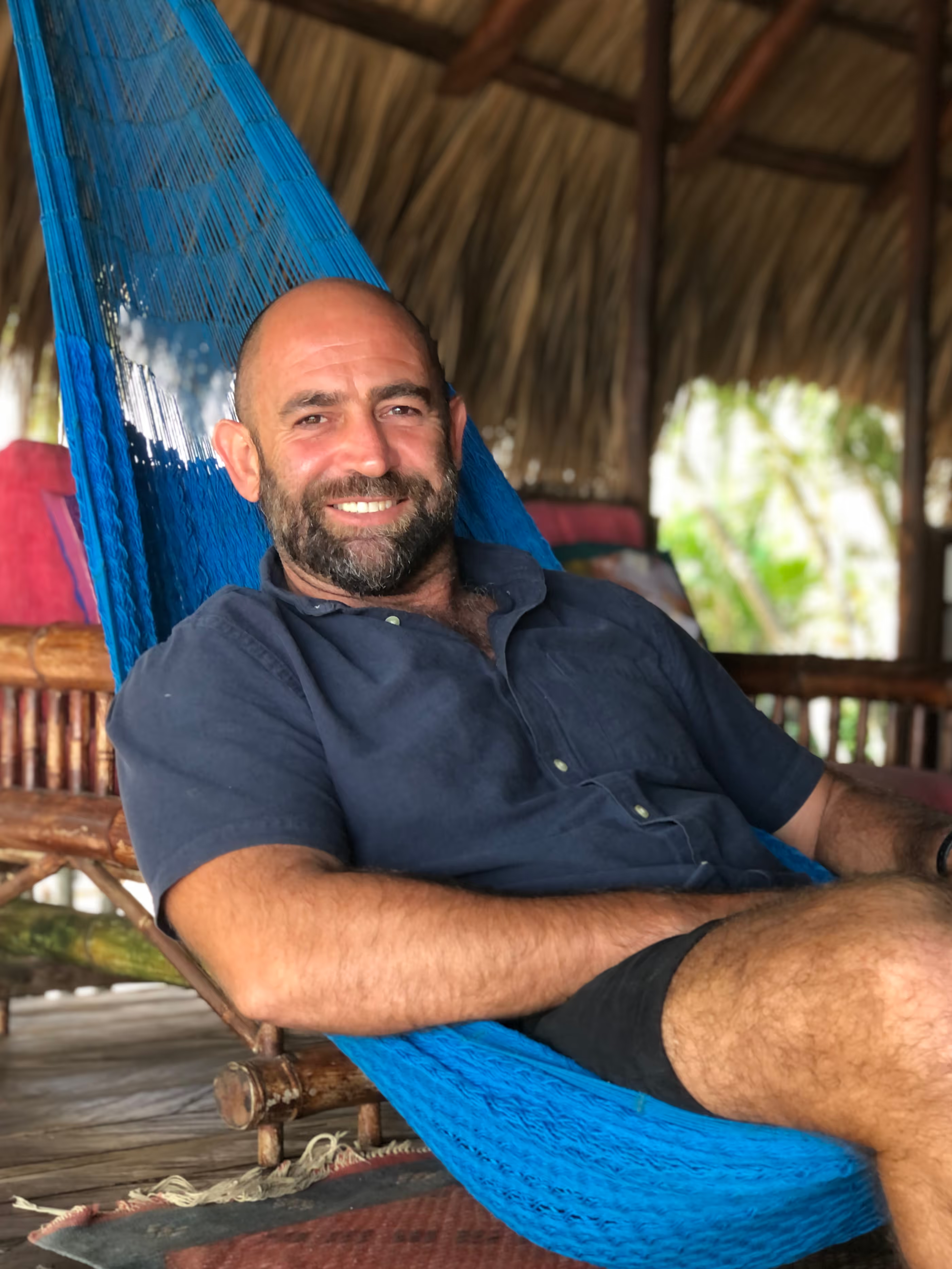
Wherever you go, there he is. Winter Ramos. A man on the go in a place where it’s hard to get almost anything done. One day, I saw him on his motorcycle in La Boca in the morning, then, sitting with a group of people at Pacifico in Troncones mid-day and, later on, shopping with his kids in Zihuatanejo that same afternoon. Maybe we have the same interests? Maybe similar schedules? Maybe, but I don’t run a restaurant, a hotel and the largest real estate company in town. It’s no wonder he speaks in short sentences. He saves his energy for doing other things.
%2017.27.38.avif)
.avif)





.avif)
%20(Spanish)-2.avif)


LOT: Where did you grow up?
Winter: In Zihuatanejo.
LOT: How did your family end up being there?
Winter: My mom moved down in ’72. My dad in about ‘75. My parents met but they were never together. They had a one-week fling.
LOT: What was Zihua like when you were a kid?
Winter: Back then, it was pretty similar to the way Troncones is now. A small, tight community, a number of expats. Everyone knew each other. It was party time for the most part.
LOT: Were your parents American or Mexican?
Winter: My mom’s from San Francisco, and my dad’s from Saltillo [the capitol of the northern state of Coahuila]. He’s Mexican, she’s American.
LOT: So, they had a short romance?
Winter: Yes, a short romance.
LOT: And your mom stayed in Zihua?
Winter: They both did. But they never married.
LOT: You lived with your mom?
Winter: I lived with my mom in La Ropa.
LOT: What did she do to sustain you two?
Winter: She’s an artist, she would paint. In the summer, she would buy Mexican dancing masks, and we’d go to the U.S. and sell them at the flea market in Santa Fe.
LOT: When did you first come to Troncones?
Winter: Probably when I was eight, when Dewey was having parties at his house.
LOT: What year was this?
Winter: I was born in ’81, so it’d be about ’89 or ‘90.
LOT: Did your mom know Dewey from La Ropa?
Winter: There were only a few Americans in the area then. My dad was the owner and manager of Coconuts, which was the biggest restaurant, the nicest restaurant, in Zihua. It’s still there. Zihua was a very small town then. Again, everyone knew each other.
LOT: What do you remember, when coming here, of Troncones?
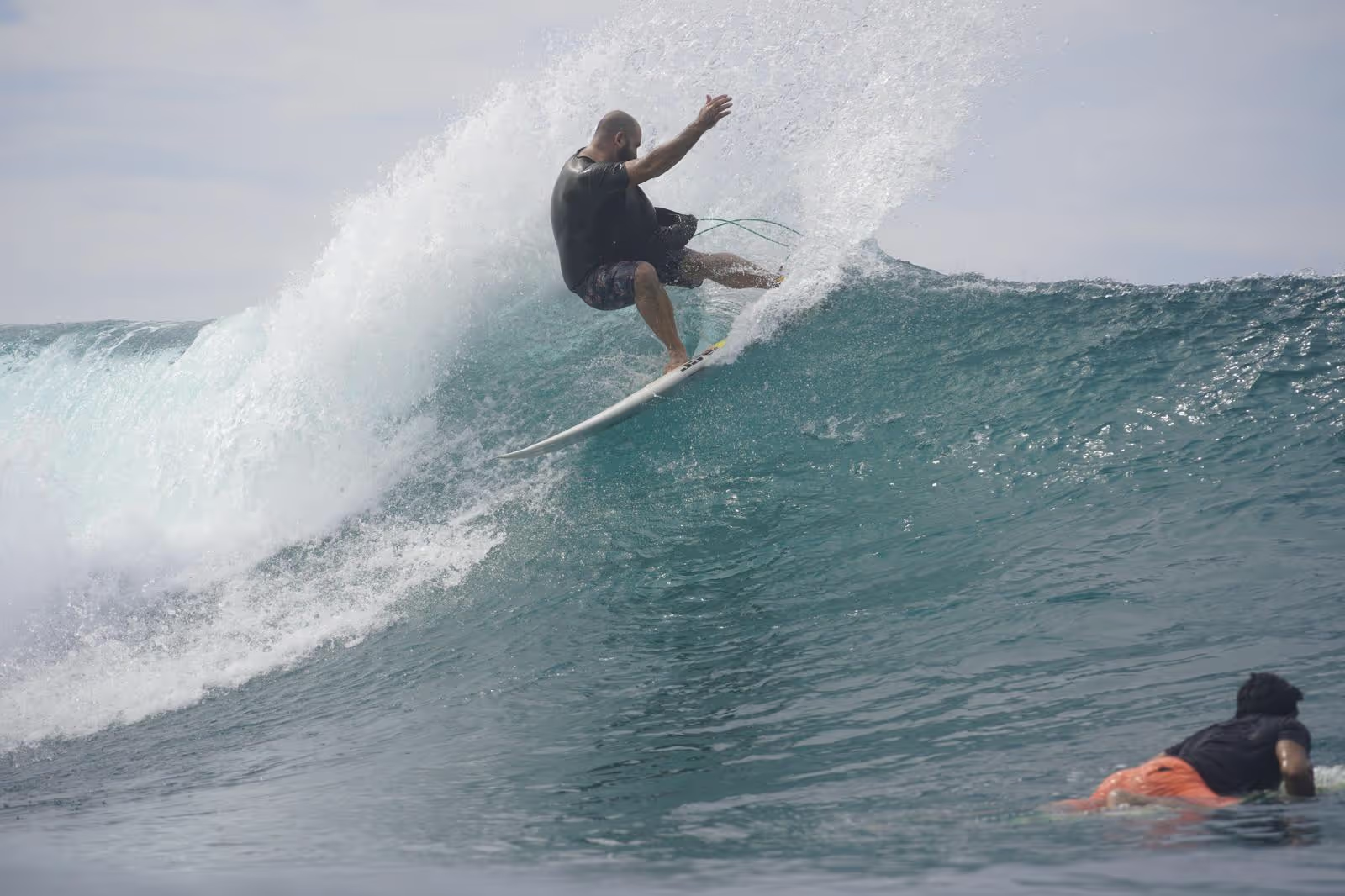
Winter: The surf. I was always trying to go out in the surf. On boogie boards, kayaks, surfboards.
LOT: What brought you back?
Winter. It’s always been the surf. When I was about 12, Dewey had Burro Borracho and I wanted to stay in Troncones for the winter break to surf, so I asked Dewey to give me a job, and he did.
LOT: What did you do there?
Winter: Burro Borracho had a trailer hook up, like a trailer park, a place where the trailers would come in and connect up. I would make coffee and cut up fruit in the mornings for the people in the trailers. I quit a week into it, but I stayed to surf. Dewey didn’t seem to mind. It was a big party scene, everybody coming out on the weekends. Super fun. The people coming out back then were pretty much my age now, in their early 40s. From what I see now, there was a lot more partying then. They were having a good time.
LOT: Where did you go to college?
Winter: When I was 14, I moved to Texas for a couple of years. Then, I ended up in Santa Cruz, California and finished my junior and senior year of high school there. After that, I went to Cabrillo Junior College, then transferred to UCSC [University of California, Santa Cruz]. I was in Santa Cruz for ten years. Then, I moved to San Francisco for ten years.
LOT: What did you do in those places for work?
Winter: In Santa Cruz, I was going to school, I was a state lifeguard, I was a waiter, I worked construction, I was a junior life guard instructor. And then San Francisco, I was a sales rep for money wiring, worked in a concierge for a card rep, and I did construction and I waited tables. A lot of moving around. My last jobs were sales, basically.
LOT: How did you get into selling real estate?
Winter: I moved back here. I opened up a hotel, La Siesta, across from what’s now Lo Sereno. I had already sold a couple properties here and there in Troncones, bringing a buyer to a seller. Dewey told me that’s what I should keep doing. It can be a pretty shitty job. I’m thankful for Dewey and then I’m also kind of pissed off at him.
LOT: What’s the upside of real estate?
Winter: Dealing with people who have a lot of money.
LOT: And what’s the downside?
Winter: Dealing with people who have a lot of money.
LOT: How did it come to pass that you bought Dewey out?
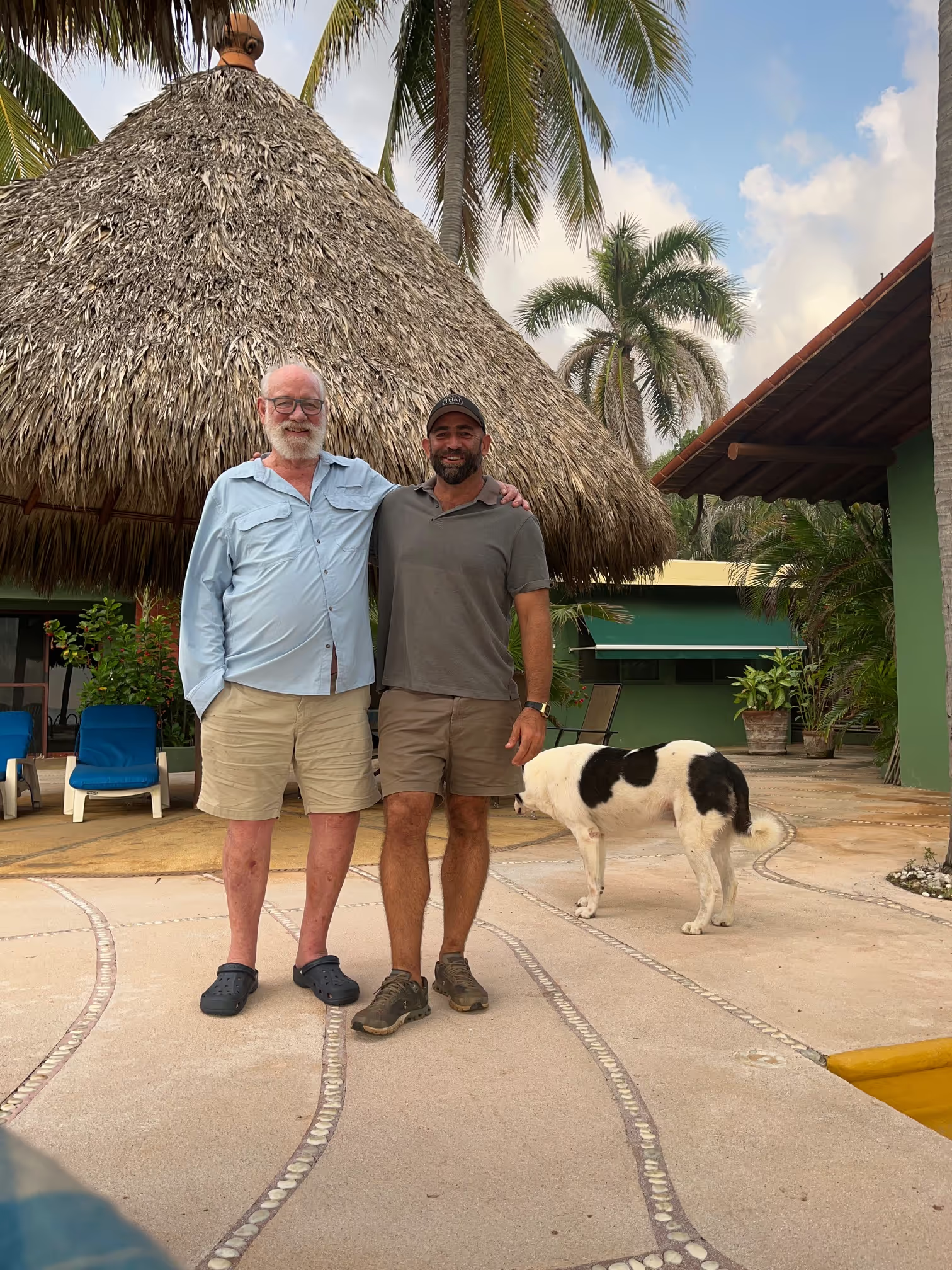
Winter: I just happened to be in the right place at the right time. He was retiring and I was around. I’ve known Dewey since I was like eight, and he’s always been really nice to me and super cool. Basically, he gave me my first job, and we’ve always had a pretty good relationship. He told me a long time ago that when I graduated college that he’d buy me a Volkswagen Bug. He never did. I think this was his way of making up for that. He gave me his business.
LOT: Where have you made the most sales in Troncones?
Winter: On the beach. Right here, on the main beach.
LOT: Does Troncones Beach go from Buena Vista to Manzanillo Bay?
Winter: I would say to Majahua.
LOT: And how long is that stretch?
Winter: From the second bridge to the south to Majahua is five kilometers. And from that bridge down to Buena Vista is about three.
LOT: And in those eight kilometers, how many properties are there along the beach?
Winter: I’m not exactly sure about all eight kilometers, but in the five kilometers from the second bridge to Majahua, there are 300 lots on the beach.
LOT: And how many of those are sold right now?
Winter: Well, they’re all sold. I mean, they’re all private property. There are very few very locals who own beach lots now. They’ve all been sold at least once. There are no ejido properties left on the beach.
LOT: What's the hottest area selling now?
Winter: This beach. Troncones Beach, right here, the main beach. A lot of people want beach; they want sand and they want to swim out in front of their house. That’s what people look for, so this stretch is what’s most popular. Manzanillo Bay is popular, too, but there’s nothing like Troncones Beach.
LOT: I saw you promoted Palo Alto in your newsletter last week.
Winter: The Ranch and Palo Alto are surfing communities. They’re just starting out. I had a subdivision of 11 lots listed at the Ranch. I sold them all in about a year and a half. There’s a lot of movement over there. In Palo Alto, not as much, but they have water and electricity, and clear titles.
LOT: What about Los Organos?
Winter: Los Organos has everything. Electricity, water, titles. The area south of it, to the west and north of La Boca, is missing electricity. There’s water there because of all those orchards and their irrigation systems. That area should have electricity soon. The electrical poles are not very far off, a couple kilometers or something.
LOT: Where do you see opportunity now, real estate-wise?
Winter: The lots south of Troncones are still pretty reasonable. You can get a good lot on the bluff above the beach for $350,000 USD. The road is half-paved and it won’t take too long until it’s all paved. Those lots are close to Troncones, and all the amenities it has—restaurants, stores, a workforce—that helps with the South. I’d say the South is a good opportunity. It has swimming beaches, too.
LOT: What are three things buyers should think about?
Winter: Knowing their maintenance costs. Having a good realtor. Being patient.
LOT: What are three things that sellers should do?
Winter: Sellers should be patient. Things are slow in Mexico. Even when you have a buyer and a seller who have agreed on an offer, things are slow. They should have a good realtor, and they should know their closing costs.
LOT: How do you describe Troncones when you’re in sales mode?
Winter: Troncones is a beautiful paradise that has beaches, surf, mountain climbing, kayaking, horseback riding. It has great restaurants, great cocktails. It has a really good relationship between investors and locals, a lot of organization committed to the community, like recycling programs, programs that help fix the roads. It has a small-town feel; there’s a chicken lady, a taco lady, a fish lady. Everybody still knows each other. Everybody waves at each other. And most of the construction on the beach are homes, they’re not hotels. It’s really low density, which means when you look at the beach, you won’t see anybody. There are no people. Even when Troncones is full, you don’t see a lot of people on the beach because they’re all in their houses, hanging out at their pool. There’s always this nice sense of space. And there’s a high consciousness, especially now, of the way the Troncones wants to grow, with this partial planning from the government, with restrictions coming in. There’s an elevated system that’s going to come in, that’s going to help with the growth. Before people came in and wanted Troncones to grow a lot and that’s what happened. Now it’s time to kind of slow it down, so it’s organized and it’s not a shit show.
LOT: How do you describe Troncones when you’re not in sales mode. How do you describe it to yourself?
Winter: Paradise. A great place to surf. Opportunities to chill. It’s the same, really. In my job, it’s all about telling the truth. It’s a lot easier when you just tell people the truth. The truth is, it’s paradise and a good place to be.
LOT: What are the other things you’re involved with in Troncones?
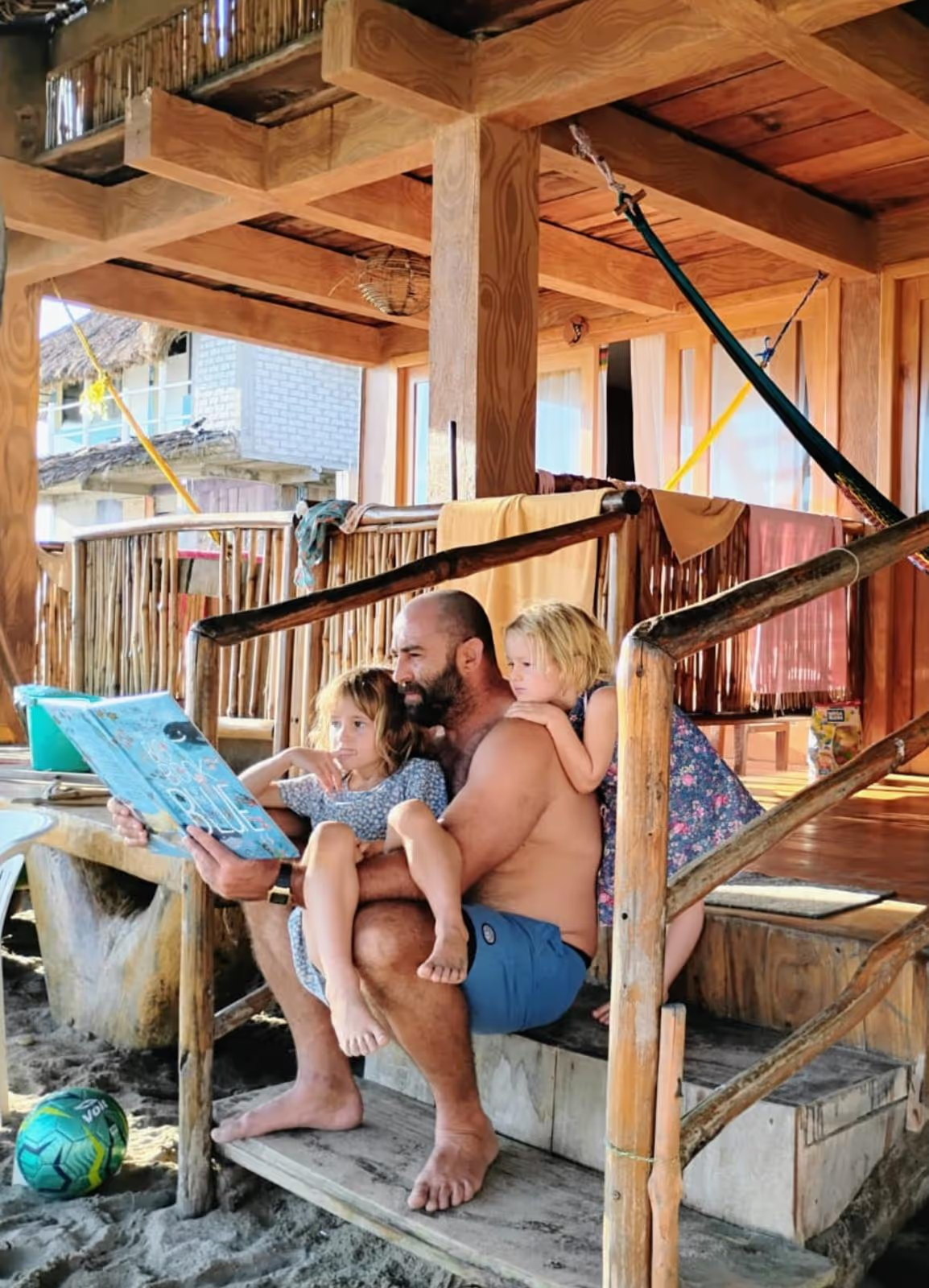
Winter: I have real estate. I have a little hotel. I have a restaurant that serves Asian food. I’m a member of the board of APCAT [Association for the Preservation of the Environment of Troncones, a local homeowners’ association]. I have two kids and an ex-wife. All those things keep me pretty busy.
LOT: What do you like about the restaurant business and the restaurant world?
Winter: A restaurant is a big pain in the ass, but once it’s running and everything is working, it’s really, really nice. You get good food that you want, an experience you designed and you get to meet people who come in. There’s an extra touch of trust from the restaurant when it comes to real estate. It helps my real estate business to have a restaurant, because people see I’m part of the community. They know where to find me. And, if the restaurant is nice and the food is done right they get a sense that I have good taste and they can trust me.
LOT: Any other businesses, besides the restaurant?
Winter: I’m doing some consulting as far as helping people with sales. Let’s say you you’re a foreigner and you have a sale where you’ve already found a buyer and a seller that have established a price, but you need help with the process. Like that. I’m helping people get their transactions done.
LOT: How do you make life work for you in Troncones?
Winter: You try to tell yourself that nothing is completely urgent and you adjust to that. Even though almost everyone lives a slow life here, I feel like my life is really fast. I make it work by slowing down and allowing things to take their course. It’s an interesting place to be really busy when everyone’s main worry of the day is where to go to eat, how many margaritas to drink. I’ve had four meetings today and I’m going to go pick up my kids in Zihua soon, then, I get to hang out with them, and then I go to the restaurant. I’m going to slow down by going snorkeling next.
LOT: How many people are there in Troncones?
Winter: Approximately a thousand residents in Troncones proper.
LOT: And in high season?
Winter: I made this calculation with Dewey, as far as how many people there are here at once. Troncones at its fullest is, say, Christmas to New Year’s, that week. It’s about 5,000 people, including the residents. That’s not a lot of people
LOT: And that’s only one or two weeks, right?
Winter: Yeah, about two weeks where it’s 100% full. But, I mean, it varies. Each holiday, each season, each year, can go up and down.
LOT: What’s your favorite time of year here?
Winter: Man, they all really have their magic. It’s hard to tell. I like them all. Right now is great [early November]. The waves are smaller, but they have better shapes. My restaurant’s going. There are people around. You know, summer’s great. There’s no one around. Waves are bigger. And September and October are really nice. The end of the rainy season. I like the whole year, but you do have to get out of here in the summer. To stay sane.
LOT: Where do you go when you get out of here?
Winter: That depends. I was going to Europe a lot. Last year, I went to Argentina for a couple of weeks. The year before last, I went to Indonesia and stopped in Japan on the way. This year, I went to the States for a couple of weeks, and I went down to Oaxaca and I did a couple local trips, Colima and Guadalajara.
LOT: How do people find out about Troncones?
Winter: That’s a good question. A lot of it is word of mouth, I think, people searching for a new place. I don’t think there’s a lot of advertising of Troncones being done internationally. It used to be that most of the people who came were coming every year and they kept coming for 20 years. That was before the Internet and Instagram. Now, people search for a new place, with surf, good places to stay and good food, and somehow Troncones comes up.
LOT: The people who were here when you were a kid are, sort of, aging out. What do you see coming in?
Winter: The new people buying lately are in their 40s to their mid-60s. The people selling are over 70, over 80. Those younger people coming in are still working, and they’re coming even if they can’t live here the whole year, or even for the whole winter season. They come and go more than the people who came here in the ‘90s and early 2000s.
LOT: What do you see coming next for Troncones?
Winter: I think Troncones is going to keep growing at a slow and steady space. That’s the way it’s always been. Troncones is expensive, so that creates a filter as far as who can come. It needs to be someone who can buy in a limited market and it needs to be someone who has some liquid they can spend on just living. Slow and steady. Covid was a big push. After that first year of Covid, the next three years were constant activity. People were coming down and buying. They weren’t thinking about it. Now people come down, they look, they want to buy, they think about it but they don’t buy. During Covid, they weren’t thinking. They were just buying.
LOT: Those are all the questions I had prepared. I see you’re on a sandbar here.
Winter: Oh, dude, we have this amazing sandbar. It’s just insane.
LINKS TO WINTER’S BUSINESSES
Troncones Beach Property: https://tronconesbeachproperty.com/
La Siesta: https://www.lasiestatroncones.com/
Fugu Troncones: https://www.instagram.com/fugu.troncones/?hl=en