El Árbol de los Muertos: Bocote
The trees of Troncones each have a gift—the reliable Bocote has an impeccable way of keeping time for today's holiday
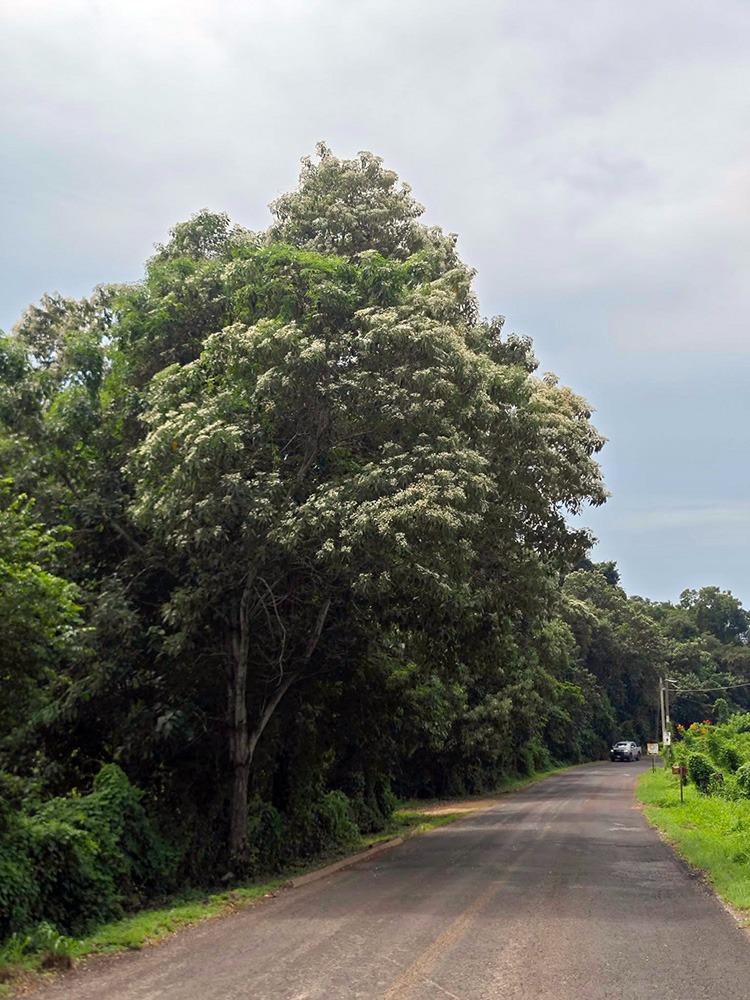
Every October, the hills behind Troncones go white and almost nobody asks why. Tourists assume it’s something exotic. Locals know it’s bocote and don’t think about it again—until they need a fence post.














THE TREE OF THE DEAD
Bocote—its official name is Cordia elaeagnoides, named after Valerius Cordus, a German botanist who died in 1544 at twenty-nine and never saw a Mexican hillside. It belongs to the borage family, which makes it a cousin of the forget-me-not. That’s either a joke or a warning.
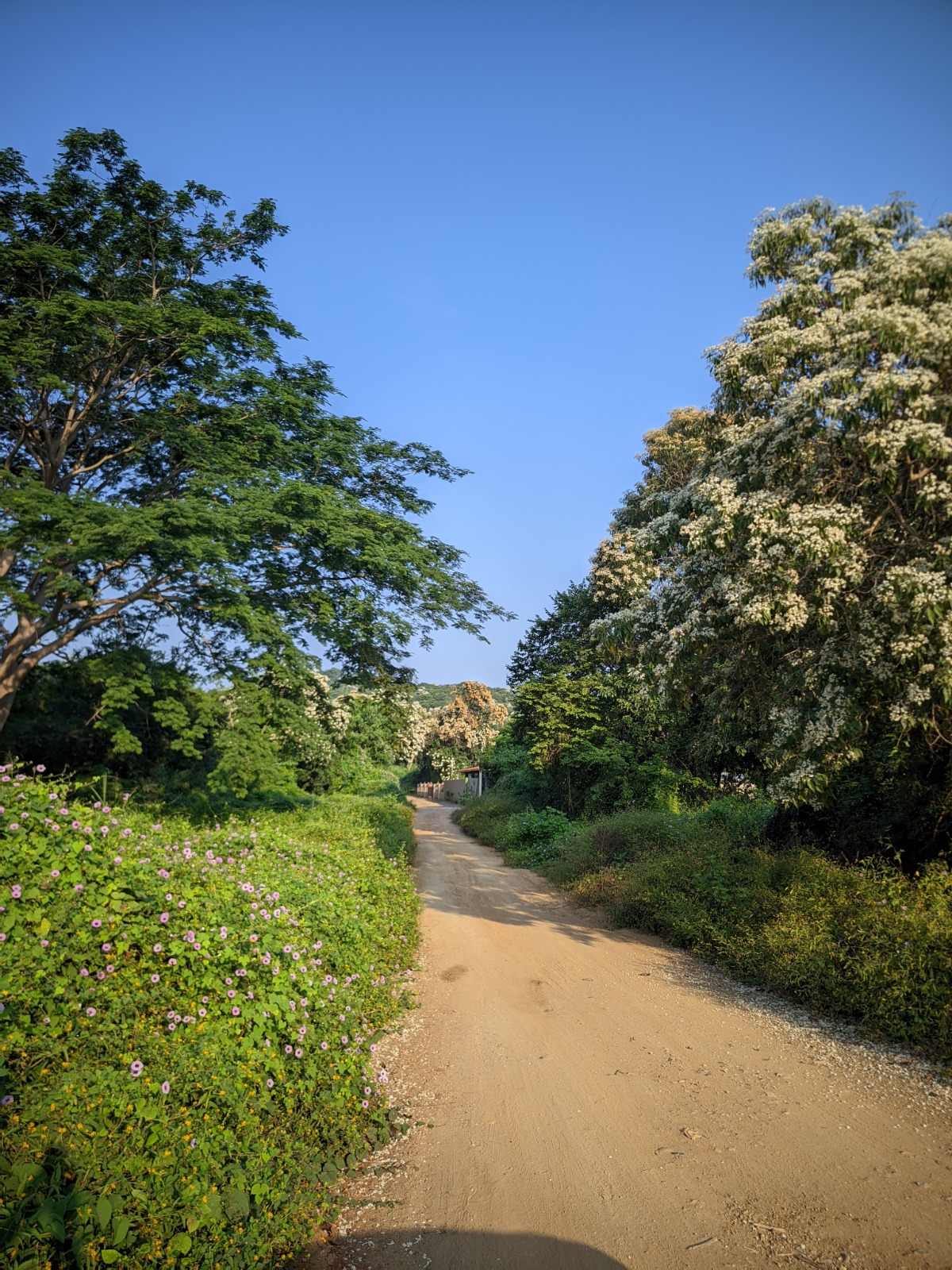
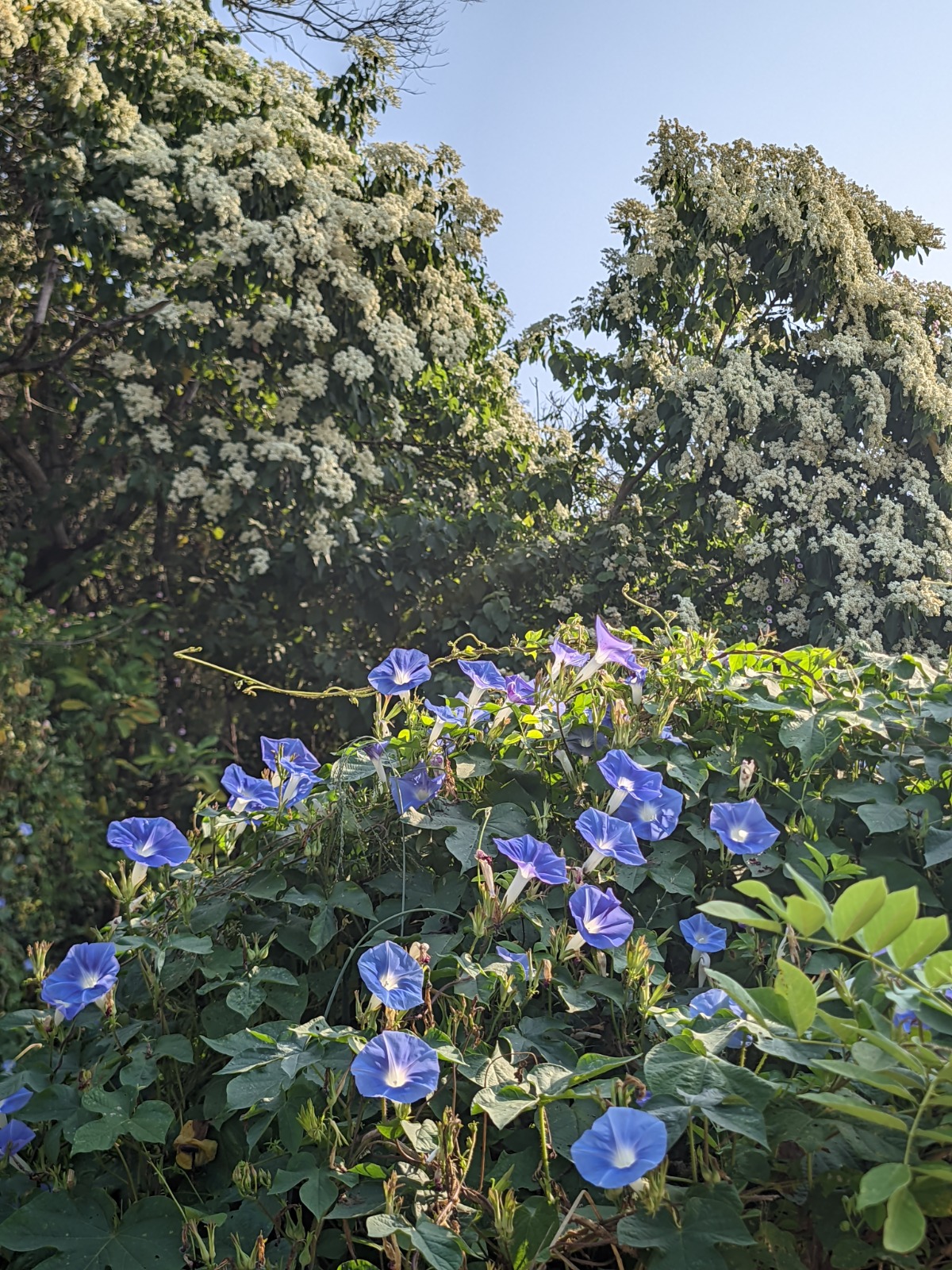
Some people here call it “el árbol de los Muertos” [the tree of the dead] because it blooms just as the altars go up. The timing is reliable enough to set a calendar by. The rains wind down, the forest is still fully green, and then, all at once, the canopy is covered in small white flowers in flat clusters. Bocote doesn’t grow politely spaced out. It grows in crowds, so when it blooms, whole slopes change color together. From the highway, it looks like a late frost on a coast that has never had one.
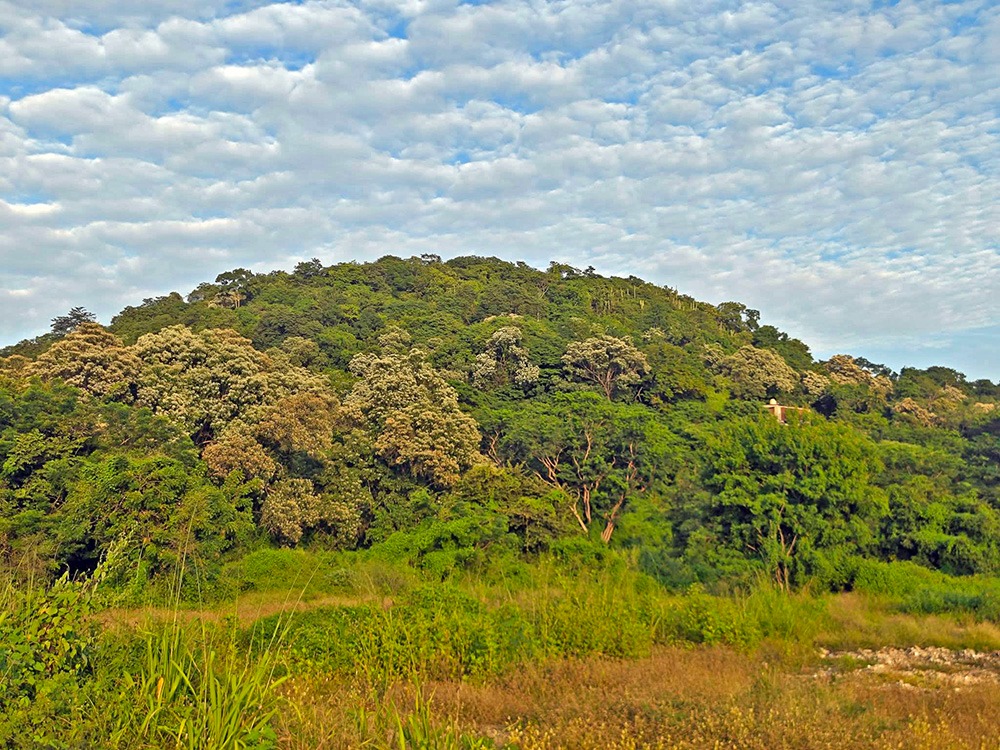
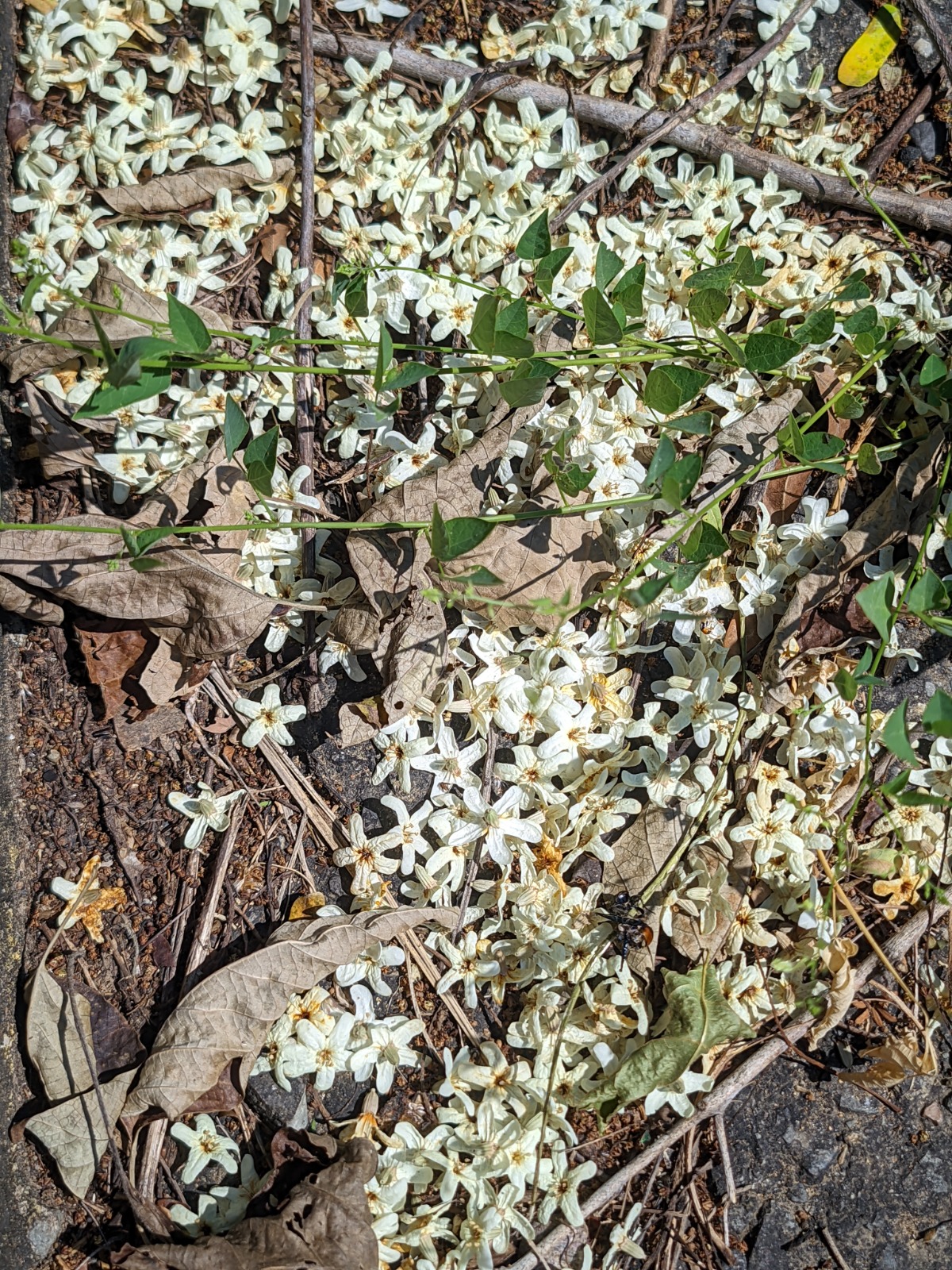
Then, the flowers die and don’t fall. The petals dry in place, turn gold, and stay attached to the developing fruit, where they act as a small sail. For a few weeks the white hillsides become the color of cempasúchil [marigold], which is either the tree observing the holiday or the holiday copying the tree. In early November, the wind scatters the petals and for a while the roads and trails are paved in gold, every passing truck kicking up a small storm of dead flowers.
The bloom is a feeding event. Insects flood the flowers, and the birds follow. Golden-cheeked woodpeckers work the trunks, the pygmy-owls hunt the edges, and flycatchers and newly arrived warblers pick through the canopy. If you’re standing under a bocote in flower and wondering where all the birds went, look up.
What most people actually know bocote for is the wood. The heartwood is dense, heavy and oily, golden-brown with dark streaks that look like someone drew them in ink. It shrugs off rot and termites, which on this coast is close to a miracle. That’s why here bocote ends up in fence lines, holding barbed wire across pastures and outlasting the wire, the cattle and, now and then, the rancher. Overseas, the same wood sells by the board foot as “Mexican rosewood,” which it isn’t, to people who turn it into pens, knife handles and guitar fretboards. Here, it holds up the fence. Same wood, different idea of value.
Bocote isn’t the only tree along the fence. Look along any fence line in Guerrero and you’ll find posts that didn’t stay dead. Cacahuananche, [Gliricidia sepium], also called “madre de cacao”, is the classic one. Cut a stake, push it into wet ground in June, and by August it has leaves. By the dry season, it’s covered in pink flowers, a fence that turned itself into a tree out of sheer refusal to die. Next to it, more often than not, is ciruela, grown the same way from a cut branch, which pays back the effort with fruit. Every kid, chachalaca and iguana in the neighborhood here knows exactly where those are.
So, a fence line here holds the dead and the living together, which suits the current season. Bocote is the post that won’t rot, cacahuananche is the stake that won’t die, and ciruela is the one that feeds everybody. Nobody planned it as a metaphor. It’s just what grows.
Large bocote trees are less common than they used to be. Wood this good doesn’t stay standing long near a road. But the hillsides still turn white every October, and then gold, and then back to green as if nothing happened. Sometime this week, look up from the altars and the flags and take a look at the hills. The tree has been keeping the holiday longer than any of us.