
La Majahua: A Place Like No Other #2
A continuing series on the magic of Majahua
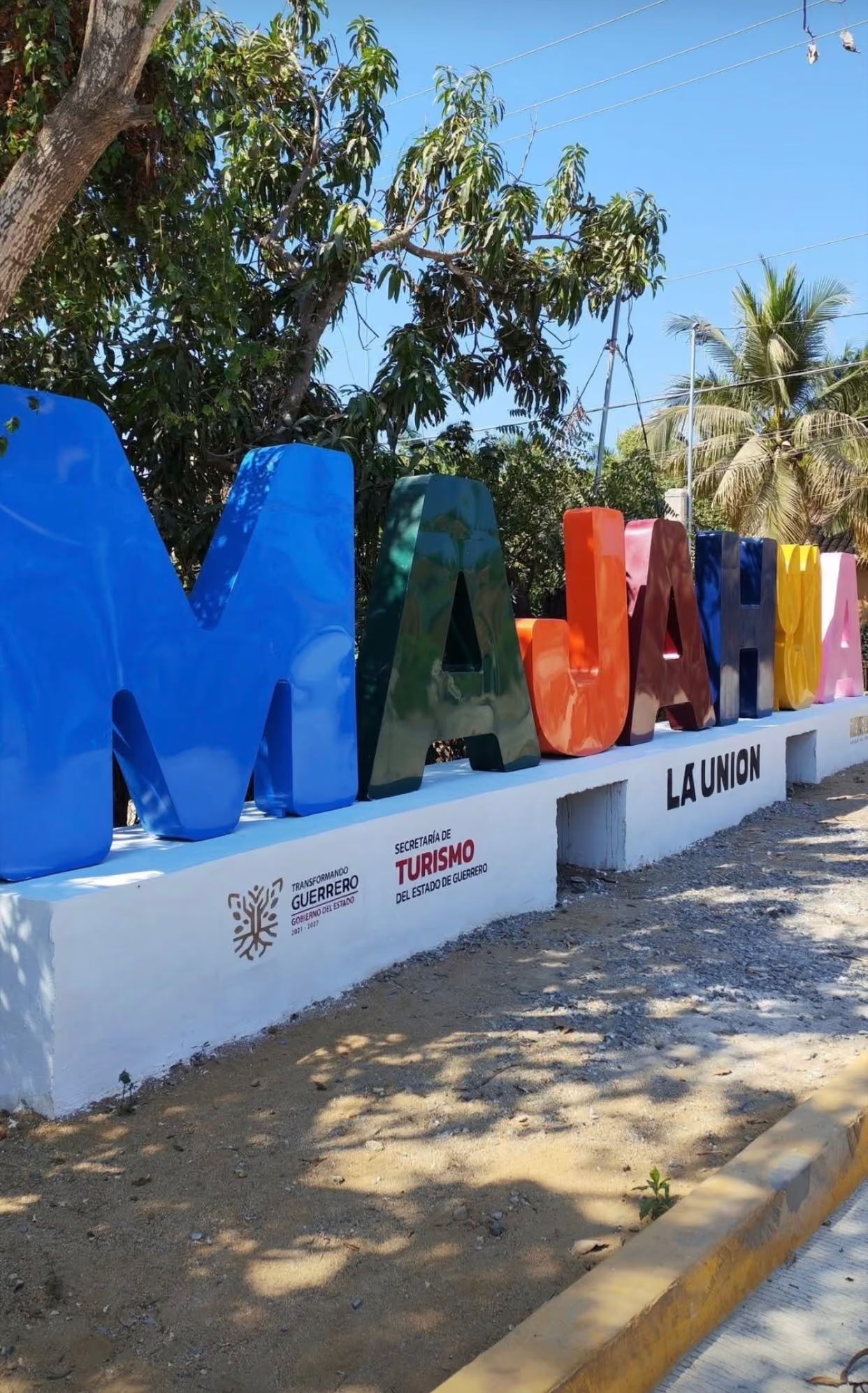
Describing what’s so alluring about Majahua is hard. There’s so much to talk about. The estuary. The beachside restaurants. The fishing fleet. The empty beach. When I first came to visit this area, I was struck by the immediacy of Majahua—how close to the street the buildings were and how narrow the road was—I felt like I was in everyone’s living room. That said, one of the most attractive things about Majahua is its isolation. It’s so much on its own that it’s almost like a state of mind, a place set apart from everything around i
%2017.27.38.avif)
.avif)





.avif)
%20(Spanish)-2.avif)

In the first “A Place Like No Other”, Majahua visitor (and future resident) Robby Blackett talked about his arrival in Majahua and how he felt embraced by the people living in the village. They helped him with everything he needed—a place to stay, food, drink and laundry. The hospitality of the people was more than he expected. He’d never been welcomed like that before, anywhere. And Robby is someone who likes to travel and who’s been “everywhere”. He once was a missionary, a man of the church.
For this second Majahua story, I thought to talk to people who I see in town almost every time I drive or bike through. That would include Yela at her restaurant; Roberto at his bike and craft shop; Jose Luis the comisario; Pepe at the oyster stand and Pepe’s friend Daniel. That’s why there has to be a Part Three. There are a lot of other voices to get in. And I haven’t even touched on its history—how Majahua came to be distinctly on its own, separate from the governance of its larger neighbors, Troncones and Lagunillas.
That’s another important quality of Majahua—its independence and its self-reliance. When I heard a surfer call Majahua a “shanty town”, I felt obliged to point out its sophistication. When someone suggested the people of Majahua needed to learn more about “sustainability”, I had to give them the facts—that the people of Majahua have created a much sought-after retreat from the world without much help from anyone else—that Majahua is the definition of sustainability. More on all that in Part Three.
First, the name—Majahua. Just like Troncones and Manzanillo Bay, its name comes from its trees. And the question—What does Majahua mean to you?
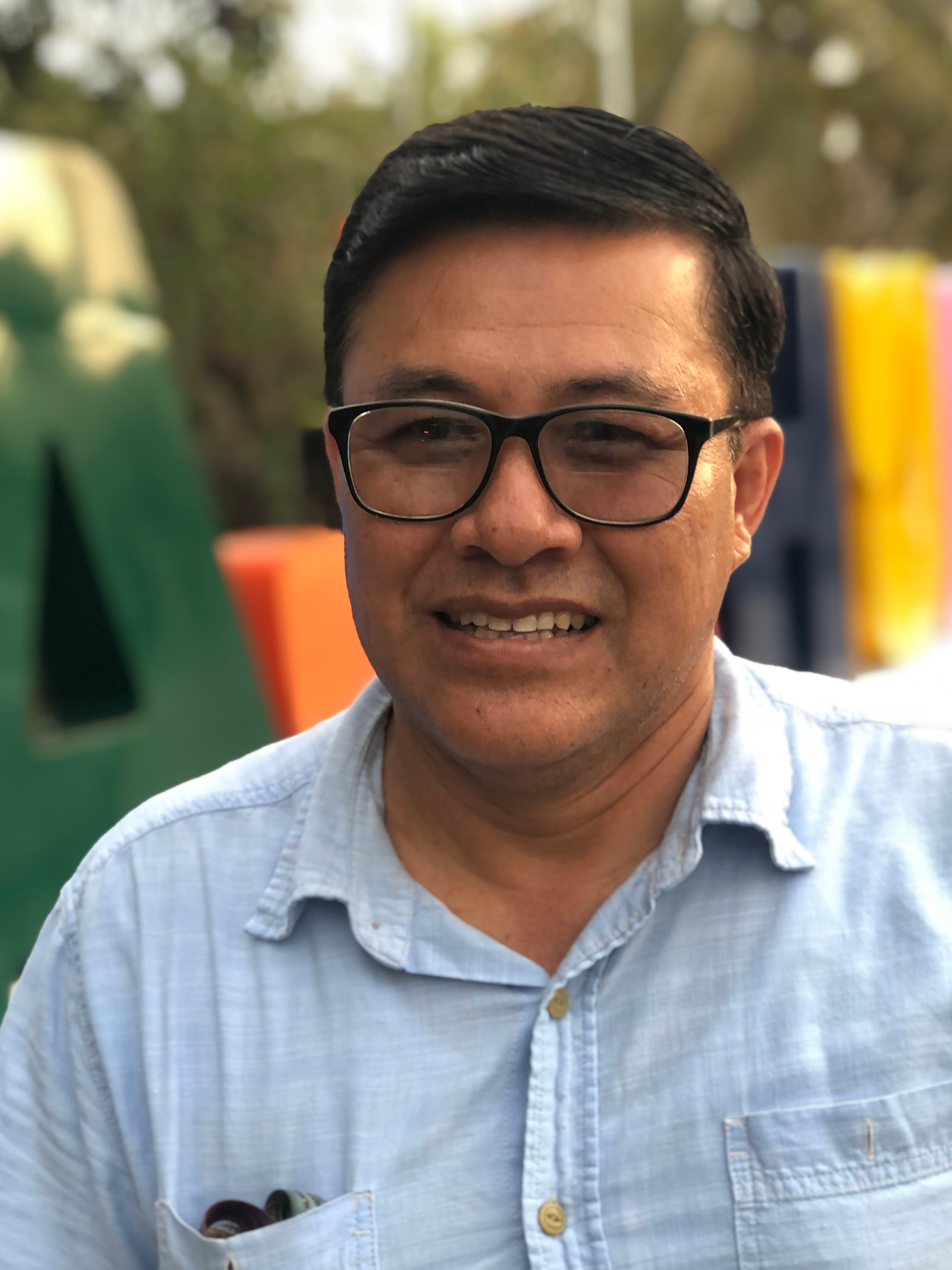
Jose Luis Sánchez: In the ‘70s, there were many Majahua trees along the beach. It’s a tree with heart-shaped leaves and its flowers change color throughout the day, from yellow to orange to red. The fishermen used their bark to make small ropes to tie down their fishing boats and to bind their oars. Today, there’s a Majahua tree next to the restaurant Las Brisas Mexicanas. For me, Majahua expresses itself in the day, in the morning and the sunset, in understanding how time changes. Living here is like being in a paradise—seeing the animals, the plants, the birds and the sea, and having a connection with them. It’s like Majahua transports you to another time and makes you appreciate life more. I love this place.
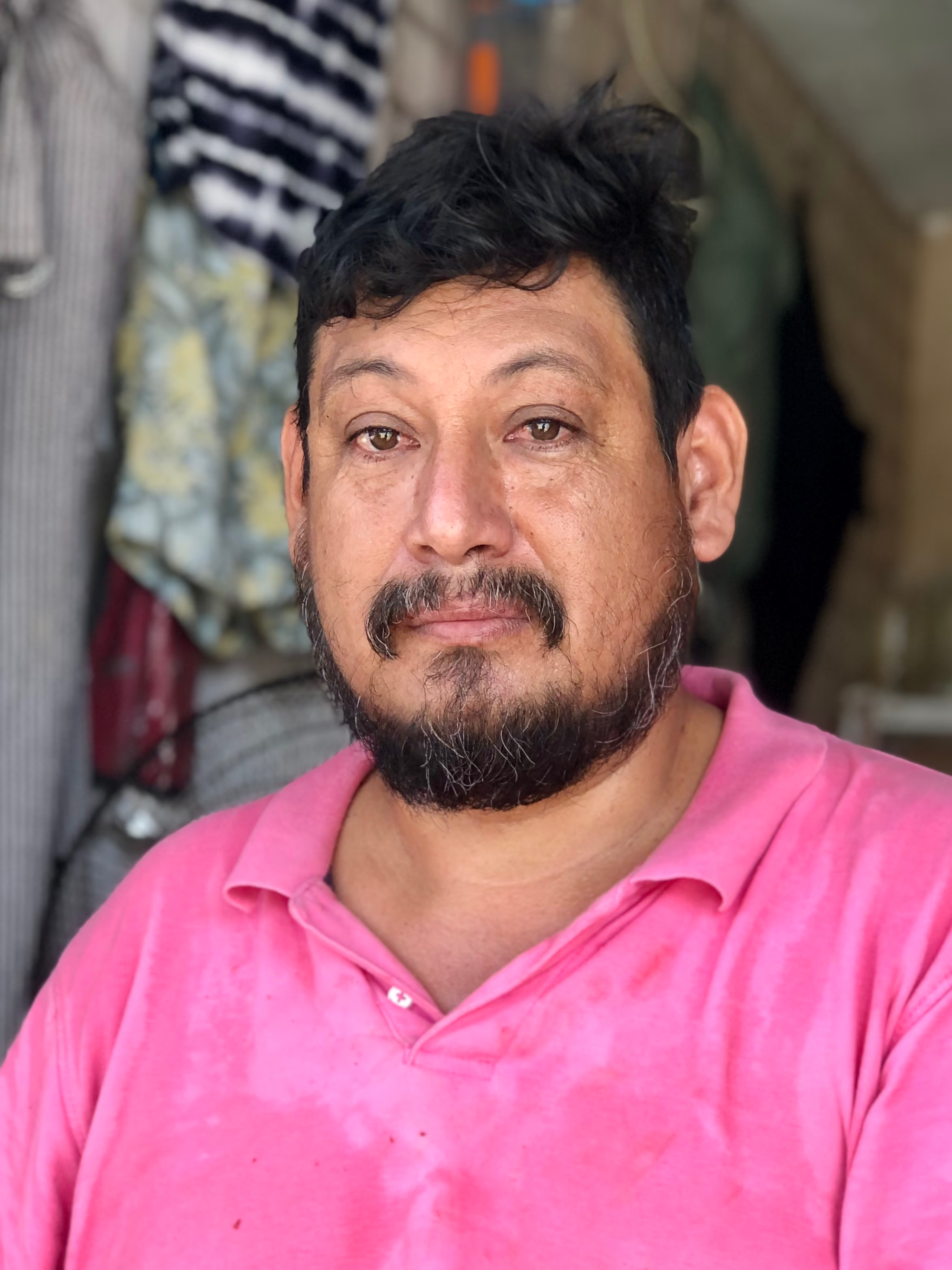
Roberto García: When I arrived here, there were only a few houses, very few people, and almost no Americans. In those years, when my wife was my girlfriend, I had to walk here to see her, from the entrance to Troncones—there were no vehicles, there were no taxis, there were no combis—and, because all the roads were dirt—in the rainy season, the mud along Manzanillo Bay was impassable—so walking was the only way here. I’ve been here now for 25 years and I’m here because my wife is from here. I moved in with her and I don’t want to leave. I found Majahua to be very beautiful. I like its tranquility. It agrees with me. I’ll always love Majahua.
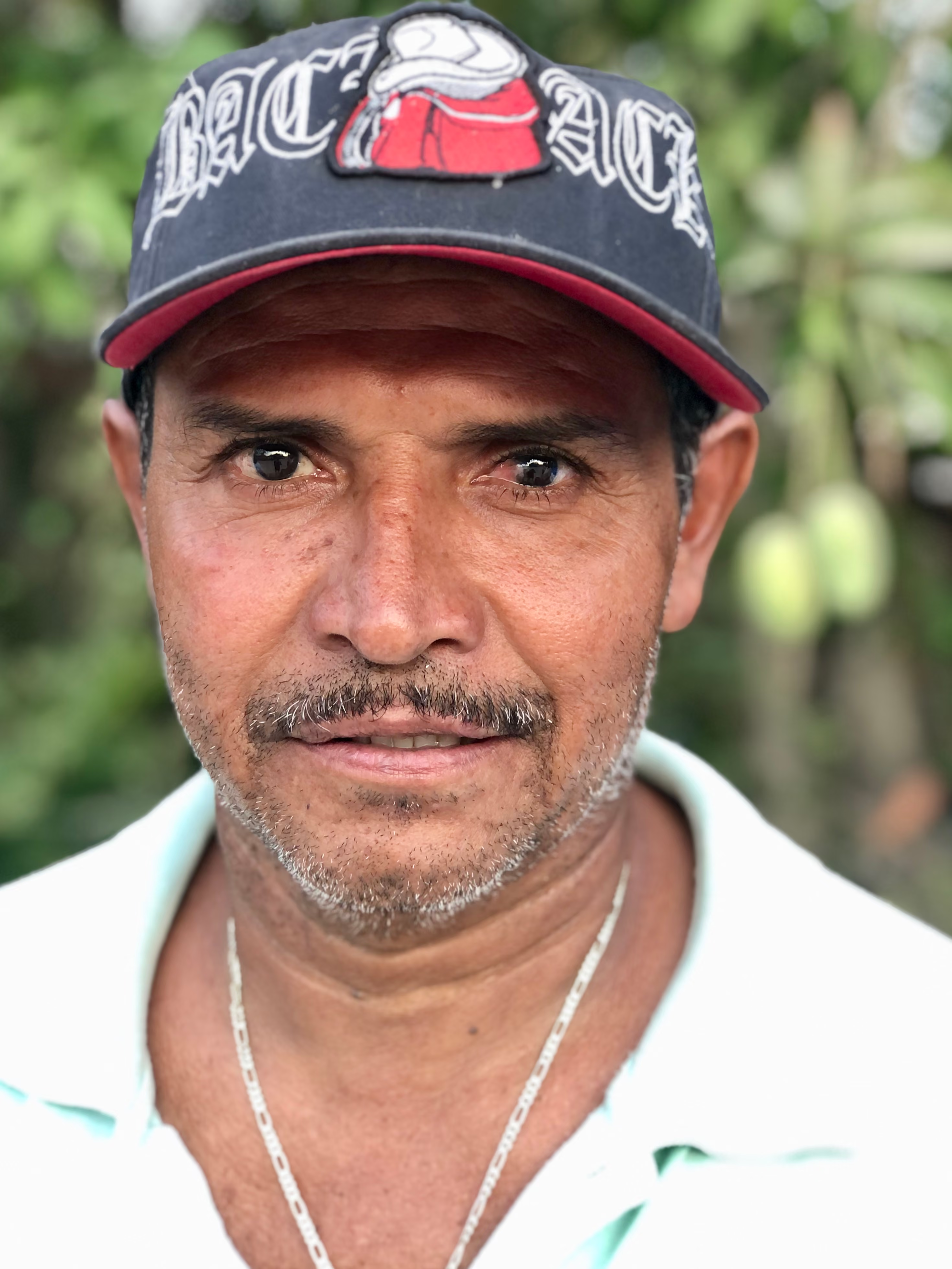
José “Pepe” Lorenzano Maldonado: I was born here, and I have lived here for 55 years. For me, Majahua represents something beautiful, for the tourists and for those of us who live here. I’ve worked here my whole life as a diver. That’s what I like. I’m so grateful to have been born here, and to have so many friendships and meet so many people.
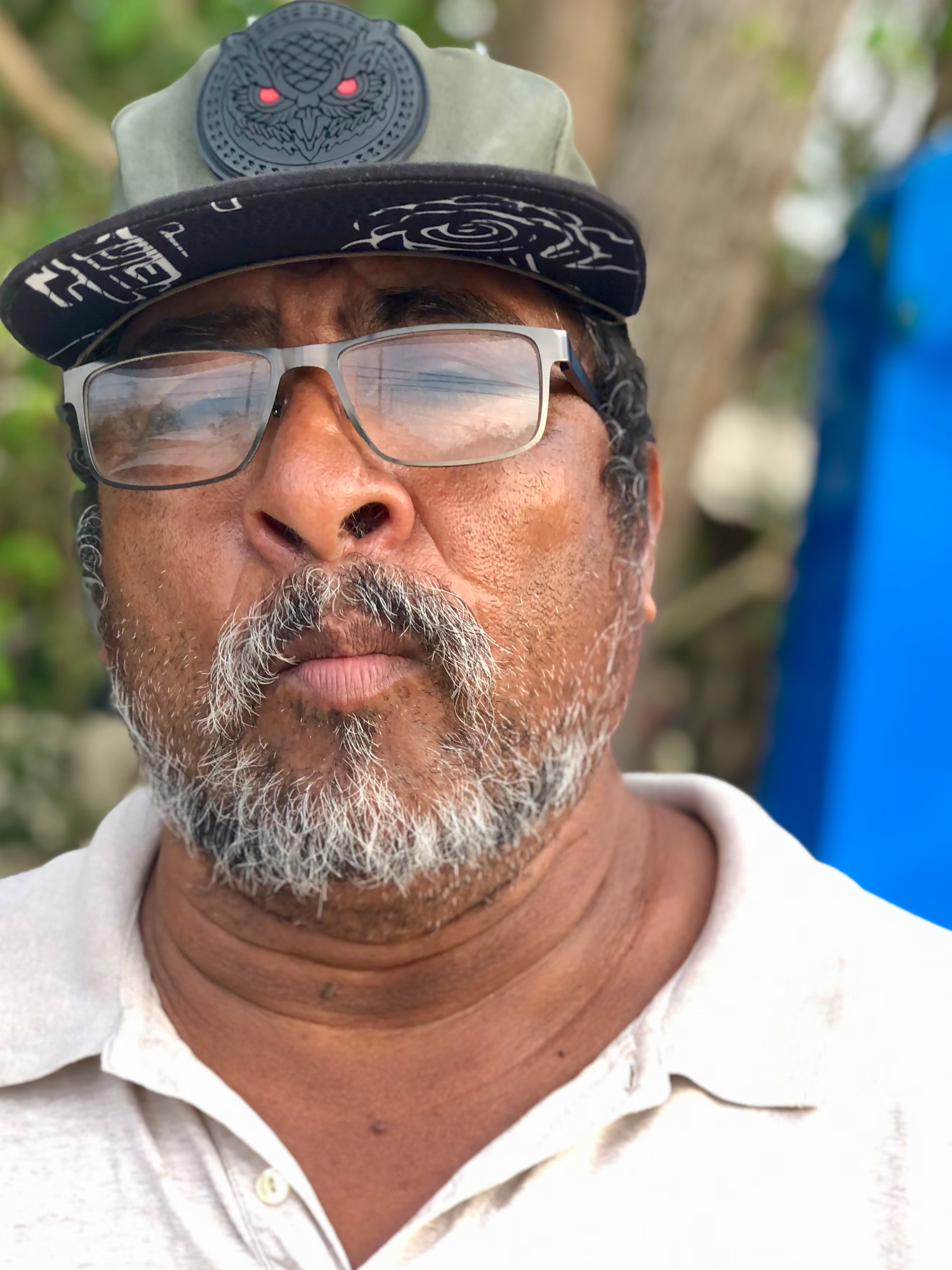
Daniel Núñez Albarrán: I’ve lived in Majahua for many years. It gives me my work—to go out to sea fishing, to take people out for a ride. What we have here is special and it gives us our living. That we get to live here and that we have work in the sea—that’s beautiful.
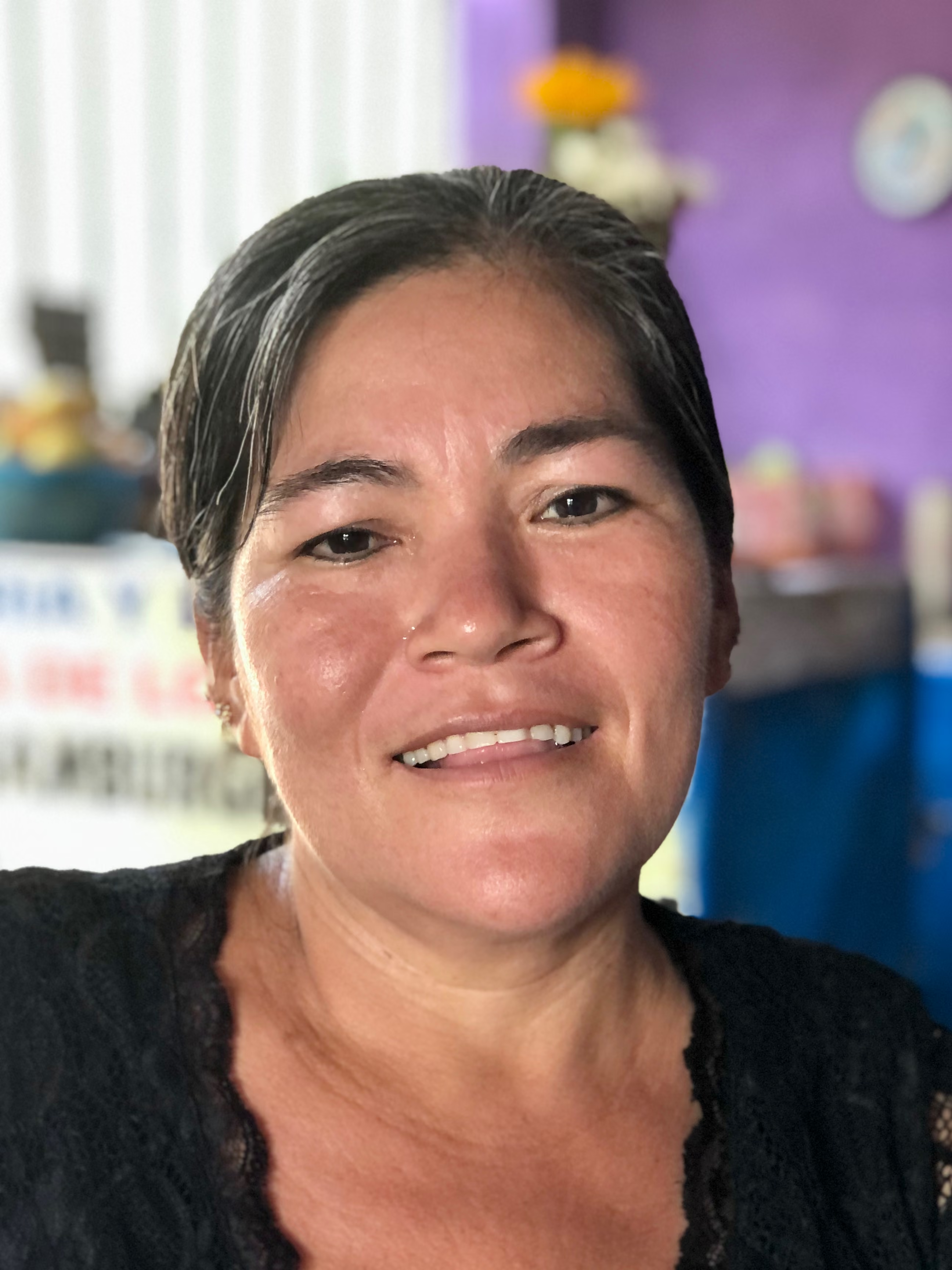
Enedelia “Yela” Gonzaléz: For me, the weather here is the best—in hot weather, it’s humid with gusts of air keeping things moving—in cold weather, it’s very fresh and pleasant. In all four seasons of the year, Majahua is excellent. It’s a beautiful and harmonious place and I personally love it because it’s easy for me—I was born here, grown here—and I’m glad so many people come visit us and stay here.
LINK
https://www.laondatroncones.com/live/la-majahua-a-place-like-no-other
.avif)