The Ruins Next Door
An abandoned building becomes much more than anyone imagined it would be
La Onda’s co-founder reflects on her move here and the first two projects that sparked her creativity—and connected her to the community.
.avif)





.avif)
%20(Spanish)-2.avif)

For more than fifteen years, I traveled from New York to Majahua during school vacations to visit family. Like a lot of people who spend time here, I would daydream about what it might be like to stay longer. Then a month would pass, life would resume, and the dream would get packed away again.
The pandemic changed that.
Real estate prices where we lived went crazy. Benito’s kids were already off building their own lives, and my daughter Ruby was getting ready to leave for UCLA. We found ourselves standing at one of those crossroads that arrive whether you’re ready or not.
If we were ever going to make a dramatic change, this seemed like the time.
I’ve always loved houses. Long before we moved to Mexico, I spent an embarrassing amount of time looking at real estate listings around Troncones, Majahua and beyond. Most of them didn’t feel like us. Condos came close, but I’ve never been much of a communal-living kind of gal.
Then I remembered a listing I’d seen on an obscure Spanish-language website.
The photos were terrible.
The house was an aging hacienda in Majahua with yellow walls, bars on the windows, tinted glass, outdated tile, and years of neglect. It had been sitting empty for a long time. It wasn’t exactly love at first sight.

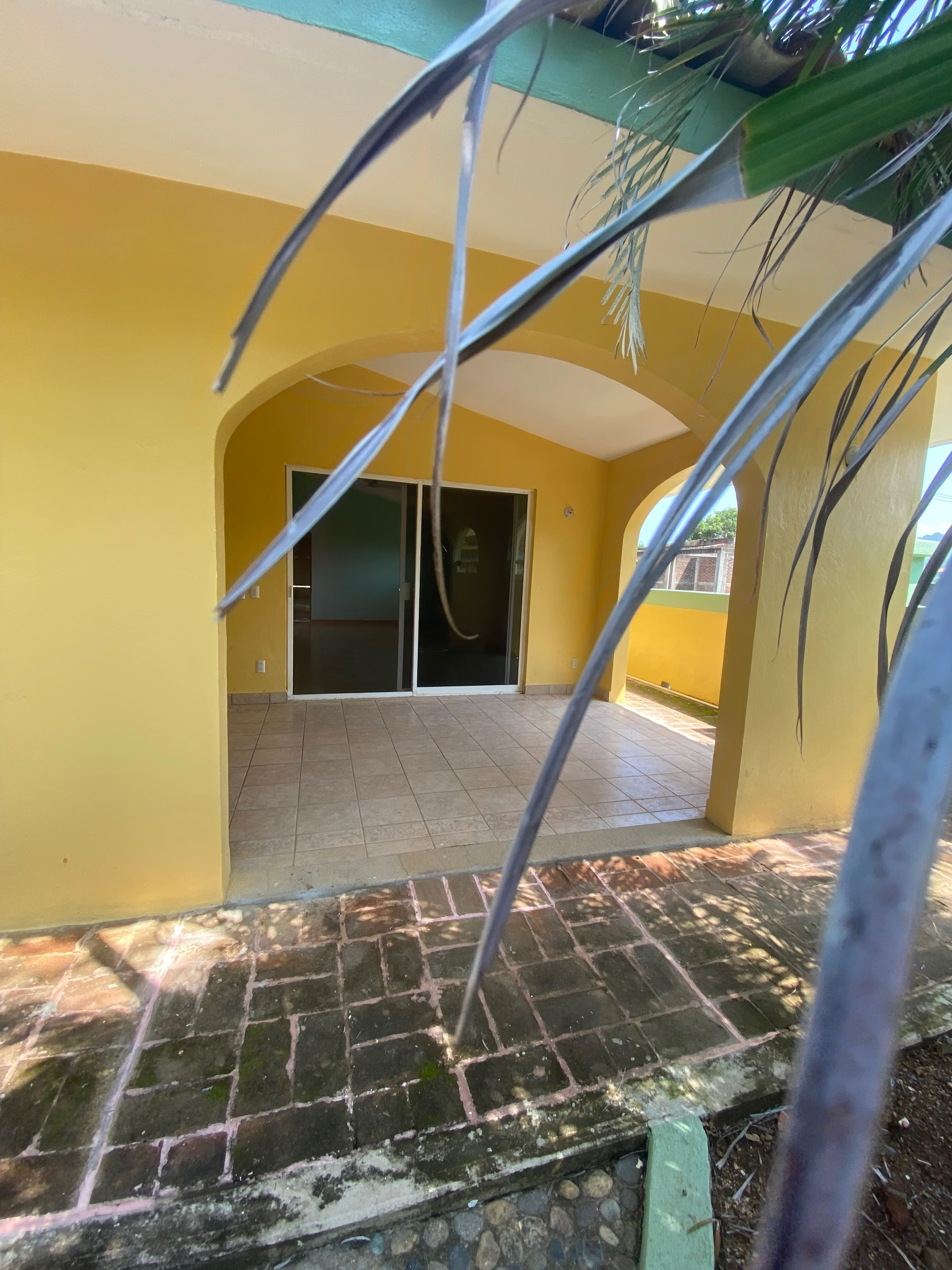
But I couldn't stop thinking about it.
When we finally came down to see it, I discovered something important. Underneath all of the cosmetic issues, it felt solid. More importantly, it felt like it had possibilities.
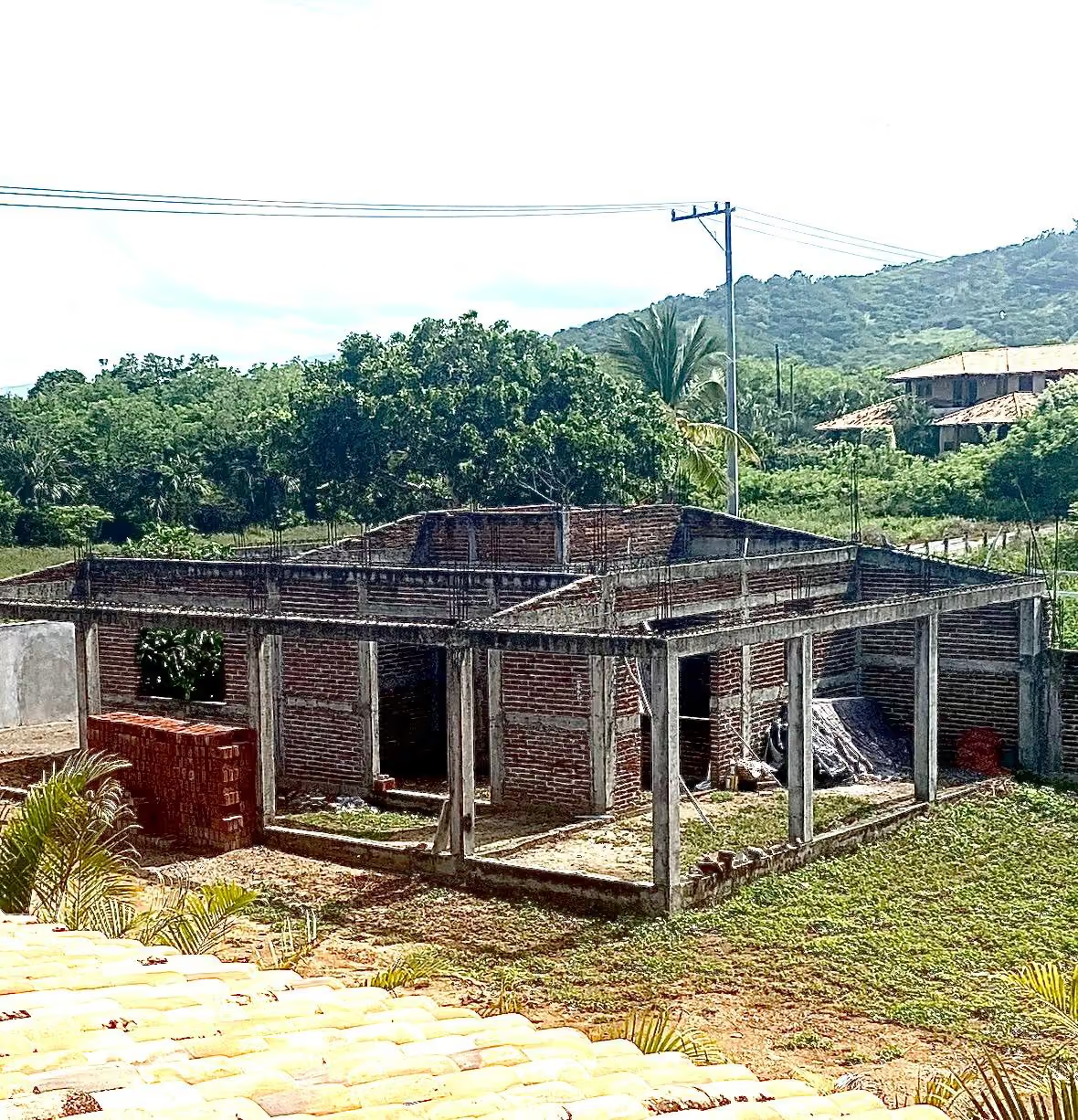
The property came with a second lot next door. On that lot sat a crumbling brick structure with no roof, no floor, no plumbing, no electricity, and no apparent purpose. We would later refer to it simply as “The Ruins”.
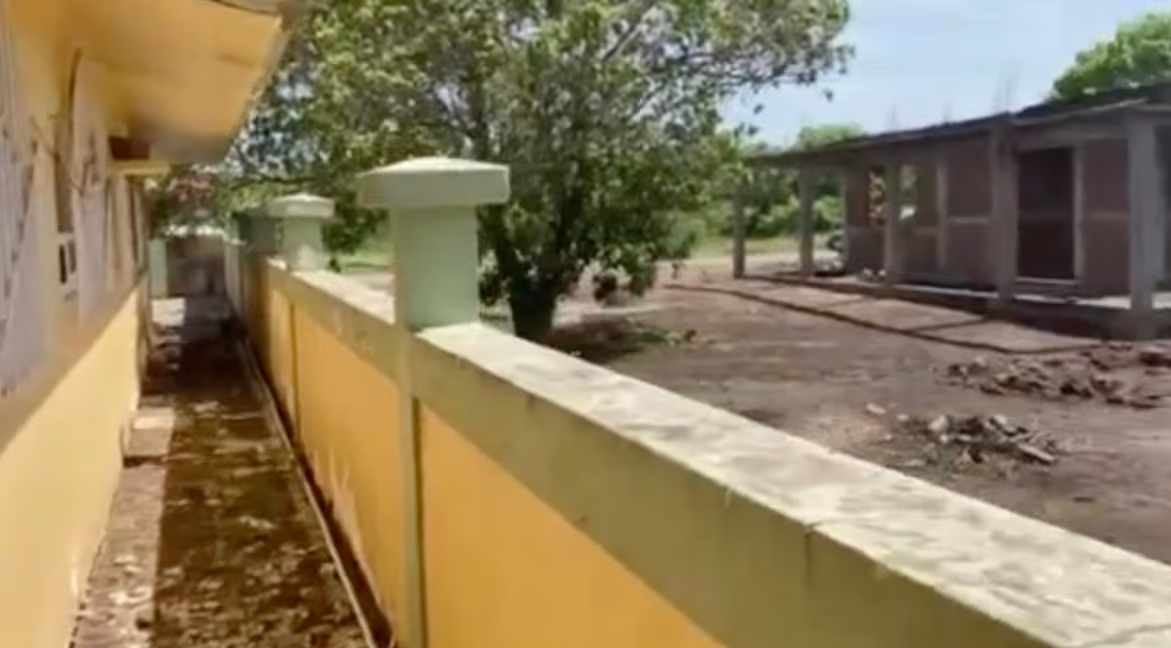
At the time, we had absolutely no plans for the second lot.
No budget.
No vision.
No timeline.
We were buying a home, not starting a construction company.
In November we packed up the house where I had lived for nearly eighteen years. The following month, with three pets and a van full of essentials, we drove south toward our new life.
We arrived in Majahua on Christmas Eve.
My mother had somehow managed to equip the house with a refrigerator, a stove and a mattress. Even more miraculous, our moving truck—containing nearly everything we owned—arrived the very same morning. To this day I have no idea where it spent the previous month.
The timing felt impossible.
Then the work began.
We had no architect. No master plan. Our Spanish was still a work in progress. We knew a local builder through family connections, and one day we sat down with graph paper and pencils and started drawing.
That was pretty much the beginning.
We camped out in the living room while the house was transformed around us. Old tile came out. Windows and doors were replaced. Dark spaces were opened up. A giant tiki bar in the courtyard disappeared. Room by room, the old hacienda started becoming something else.
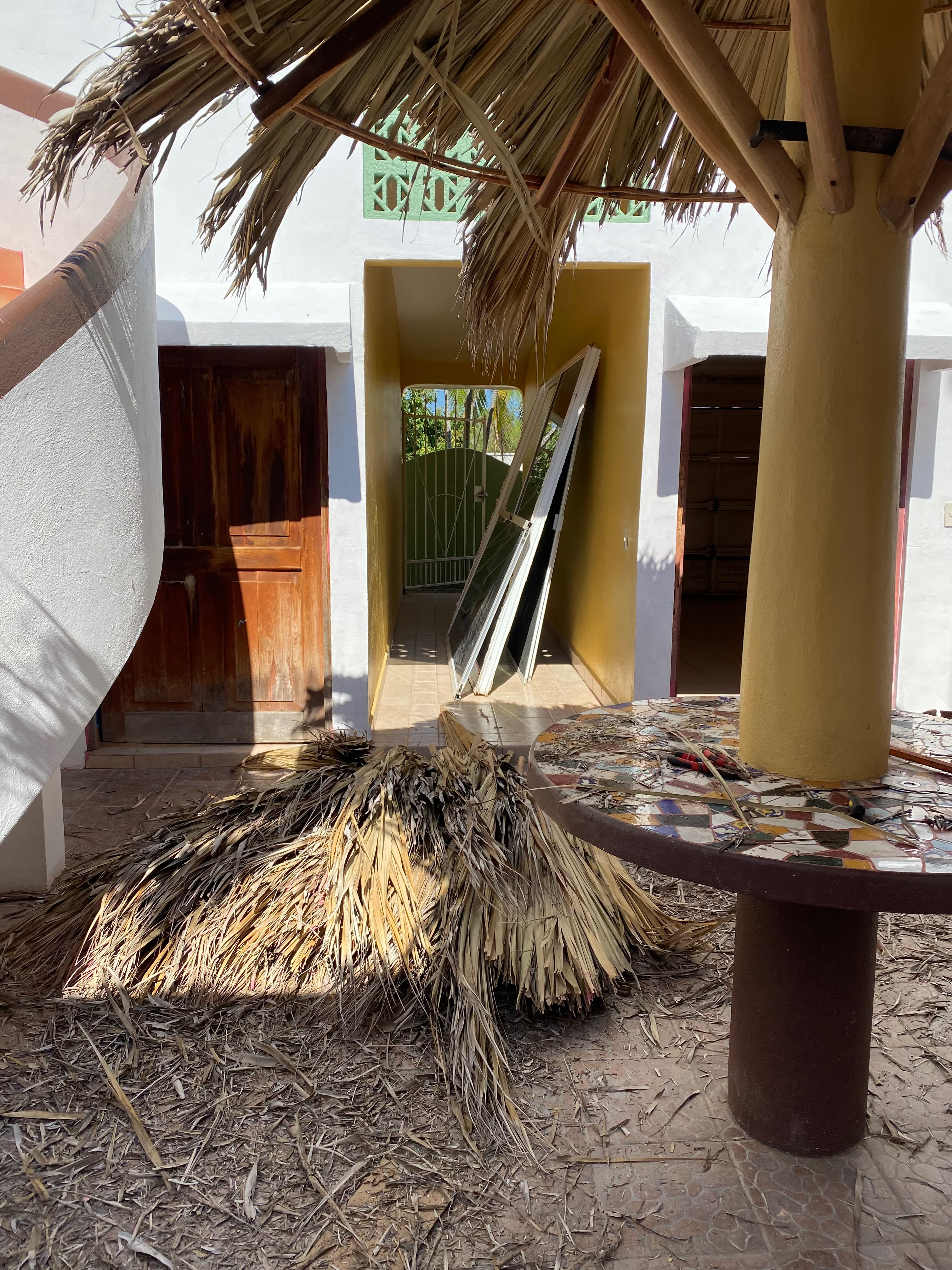
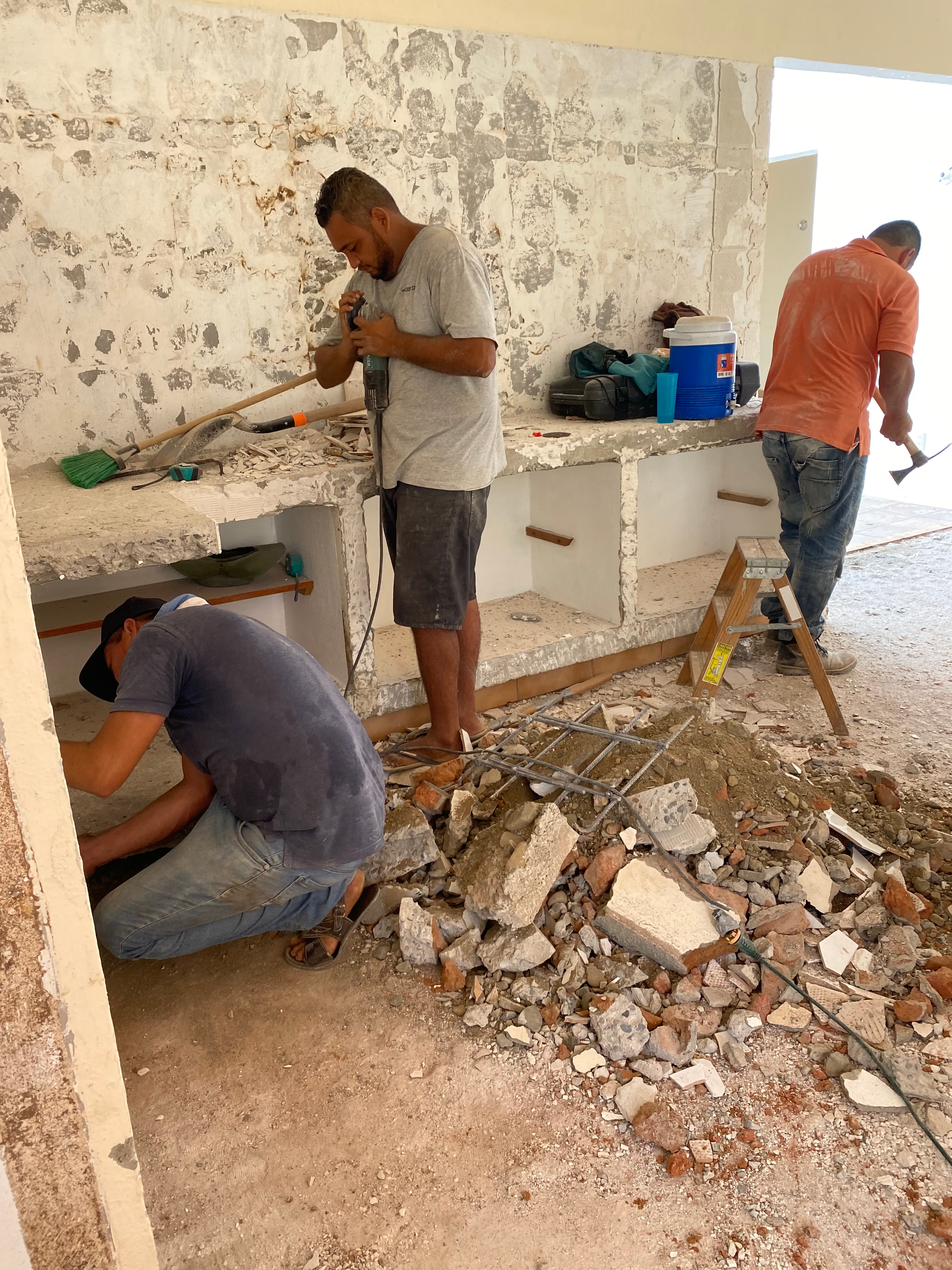
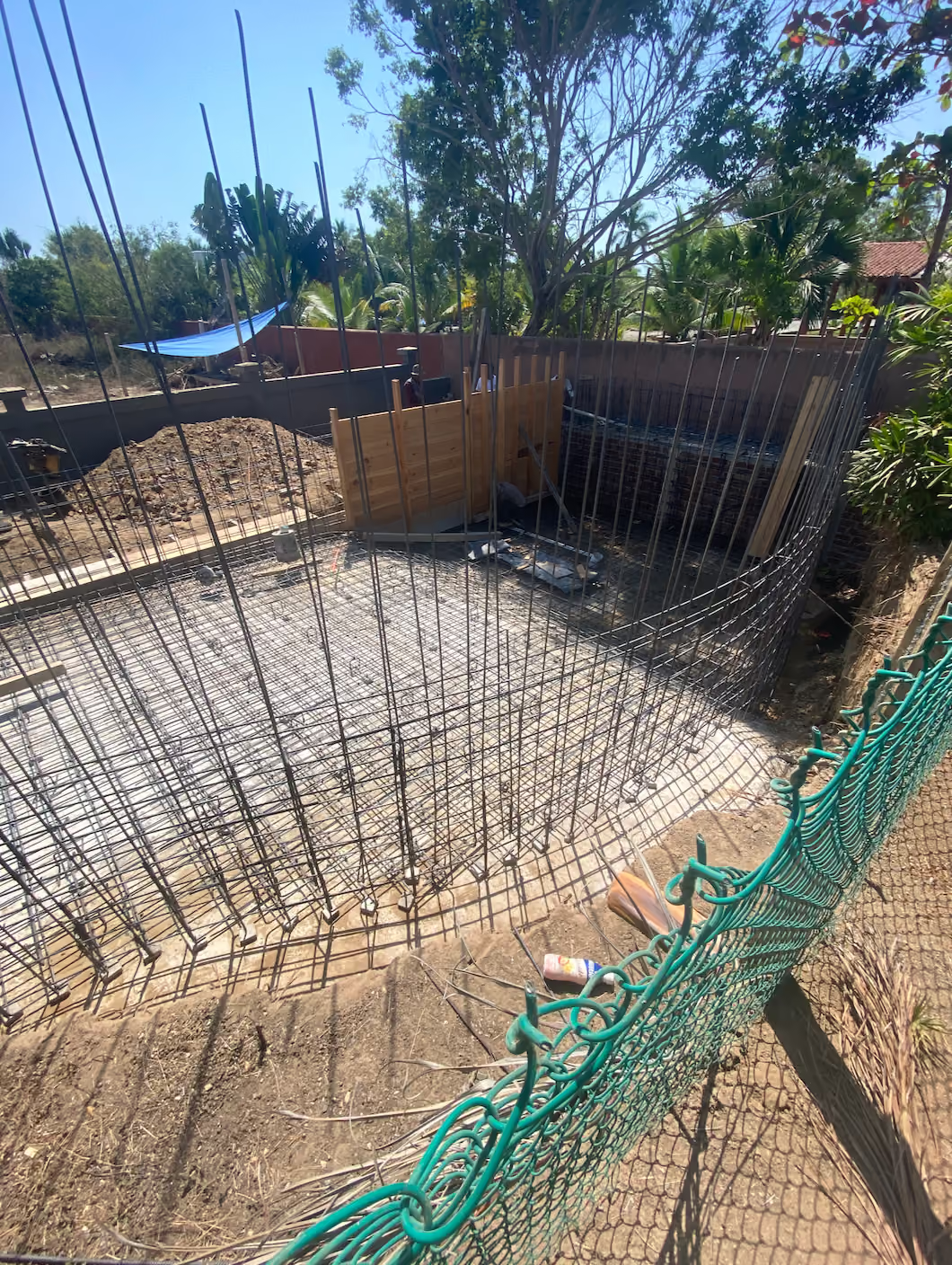
I loved every minute of it.
Well, maybe not every minute.
Living inside a construction zone for six months has its challenges.
Still, I found myself fascinated by the process. Every day there was a new problem to solve, a new material to choose, a new detail to figure out. Along the way I became friends with builders, plumbers, electricians, carpenters, welders, tile vendors and hardware store employees.
I also learned Spanish much faster than I expected.
By the time Casa Nube Rosa was finished, the house had become almost unrecognizable from the one we purchased.
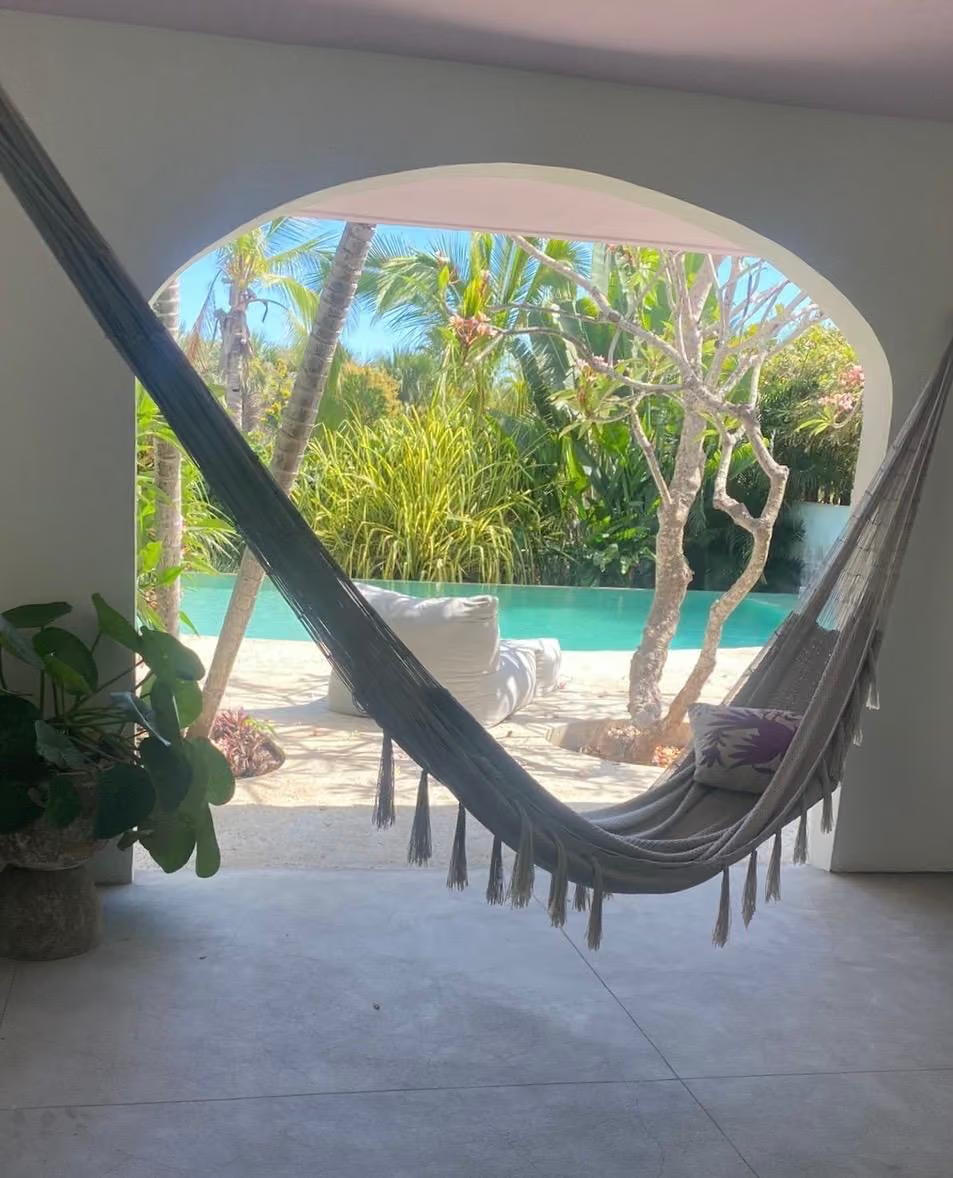

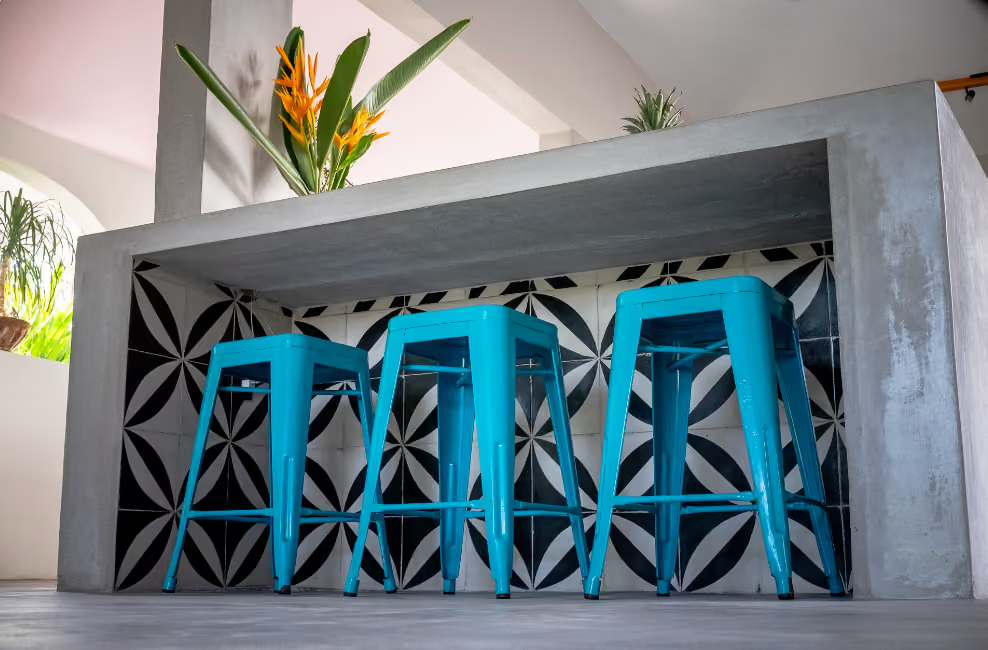
The exterior was white. The ceilings of the veranda and upstairs terrace were painted the faintest shade of pink. The old dark spaces were gone. Gardens started taking shape.
One of the biggest surprises was discovering that Benito is a plant genius.
I don’t know if he knew this before we moved here.
I certainly didn’t.
Suddenly there were giant potted plants, flowering trees, tropical specimens, fruit trees, and gardens everywhere. The landscaping became just as important as the architecture. Plants divided rooms, softened hard edges, framed views, and created privacy.

Finally, after months of construction, we had a home.
And then I looked over the wall at the ruins.
The second lot was still mostly empty. There were no trees. No walls. Just a dusty parcel with a deteriorating brick structure in one corner and a few mysterious freestanding walls elsewhere.
Most people would have seen a problem.
I saw a ghost.
There wasn’t much there, but there was enough.
I could see the outline of something I wanted to build.
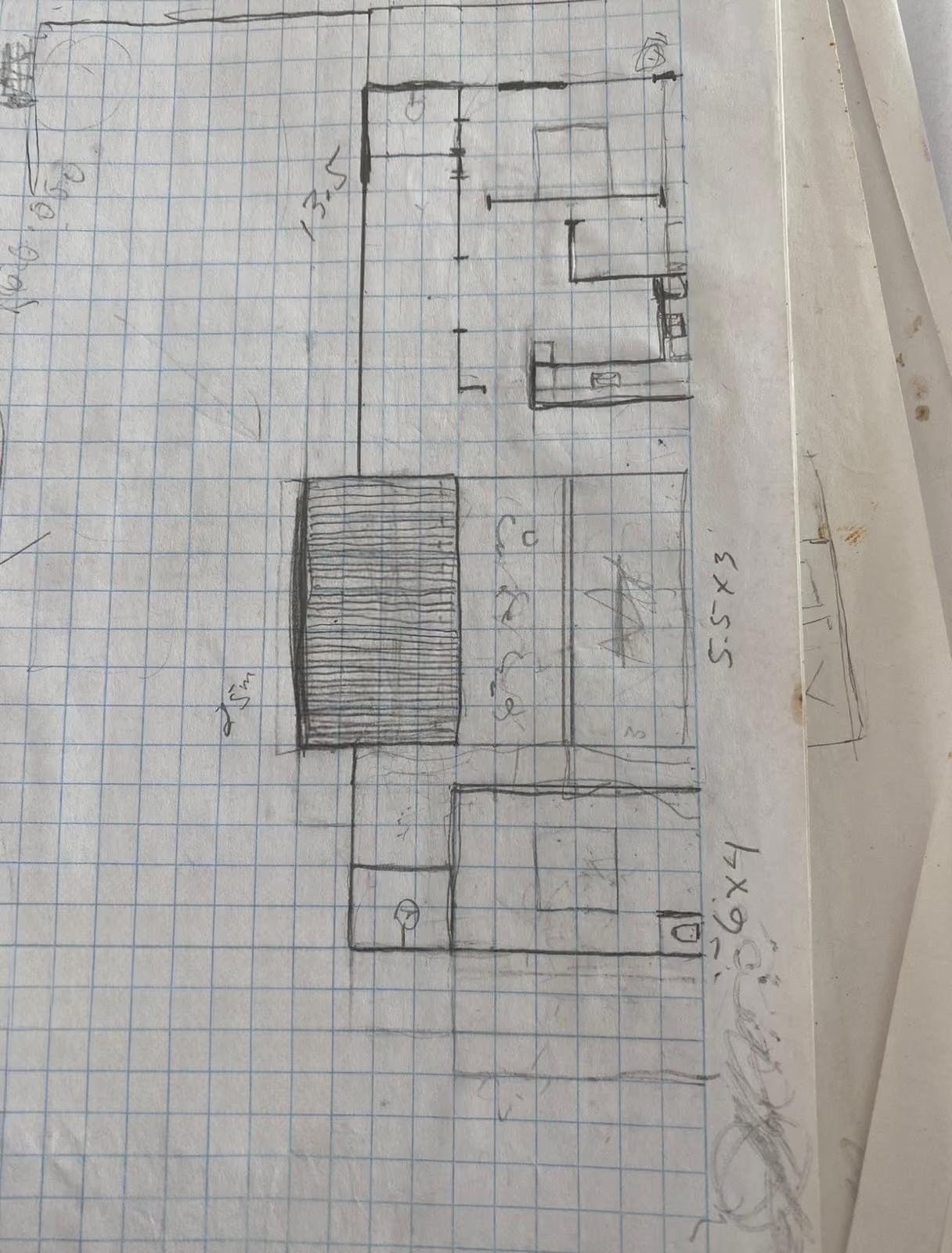
I imagined a small pool right in the middle of the house. I liked the idea of being able to roll out of bed and into the water. I wanted outdoor bathrooms immersed in gardens. I wanted a space that felt open to nature while still feeling comfortable and private.
People had opinions.
Did it really need two bedrooms?
Did it really need a pool?
Wouldn’t a simple one-bedroom casita make more sense?
Maybe.
But I wanted the pool.
And I wanted the second bedroom.
The original ruin became one bedroom, part of the kitchen and entry sequence. A second structure was built opposite it. Between the two sits a 3-by-7-meter pool—just big enough—which became the heart of the property.
Every morning, I would walk upstairs to the balcony of Casa Nube Rosa and look down at the construction site. Watching the bungalow emerge felt completely different from renovating the hacienda.
The hacienda had been a transformation.
The bungalow felt like creation.
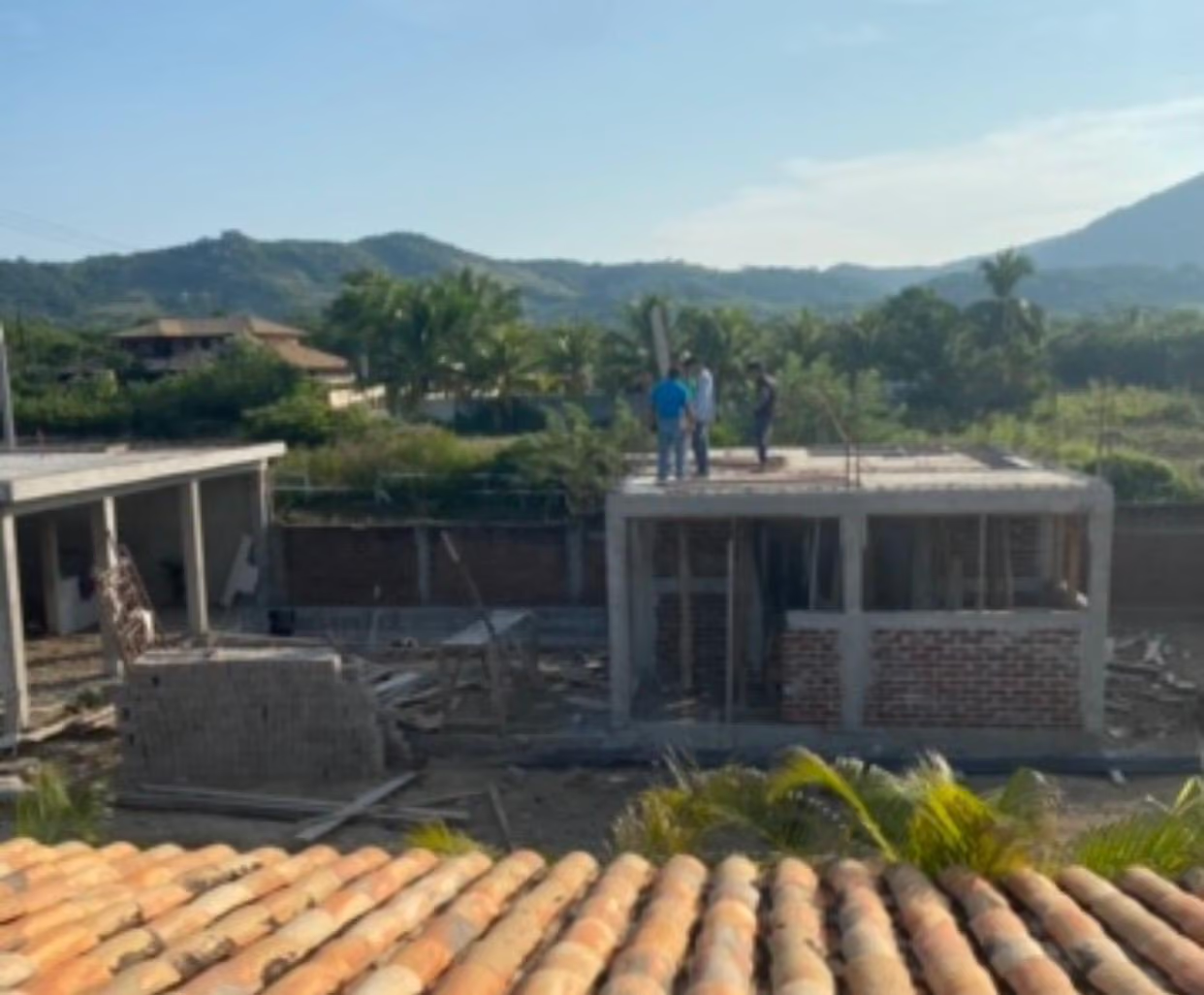
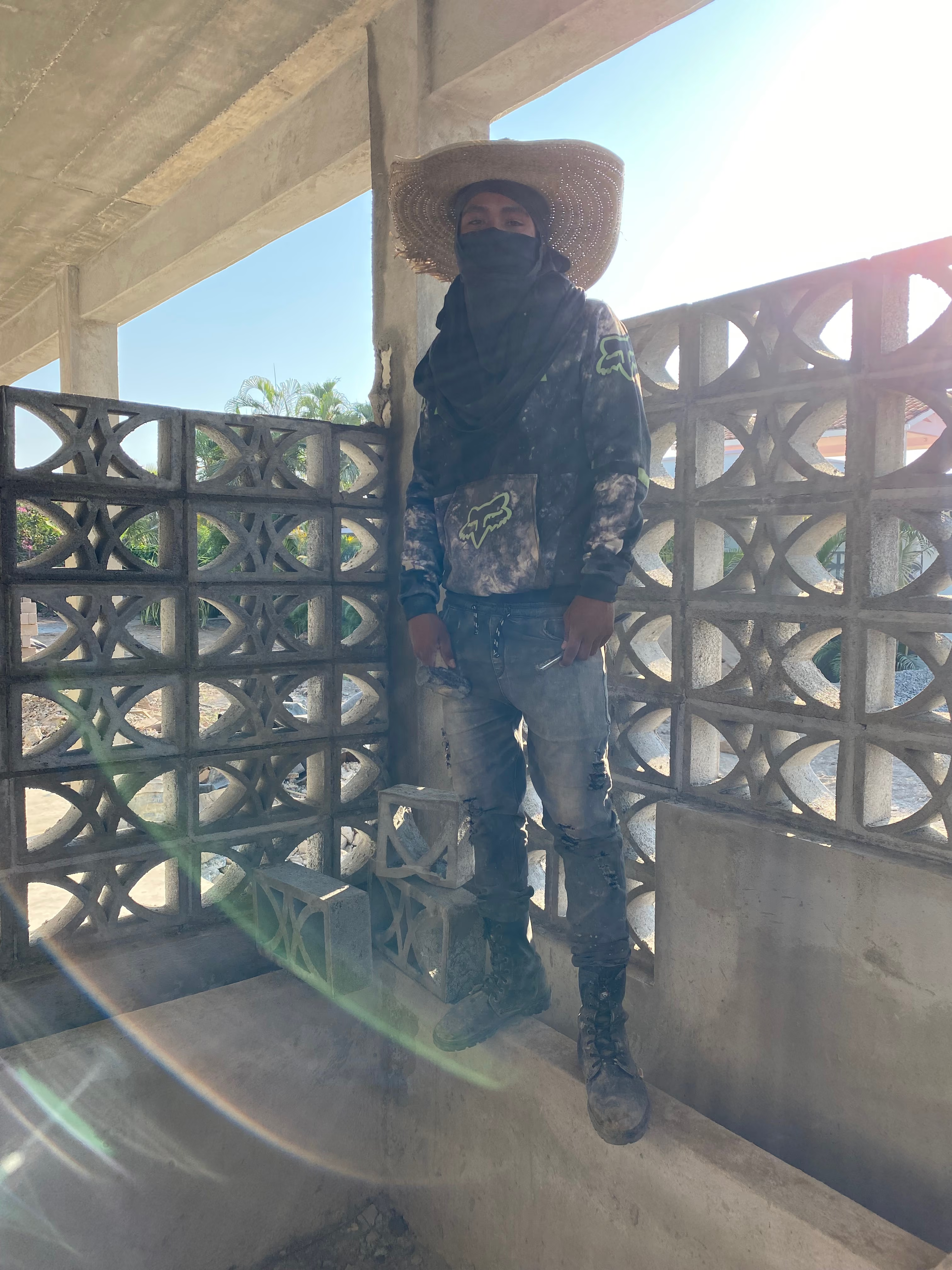
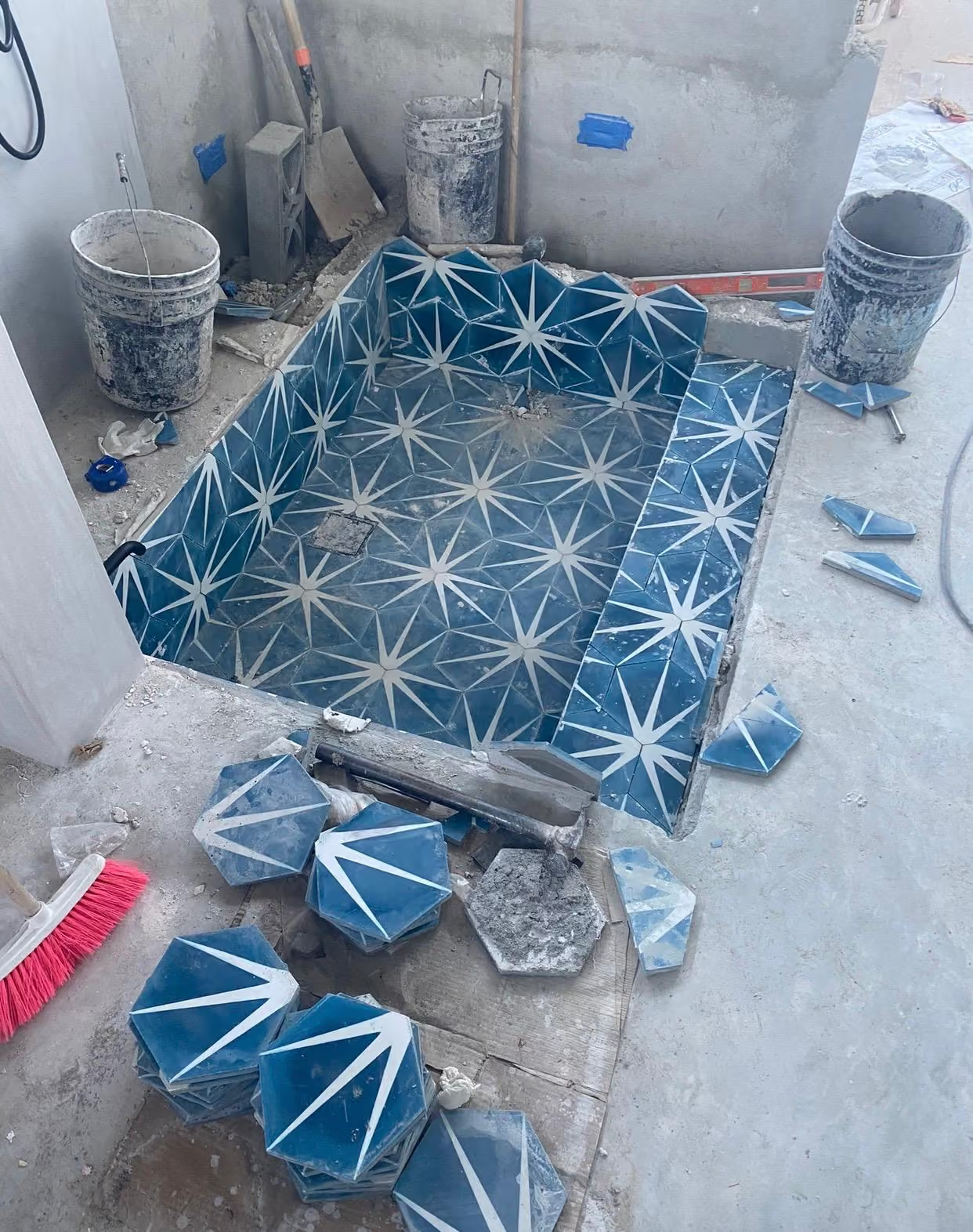
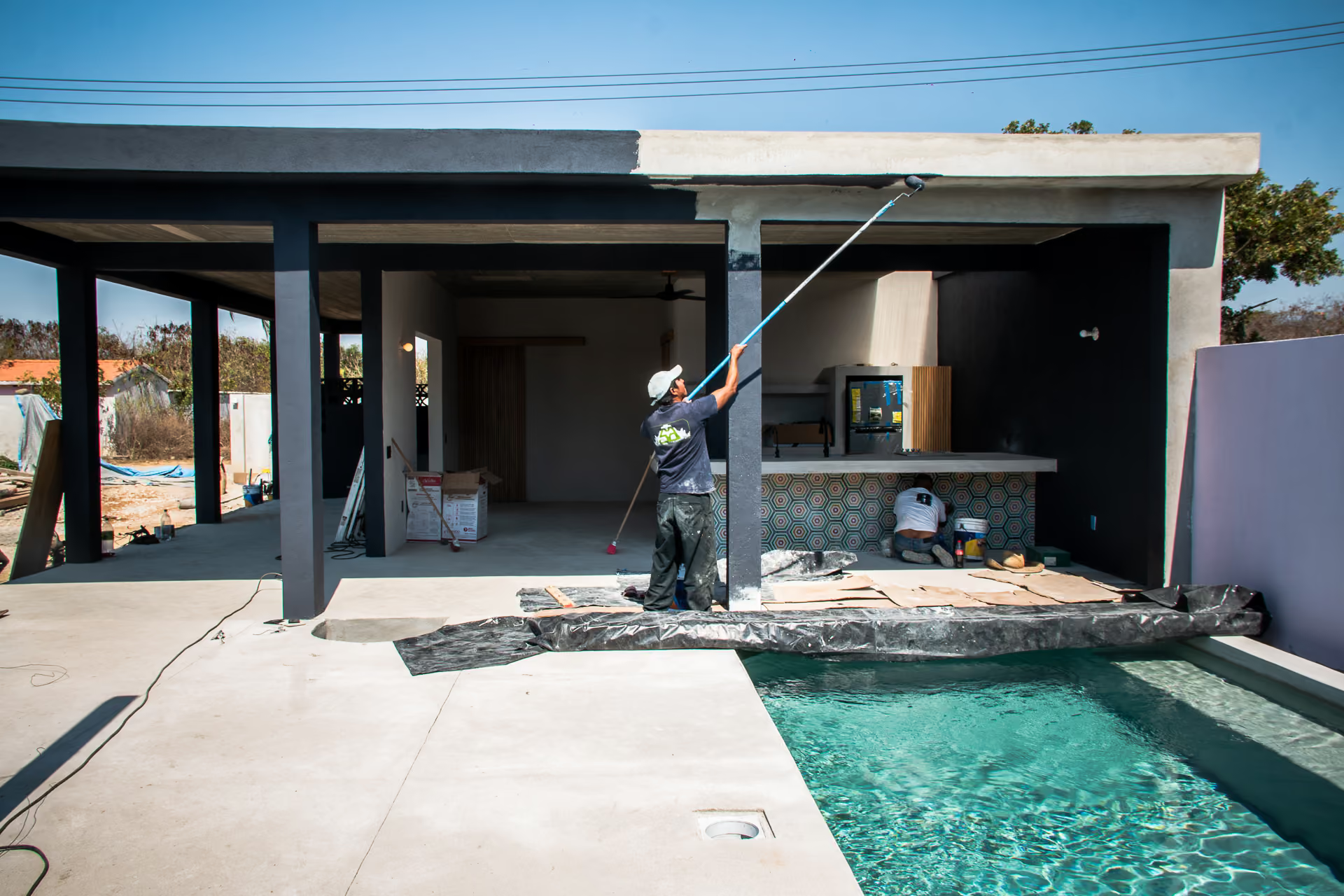
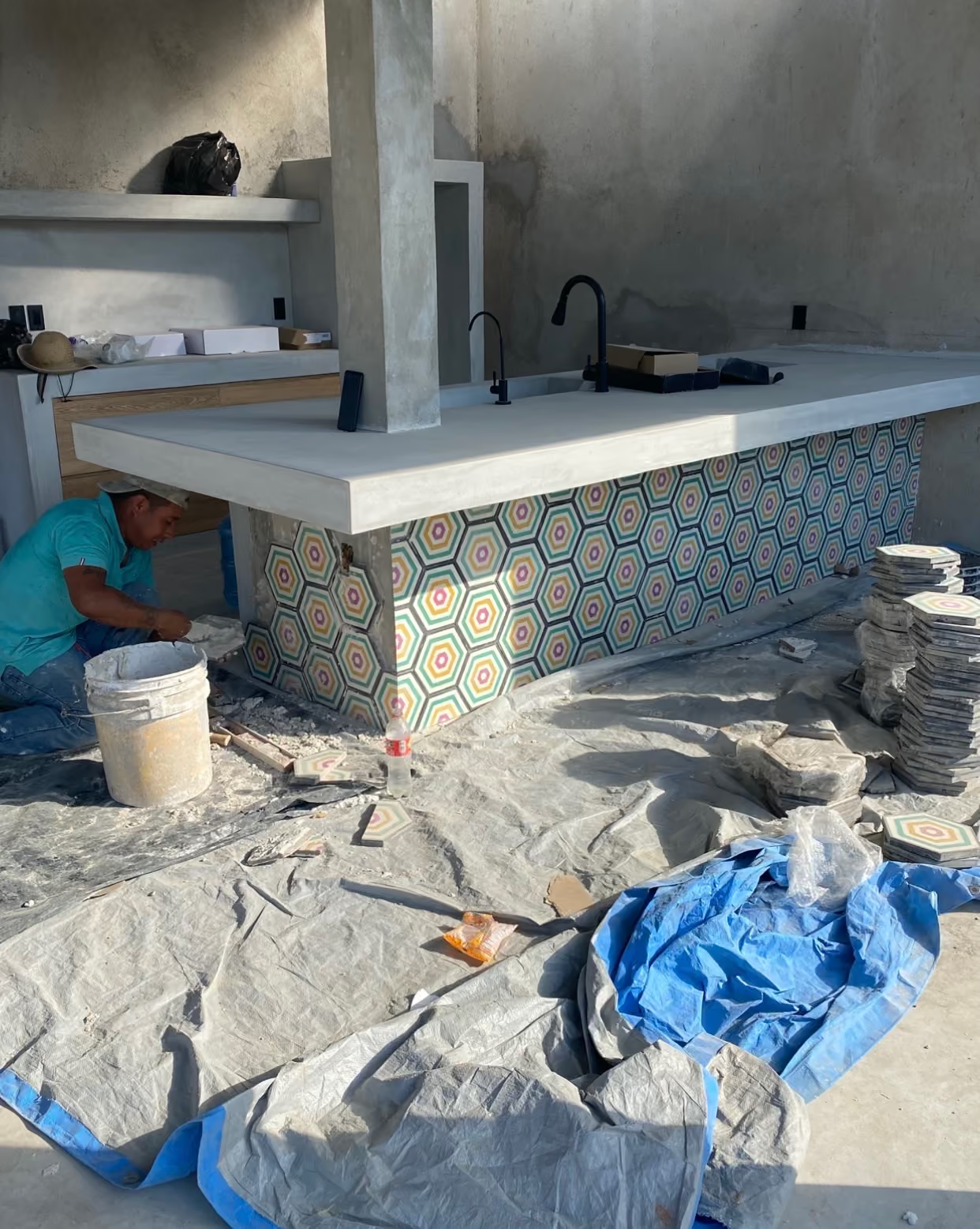
We used many of the same craftsmen and builders who had worked on the first house. We experimented. Some ideas worked immediately. Others took a few attempts. We figured things out as we went.
Today, the bungalow is almost the opposite of Casa Nube Rosa.
The hacienda is white, soft and filled with arches. The bungalow is low, dark, geometric and modern.
I sometimes think of them as bride and groom.
One wears white.
One wears black.
What connects them are the gardens.
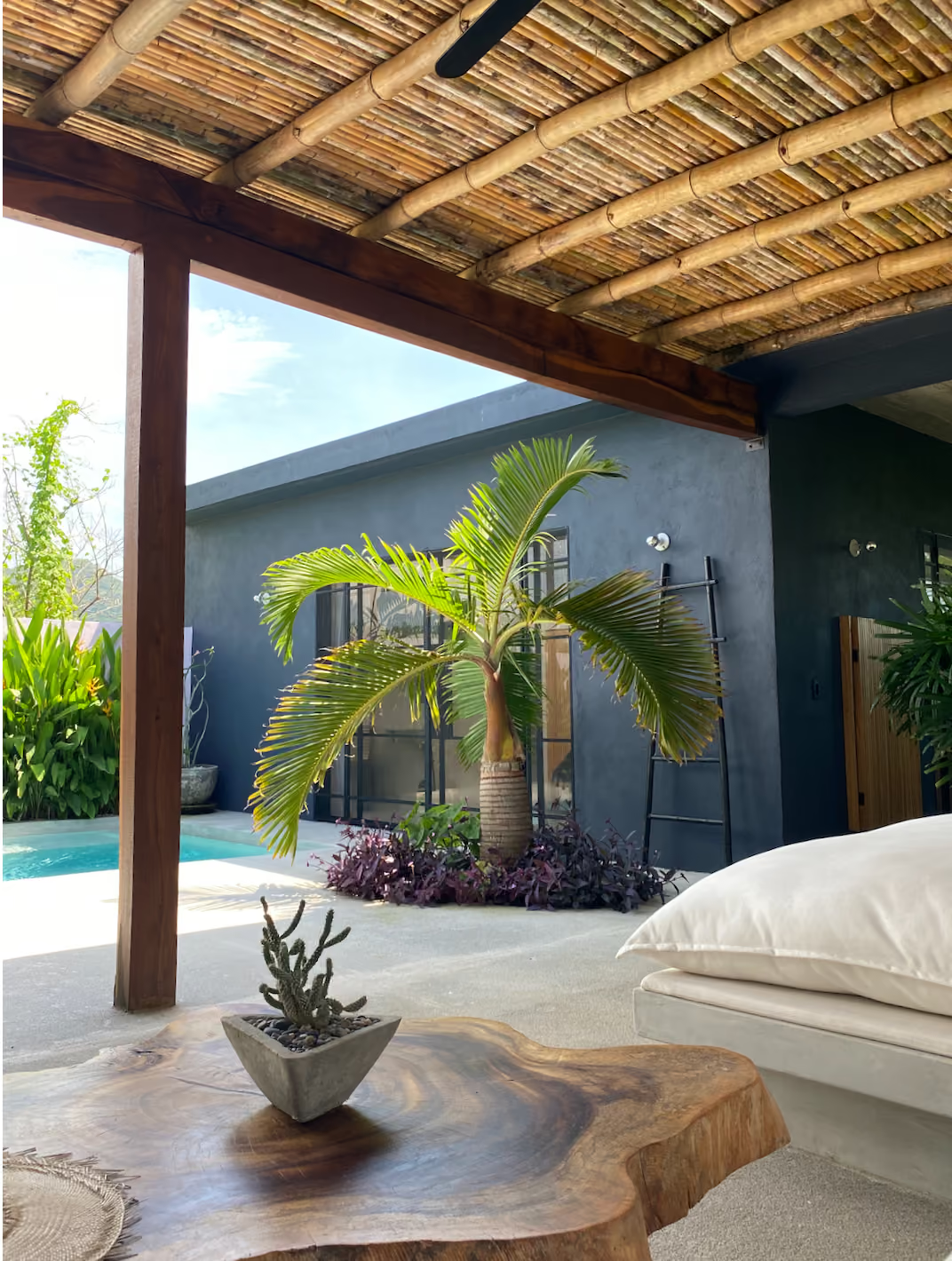
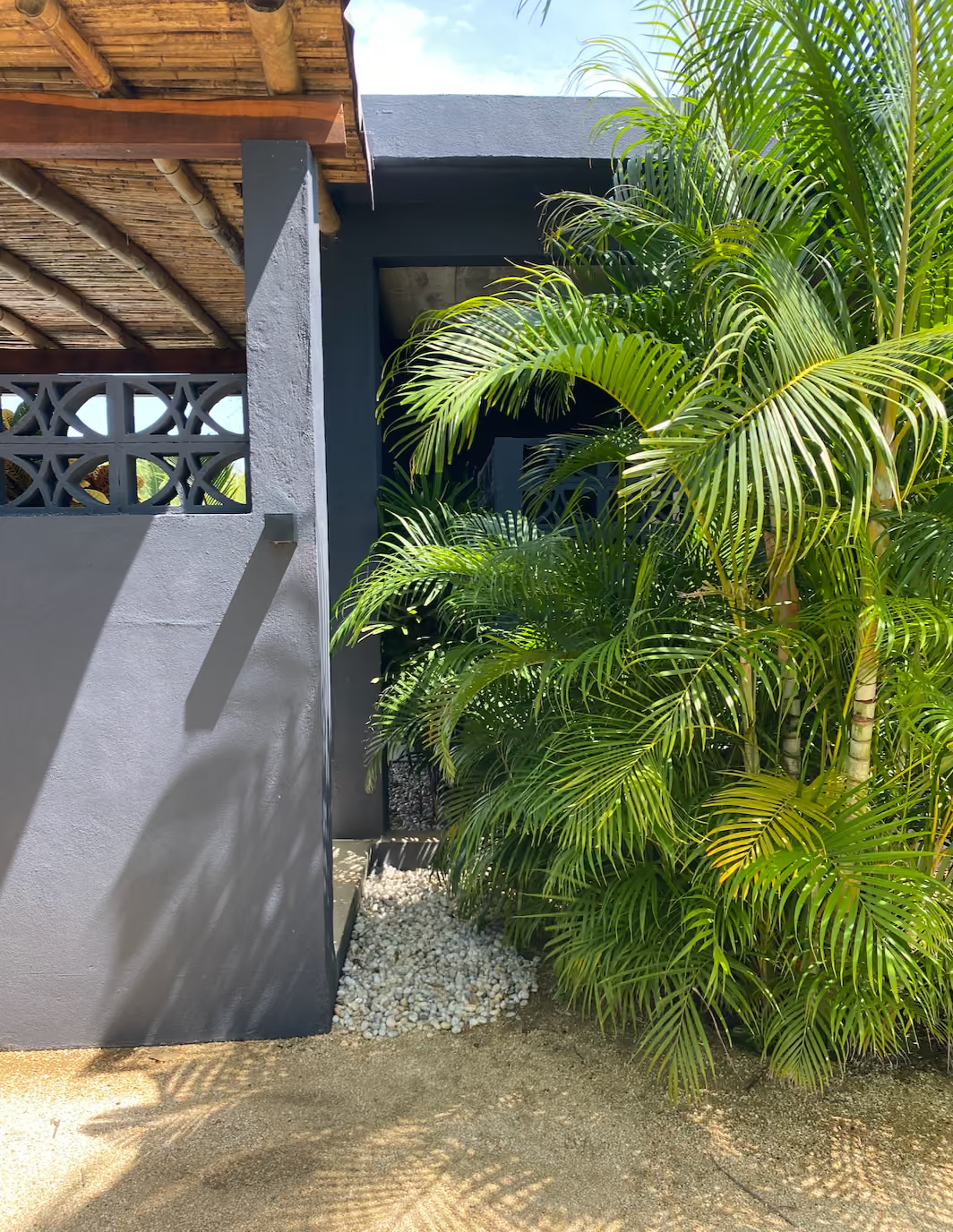
Guests often comment on the same things: the tranquility, the space, the gardens, the comfort of the beds, and the feeling of being tucked away from everything while still being a short walk from the beach.
The Pacific is close enough to hear. Majahua is a short walk away. Boca de Lagunillas is nearby. The mountains rise in the distance.
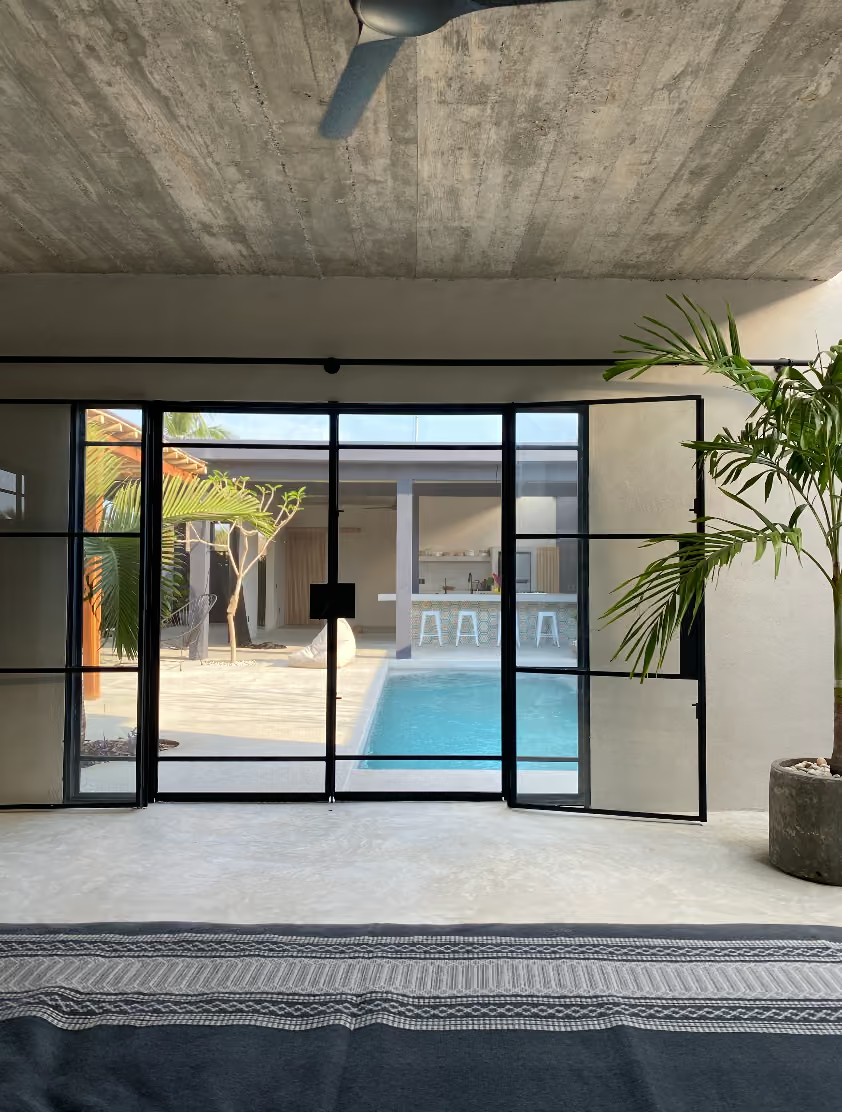
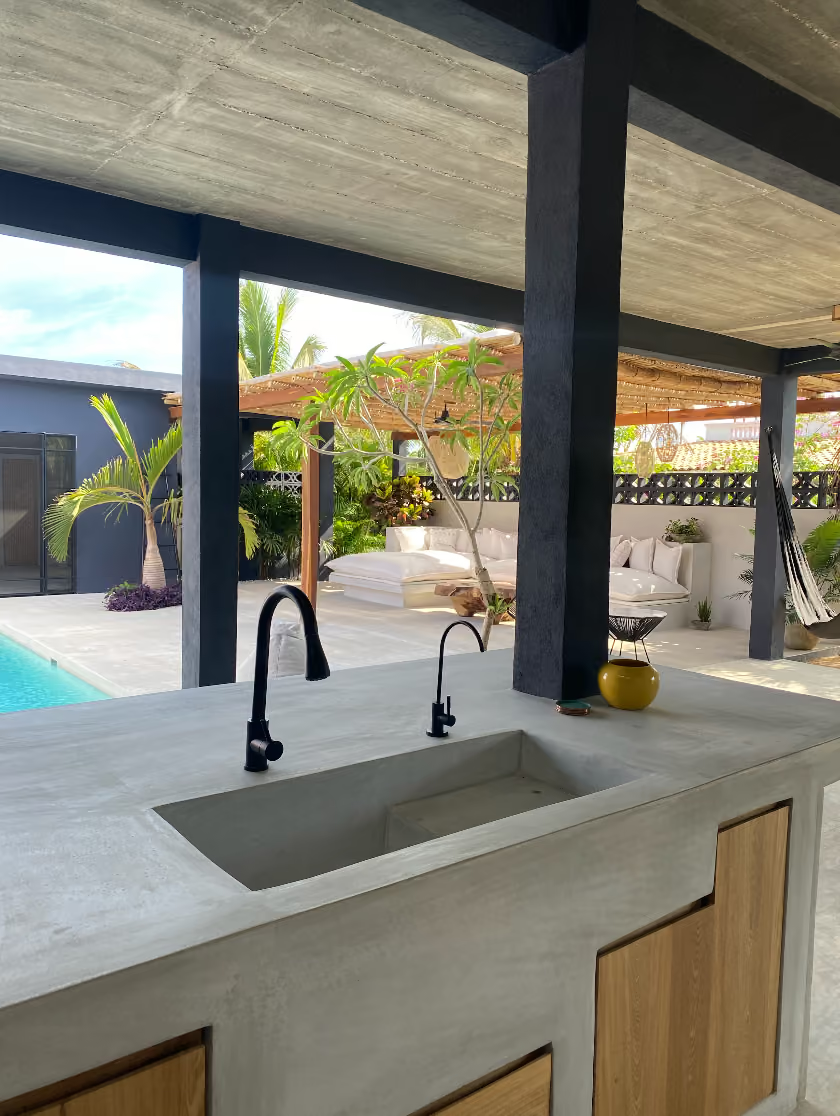
The property feels secluded without feeling isolated.
What surprised me most wasn’t the finished bungalow.
It’s what happened afterward.
People started asking who designed it.
Then, they started asking if I would help with theirs.
One project became another. Then another.
Since completing Casa Nube Rosa and the bungalow, I’ve worked on multiple homes throughout the area, including renovations, re-designs, and new construction. One project led to the next in a way I never could have predicted when we first arrived.
Looking back, I realize these houses were never really about real estate.
For me, they were art projects.
Before moving to Mexico, I spent years as a private chef creating experiences for people. Benito used to describe my work that way all the time.
At first, I thought he was talking about food.
Now, I think he was talking about something larger.
Food. Houses. Gardens. Magazines.
The medium changes.
The impulse doesn't.
We came to Majahua looking for a home.
What I found was a creative outlet I didn’t know I had.
People sometimes ask if I’m finished.
Far from it.
LINKS
Rental: https://www.airbnb.com/hosting/listings/editor/984823565613336239/view-your-space