What Bird Is That?
The Orange-breasted Bunting—a splash of west Mexico’s coastal fire
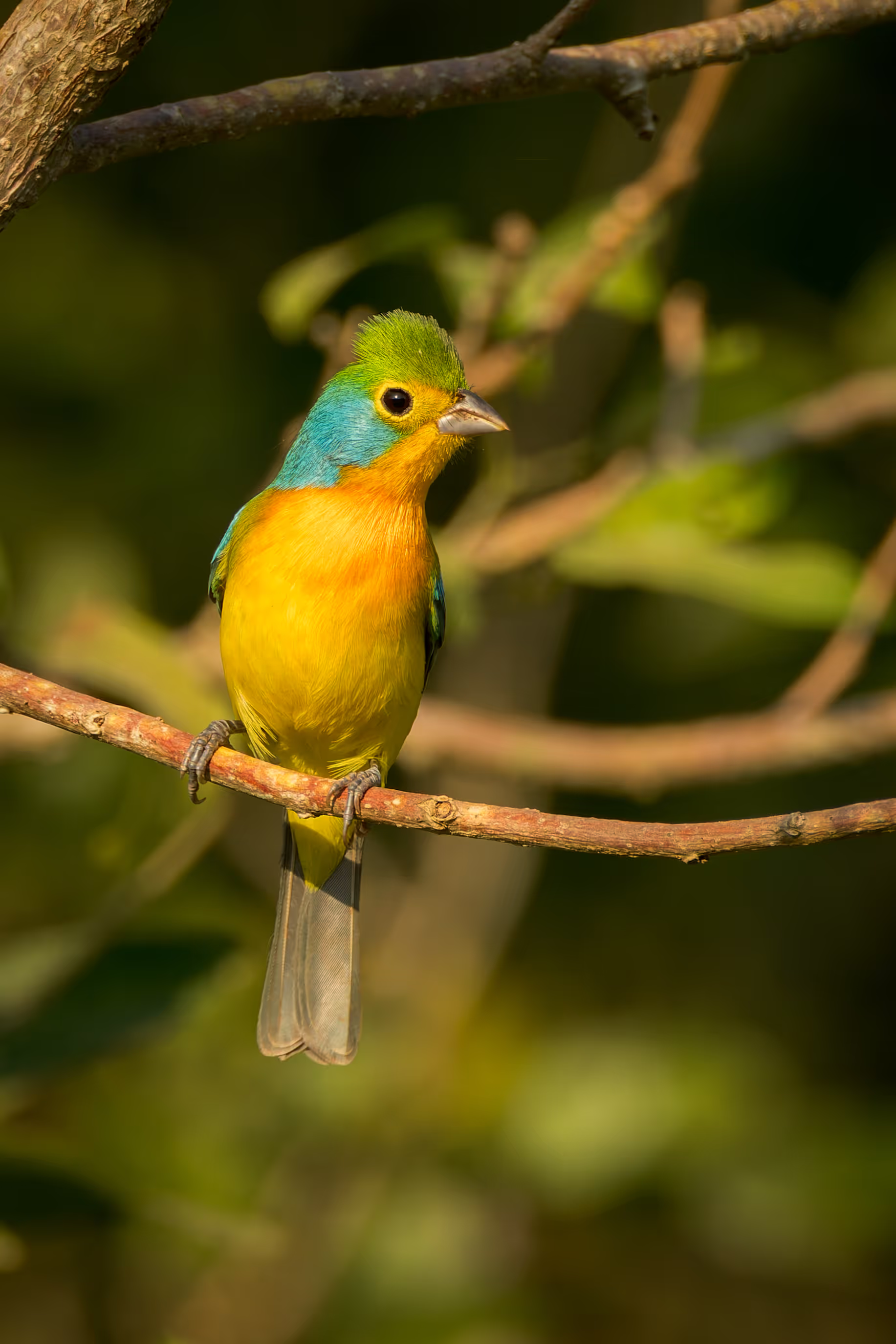
If you're walking near brushy trails or weedy field edges along Troncones’ coastline and suddenly catch a flash of brilliant blue and yellow, stop and look again. You’re probably looking at an Orange-breasted Bunting [Passerina leclancherii].

.avif)





.avif)

%20(Spanish)-2.avif)






This striking little bird is endemic to western Mexico, meaning it's found nowhere else in the world. And while it’s relatively common in the right habitat, it still manages to feel like a secret most tourists never notice.
The male is unmistakable:
Electric turquoise-blue nape and back, a lime green crown, and a rich golden belly capped by a burnt-orange chest. He looks like someone dipped a bird in sunlight and paint and then let it dry in the open air.
The female, as usual, is more subtle but no less beautiful:
She wears soft olive-green on her back, a lemon-yellow belly, and has just a hint of blue in the tail. She’s sometimes confused with the female Painted Bunting, but look closely, she’s brighter below, and a bit more petite in build.
These buntings are active foragers, often found in pairs or small flocks, feeding on grasses, low shrubs, and fruiting trees at various levels of the habitat. During the migratory season, they can be seen flocking with other bunting species, but Orange-breasted Buntings are year-round residents of the region and can be spotted any time of year if you know where to look.
They favor lowland thorn scrub, forest edges and overgrown clearings, places where wild things still tangle and bloom. They're most active in early morning light, when the males often sing from exposed perches before joining others in foraging.