Sandy López Ayala: Proud Mama
In Troncones, students have to leave town to get the education they want—that makes being a kid and being a mother a challenge—but that can also be a joy
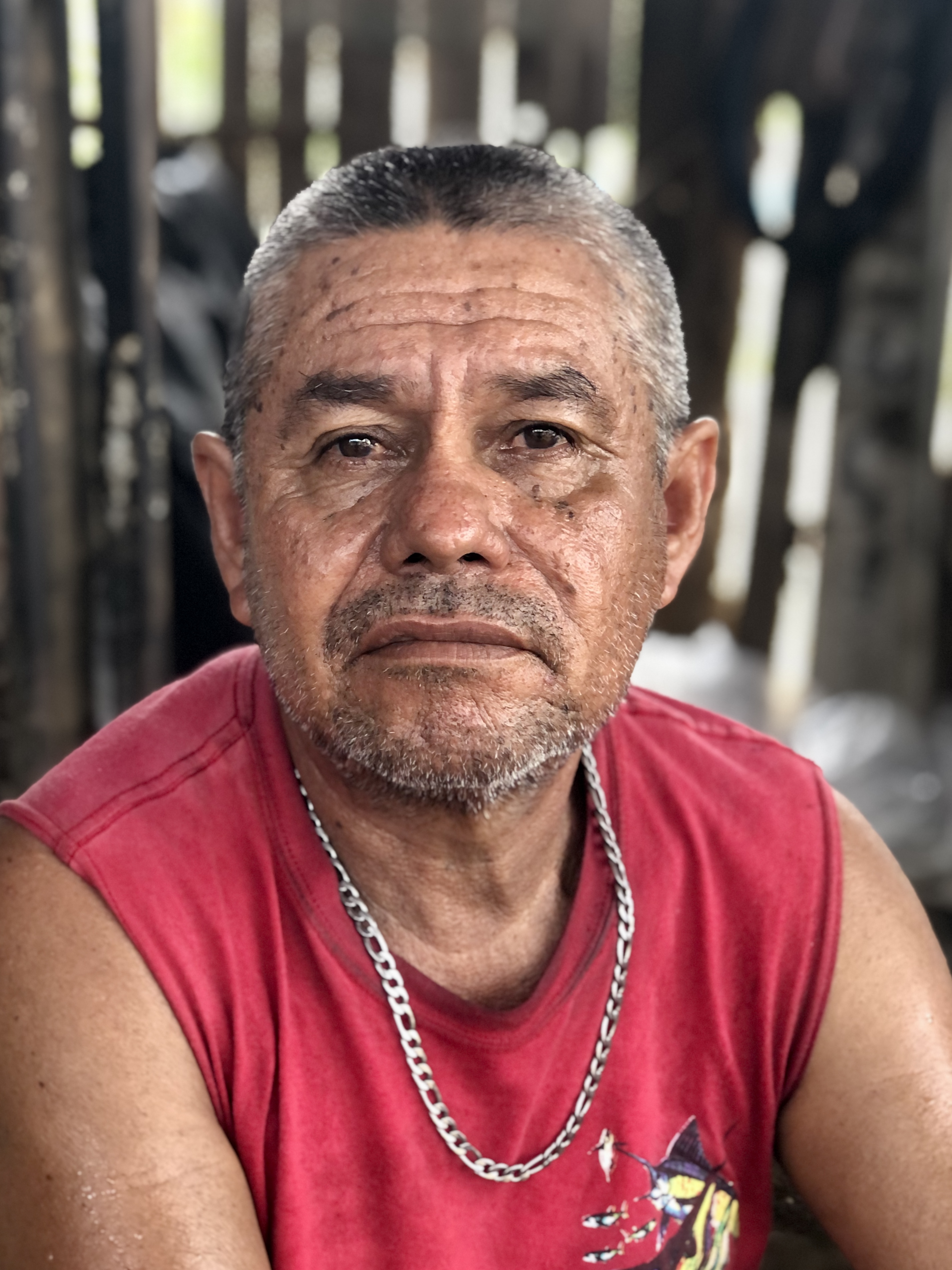
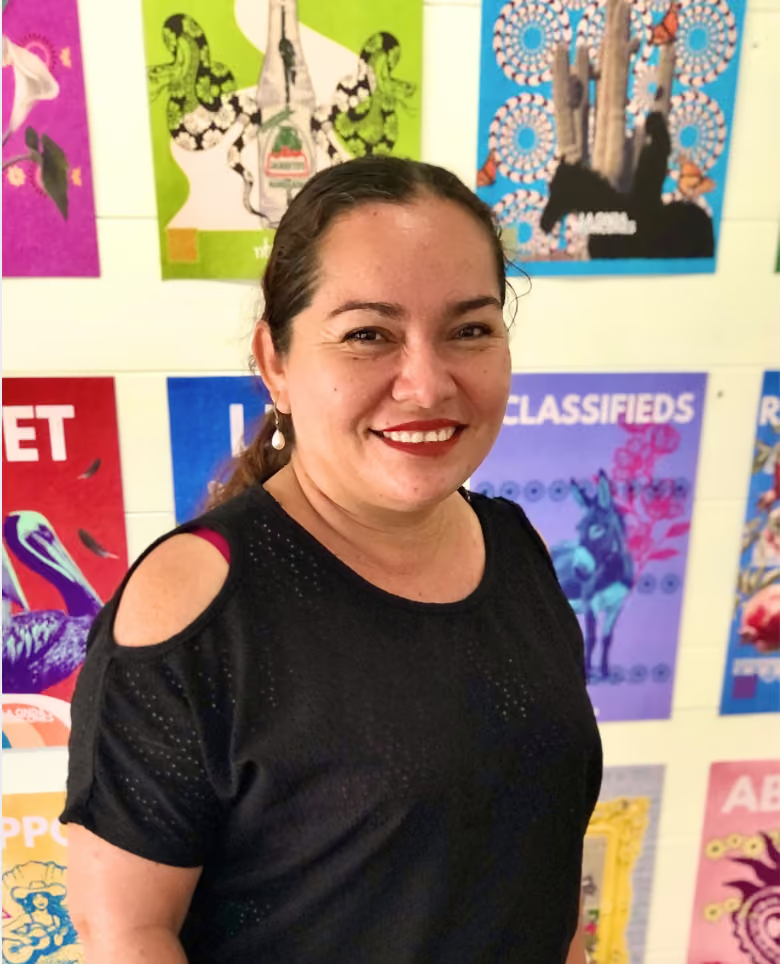
“It takes a village” is an old expression recognizing that a child’s upbringing is a community effort. That it takes more than just family and school. That expression is also true when it comes to finding the right mother to talk to about raising children in Troncones. I talked to a lot of people about whom I should interview. Those conversations led me to Sandy Lopez, whose teenage son Henry recently won an award for an academic achievement no one could describe to me. Many people knew it was in a specific subject, but not exactly which one. It turns out I know Sandy—she’s our landlord. She owns Casa Sandy, on the north side of the bridge, where the La Onda Troncones office is. She also knows what it takes to be a kid here, what it takes to be a mother here and what it takes to make a life here. Meet Sandy.
%2017.27.38.avif)
.avif)




.avif)

%20(Spanish)-2.avif)
LOT: What did Henry just participate in and earn an award for?
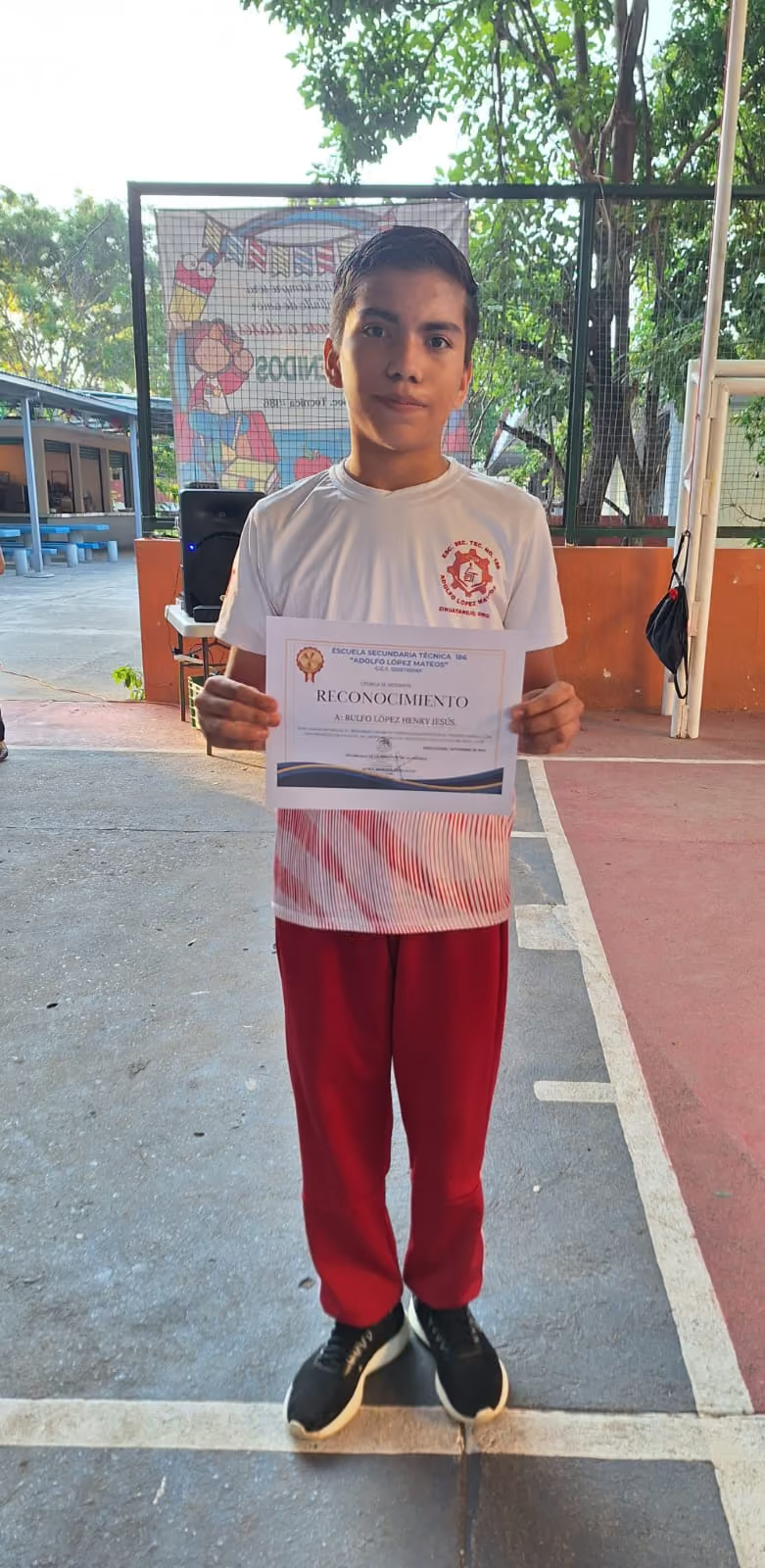
Sandy: A math competition, one for students from different middle schools—the best students from each school. He got second place this time. Other times, he has gotten first place. He’s done these types of math competitions before.
LOT: Which towns were in this competition?
Sandy: Henry is studying in Zihuatanejo. This competition was for middle school students in Zihuatanejo.
LOT: How old is Henry? When did he know he liked math?
Sandy: He’s 14. Henry’s liked numbers even when he was little. He’s done very well in math since he started elementary school.
LOT: Is there a reason for that? Is there someone in the family who is like that? Or, is it something natural to him?
Sandy: His father also likes math a lot. And I also liked math. I liked school and so does Henry. He never misses school, even if he is sick, or whatever, he wants to go to school. We tell him that maybe he might miss a day and he says, “No, I want to go to school”. That he’s so interested in math is something natural, but then Henry likes everything that’s challenging and intelligent. That’s why he loves school.
LOT: Where did you grow up?
Sandy: Here in Troncones.
LOT: What was life like here when you were young?
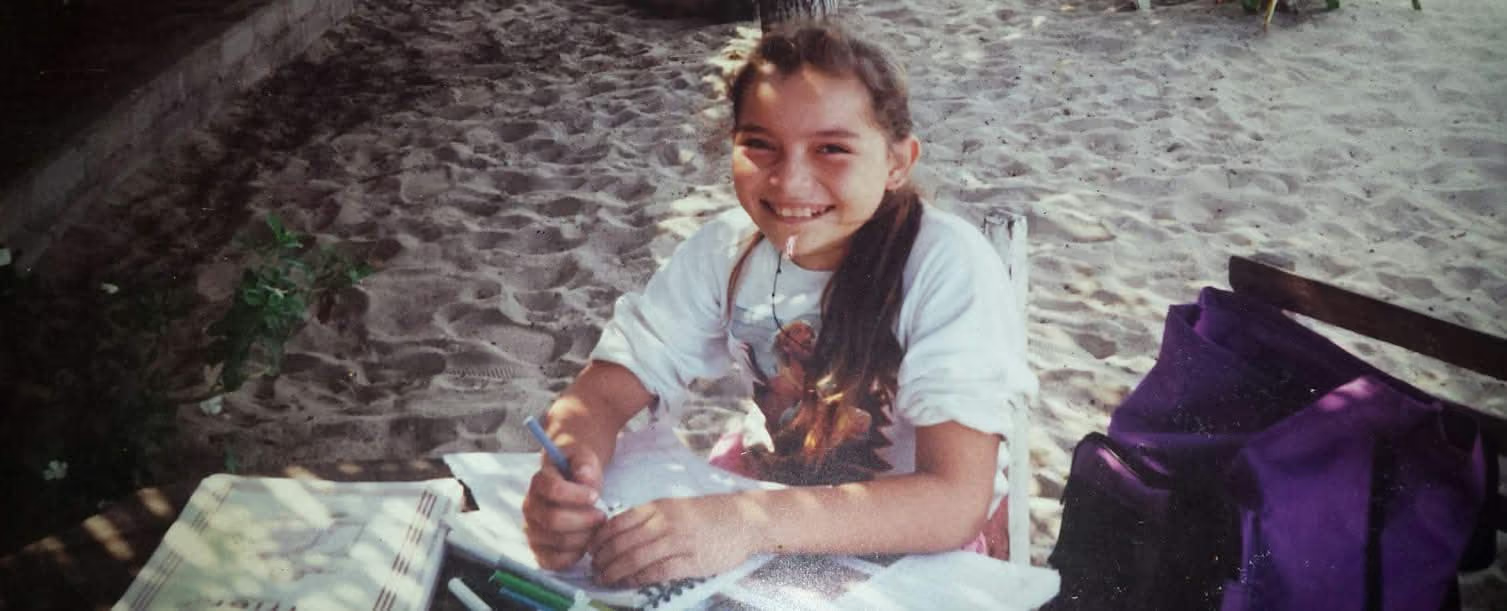
Sandy: When I was little, it was the ‘80s and ‘90s. It was very different here. We didn’t have much. Especially money. There wasn’t much work. But we were very happy. As kids, my parents had cows. In the mornings, we would go with my parents to get the cows from the pasture and we would bring them to drink water at the house, and to be milked. My mother would milk them. Then, in the afternoon we would take them back to the pasture, herding them along the road, guiding them and keeping them together.
LOT: How many cows did you have?
Sandy: I never counted them, but I think it could’ve been 50. There were a lot. My father used to work as a fisherman, too. It was a different time then.
LOT: When did things start to change here?
Sandy: When I was about ten years old, in the mid-90s.
LOT: What happened?
Sandy: People started selling and buying land, with new people, especially foreigners, coming to build their houses. And little by little, Troncones started changing. Before that, we were just a small community, where we all knew each other, we all knew our neighbors and their families. There were so many Marias, each Maria was referred to by their husband’s name—like Maria, the wife of Ventura, or Maria, the wife of Chuchillo.
LOT: What were the first changes when the foreigners came? They didn’t speak Spanish. How did anyone do things together?
Sandy: Well, my parents opened Costa Brava, the restaurant, and they sold their cows. They didn’t have time to take care of them anymore. My mom cooked at the restaurant and my dad, he was the one who bought the groceries. We helped wait tables. I was six years old and I was already helping to work. My dad spoke English because he had been in the United States for a year or so. When the foreigners started arriving, they would come to the restaurant to chat and to find what they needed, and he was able to help them with some things. The way they understood each other was with a dictionary. I remember when the grown-ups didn’t understand each other, they would look it up. You know how in some dictionaries, like in the traveler's ones, there are words or phrases people use. That was how we started communicating.

LOT: That’s great. There was no Google Translate.
Sandy: The dictionary worked very well. When my dad wasn’t there, that was the way we communicated. It helped a lot.
LOT: Where did you go to school?
Sandy: I went to elementary school here in Troncones.
LOT: What grade did that go up to?
Sandy: From first to 6th grade.
LOT: So, that’s like until 12 years old?
Sandy: Yes, usually, but I finished elementary school at ten years old. The teachers moved me along. Right away, they moved me from first grade to second grade, and then to third grade. So, I finished at ten years old.
LOT: Where did you go afterwards, for middle school?
Sandy: There was no middle school here. I had to go to Zihuatanejo. My mother’s sister, my aunt, lived in Zihua and since there was no transportation here—no cars and no microbus to go to the entrance of Highway 200 to get the bus to Zihua—my mom talked to my aunt and arranged it so I could stay there from Monday to Friday. On Friday, I would come here. I was in Zihua, Monday to Friday.
LOT: Like a job.
Sandy: Yes, but studying. And, on Fridays, I would come back here on the microbus and help out in the restaurant. It was difficult. On Mondays, my mom and I would wake up at 4:30, or even 4, to get ready, to get dressed in my uniform, to get my backpack and everything, and we would walk from here to the entrance. It took an hour. We would leave here at 5, and reach the Highway 200 entrance at 6. That’s when the microbus passed by, exactly at 6. We had to do that for me to arrive at school a little before 7, when school started.
LOT: And your mom walked back here from there?
Sandy: Yes. But, when she had things to do in Zihua, she went with me. Usually, she came walking back and I would go on the bus alone.
LOT: And after middle school, did you go to high school?
Sandy: Yes. In Zihua. It’s usually for students who are 15 to 18, but I went two years early. So, I was 13 to 16 years old when I was in high school.
LOT: Did you go to the university?
Sandy: No. I finished high school at 16, and then I came to work, to help my parents at the restaurant.
LOT: In school, what was your favorite subject?
Sandy: Math.
LOT: What aspect of math did you like?
Sandy: In elementary school, I liked calculations. Doing addition, subtraction. In middle school, it became more complicated. Geometry, algebra. It wasn’t my favorite anymore.
LOT: When you were a girl, what did you imagine you would be doing at your age now?
Sandy: Well, I thought about studying at the university and becoming a stewardess.
LOT: Why didn’t you continue your studies to do that?
Sandy: I think because I was a little afraid of being away from Troncones. Life is difficult being away from parents and family. Yes, I think it was a bit of fear. They wanted to send me to Morelia to study and I didn’t want to go so far away.
LOT: What do you do now?
Sandy: I dedicate myself to my family, the house and also a little bit of work.
LOT: What kind of work?
Sandy: Cleaning in the house. Cleaning in the rooms I rent out. And if I don’t have people renting, I drive a taxi.
LOT: Do you still work at Costa Brava?
Sandy: No. I have enough with my family, my rentals and the taxi.
LOT: How did you meet your husband? Is he from here, too?
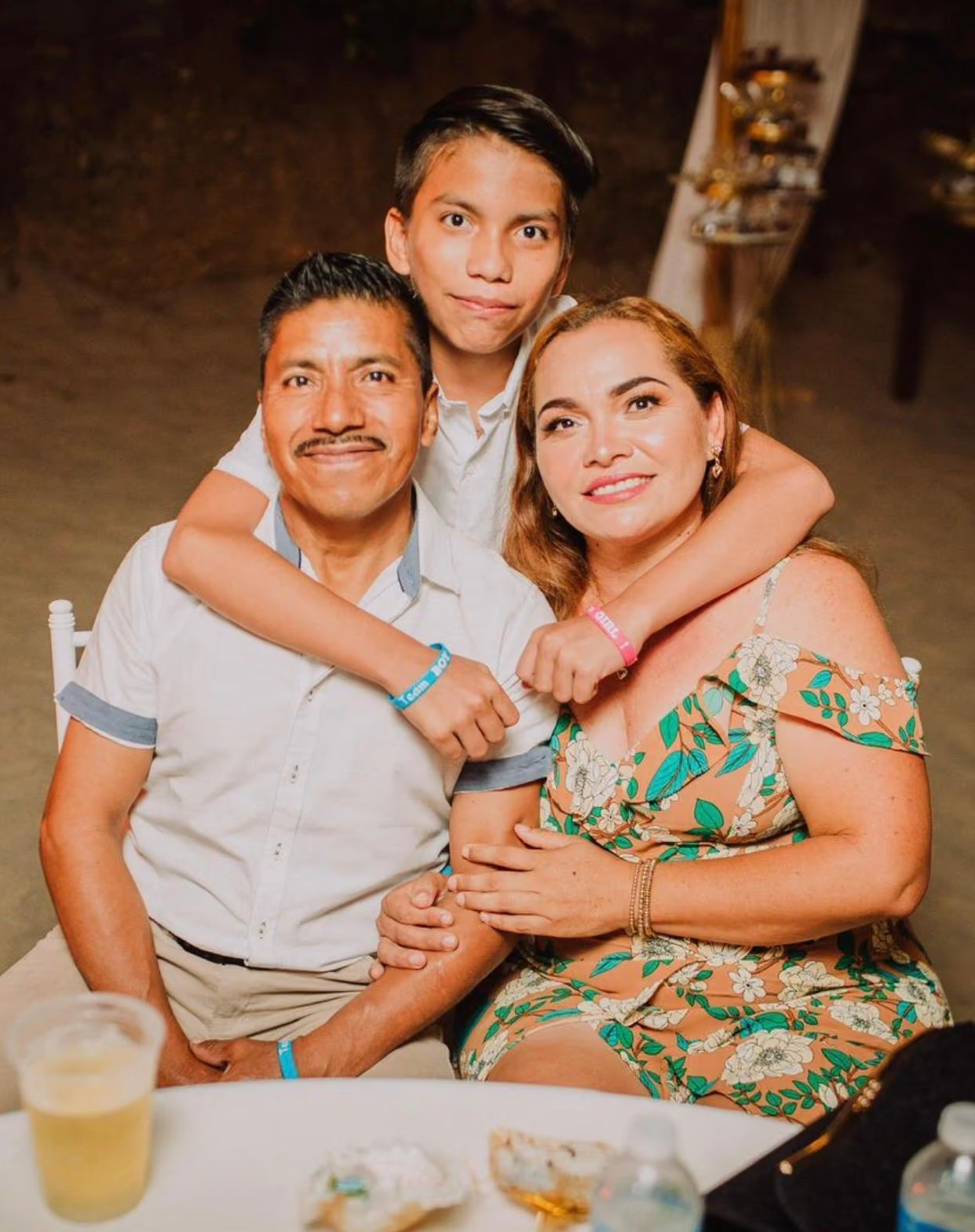
Sandy: No, he is from the State of Mexico. But he came here to work. And I met him here. We met here and we got married here. And we live here. We have our family here.
LOT: How many children do you have?
Sandy: Two children. Henry and Pablo. Pablito is 20 years old.
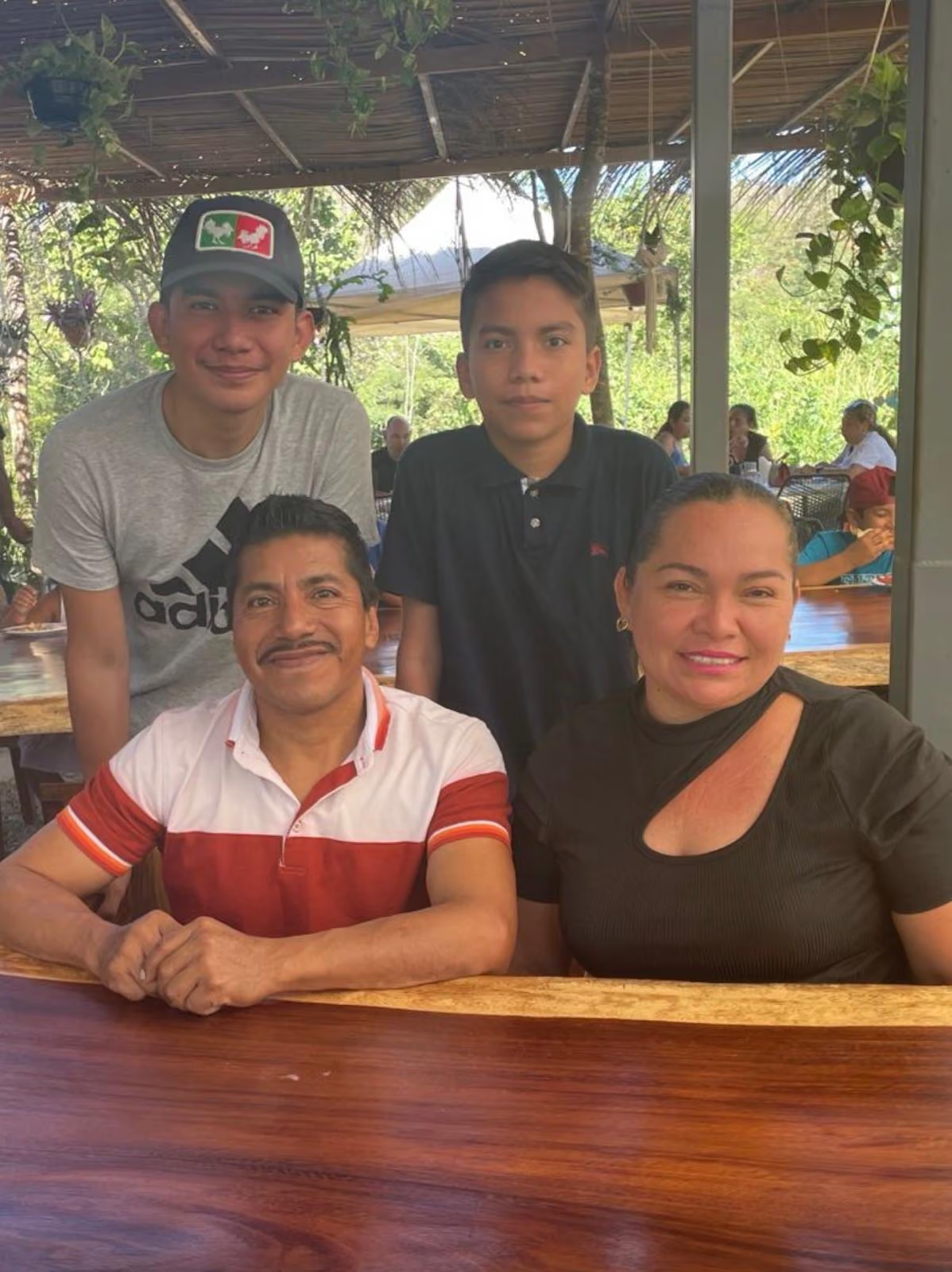
LOT: Was Pablito good at math?
Sandy: He was when he was in elementary school. Right now, he works with his father as a construction contractor.
LOT: How did your life change when you had children?
Sandy: Things changed for the better. They were children I wanted, that we planned for. I was very happy when Pablito was born. And we adapted to having a son. At that time, I didn’t work. I was at home. I dedicated myself to my son and my husband. And then Henry was born. At that time, I helped at the restaurant, too, not every day, just from time to time. It’s made me very, very happy to have my children and dedicate myself to them at home. I’ve liked it a lot, to be honest. After Henry grew up a little more, I started working, cleaning and driving the taxi. But first, I had a beachwear store right here [where the La Onda Troncones office is]. It was my first job, you could say.
LOT: Your own business?
Sandy: Yes. My kids came here after school to do their homework. I put in the door behind you, so I could go out, use the kitchen and make food for them and for my husband. At night, we would go home, but we spent most of the time here. I had the business for about ten years, until about three years ago.
LOT: What are the challenges of raising children in Troncones?
Sandy: One of them is that they have to go study somewhere else. It’s a slightly difficult thing because they have to leave. But, at the same time, they get to know another world, have another experience. That’s good. What’s a bit of a challenge for them, and for us, is that we know that in other places there isn’t the same security that we have here in Troncones. And another challenge is the daily expense. Here, in Troncones, when the kids were at school, I would take them their food every day. In Zihuatanejo, that’s not possible. They have to bring money to buy their food. That becomes expensive and makes that situation difficult.

LOT: How does Henry get to school now?
Sandy: I have a friend whose daughter goes to Zihua to study, so she and I take turns taking them. Some days she takes them, and some days I take them.
LOT: What are the joys of raising kids in Troncones?
Sandy: We can go with them and play. I have lots of memories of my kids at the beach, my kids in the pool, playing everywhere. It’s good to be in Troncones because here we are very safe. There is nothing that’s dangerous, that puts kids at risk. Here the kids can go to the store; they can do anything, everything. That’s very beautiful. I love it. Especially the beach, going there on Sundays or on our days off. Another joy, for me, is my kids doing well in school. They’ve been able to study, to learn, to apply it to their lives. I am very proud of both of my boys.
LOT: What does Henry like? What does he want to be when he gets older?
Sandy: He’s still not very sure what he wants to be when he grows up. But right now, he says he wants to be a pilot.