Xochil Alvarez Saunier: I Feel Safe Here
28-year-old entrepreneur has found “home” for herself and created a destination for other women
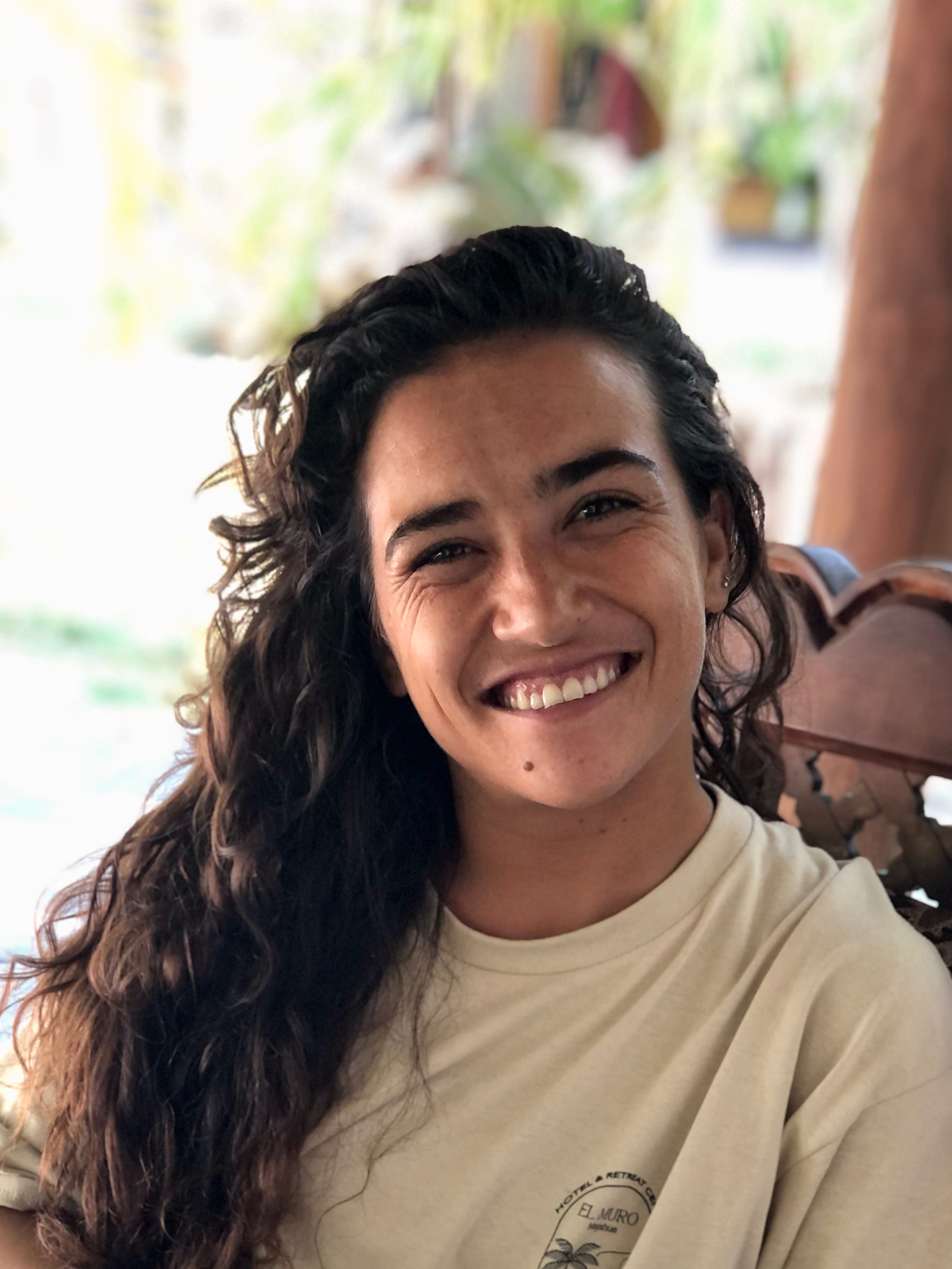
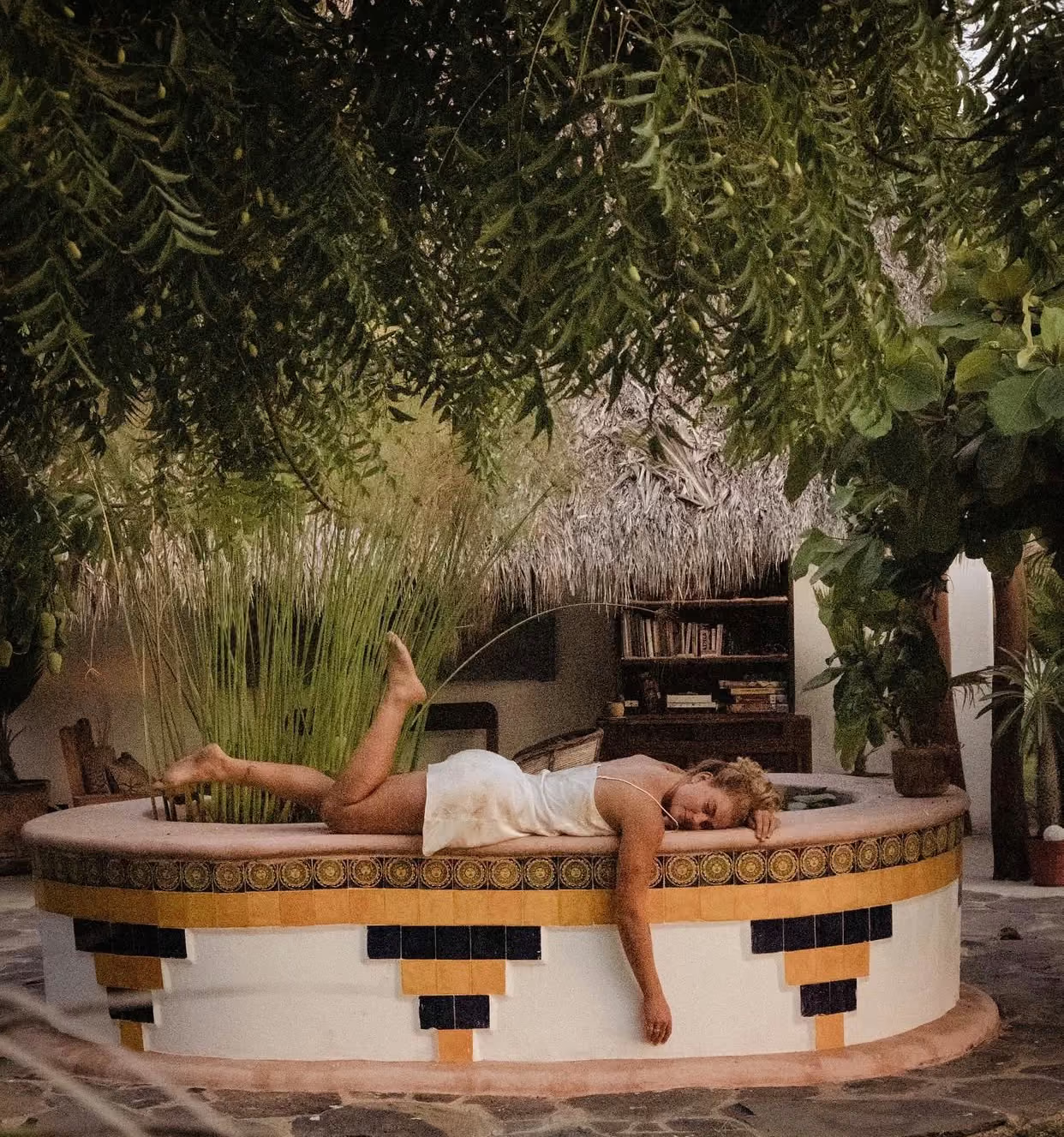
When the curvy wall for El Muro in La Pequeña was being built nine years ago, people wondered “What is that?”. The construction took a different approach, its crews using superadobe bags to create the wall’s framework. That legacy of “a different approach” persists today with El Muro becoming a popular place for retreats, particularly for women. That movement is being led by a young lifestyle and hospitality entrepreneur who has made La Pequeña and El Muro “home”. Meet Xochil Alvarez Saunier.
%2017.27.38.avif)
.avif)





.avif)
%20(Spanish)-2.avif)

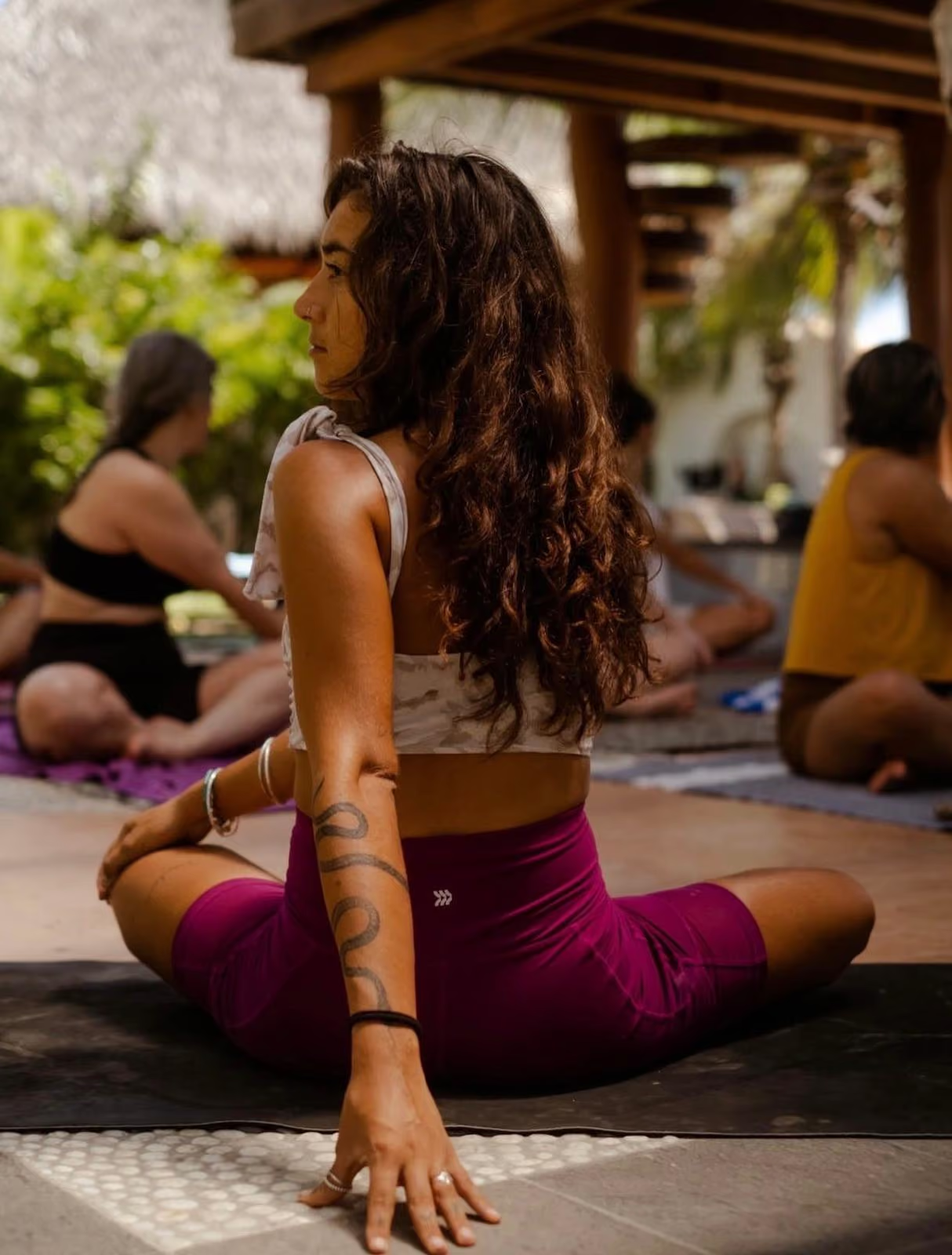
LOT: What kind of retreat are you hosting now?
Xochil: Right now, we’re working with Surf with Amigas. It’s a company that takes people all around the world. They have 12 destinations—the Maldives, Morocco, Portugal, Spain, Costa Rica, Nicaragua, and they have been coming here for three years.
LOT: What is it that they like so much?
Xochil: We’re working with Laila, a surfer who’s been working with Surf with Amigas for the last five, maybe, ten years. She lives at El Rancho [a river mouth community and surf break north of Saladita] and she was looking for a place to start doing retreats. She went all around Saladita and Troncones. In Troncones, she went to La Siesta, which she liked, but when she was there, she found out Winter [the owner of La Siesta] was building a restaurant. She wasn’t so sure about that, and then Winter brought her here. She arrived by the big door, over there, and when she came in, she saw the big circular opening that we cut into the roof and she was like, “This is the place I want to be” That was it for her. We walked around, she saw what we have, and she chose to come here. Now, this is her third year coming back.
LOT: How frequently do you have retreats?
Xochil: This year, we’ve been having at least one retreat a month.
LOT: What types of retreats have you hosted this year?
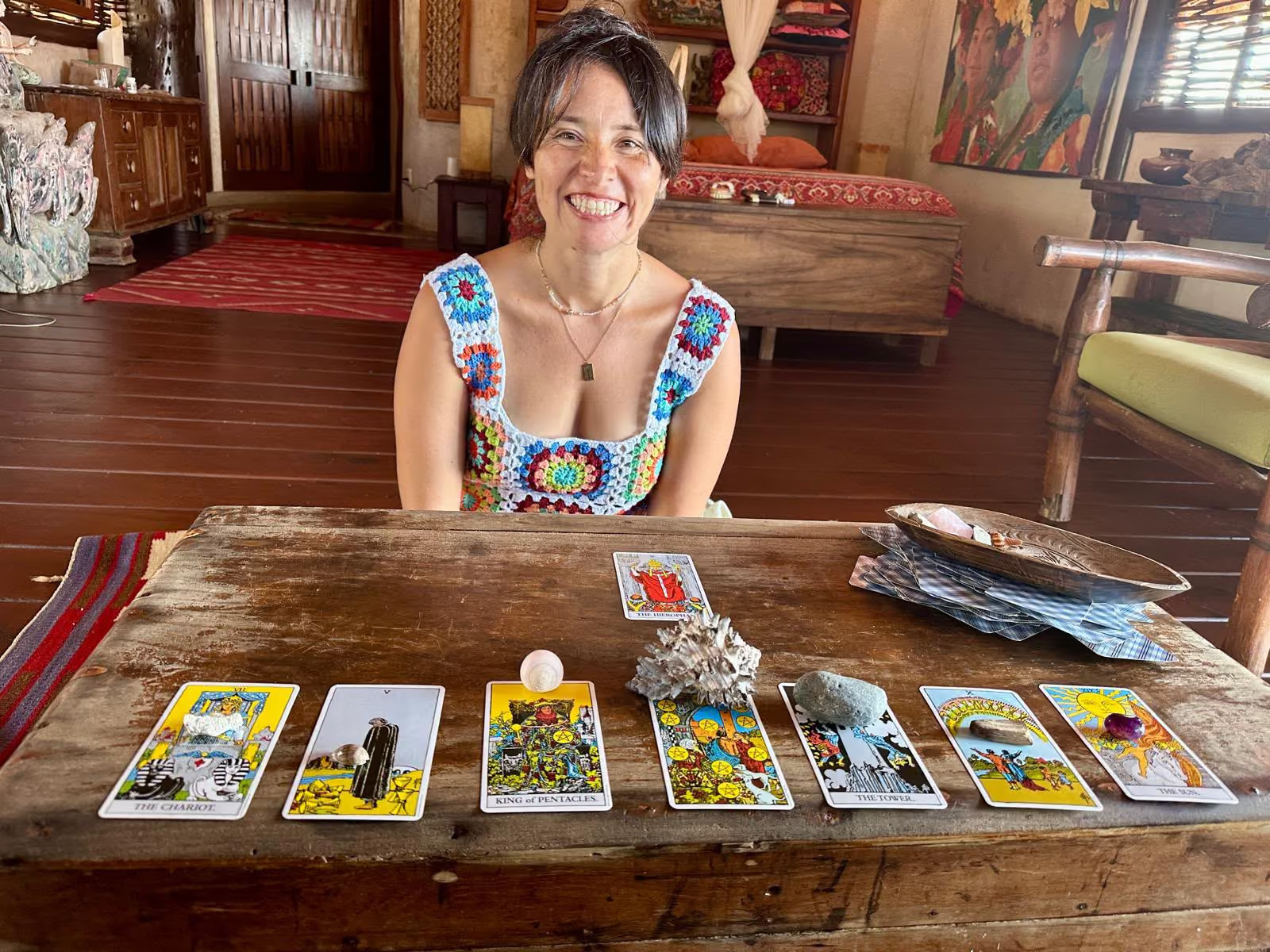
Xochil: We’ve had yoga retreats, we’ve had spiritual retreats. Last year, we had a music retreat for women, led by a woman, a music producer from Texas, who brought ten women here. They came and they produced their songs here. The producer had her own bag of gear to do all the recordings with. They went to the cave to record some songs over there. They went to the ocean. They went to Troncones to record the sound of the horses walking on the street and to record the people who were around. And they did like a whole music bed of all these different sounds, recordings people can use to make songs, from El Muro, from Troncones and from Majahua.
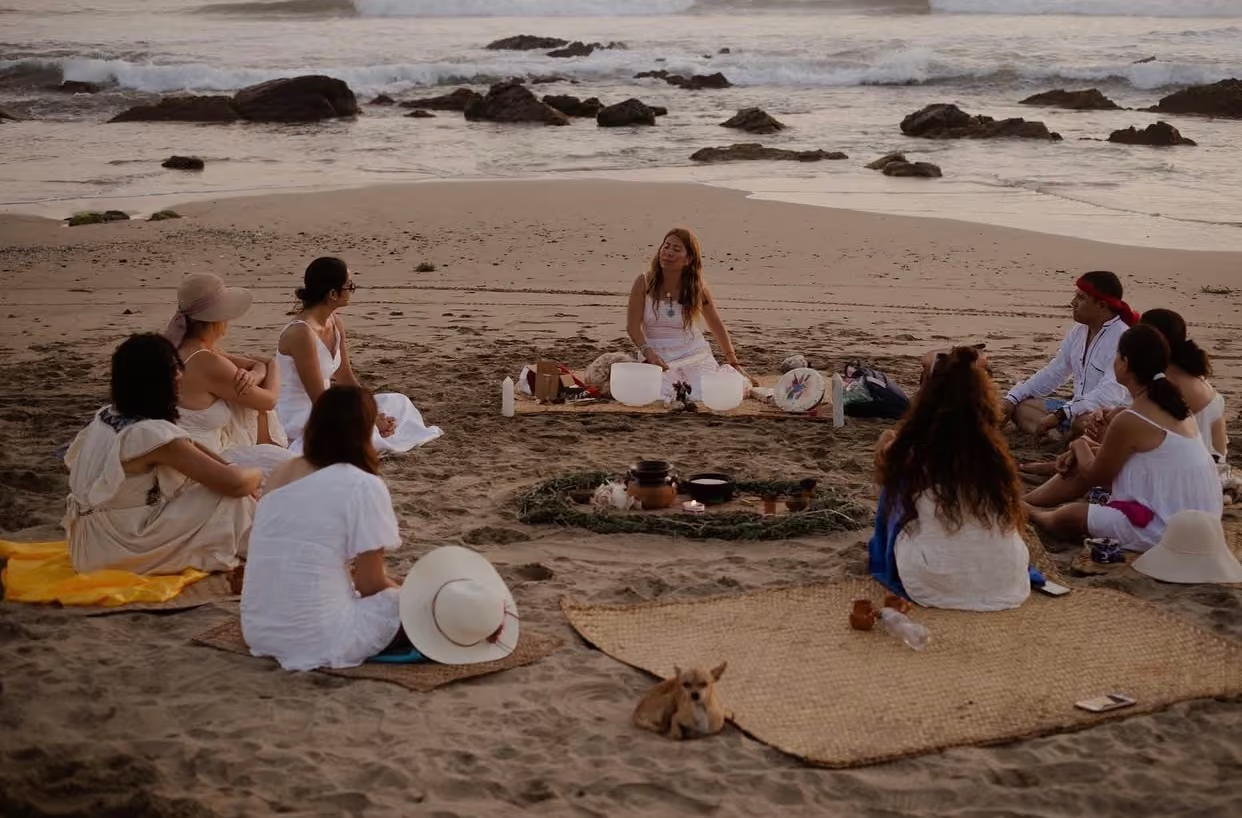
LOT: How did you end up hosting retreats here?
Xochil: I worked in Europe for a few years in big hotel chains, like Club Med, Barceló Hotels and other big, international hotels. I was an entertainer, the girl at the mic, emceeing the shows, doing aqua, Zumba, aqua gym, leading the kids in games—doing stuff like that. I’d studied doing that in France. I studied hospitality. After working in those hotels, I started traveling around the Canary Islands—Tenerife, Fuerteventura—and I went to different places in France. When Covid started, I was living in France with my mom. We came back to Mexico together. Meanwhile, my dad was building this hotel here. When I came, he asked me if I wanted to start running the hotel. I said, “Yes”. When I started, El Muro had just five rooms. Now we have ten rooms. I’ve been working these last six years to continue growing the hotel. When I arrived, it was more like an AirBnB kind of thing—people coming for a weekend and then leaving, not really creating or connecting to any community. It was not really that great for me. I started thinking that I needed to find how I can bring all these things that I want to do around the world here.
One of those things was surfing. Another thing was yoga. Another thing was spiritual retreats and stuff like that. Things that are more about connection. A few months ago, I found a spreadsheet I made when I came here, a spreadsheet listing the types of retreats that I wanted to do. I’ve done like 80% of them already. It was pretty impressive to find that list, to see how I wrote it out and how it just came. You can call it a manifestation, but it took a lot also of trust—people around me trusting that I could do it. My dad being the first one and then all these people who’ve come and who’ve come back, who want more. Surf with Amigas is now coming eight weeks a year. I’m grateful for the chance to have this space, and my idea is to share it, you know, and find the right people to enjoy it. That’s my mission.
LOT: Troncones is not on a main road. It's sort of isolated. Why here?
Xochil: I think my dad chose this land because it was far from everyone. I think he liked the fact that he has no neighbors, just space, and the freedom to walk on the beach with no one around, with no one looking at you. That’s something that’s not very common anywhere anymore. It’s like a privilege, you know? The peace, the quiet. I think I came here for the same reasons. This place is special because it’s really disconnected from the outside world. But at the same time, it requires that you really connect inside. When you’re here, when you get “inside”, you have everything you need. And in setting up El Muro, I’ve done the same thing, connected to the idea of being “inside”—we have all these spaces where you can work, we have beautiful food, we have beautiful women who work here—we have our own little matrix inside of these walls.
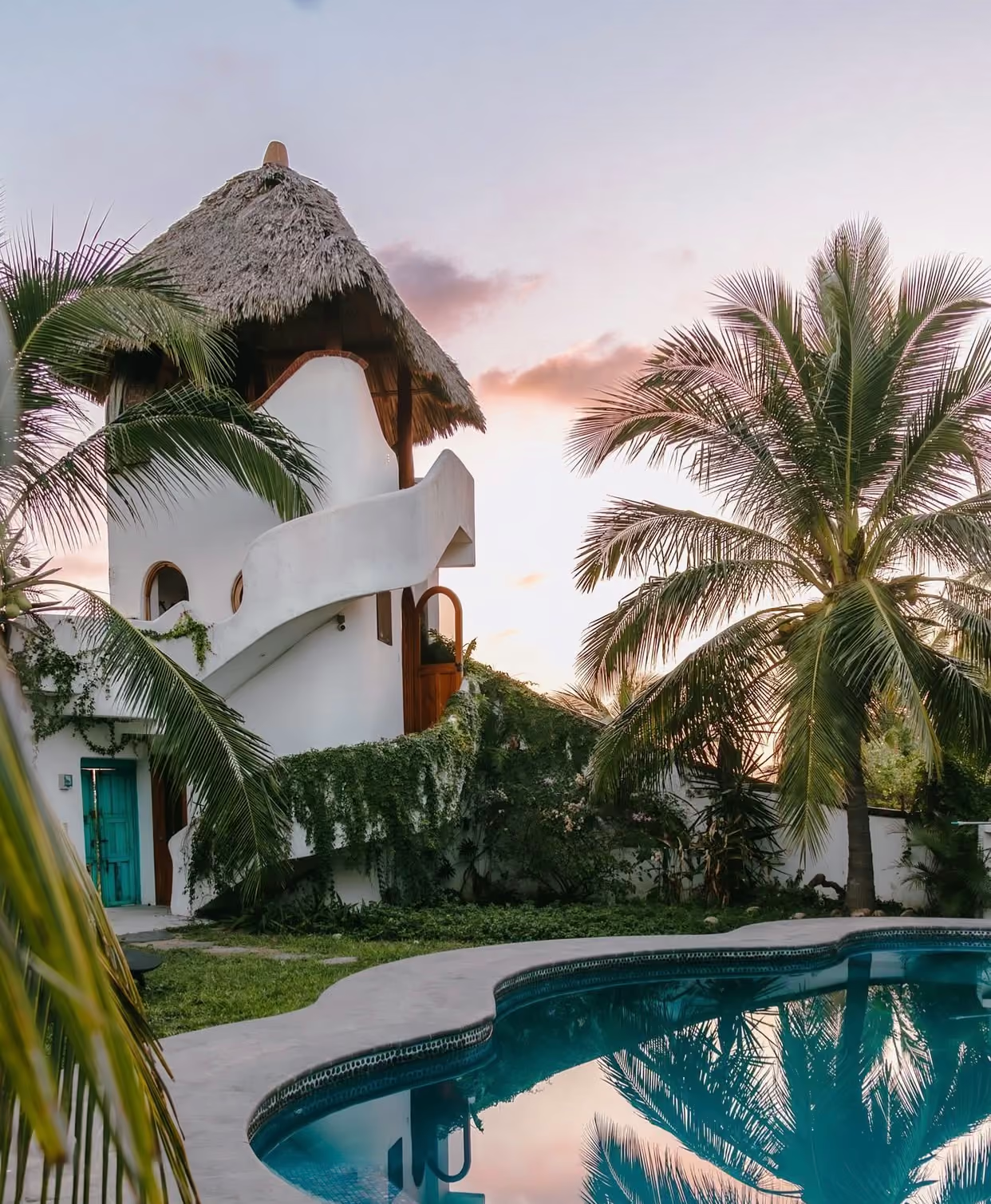

LOT: How did you come to imagine this place? Is this something you had a dream about as a kid?
Xochil: I think it was something my dad put in my mind at some point. He’s been working on the reforestation of the monarch butterfly area in Michoacán, and he has a house there. He used to have tours coming from the U.S., all these biologists and other people who wanted to know what was happening with the monarch butterfly. When I was like four or five years old, my older brothers and everyone else who was around worked, helping with the luggage, helping with the food, doing the service at the house. My younger sister and I wanted to do that, too, but we were too young. My mom was like, “It’s not your time to do that. You will wait.” So, I think I’ve had that urge since I was little, since I saw my dad being really open to everyone, you know, showing and explaining what he was doing and being clear on his mission and its message—to share, to take care of nature, to take care of people. My mom, she’s like that, too. I grew up hosting people. It’s kind of like a natural thing, something I’ve done all my life.
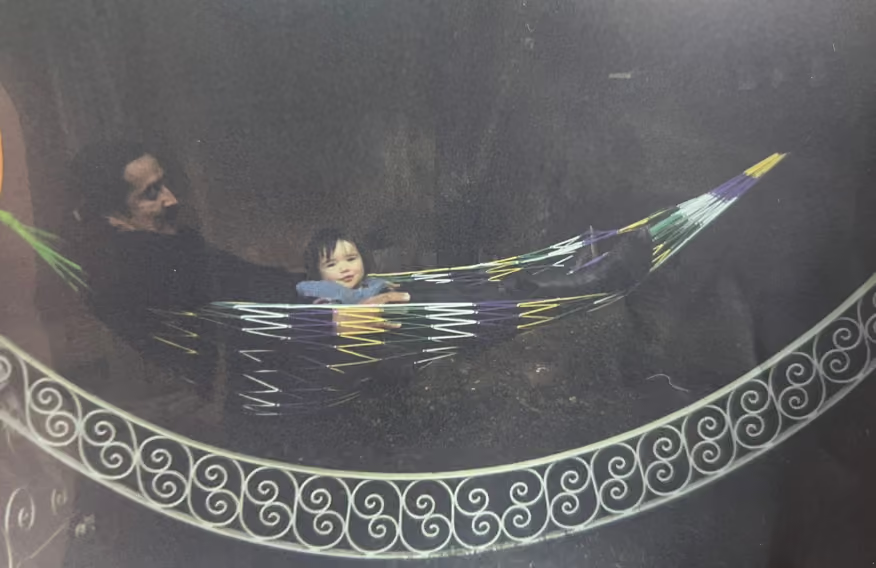
LOT: How have you made hospitality your own thing?
Xochil: When I started, I worked in hotels and did these crazy parties and crazy shows. I had like a hundred kids on my chart, you know, running them around. I was the one doing the activities and managing everyone. At some point, I wanted more of a quality thing than a quantity thing—wanting to get away from the huge hotels where every week there are hundreds of people coming and leaving. I was looking for more connection, for creating a safe space. And year by year that’s happened for me here at El Muro. It’s become place where a lot of women come. I wasn’t looking for that exactly, but 90% of the people coming here now are women. They come to be together, to grow together, to share together. This is a safe space for that. We’re far from everywhere, but people feel safe here.
LOT: What's different in a woman's community than, say, a mixed community?
Xochil: More and more, women are looking to for a place to connect, to be themselves—without men. When there are men around, there is always something that you feel you need to do as a woman, like you have to be a certain way.
LOT: Like you have to perform?
Xochil: Maybe. In a way. Here, I see the way the girls walk around, like half naked, but not feeling that anyone is looking or judging. You can feel and see their freedom as they walk around. Just the other day, it was the last day of a retreat, the girls leaving. They were all crying, so happy, talking about what happened the first day, the last day, sharing their favorite moments of the week. To see that connection, to see that support, to see that this place is giving the people who come here the opportunity to connect, to be and to grow—to connect with themselves, with nature, or with a friend or with whatever. This place does something for the people who come here. It’s not me. I’m just the guardian of this space. That’s my role—to open it to everyone who wants to come and be part of it.
LOT: What are your favorite things to do living here?
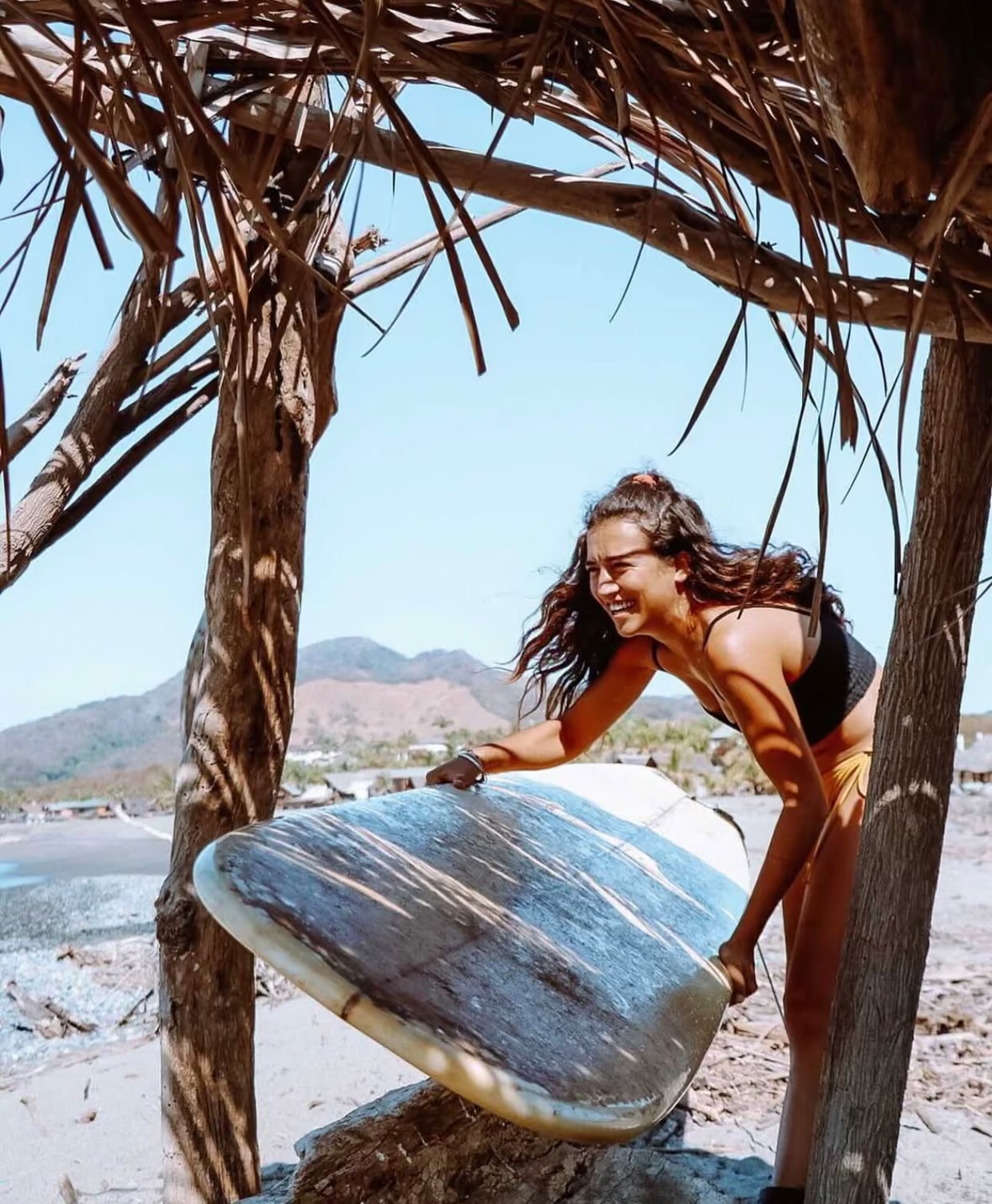
Xochil: I really like surfing. I really, really like surfing. I think we have one of the best waves around, and there are waves every day, all year long. There are a lot of places to go and it’s easy to get from one to the other. There’s always a wave.
LOT: What happens to you on a wave? What do you feel?
Xochil: I feel a lot of freedom and power doing that. I started surfing just three years ago and, by then, most of my friends had been surfing for 20 years. I was so hard on myself to do it, to learn. Now, I can surf with them everywhere. Surfing for me was an empowering thing. It’s like, if anyone could do it, I could do it. And then finding that I could learn to surf, being in the ocean has helped me to be strong on land. Starting to surf, learning to surf and then finally surfing is something really humbling. You can have all the money you want. You can come from any country. You can think you have your life together. When you’re surfing, it’s just you and your board—you’re wet and trying to survive—it humbles you 100%. The ocean is really nice therapy for me.
LOT: Most people your age are in cities chasing careers and money, but you’re not. What would you say to somebody who’s tired of being in a city, doing the crazy race? Do you have any advice for them?
Xochil: I would tell them to connect, stop running and really touch the floor with their feet. I feel good here because I don’t need to be chasing or running behind anything. I didn’t know it, but I had the power to create this and now I’m living with this. It was hard. I was alone here for a whole summer just a few years ago, just taking care of the place and doing the maintenance. I had to open my mind and not be afraid to try something new. I think we are always afraid to try new stuff, but when you’re in a bad position and you’re not feeling okay, the worst thing that you can do is stay in that stage. What could be worse if you’re already feeling like shit? It’s like, if you don’t try, you’re never gonna learn. There are always people who have more capabilities, more capacities, more money or whatever. But I think you don’t need to have money to travel to do something special. You can volunteer anywhere. I have this turtle nursery thing. I have people with a lot of money, people with no money, who come to help, to volunteer. I have people from Michoacan coming who just wanted to see the ocean for the first time, who asked me, “Can I come and work with you? With the turtles?” It doesn’t cost a thing to ask, or to volunteer. You just have to have a little chispa, a little spark. It’s that thing inside of you. You’ve already got it.
LOT: Is the turtle sanctuary open now?
Xochil: It works from June to December, more or less. That’s the high season for turtles, our rainy season. Right now, we have two leatherback nests that we rescued [Tortuga Laúd or Dermochelys coriacea]. The eggs are big. They’re about to hatch in the next few weeks. We’re pretty excited about that because they’re the first leatherback turtles we’ve had. They’re a really endangered species.
LOT: What’s next for you?
Xochil: We’re going to close in a few weeks for renovations, right around April 15th. We were going to have a party, but we’ve literally had five days off since the beginning of November. So, instead, we’re going to close and then start the renovation. That work is going to take a couple of months—remaking all the rooms, redoing the website—and we’re looking to re-open by the end of August, more or less. Doing the work in the low season so we’re ready for the high season again.
LOT: Why does living here make more sense to you than living anywhere else?
Xochil: It makes more sense for me because I’m working for myself. I’m investing my time and my money in something that is going to stay in my family. That’s something nice because I’m growing as the hotel is growing, as my family is growing. I traveled to France and India a few months ago and I think there is no place like home. I went around looking for home for ten years. Then, I arrived here, and I just found it. Right now, I don’t have the urge to go anywhere, I really feel at peace being here, in Guerrero, on this coast. I’ve never felt in danger being a single woman, living this crazy Mexican life. I feel safe here.
LINKS
El Muro: https://www.instagram.com/elmuromajahua
Turtle Nursery: https://www.instagram.com/campamento_majahua/
From the music retreat: https://www.instagram.com/reels/DGL9d7VRAzo/