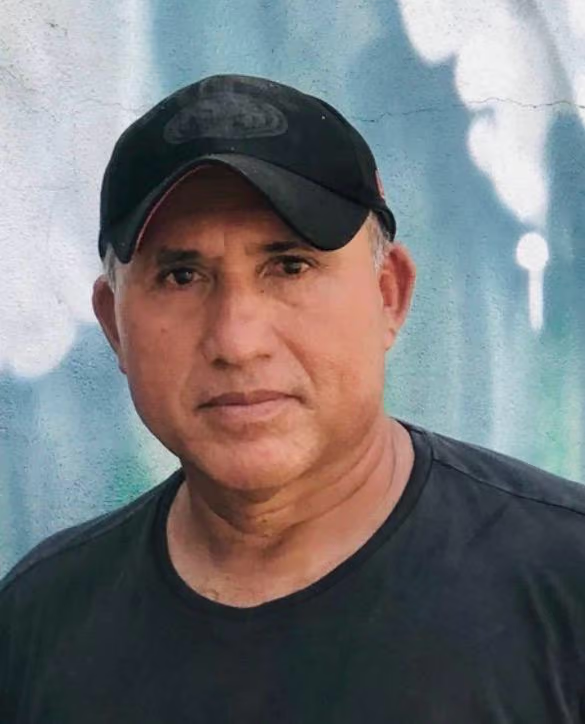
Jorge Valencia Guzman: A Young Man and the Sea
A local fisherman and guide talks about growing up on Playa Saladita
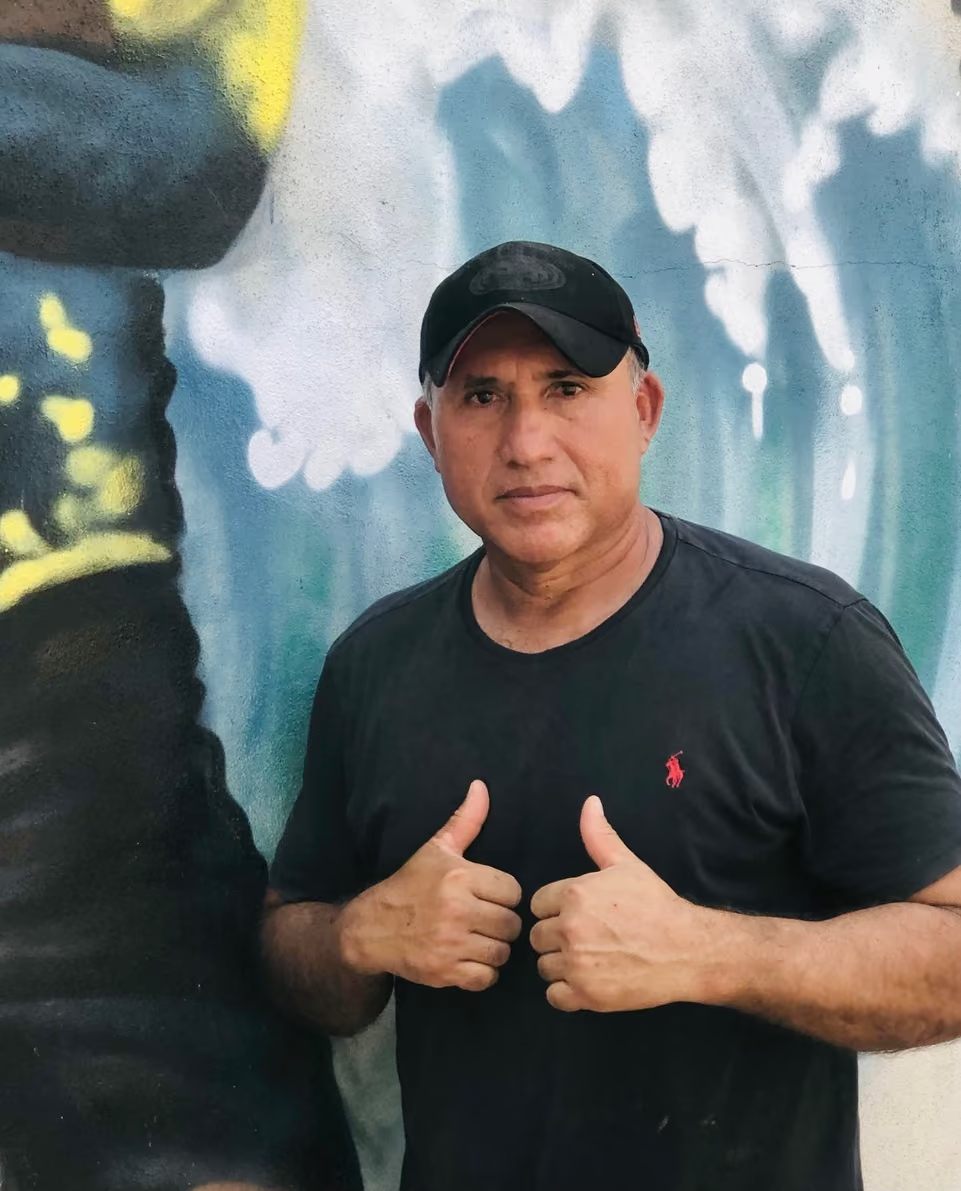
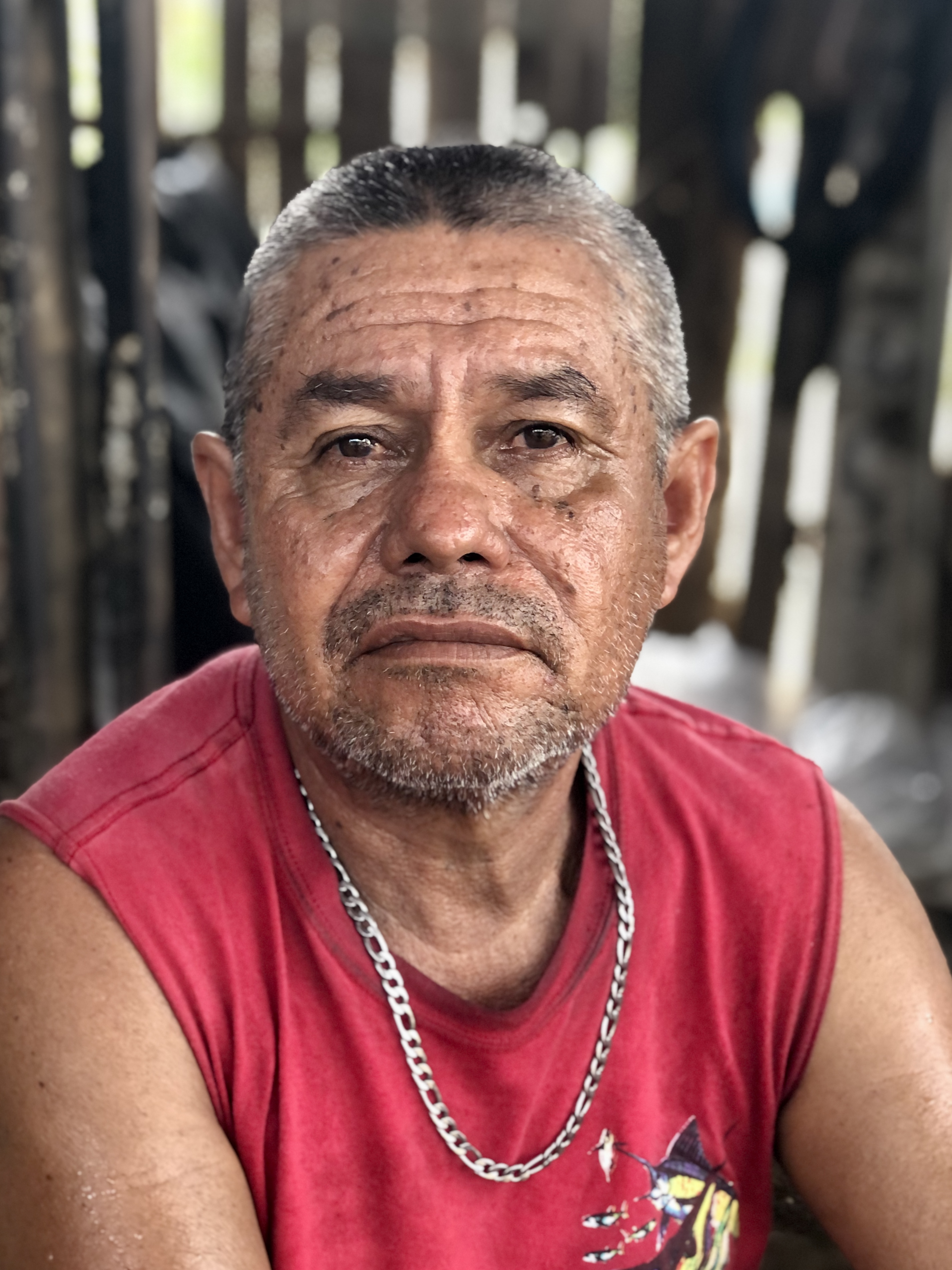
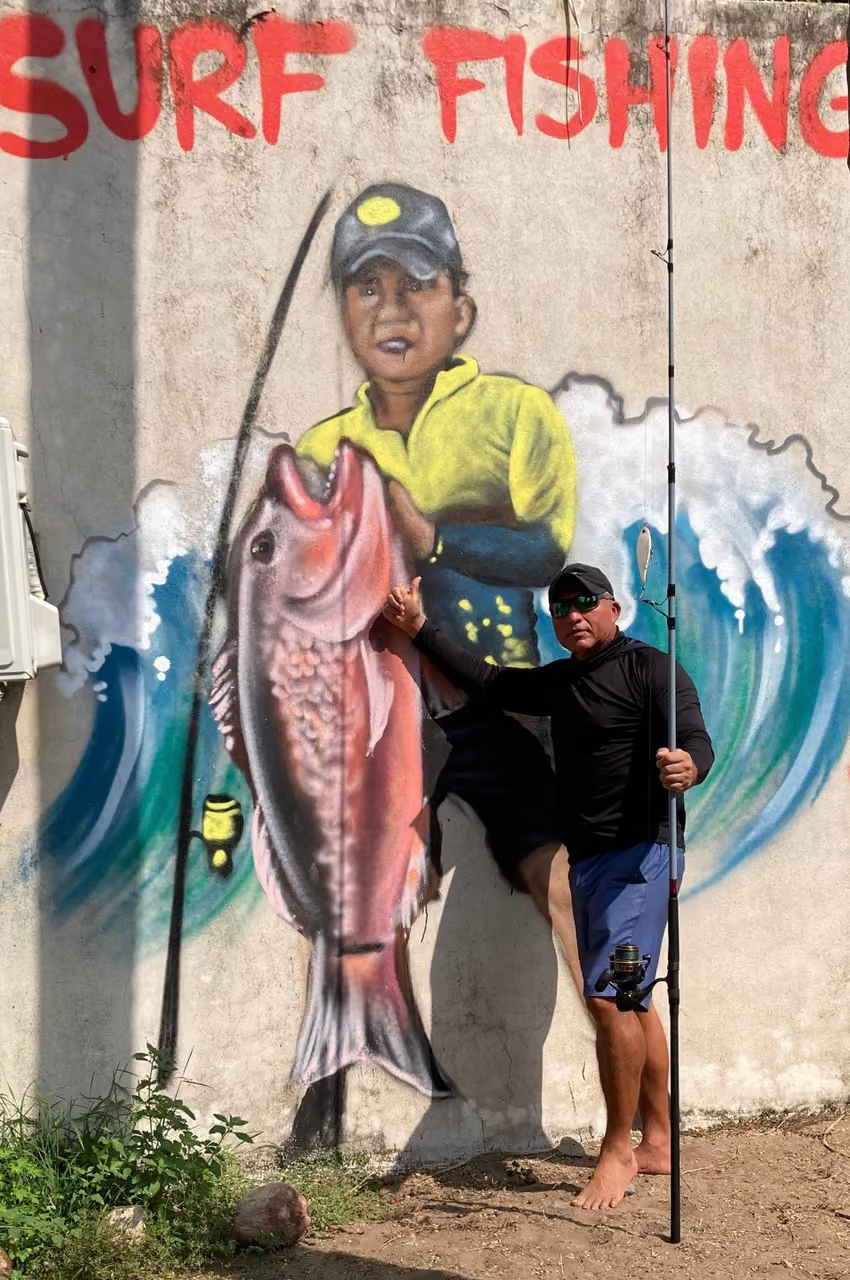
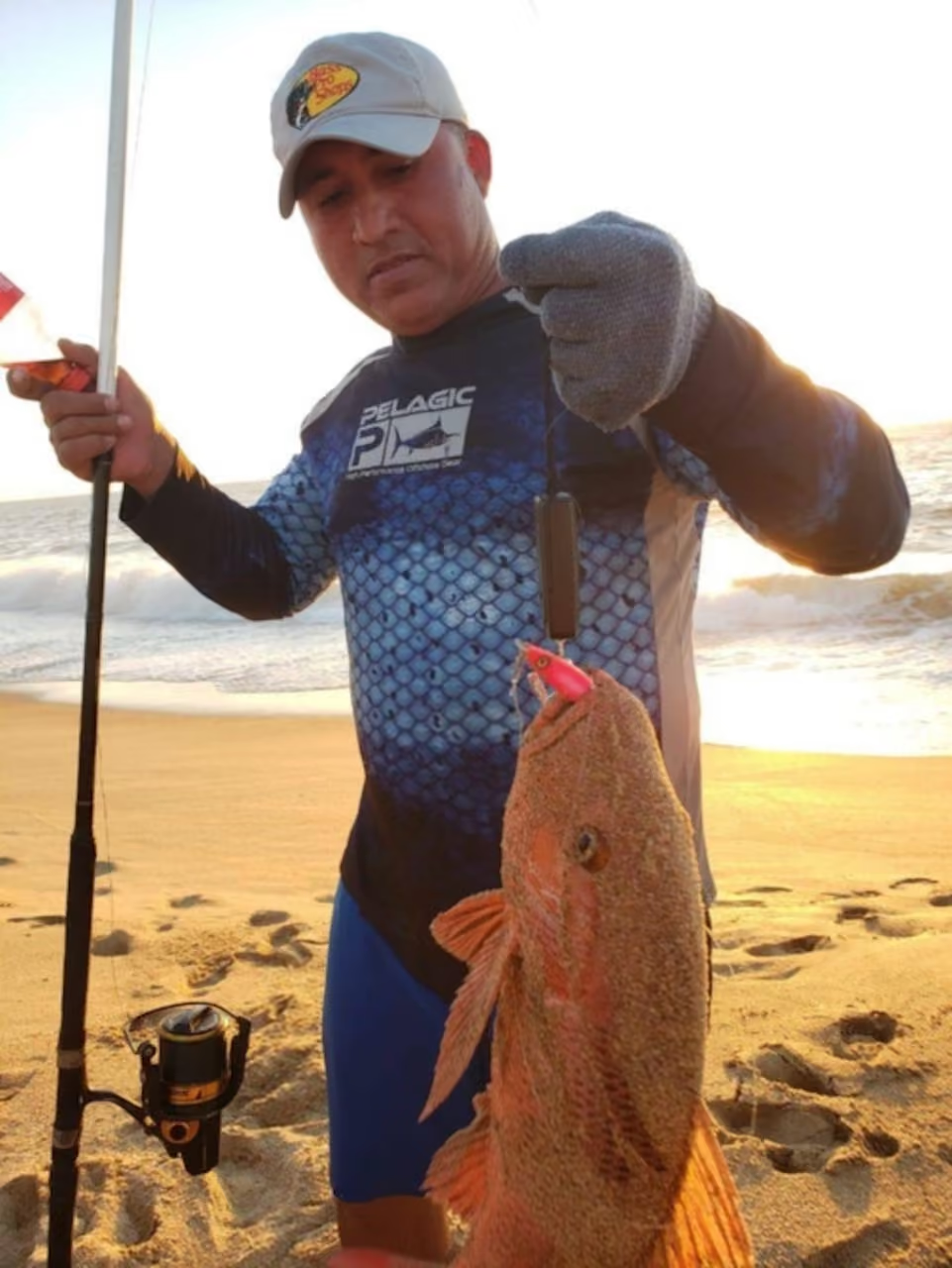
I could’ve stayed all day listening to Jorge Valencia talk about the Playa Saladita he knows. Not the one the surfers know. Not the one Instagram knows. Not the one that’s being hyped up as being “the spot”. Jorge’s family started making its home in Playa Saladita in the late 19th century, right along the beach, when no one wanted to be near the ocean, when the area was considered undesirable. After our interview, Jorge described some of the ridicule he took on as a kid—being called “poor” because he walked around barefoot—living beachfront, wild, without much of anything. Even then, he didn’t see the value in getting “dressed up”, not when he was living in a dusty place and he was going in the ocean four times a day. Today, things are different. People come from all over the world to be on the Playa. His brother Benito and his sister Lourdes run successful restaurants that have become local landmarks, and his famous “surf fishing” house is an easy find—a mural by MuckRock adorns its back wall, a nine-foot-tall Jorge holding his catch. And fishing outfitters send him their latest gear and sportswear. Jorge still walks around barefoot.
%2017.27.38.avif)
.avif)





.avif)
%20(Spanish)-2.avif)


LOT: When did your family arrive in Saladita?
Jorge: My grandfather, who raised my dad, arrived here in 1883. He came to sell bread with his dad, my great-grandfather, who brought him here on a mule, when he was only three years old. They sold bread to the mariners from San Diego who were here to take the wood from Playa Saladita. That’s an interesting history. There was wood being taken from here to San Diego until the revolution happened in 1910. After that, there was still wood being taken out of here, but not to San Diego. It went to other places. My dad says they kept taking wood until 1930.
LOT: What kind of wood?
Jorge: Mahogany and cedar, a lot of cedar.
LOT: Were you born here?
Jorge: Actually, no. I was born in Chutla, because I was born in the rainy season. There were a lot of rain, mosquitoes and scorpions here, and no emergency help. And no partera [midwife]. My grandmother was a partera—she lived in Chutla—and it was safer for my mother to go to Chutla to have her babies, and then come back to the Playa after a couple weeks.
Most of my brothers and sisters were born in Chutla, except Benito, who was born here because he was born in March, when it was dry, and my grandmother came here. My brothers César and Arnoldo came later, and they were born in Zihuatanejo. This is where we’ve always lived. My father brought my mom from Chutla when she was seventeen years old. He rode away with her on horseback—he “stole” her which was the custom, the tradition, back then—and he made our family here, where his grandparents and parents lived.
LOT: When your grandfather arrived in 1883, did he stay?
Jorge: No. His father, my great-grandfather, would come here to sell bread and return to Chutla. He would stay two or three days until he sold all his bread, and then he would return. Eventually, my great-grandfather put in an oven to bake bread and he stayed. He sold bread here right from here, on this land.
LOT: Who were the owners of this land in those days?
Jorge: A lady whose last name was Lopez. She and her family owned from here to Tibor, to Michoacán, and south, to Petatlán.
LOT: What memories do you have of Saladita as a young boy?
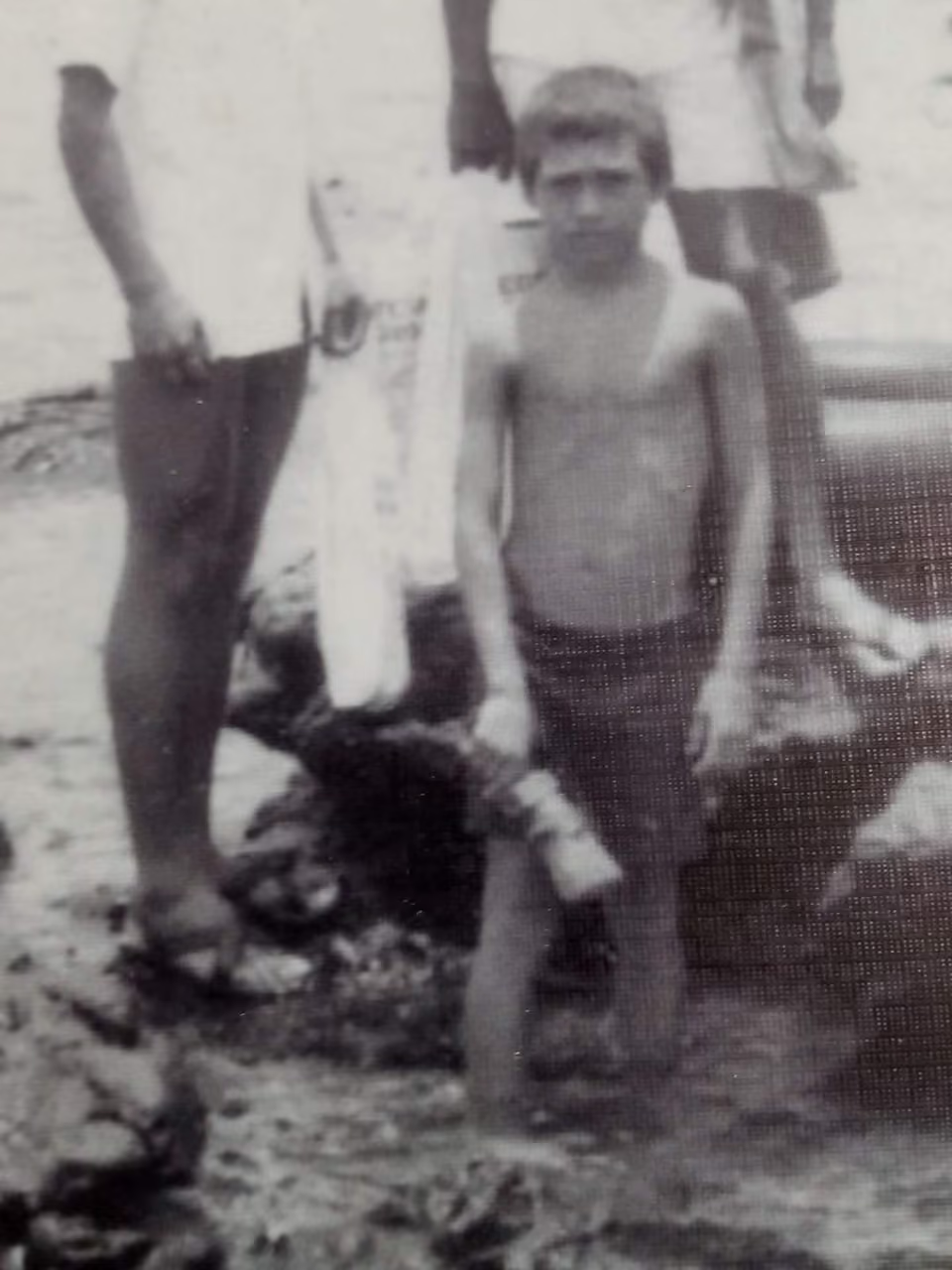
Jorge: Many things, like hearing all the stories, how after the wood, how the shark business became important—fishing for sharks, especially in 1940, ‘41, ‘42, ‘43, ‘44, ‘45. From those sharks, they look the liver—it also went to San Diego—where it was processed for its oil, for vitamin A, for the American soldiers who were fighting in Europe. They took thousands and thousands of containers of shark liver from here.
LOT: From a logging camp to a shark camp?
Jorge: Yes. The shark business was just in those years—1940, ‘41, ‘42, ‘43, ‘44, ‘45. After that, from what my dad says, then came the growing and selling of sesame and cotton. And today, it’s surfing. What I remember, on my own, is 1972, when the first surfers arrived. I was about three years old. That, and I remember fishing. Lots and lots of fishing. And diving, too, for octopus, lobster and oyster. People would come to surf, but it was only for three months, when it didn’t rain. After that, Playa Saladita became deserted. We were left alone for nine months. I fished all around here. I had a small wooden boat, and I would go fishing in the lagoon every day. The lagoon was untouched—so many trees, so many birds, so many animals—and nothing there. Only clear, clear water.
LOT: How big was your boat?
Jorge: It was a small one—about two or three meters.
LOT: And how old were you?
Jorge: I was about six or seven years old.
LOT: Did you use a rod?
Jorge: I didn’t use a fishing rod. I used a handline. And I would fish until I got hungry. Then, I would go back home. We lived alone. It was just us. We didn’t have neighbors here.
LOT: What kind of fish?
Jorge: Mostly snapper and snook. Freshwater fish.
LOT: Did you go out in the ocean?
Jorge: Yes, when my dad fished in his boat, I would go with him. Because I was little, I would get sleepy and he would wrap me in his shirt, and I would go to sleep at the front of the boat. But there were thousands and thousands of seagulls and they would go to the bathroom on me and when dawn came, when I woke up, I would be covered in seagull poop. It burned me.
LOT: What were your favorite activities on land, when you were not fishing?
Jorge: My favorite activity was always fishing, preparing to fish, coming in from fishing. I’ve always liked sports, too. I’ve practiced Taekwondo for a long time now.
LOT: When you were young did you fish from shore, or from a boat?
Jorge: I did both.
LOT: Who did you fish with?
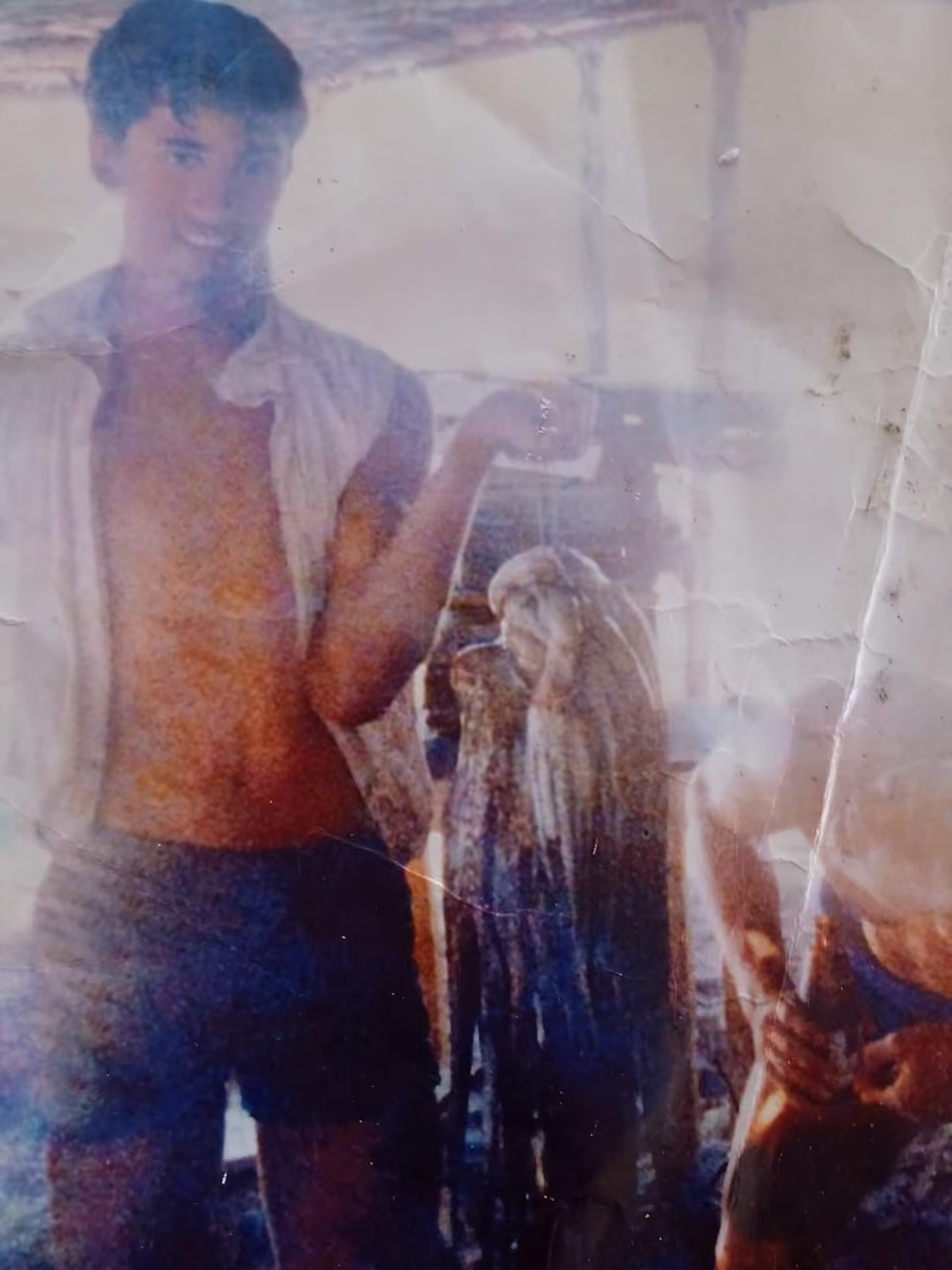
Jorge: With all the people who came. With my friends. With boys who wanted to go fishing. I always took them fishing. I was their fishing guide, because I knew the whole area. They called me “Tarzan”. I liked the wild, and I was a bit wild. I had a parrot.
LOT: These were kids your own age?
Jorge: Yes, but not from here. From other places. They came occasionally to visit me, to go fishing. Around here, it was only my family. When I was a kid, there were only six of us siblings. Later, there were more of us. Eleven of us. My mom kept having babies.
LOT: What attracted you to doing tournaments, to being in tournaments?
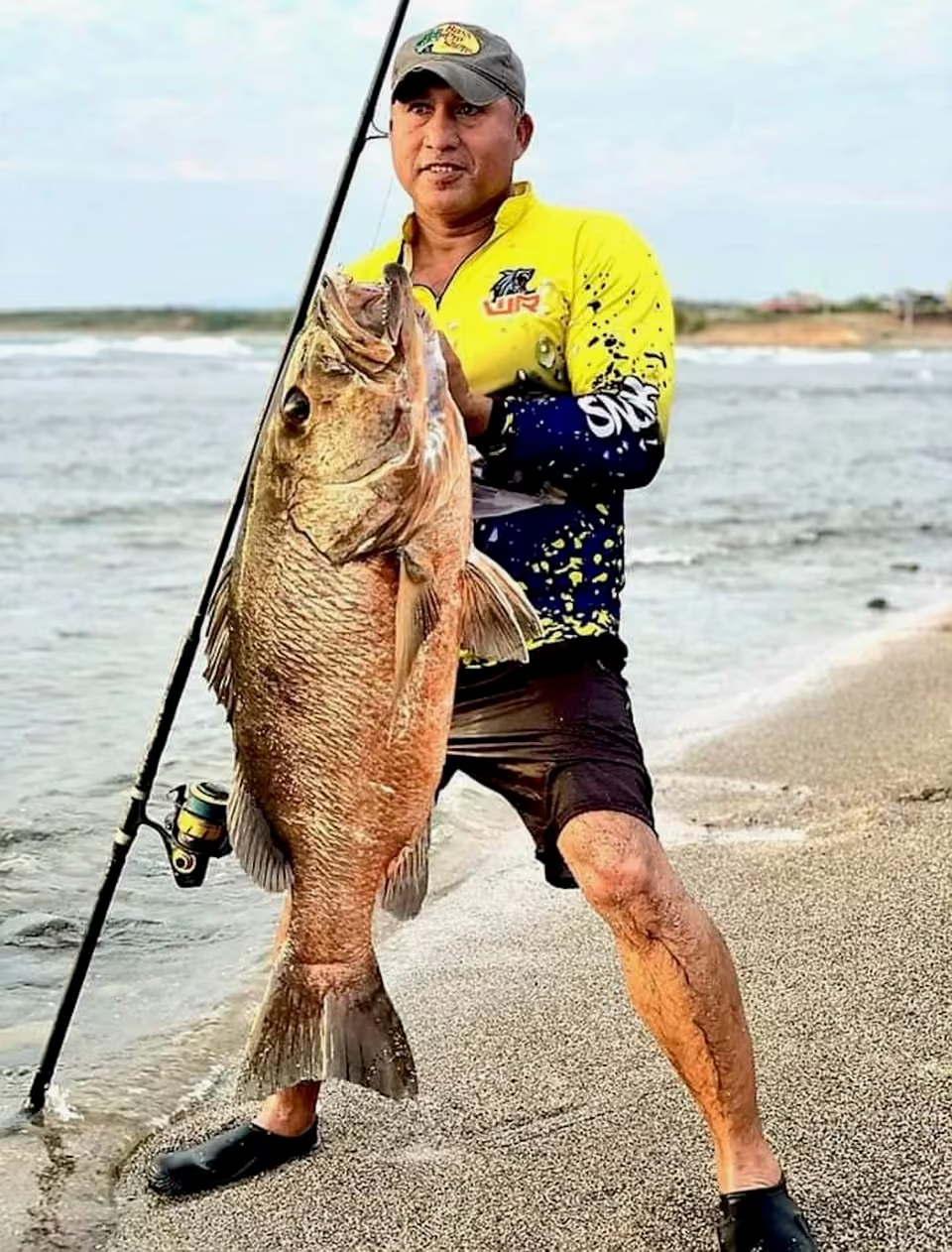
Jorge: Because fishing tournaments started to become famous here in Mexico. The people who organized them made it like a business. People I knew, other fishermen, started inviting me, and I started going. I won a few. And I liked them because they tested me. Practically, I had a lot of knowledge of the sea—where fish eat, where they don’t eat—compared to other people who were just starting to get involved with fishing. The tournaments tested that knowledge.
LOT: How old were you when you started competing?
Jorge: It’s been, like, 20 years that I’ve been competing. I started in my 30s.
LOT: What helped you be so successful in those tournaments?
Jorge: Because it’s what I like and it’s what I know. I know the sea and I know where there are fish, and when there aren’t.
LOT: Where have you gone to compete?
Jorge: I’ve gone to Colima, Michoacan, Puerto Vallarta, Sinaloa, all over.
LOT: When you go out to sea for the tournaments, are you close to the land?
Jorge: Yes. We stay close to the beach, where you can still see the mountains.
LOT: Are there tournaments that go far out?
Jorge: Yes, and I’ve also competed in those tournaments. We won once, when I went with a friend, who’s a good fisherman. [Pause.] I like the sea. I like fishing on a boat, but not for so many days. Fishing for three days in a row, the sun hurts you. It’s too much. I prefer shore tournaments. I like fishing near shore.
LOT: When did you start taking people fishing?
Jorge: I’ve always done it, since I was a boy, seven or eight years old. Young guys and older men. I had to take them because this was an unknown area for a lot of people. I was like a guide. Like I always accompanied my dad. I would accompany them and tell them where it was dangerous and where there was no danger.
LOT: Did people resist someone so young being their guide?
Jorge: No. When people arrived, they knew that I was familiar with the area. And I didn’t lie to them. I was realistic. When you live like we did, in an isolated place, it makes you realistic. They knew if I told them this, it was true. I had a lot of experience, learning things from fishing alone. I could tell them what was a good place, what was a dangerous place. They knew that I could keep them safe, that I could show them where to go.
LOT: What should people know before going fishing with you or with anyone else?
Jorge: More than anything, know the person who you are going with. That they aren’t going to put you in danger. You have to know. When I go with someone, I’ll tell them, “Don’t pass through there the currents are too strong”, or, “don’t stand on that rock because you can fall or you can get hurt”. And as a guide, I also have to know who I’m with, because some people will tell you, “Yes, I know how to swim” or “I’m an ocean expert” but, really, they are lying to you. You have to be able to trust the other person. When you can’t, that’s when accidents happen.
LOT: People will say they can swim and you find out they can’t when you’re off-shore?
Jorge: That’s how it is. It’s happened to me many times. I have to help them get out of trouble. Sometimes we lose our gear and everything.
LOT: What’s the biggest fish you’ve helped someone catch?
Jorge: Big snappers from the shore. Thirty-something kilos. But I’m going to tell you something—I dedicated myself to catching sharks when I was 14 or 15 years old, with a person who lived with us, who grew up with us, like a brother—we would go after sharks. We would put in cables with chains, and big hooks, and up to a kilometer of line. We would spend two days catching sharks.
LOT: Why sharks?
Jorge: Because we could sell them. By the ton. For quite a lot. We would take them to Zihuatanejo. We were out at sea fishing for shark when the big earthquake happened here in Mexico in 1985. I saw the earthquake—I saw the hills move—I saw the rocks break off and fall into the water. I saw the sea move like Jell-o. And then it got calm and then, after, it started to kind of swell, to rise, and the waves were very high, like mountains.
We weren’t very far out. And, thank god, the waves didn’t break, otherwise we would have sunk. We spent about an hour watching how the waves rose and came through, and then we went to Zihuatanejo where we found the port all wrecked, completely destroyed—boats in the sea—everything had flooded and washed away. Entering the port, we started seeing pieces of boats, boards, tanks of all kinds, coolers, everything floating. We stayed outside the port for a while, unable to reach the shore because of everything in the water. The hills looked like they were all covered in dust and the birds kept flying. That’s what happens when there’s a strong earthquake—the earth keeps shaking and the birds don’t want to come down—they keep circling. It looked quite sad—very, very sad.
LOT: And what happened around here? [That September 19th quake measured 8.0 on the Richter scale. The epicenter was off the coast of Michoacán. The earth shook for five minutes along the coast and for three minutes in Mexico City. There was considerable damage throughout Mexico.]
Jorge: It flooded. A lot. All the way over here. Up to the top where the road is. I didn’t return for two days because you couldn’t come here by car. When I got here, there were a lot of dead fish, a lot of dead sardines, all kinds of dead things that the sea washed up.
LOT: Have there been many earthquakes like that in your lifetime?
Jorge: No, no. That is the only one. But what made me think of that was your question of the biggest fish I’ve caught. It was a shark. I caught it with a cable, and it weighed almost 300 kilos.
LOT: What kind of shark?
Jorge: It was a bull shark. There are a lot of sharks here. There’s one we call Tintorera [blue shark] and one we call Chata [blunt nose or cow shark]. The Chata is very common in tropical water all around the world. It grows up to 600 kilos. [The largest ever found washed up in Turkey, weighing 900 kilos.] When I was a boy, there were thousands and thousands and thousands of sharks. I would go in to fish where people surf now. I would go in on a float and I would anchor myself with a rope and a rock. I would stay all night fishing and come in the next day. There were a lot of sharks there.
LOT: Why aren’t there as many now?
Jorge: Because my brother Benito has dedicated himself to killing them.
LOT: What gives you the most joy when you fish?
Jorge: When a fish bites the lure. That’s when I feel good. When I’m casting, at that moment, I have the adrenaline, but when I feel the sheer grab of the lure, that’s when fishing brings me the most joy—when something bites my lure, when the animal bends the rod on me.
LOT: To pull in a 300-kilo shark. How do you do that?
Jorge: We used a buoy. When the shark bit the bait, we put a jug, a container, on the cable, and let it pull it around and get tired on its own, and then we could pull it out fast. There were many sharks that took up to two hours, following them around until the buoy pops up. Then, you know it’s tired.
LOT: What has changed in fishing since you were little?
Jorge: A lot of new technology, new products. Many types of reels and rods. Plus, it’s easier to get fishing gear. It used to be difficult. Before, you had to use or make your own hooks out of wire or something. There was nowhere to get them. There was no one to sell them to you. And your fishing line was also very important, and really difficult to get. You had to take care of it. Now, they sell lures, they sell fishing line, they sell rods—everywhere.
LOT: Has anything changed in the ocean?
Jorge: The water was clearer all the time, and there were a lot of fish, so many fish. It’s changed a lot. And, little by little, the shoreline here has changed, too. It used to be 50 meters further out. But because there’s been less rain, the river no longer brings down as much sand—it used to form like a kilometer-long island in the ocean—and the ocean’s slowly been taking away what’s here on the shore.
LOT: What is a secret about fishing that no one knows?
Jorge: The secret to fishing is that when you go fishing, you go relaxed, focused on what you’re going to fish for, without thinking about anything else—forget your problems, have a good attitude. Another thing is perseverance. Always fishing, casting, casting, casting. It’s always about perseverance. Just like that, keeping at it the whole time without stopping and not thinking about anything else but that you’re going to catch something, that you’re going to catch a fish—thinking positively, that you’re going to catch something. That’s the best. Go with a positive mindset and don’t think about anything else other than fishing. Do that and you will forget all your problems. That’s what’s important—take fishing as a pleasure, as a joy, with happiness. Don’t go out bitter, don’t go out fighting. Stay calm, relaxed, thinking that at any moment you’re going to catch one. That’s the most important thing—your attitude.