Chef Profile: Vianca Rodríguez de la Vega
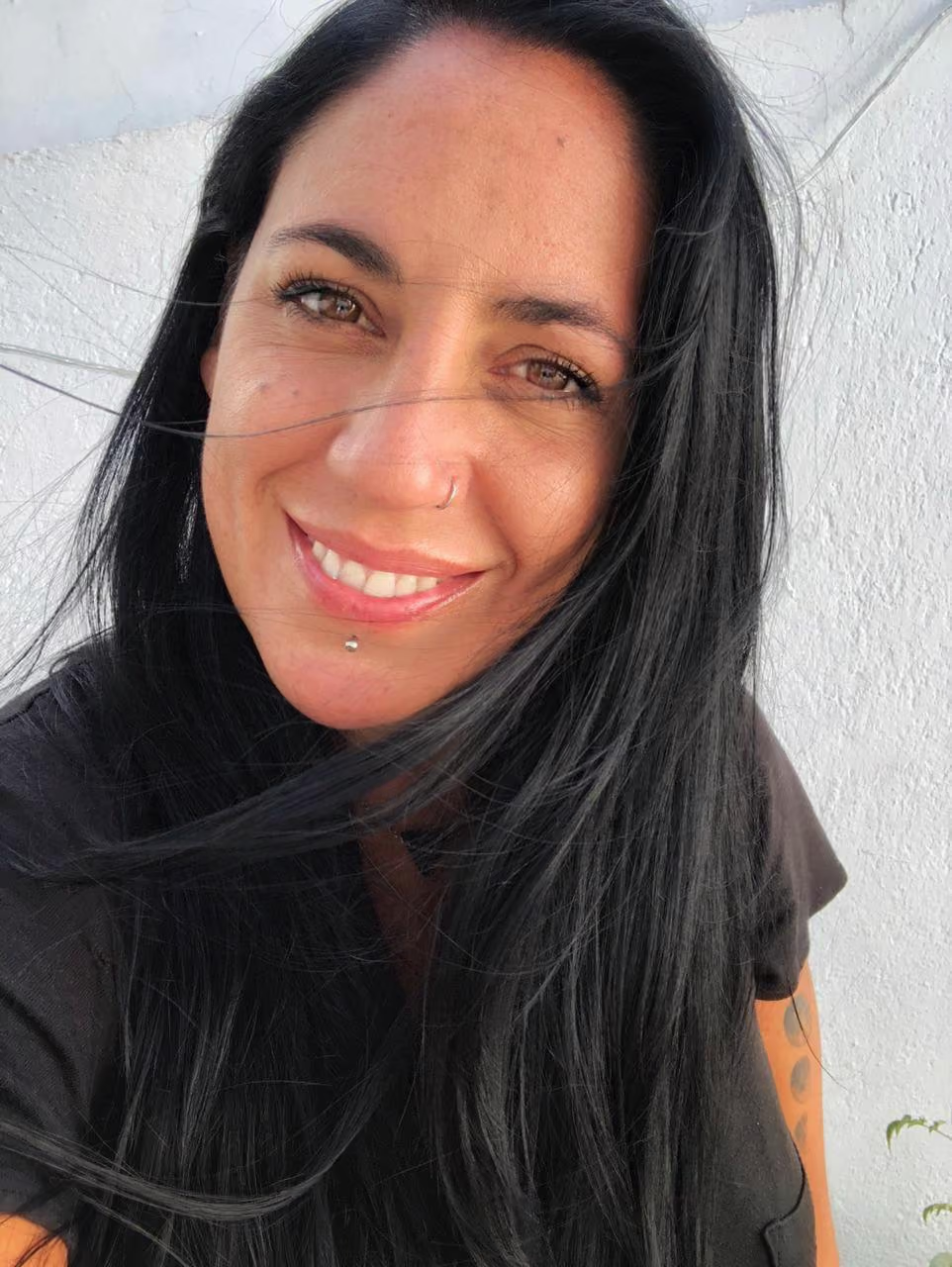
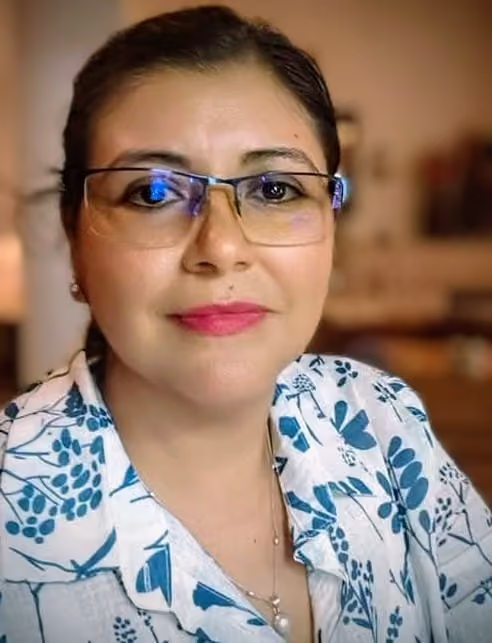
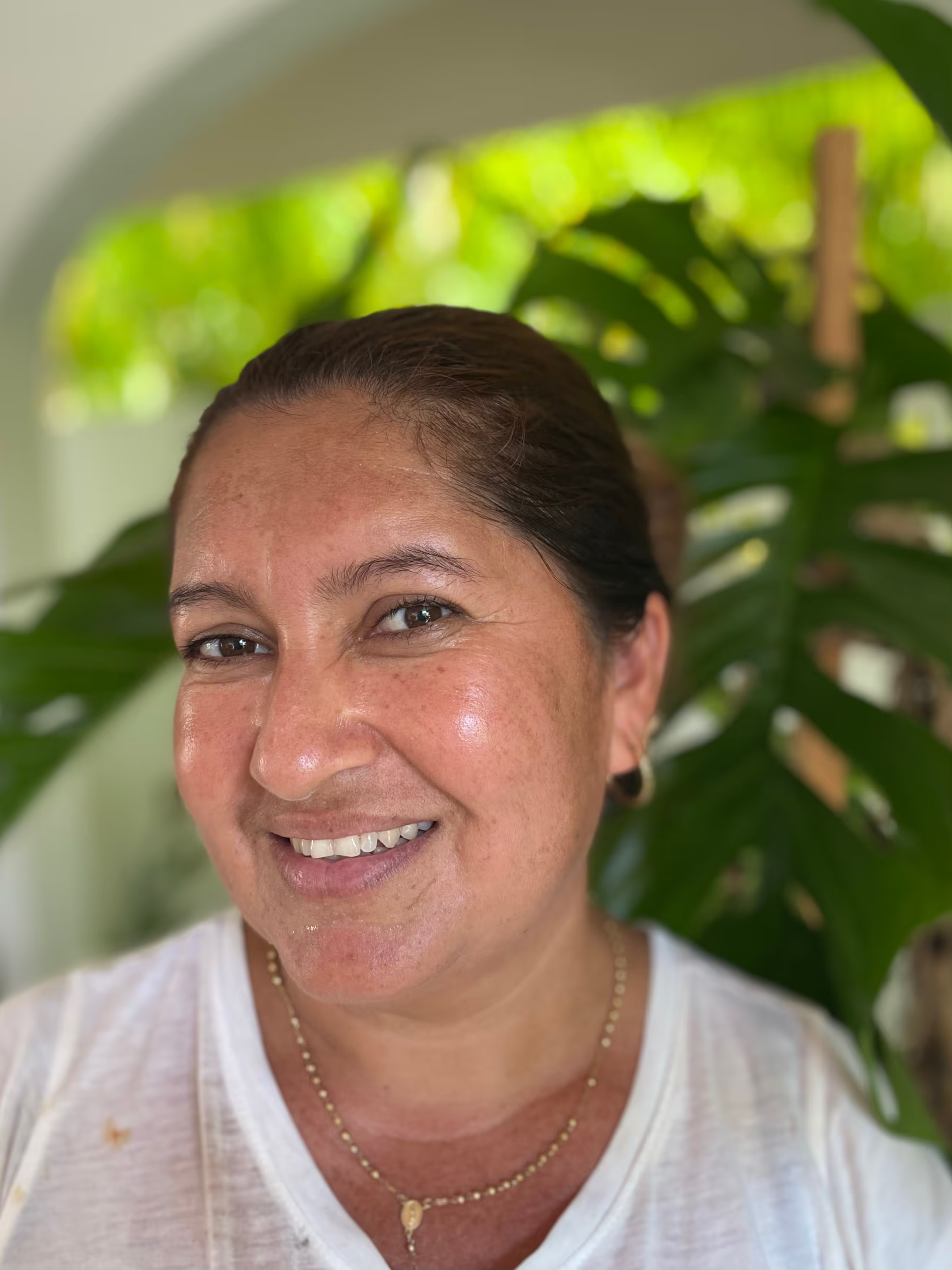
This Mexico City native never planned on opening a restaurant in Troncones, but with some ceviche, some charcoal, and a little bit of chaos, she’s building one of the town’s most distinctive and popular food spots.
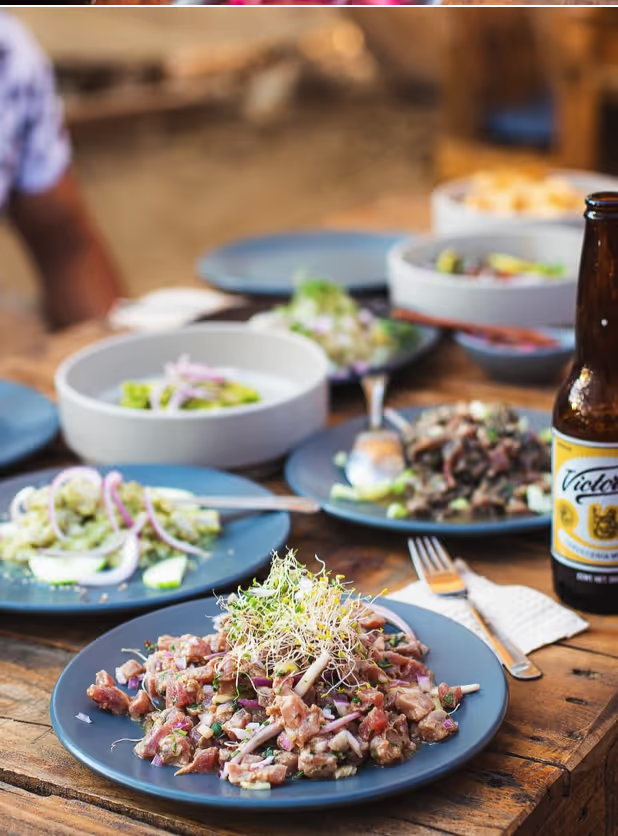
The first thing you notice about La Cevichería is that it doesn’t feel like anyone else’s restaurant. The ceviche is different, the black margaritas are definitely different, and owner Vianca Rodríguez de la Vega seems perfectly happy doing things her own way. We sat down to talk about food, and what came up were family recipes, culinary school, Chicago winters and how a woman who’s never worked in a professional kitchen ended up running one.
.png)





.png)
%20(Spanish)-2.avif)

And what is ceviche? It’s a seafood dish commonly found along the Pacific coast of the Americas—fresh fish, or shellfish, marinated in citrus juice—usually lime—which firms the flesh and gives it the appearance of being “cooked”, even though no heat is involved. Peru claims ceviche as its national dish, but nearly every Pacific region has its own version.
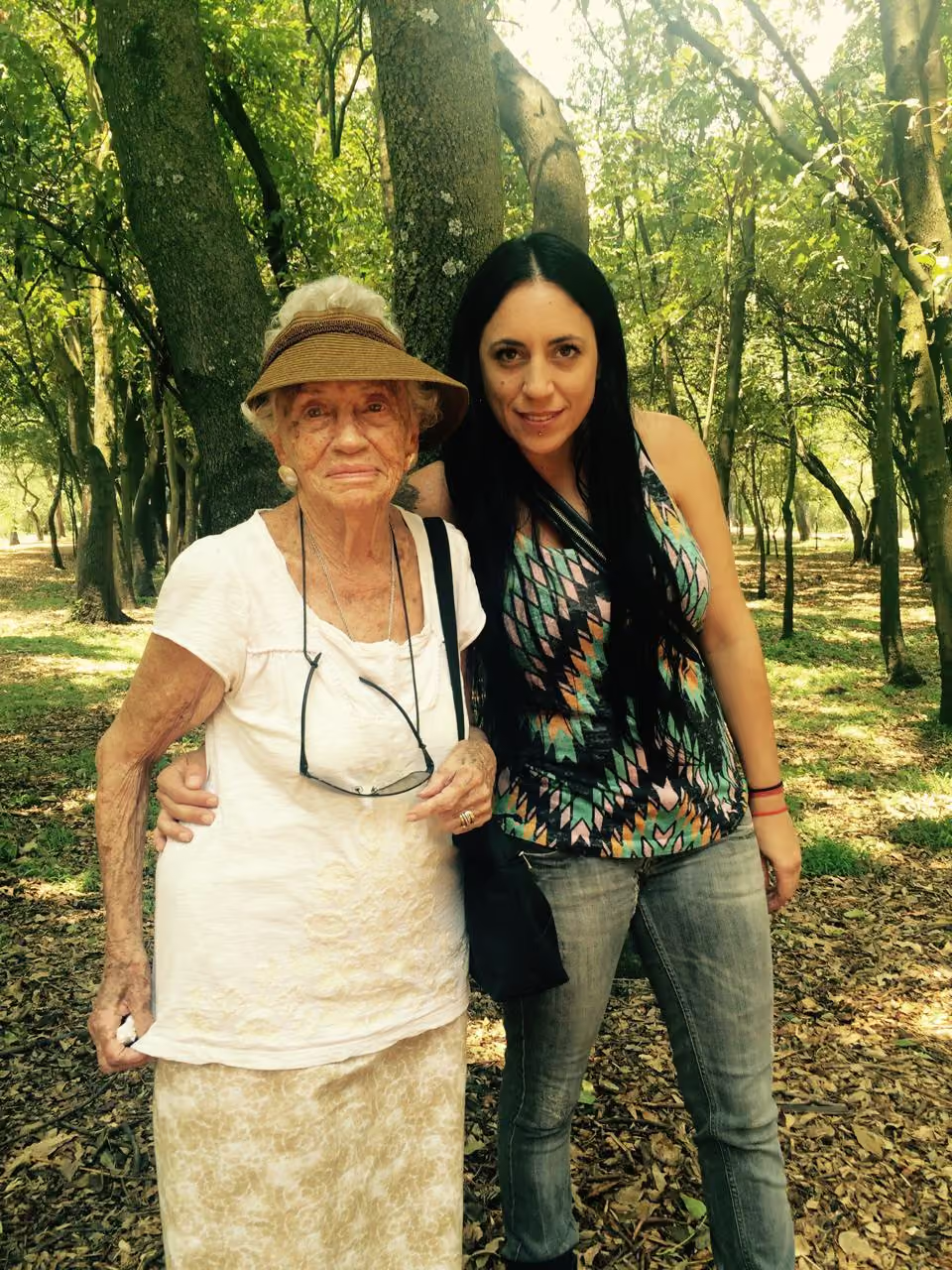
LOT: How did you get interested in food?
Vianca: I’ve always loved to cook. When I was little, my mom would say, “Either you cook or you wash dishes.” I’d rather cook than wash dishes, so that’s how I started. My grandmother, my mom’s mom, was an amazing cook, and I was always in the kitchen with her, watching and learning. I also watched cooking shows on TV and wanted to recreate what I saw. I have a few of those recipes in my restaurant.
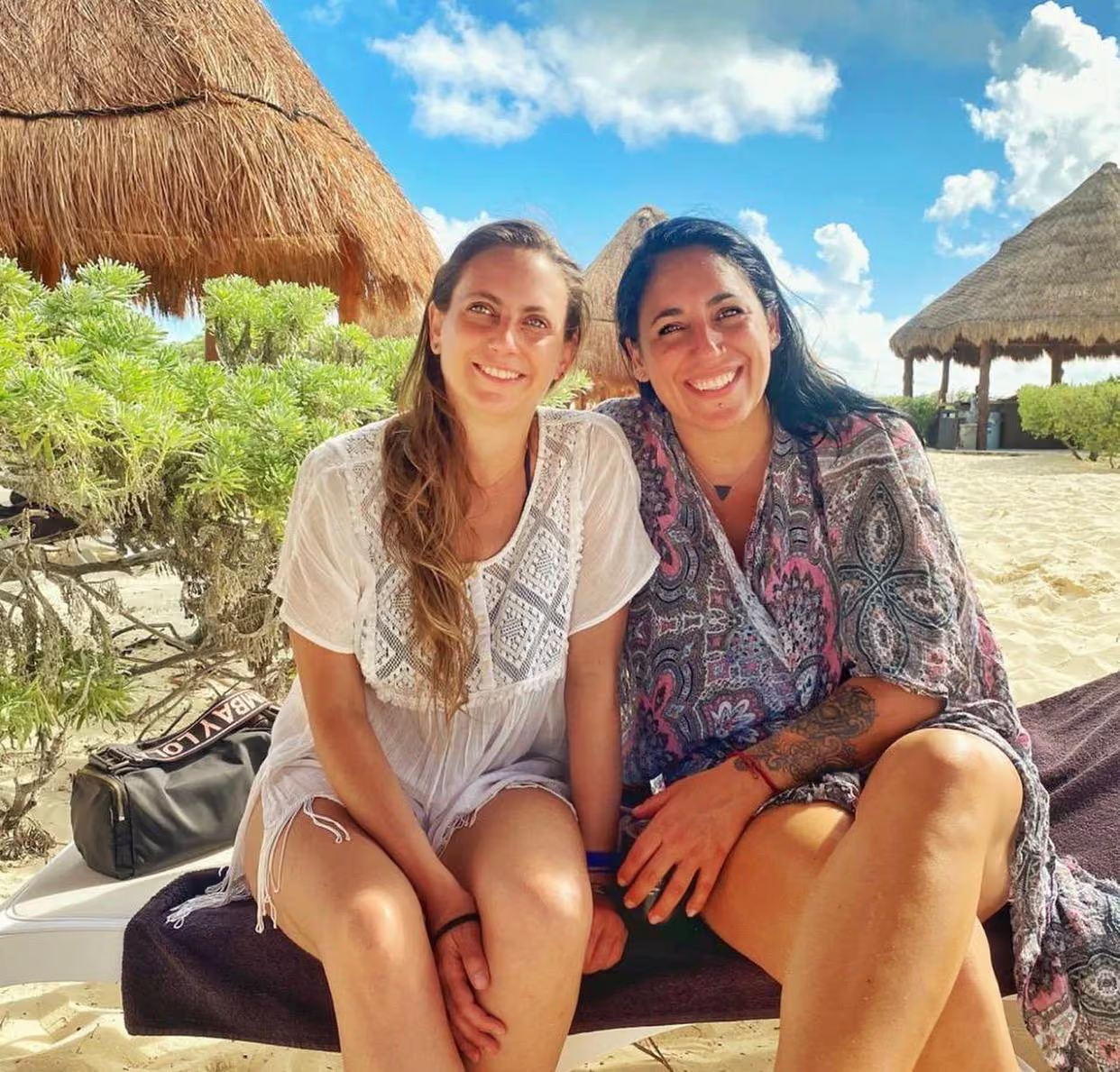
LOT: Did you grow up in a big family?
Vianca: No. It was just me and my older sister.
LOT: What brought you to Troncones?
Vianca: I have some other family here. They invited me to work on a project, but the project didn’t work out. I ended up staying anyway.
LOT: Had you visited before?
Vianca: Yes. I first came about 15 years ago for a wedding, and fell in love with it. I’ve always loved the beach and the idea of living in a small town. When I got here five years ago, it felt like the little town of my dreams.
LOT: Quite a change from Mexico City.
Vianca: Very different.
LOT: Before Troncones, where did your life take you?
Vianca: I’ve always wanted to live near the ocean. I left home Mexico City at 19 and went to Huatulco, in Oaxaca, then to Playa Del Carmen and Cancún, in Quintana Roo. I started working in hotels in Huatulco, and the hotel I worked for in Huatulco transferred me to Playa del Carmen when it was still a small town. That was 2001. After that, I spent eight years in Cancún working in five-star resorts.

LOT: Were you working in kitchens?
Vianca: Not at all. I started in sports and entertainment, then became a concierge, a chief concierge, a sales manager and a PR manager. Everything except being in the kitchen. But, by then, I was in my late 20s and I realized I had no life outside work. I moved back to Mexico City and started working in a restaurant as a server, not in the kitchen—again—even though I’d been to culinary school. Later on, while I was in Playa del Carmen, I became the manager of a large sports bar. Then one day, someone told me they were moving to Chicago. I packed my things and moved there, too.
LOT: Just like that?
Vianca: Just like that.
LOT: How long were you in Chicago?
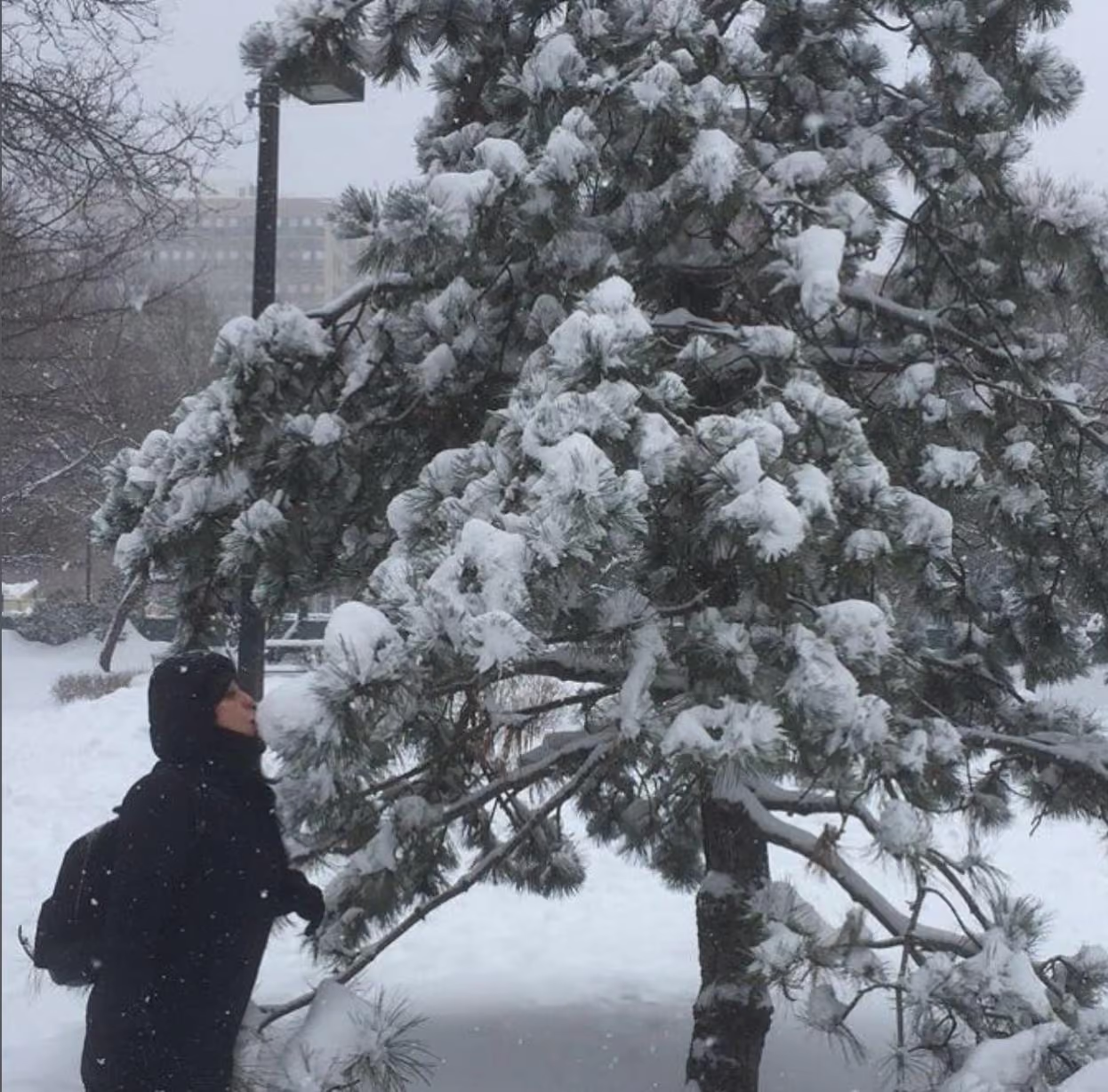
Vianca: Three years. I worked in restaurants there—bartending and serving—never in the kitchen. Then, one winter, a huge snowstorm was coming, and I thought, “No. This is not what I like; this is not for me.” I packed all my things and came back to Mexico.
LOT: Chicago winters are no joke.
Vianca: They’re crazy. Not fun.
LOT: What happened next?
Vianca: COVID happened. Thankfully, I was already back in Mexico, living at my mom’s house and not paying rent. Around that time, I started working as a private chef for a well-known Kundalini yoga guru. I cooked from my house and delivered meals to him every day.
LOT: How did that opportunity come about?
Vianca: My sister was one of his students and close to his organization. Through that connection, I got the job. Later, we all moved to San Cristóbal de las Casas in Chiapas, the whole team supporting him. I stayed there for about four months until he passed away. After that, I returned to Mexico City, knowing I already had the offer to come here, to Troncones. That was July 2021.
LOT: So, when did the having-your-own-restaurant idea happen?
Vianca: People have been telling me for years that I should open a restaurant—saying things like, “the way you cook, the way you make your food, you’ve gotta open a restaurant”. Culinary school must’ve put that in my head, too. When my first project fell through here, my sister said, “Let’s do this!”, and she and my mom helped me out to get everything for this little cevichería. Two of my recipes come from my grandmothers, my mom’s mom and my dad’s mom. The others are mine, ones that I like.
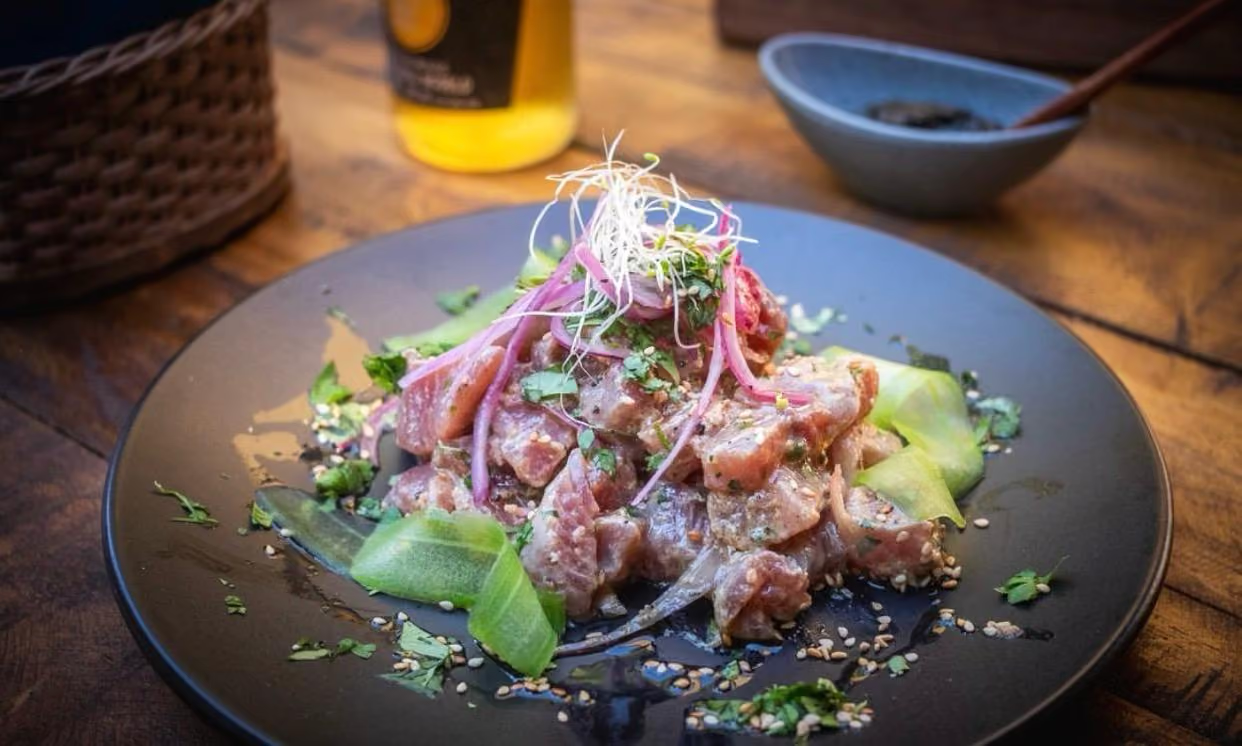
LOT: One thing people notice immediately is that your ceviche is different.
Vianca: Yes. The ceviche people were used to finding around here was very different from what I wanted to make. I didn’t want to make tiritas [fish strips in lime juice] or campechano [mixed seafood in a tangy tomato sauce]. I wanted to have something different because I can’t compete with the restaurants at the beach.
LOT: What’s your most popular order?
Vianca: The steak ceviche. [Note: It’s not actually ceviche. It’s a marinated and seared, thin-sliced tenderloin with the same flavor profiles as some of Vianca’s ceviches—lime juice, jalapeno, olive oil and salt—served with tortilla chips, pickled spicy onions and Vianca’s black salsa.]
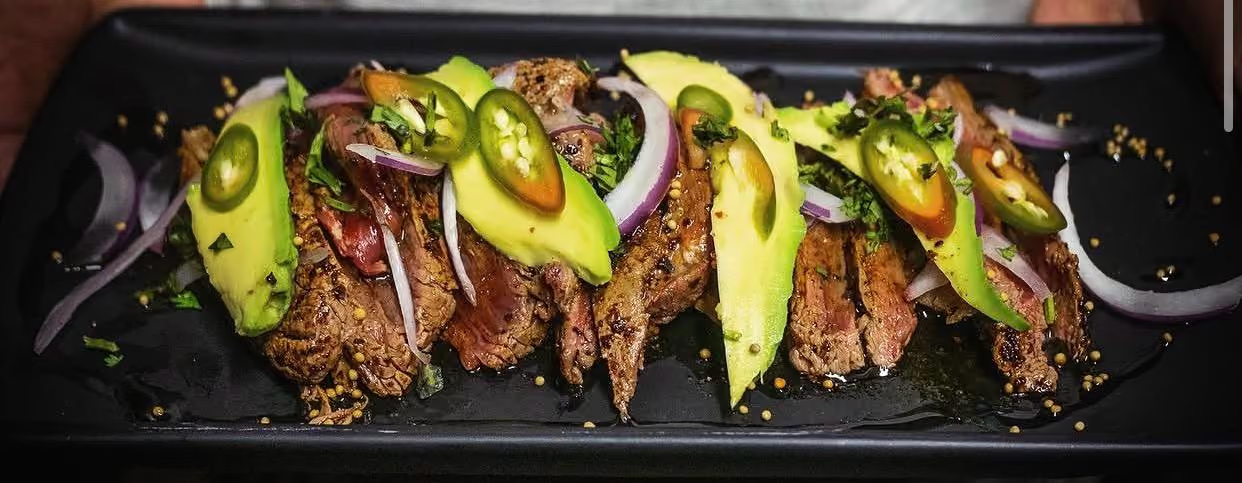
LOT: [Laughs] That’s my favorite. What is the secret to your guacamole?
Vianca: Everybody asks me that. Seriously. I don’t know. Maybe it’s because I put olive oil on it. Most people don’t do that. The olive oil makes it a little creamier and adds flavor. It’s not a secret. I love olive oil on everything.
LOT: Tell me about your famous Black Margarita.
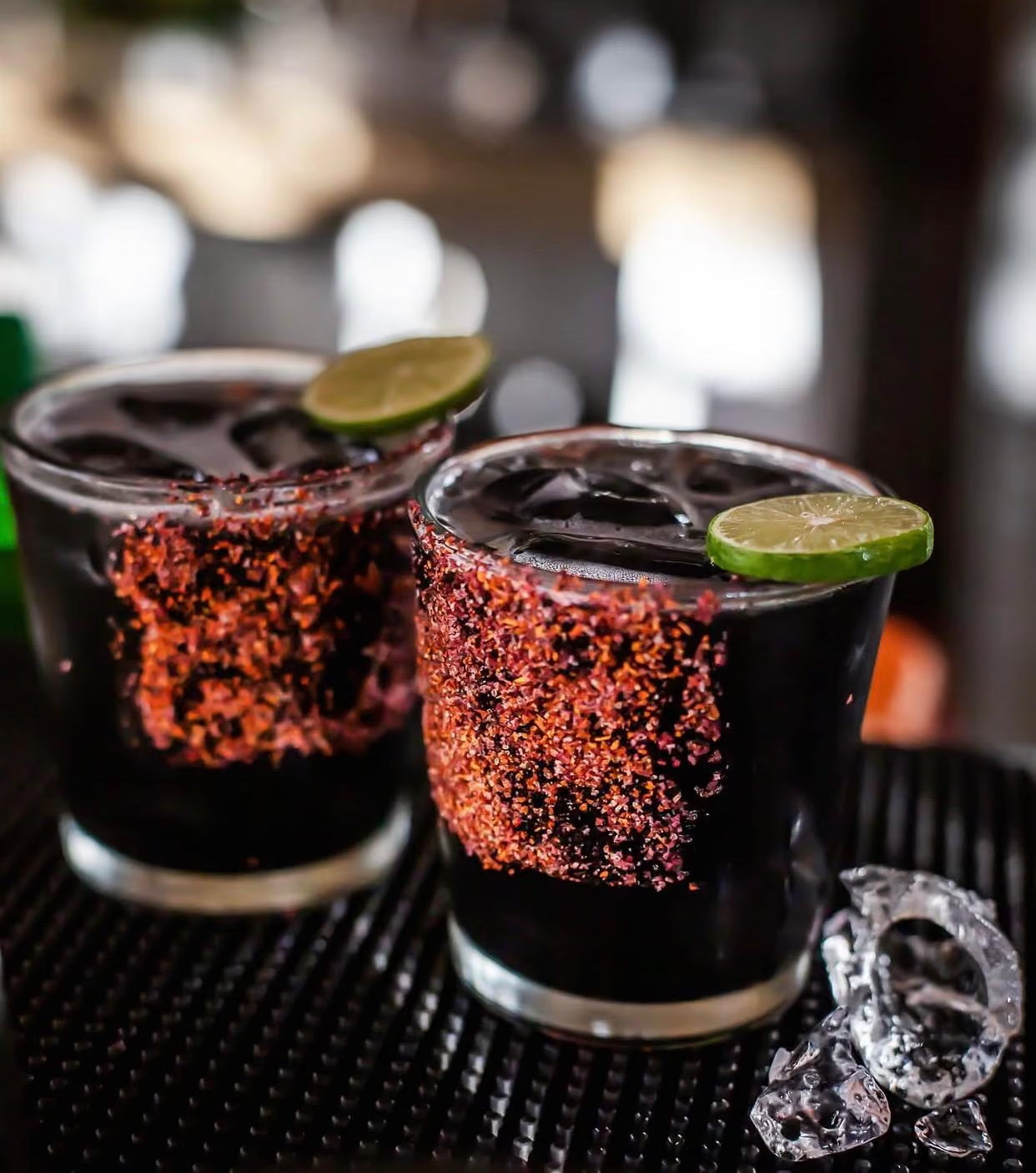
Vianca: I wanted to make something different. I wear black all the time. I have a black salsa. I wondered, “How can I make a margarita black?” I found activated charcoal, which changes the color but not the flavor. It makes the drink look more attractive, then you drink the charcoal and you cleanse yourself. It’s a win-win. You can get tipsy, and detox at the same time.
LOT: It’s definitely become your signature cocktail.
Vianca: Absolutely. It’s the most popular one.
LOT: Your coconut ceviche is unusual, too. Where did that come from?
Vianca: That was actually a collaboration with Daniela at Lobo de Mar. Originally, I wanted to make a vegetarian ceviche with panela cheese, but she pointed out that if people didn’t order it, I’d end up wasting the cheese. She suggested using fresh coconut meat instead—we have coconuts right outside, across the street—and that made the dish vegan as well. It turned out to be a great idea.
LOT: What do you do when you’re not running the restaurant?
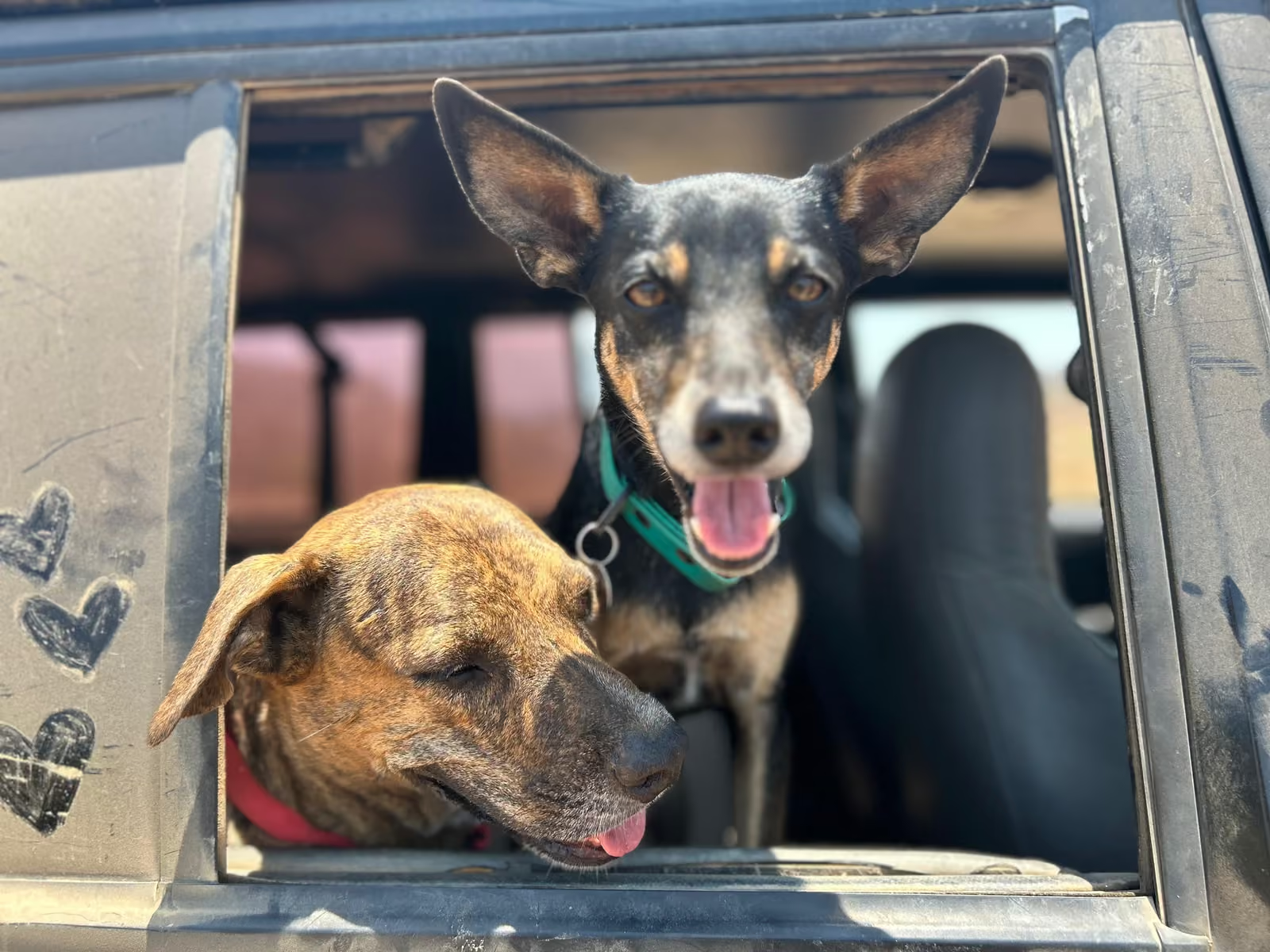
Vianca: Walk my dogs and spend time with my friends. Mostly, I’m with my dogs.
LOT: Dogs are easier than people.
Vianca: Much easier.
LOT: What’s next for La Cevichería?
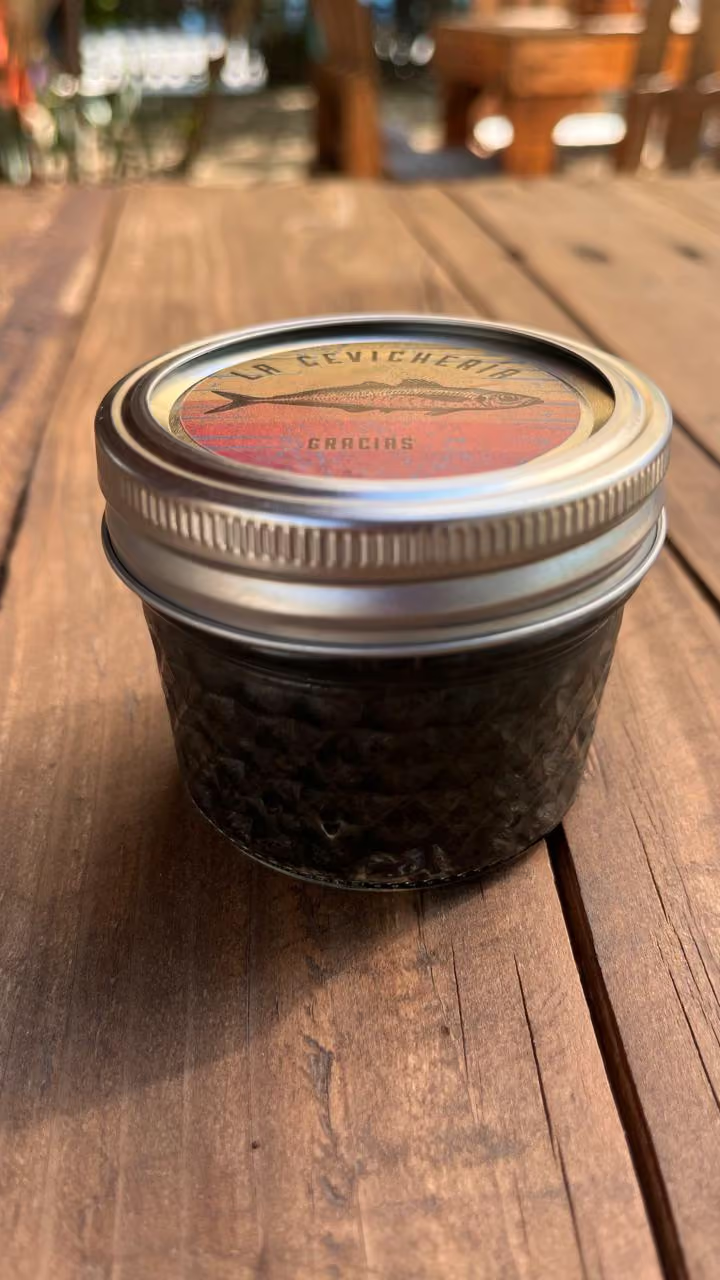
Vianca: This summer, I’m keeping the restaurant open Thursdays, Fridays and Saturdays, from 1 to 6 pm. And I’m going to start selling my black salsa. Right now, I’m waiting on the jars.
LOT: Without giving away all your secrets, what’s in your black salsa?
Vianca: Lots of habanero, onion, garlic, olive oil, black salt, Worcestershire sauce, soy sauce, and a little beer. Everything gets burned, almost to ashes, before it’s blended.
LOT: A little beer?
Vianca: Just a little. The alcohol cooks off, but it adds flavor.
LOT: Will the salsa be sold only at the restaurant?
Vianca: At first, yes. It’ll come in little mason jars and it’ll need refrigeration because I’m not using preservatives.
LOT: And what about next season?
Vianca: Towards the end of the summer, I’m going to go back to Mexico City for about two months. When I get back, I want to bring back some of my specials—especially the tacos and the chilies. Running a small kitchen means you have to stay very organized. Even adding one extra dish can become complicated, but I’m thinking of having some new tacos—like steak, fish, shrimp and pastor [spit-roasted pork blended with chiles and spices]—and experimenting with a few new weekly specials.
LOT: As someone who has worked in professional kitchens, I know how challenging a small operation can be. Do you consider yourself a chef?
Vianca: Not really. When I look at people, like Daniela, who’ve spent years working in professional kitchens, I can’t compare myself to that. I’ve worked in restaurants and resorts my whole life, but always on the other side. This restaurant is actually my first real experience working in a kitchen full-time.
LOT: So, it’s like an experiment?
Vianca: Exactly. That’s why I don’t want a bigger place or a huge menu. I’m still learning, and I like growing at my own pace.
La Cevichería is located in Troncones in a shady plaza to the north side of the main bridge.
Instagram https://www.instagram.com/lacevicheria_troncones/
Facebook https://www.facebook.com/profile.php?id=61570805635827


.avif)
.avif)
%2017.27.38.avif)

.avif)



%2022.56.27.avif)