A Curious Cook Makes Bagels in Paradise
“Everything becomes easy when you learn the process”, or so says John Bergman
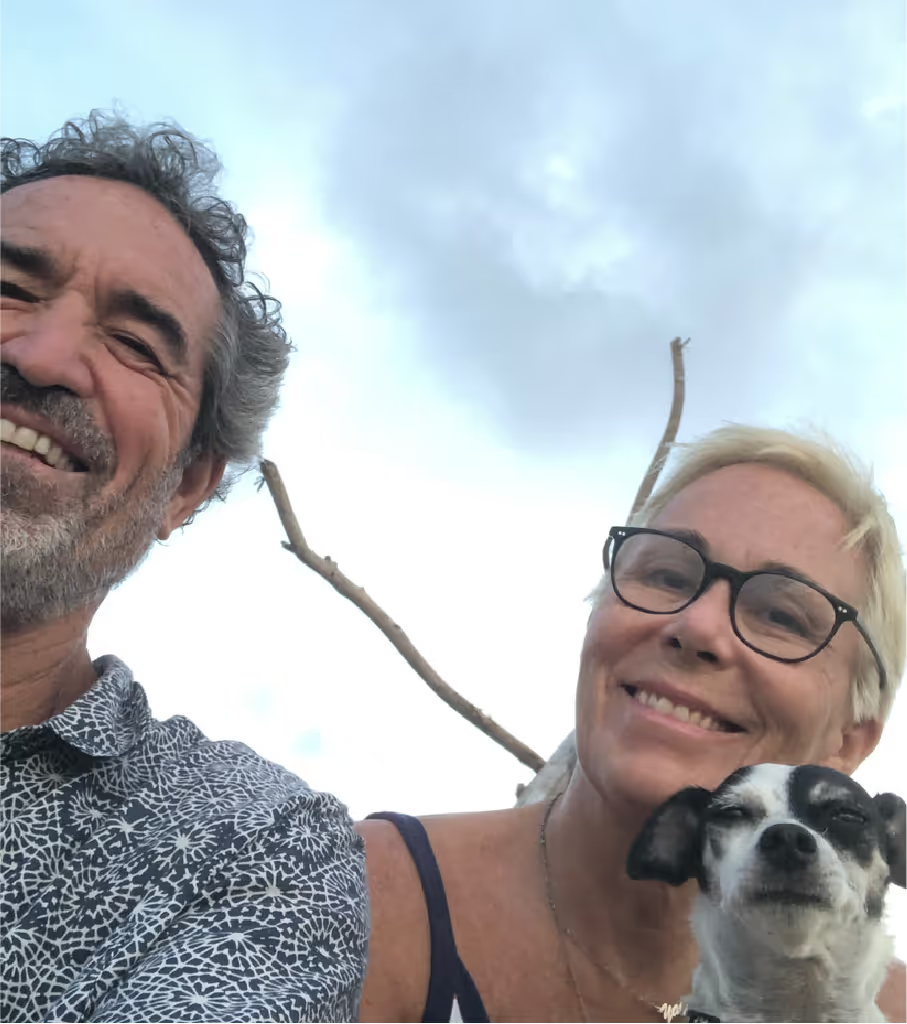
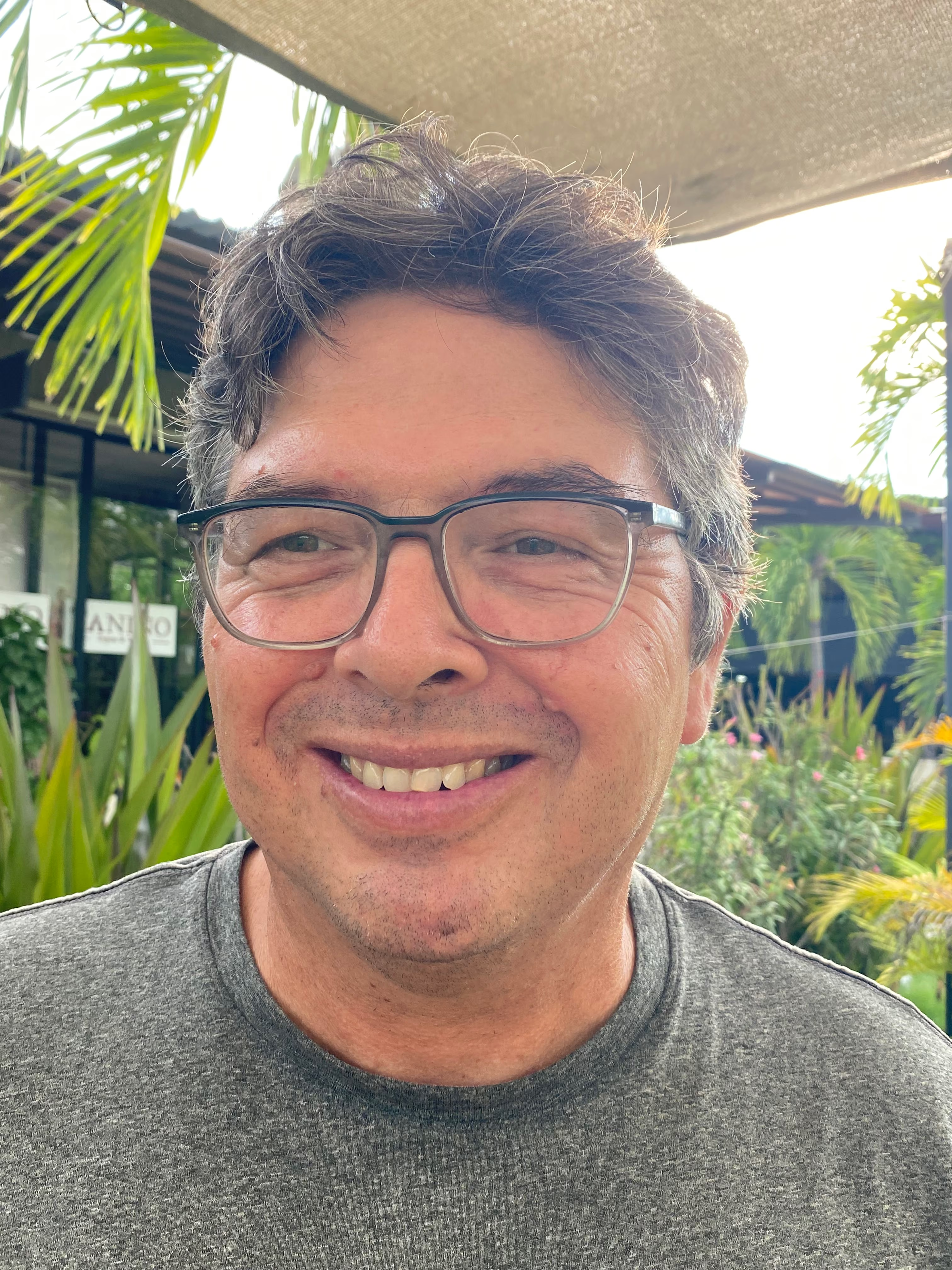
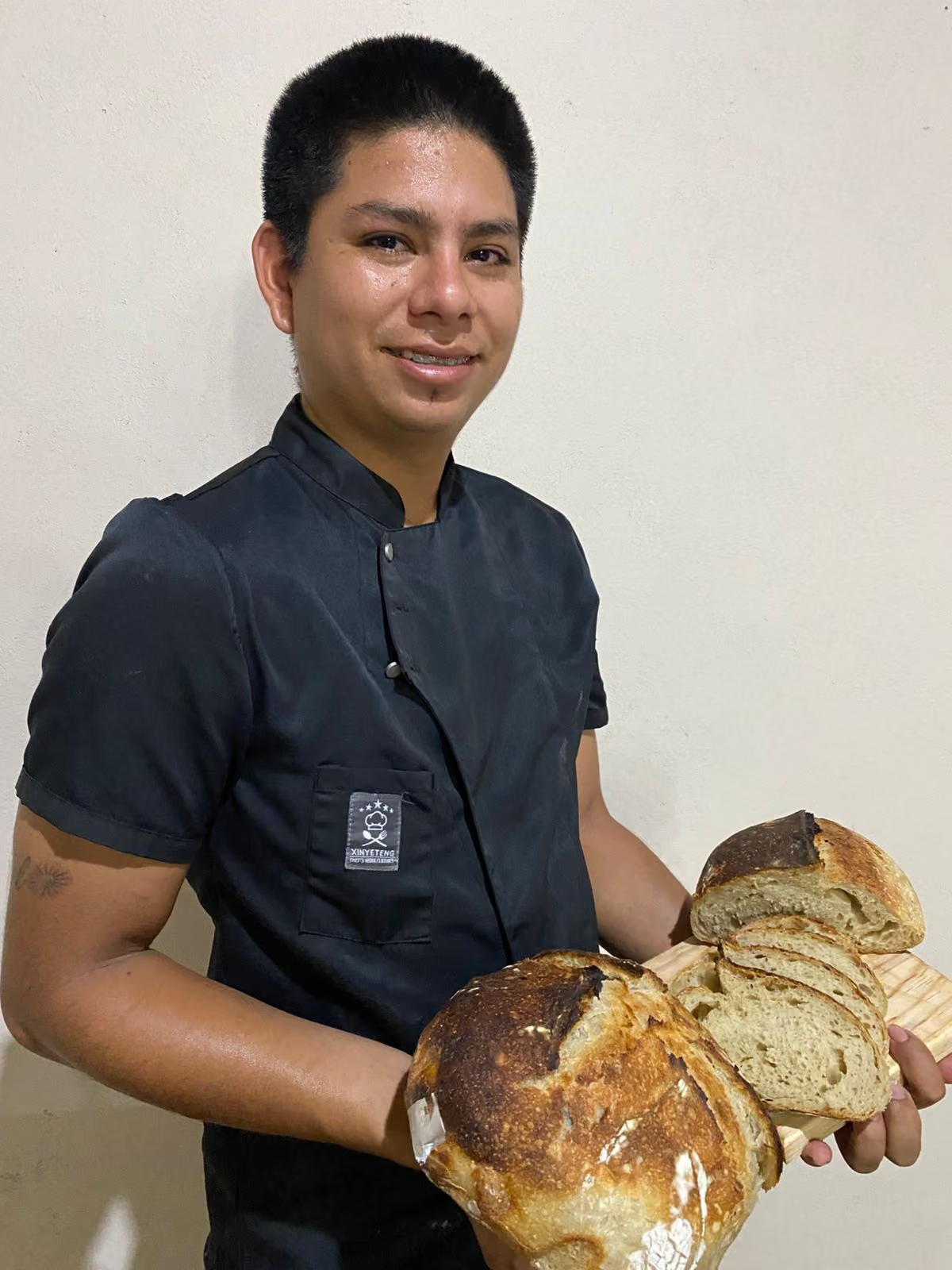
If you’ve spent any time around Hacienda Plaza in Saladita, you’ve probably met John Bergman. He’s one the managing partners behind the project. He’s also the guy who’s coming around giving away free samples of his latest culinary experiment. John’s background isn’t culinary at all. He studied landscape horticulture and biosciences, became a certified arborist, later went to nursing school, and somewhere along the way developed a passion for cooking and baking. John describes himself simply as “an okay cook”. What he really enjoys is figuring things out. Whether it’s coffee, chocolate, bread, donuts or bagels, he’s happiest learning the process.

.png)





.png)

%20(Spanish)-2.avif)

LOT: Tell us a little about what you do at Hacienda.
John: I’m one of the partners in the creation of Hacienda, the coffee project and the restaurant. It all started with the coffee growers in the El Faisanal area [in the mountains, to the north-northeast of Los Llanos]. We wanted to help them with distribution and we ended up with this café. I bake at home and I like to cook. I enjoy trying recipes and creating things that work in this climate.
LOT: How did you become interested in cooking?
John: Growing up, we were seven kids. My father worked for the federal government after he got out of the military, so there wasn’t much around. My mom is Japanese, so food was always important in our house. There was always this idea that food could be something special. As I got older, I became more interested in cooking. Our friends cooked, and one of the chefs we admired was Paul Prudhomme and his southern Cajun cooking.
One of the people who really influenced me was Frank’s father, George Cruz. He used to barbecue in the backyard. George always said, “The best part about being the person on the grill is you get to sample everything.” Frank and I have been friends since the seventh grade, so I spent a lot of time at his house. His parents treated us—and many of the other neighborhood kids—as if we were their own. George was like a second father to me.
LOT: Let’s get right to your latest—the bagels. You're about the farthest thing from a Jewish guy as I've seen around here.
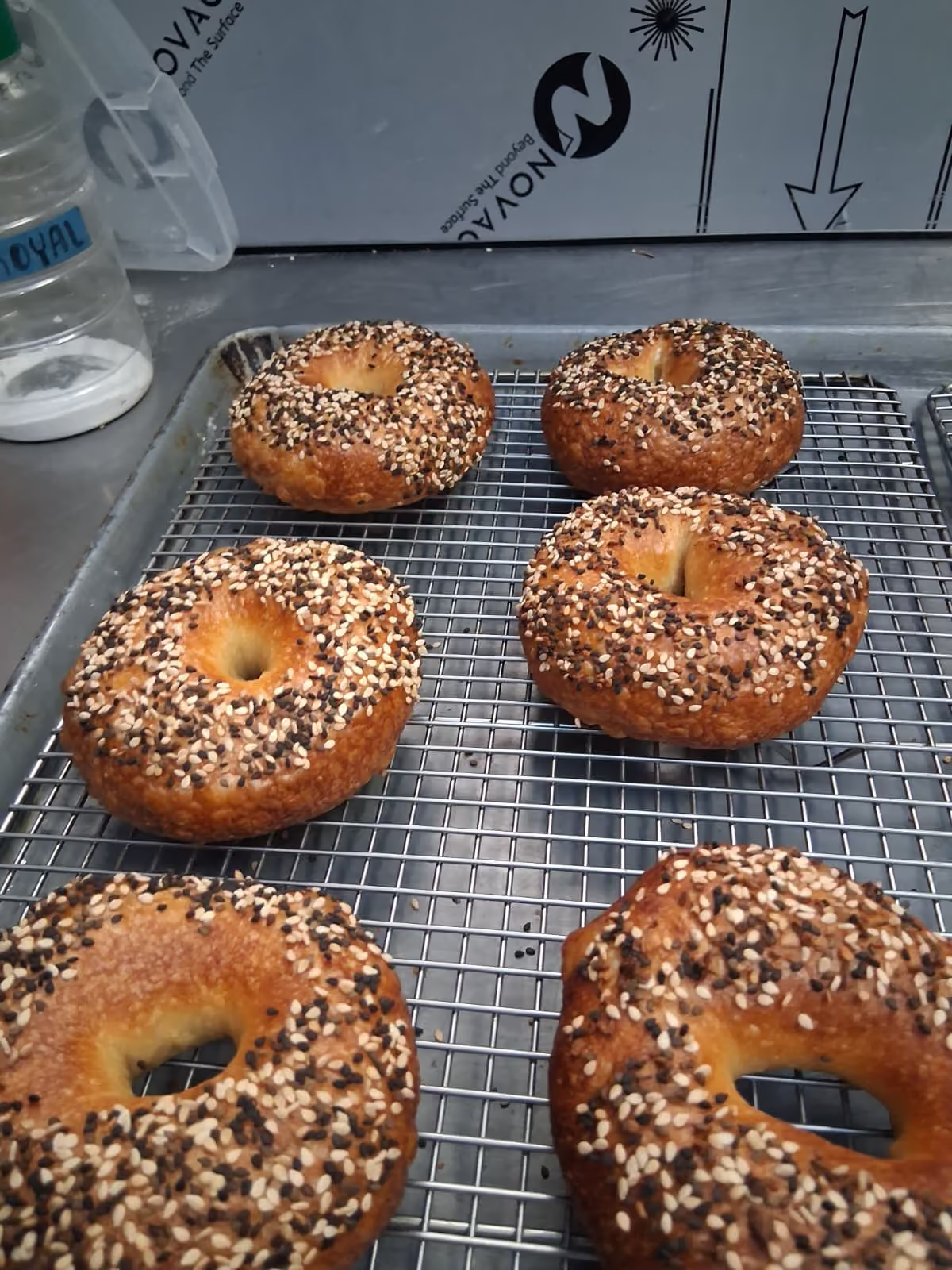
John: (laughing) Well, DNA-wise, I’m actually 30% Jewish. Growing up in the San Francisco Bay area, bagels were always around. There was always the debate about whether a West Coast bagel could ever compare to a traditional New York bagel. Once I started learning bread making, bagels just seemed like the logical next step. If you’re already making breads for lunch, then breakfast naturally follows—and that’s what sparked my interest in bagels.
LOT: Had you ever made bagels before?
John: No, I hadn’t ever made bagels until just this last year.
LOT: So where are you getting your information, your guidance?
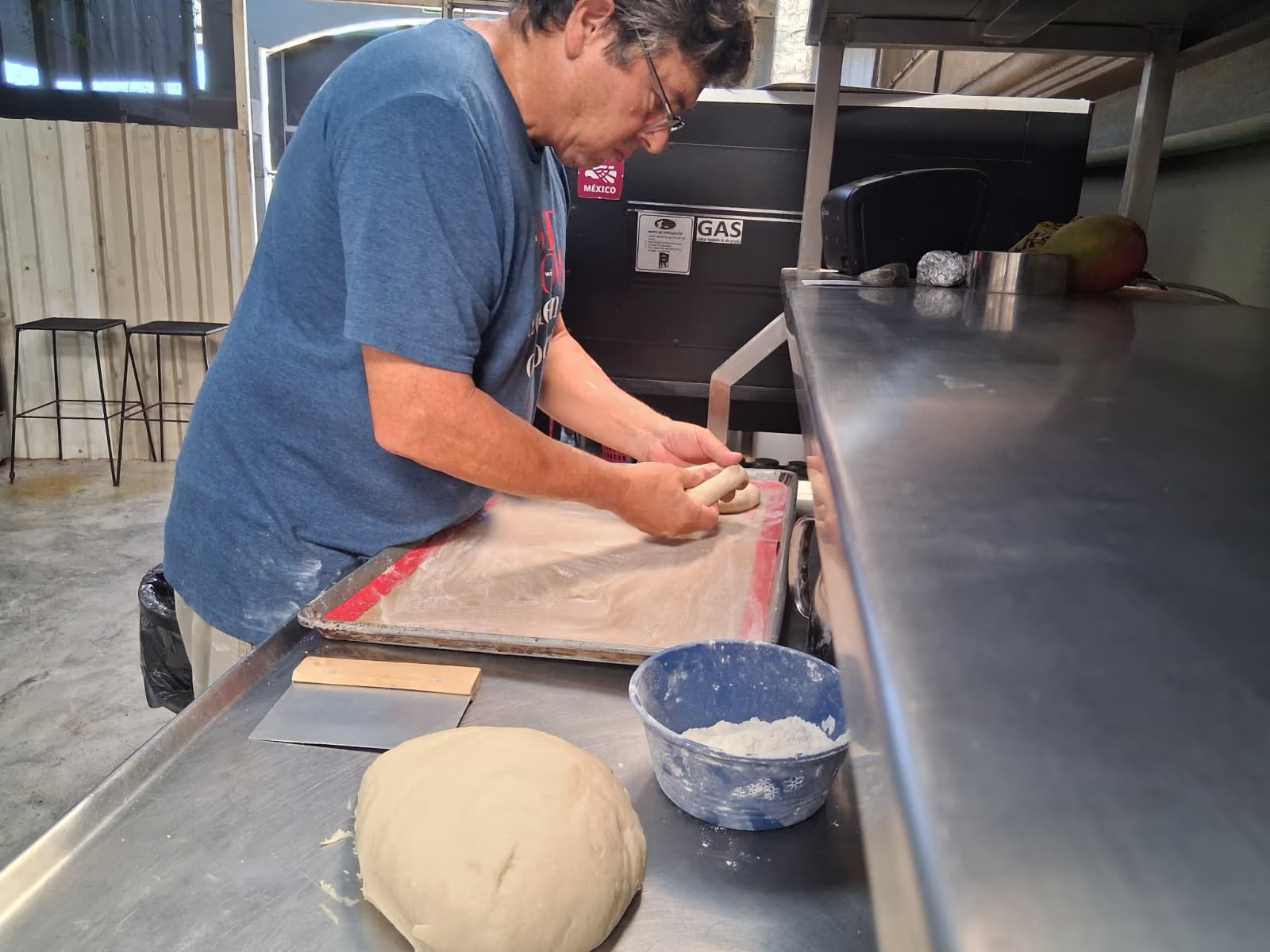
John: The only formal food training I’ve had has been bread-making and baking classes at the Central Milling Artisan Baking Center in the San Francisco Bay area [North of Novato, in Petaluma, CA]. I’ve watched videos from New York Times Cooking, that’s helped, and several of my sourdough books include bagel recipes, so I practice with those. Being in the Bay Area, there’s such a rich food culture there that there are always people, classes and resources to learn from.
LOT: Are you using a sourdough starter?
John: Yeah. At home, I have a sourdough starter. I use a little of that with a little yeast—that’s really where the flavor comes from. Here, I started a new mother starter about three weeks ago, and it seems to be developing really well. I’m excited about that.
LOT: What’s been the biggest challenge making bagels here?
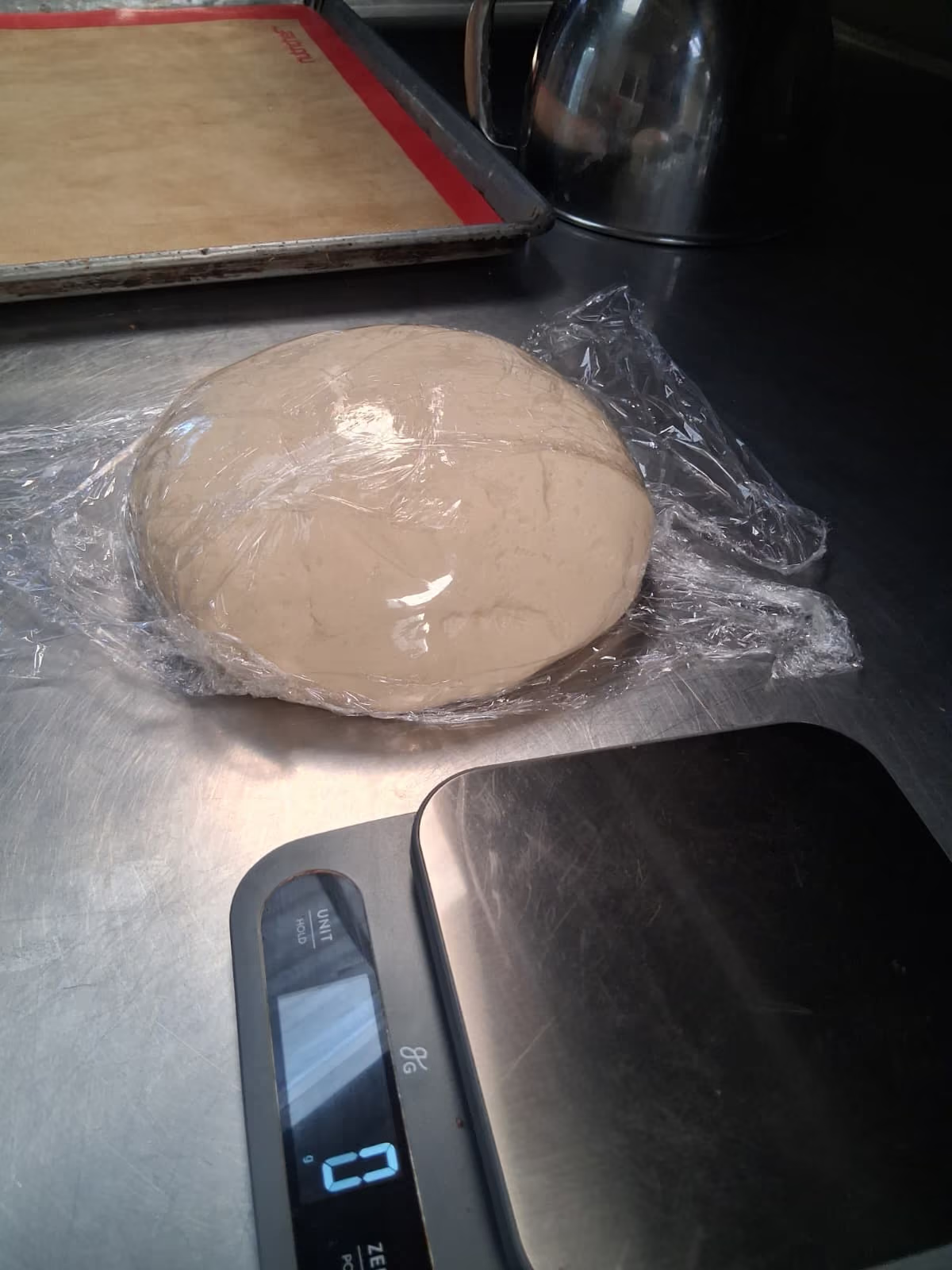
John: The humidity. And the heat. Those two have been the biggest challenges. Back home in the Bay Area the humidity is around sixty percent. Here it’s eighty to ninety percent. I’ve probably done five different experiments just trying to get the hydration right. Change one ingredient and everything changes. Cinnamon raisin bagels are different because the raisins absorb moisture. Blueberries are different because of the moisture in the fruit. It’s always a balancing game. Just last week, the chefs from the oven company came and showed us how to really use the ovens—how to pre-heat them and use the steam function properly. That’s what gives the bagels those beautiful blisters on the crust. We’re finally getting them where we want them.
LOT: Are you trying to use local ingredients?
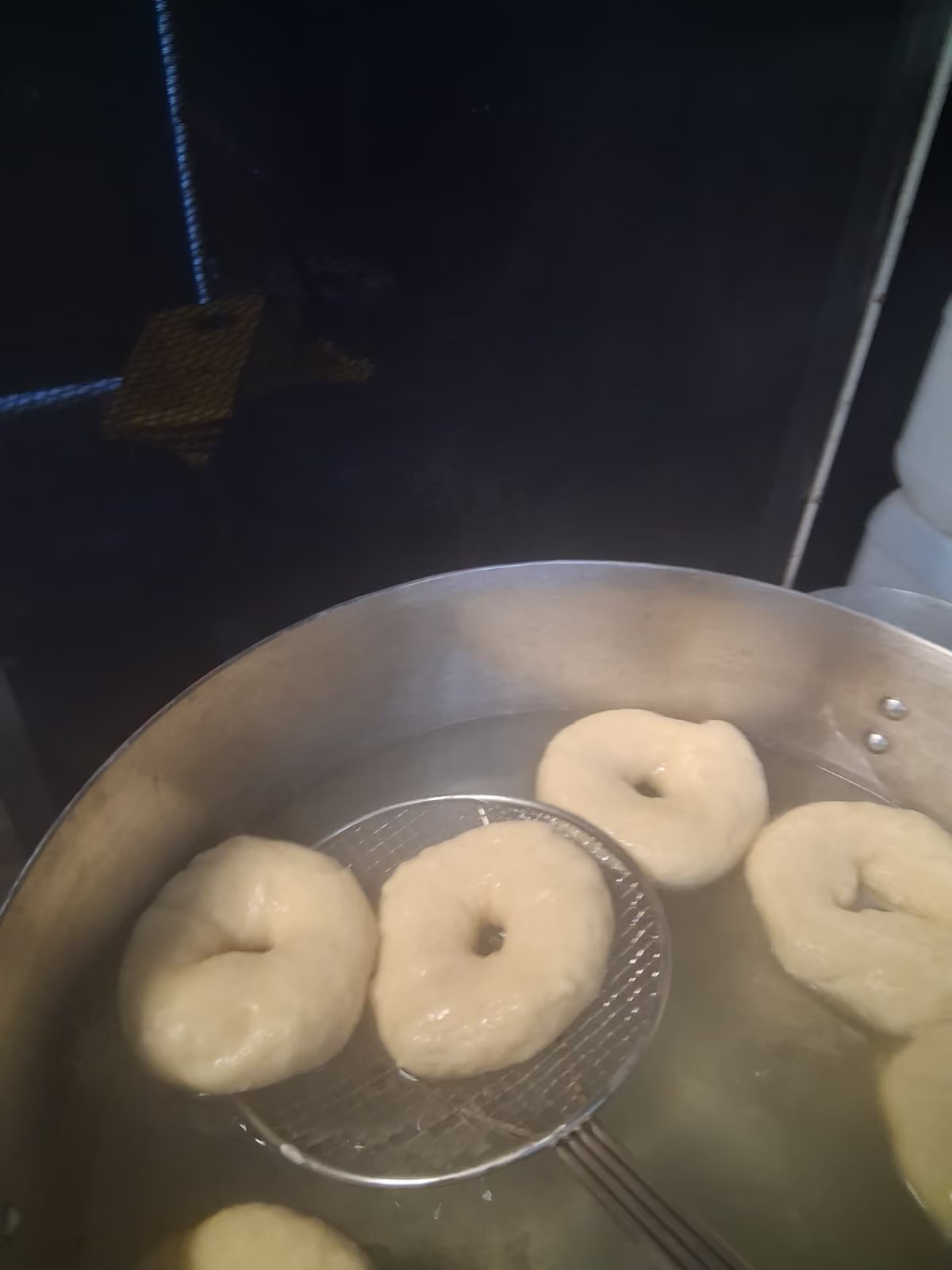
John: Yeah. I could bring supplies from California any time but, to me, it’s more interesting to ask, “What's available here?” I’ve been experimenting with local flour, local yeast and other ingredients. Traditionally you’d use barley malt in bagels, but honey works beautifully—and honey is abundant here. So, we use honey in the dough, and again when we boil the bagels before baking them.
LOT: I noticed donuts coming out of the kitchen the other day.
John: I’ve always wanted to learn how to make donuts. And croissants. I took a two-day class on lamination [a process of encasing butter in dough] , and some of the techniques carried over to the donuts, so I went full into donuts.
LOT: What's next?
John: Croissants. That’s another dough experiment. With croissants, the butter has to stay colder than the dough. It's all about temperature and consistency. Hopefully we'll get that process dialed in and then start making croissants, too.
LOT: It seems like you enjoy the challenge as much as the finished product.
John: Exactly. Everything becomes easy when you learn the process.
LOT: Once the bagels are dialed in, where do you see them going?
John: Right now, we’re only making a couple dozen bagels a few times a week. A lot of local people haven’t really experienced a fresh bagel. Maybe they’ve had packaged ones from the grocery store, but not a real one. We’ve also been talking about breakfast sandwiches—an egg sandwich on a bagel. It opens the door to different ways of thinking about breakfast. But a bagel is something almost everybody can enjoy. Even if it is unfamiliar around here, people understand it. It’s simple. Everybody can find a way to make it their own.
LOT: So, what kind of production are we talking about? People are going to be asking when the bagels are available.
John: Right now, we're still dialing everything in. We’re baking a few days a week, experimenting with the schedule, and training the staff, so everyone learns the process and can make them consistently. That’s really the goal right now. By high season, once we've perfected what we're doing and more people are back in town, we’d like to be making them more regularly and be able to handle a lot more volume.
Post-interview: Bagels may be John’s latest obsession but somehow, I don’t think they’ll be his last. If our conversation taught me anything, it’s that he’s as interested in the finished product as he is in understanding how it all works. And by the way, I’ve been on the tasting end of both the bagels and the donuts—and as Jewish girl from New York transplanted to Mexico—I can say that John is doing it right!




.avif)
.avif)


%2017.27.38.avif)

.avif)



%2022.56.27.avif)