Ángel Dosal Amandi: I Am Happier Here
There’s more to every story, including the ones about the origins of Troncones
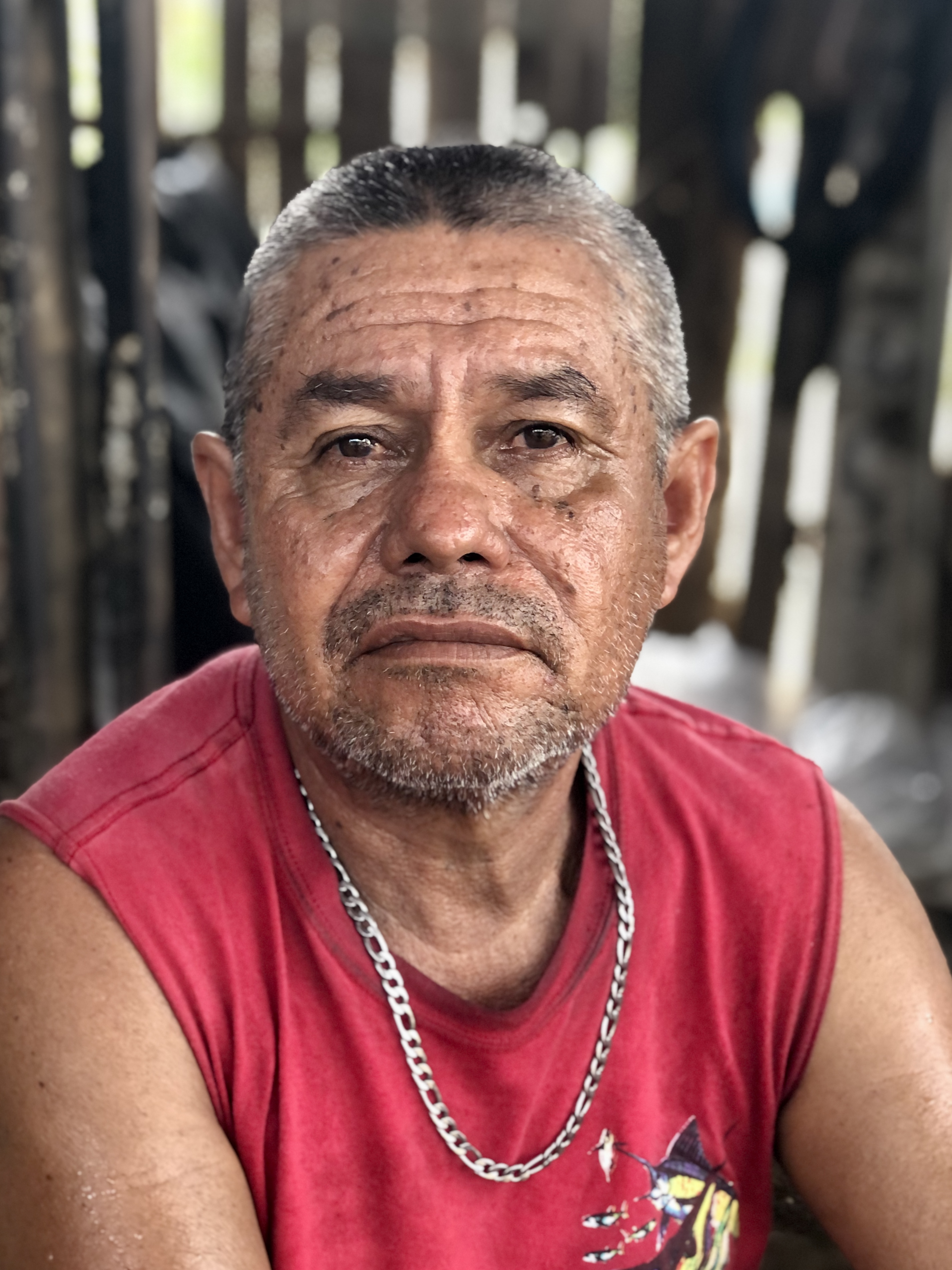
There’s no written history of Troncones. I didn’t set out to put one together but every time I talk to someone about their life here, I learn something new. Here, you’ll meet Ángel Dosal, who lives next to the church. He’s been here since 1968. All my previous interviews have been with residents who arrived in 1976—part of a community relocation project prompted by Ruben Figueroa, the governor of Guerrero—60-some people being moved to Troncones from Infiernillo, near La Salitrera. After this interview, Ángel and I went on a little tour to Troncones’ original freshwater wells, located not too far from today’s Main Street. They’re dry most of the year now, occasionally coming to life in the rainy season. In going up there, Ángel recalled fishing in Manzanillo Bay and only taking one fish a day—that it was all you needed. No electricity. No refrigeration. No taking more than you could eat that day. That’s a history worth remembering. Life before “the invasion”.
%2017.27.38.avif)

.avif)





.avif)

%20(Spanish)-2.avif)



One other thing. When Ángel describes a scene, he’s there. It’s not like he’s talking about the past. He’s there in the same way an athlete will describe a game played long ago—he’s right in it, in the moment. His eyes light up, his face relaxes. He’s seeing it again, all new.
LOT: Where were you born?
Ángel: In Mexico. In the capital. In [Colonia] Juan Escutia. The clinic where I was born has disappeared, but that was the place.
LOT: When did you arrive in Troncones?
Ángel: I was five years old. I can remember from 1968. It was all jungle [waving towards the middle school]. All of this here. You could find deer, iguanas. Big iguanas. And armadillos, digging here and there, nearby. Now, they’ve gone far away. Do you know where Chico lives [pointing] over there? There was a low spot, down to the corner, and when the tide would surge, when the sea would rise, it would bring fish into there. Not a lot of fish, maybe six or seven each time, but they would stay there. You could find them and catch them under the tree roots. Sometimes when the sea rose again, they would make the switch back out to sea.
There was no road here. No easy way in or out. My dad always carried a chainsaw with him in his truck. And winches, because he would get stuck. He never went to Zihuatanejo alone because, if he went alone, how would he get the truck out? To get to Zihuatanejo, he had to leave at 6 am, then buy what he needed as fast as possible to be back before the rain, or before night. It rained a lot more then. Because there was no road, it was easy to get stuck. He had staff working with him, so two people always went with him whenever he went to buy things.
LOT: Where does the name Troncones come from?
Ángel: There was a Spanish man, a doctor, Dr. Péteilh [pronounced Peh-tay], who owned this land. He cut down a lot of trees and planted many palms, and he would come here to take care of his coconut orchards. This place didn’t have a name. His family would ask him, “Where are you going?” And he would say, “I’m going to where the big trunks are—Los Troncos.”
He set fire to the trunks and they didn’t burn completely. They only got scorched and he couldn’t remove them, so he planted his palms alongside them. A second Spanish man bought the land from the doctor, and that Spaniard and my dad had the idea to name it “Troncones” because it was already called that, so to speak. The second Spanish man knew it as “Los Troncos”', but he wanted the word to sound better. He and my dad started talking and they are the ones who decided that this should be called Troncones.
LOT: Were there still a lot trees growing here when you came?
Ángel: So many. There were a lot of cedars. It looked like they’d been planted, but nobody planted them. They grew on their own. And they were big. My dad used to tell us to hold hands to see how many of us it took to go around the trees. It took five of us to go around some of the trees. Some of them were six people thick. One day, my dad climbed a tree and we took pictures of him. He was a big man but when I looked at him from below, he looked small. Those were black and white pictures, from a long time ago. I don’t have them anymore.
LOT: How many siblings do you have?
Ángel: Right now, there are four of us. Raul and Martin, and a sister who lives elsewhere. There was one who died in Texas.
LOT: How many people lived here when you arrived?
Ángel: Only one family, who lived over where Gaby’s store is now, who were workers for Dr. Péteilh. Dr. Péteilh sold all his lands but he was still harvesting “his” coconuts, putting them in bags and into big trucks. Nobody said anything to him. He harvested the fruit, but nobody said anything to him because nobody else was taking it.
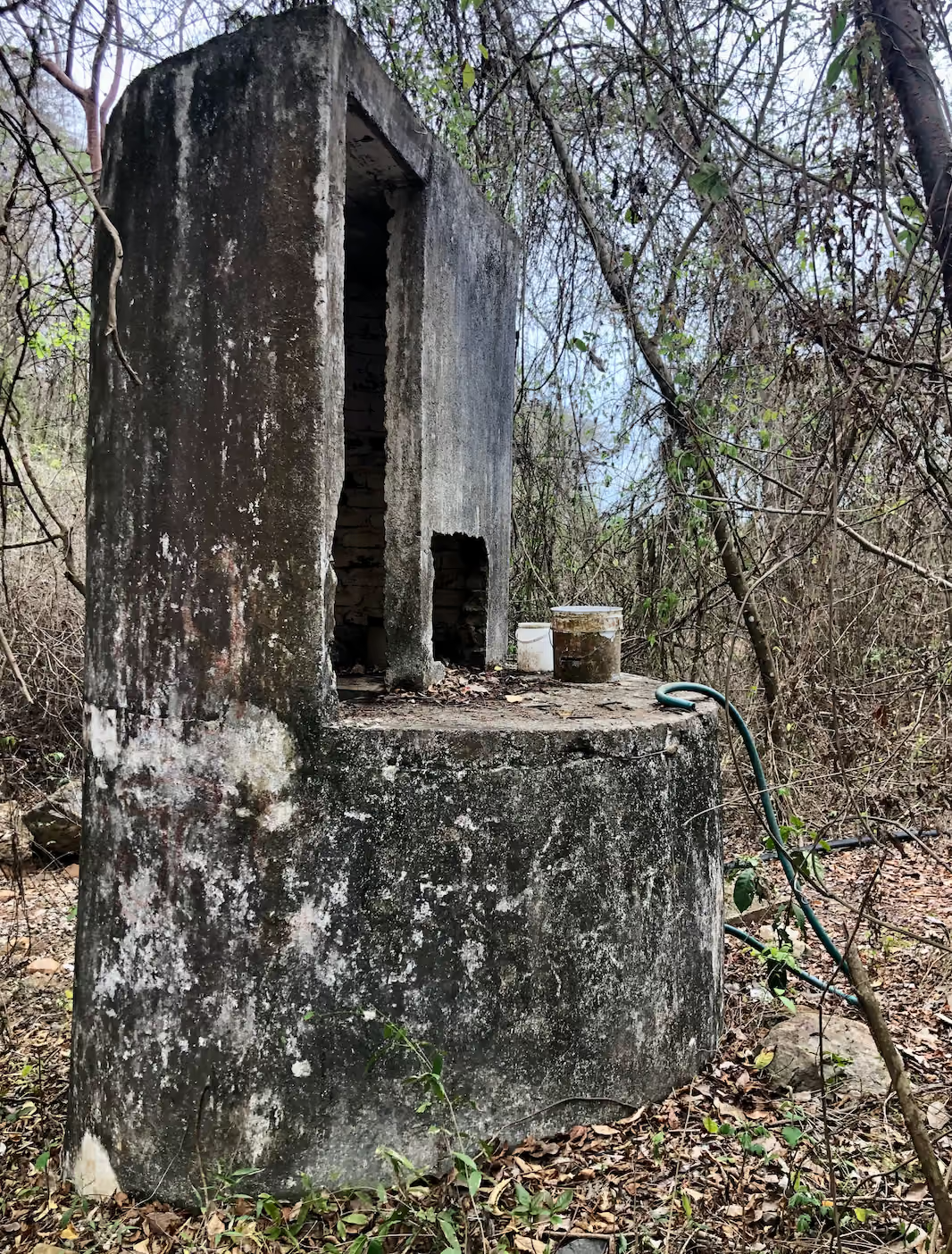

LOT: Nowadays, there doesn’t seem to be enough water. Was there enough water then?
Ángel: Yes. On the other side of the avenue is the stream where we found water to drink. It’s dry there right now, although sometimes it still runs. Back then, it was a rare afternoon that it didn’t rain at least a little, for about a half hour or so, even if it wasn’t the rainy season. That little bit of rain would get things wet and everything would stay damp, until the next day when the sun came out again. The big trees and their shade helped hold the dampness. After the big trees were cut and cleared, the soil dried out and the stream stopped running.
LOT: How old were you when the people from Infernillo arrived?
Ángel: I don’t remember exactly, but I was already grown up, like 13 or 14 years old. I do remember that at 17 I went to look for work in Ixtapa and I found a job in a company there. By then, the invaders were already here.
LOT: The invaders. The people from Infernillo? They refer to the people who were here as the Spaniards. Why is that?
Ángel: Well, mostly because of my dad. They called my dad “The Spaniard” in Lagunillas. Not many who lived there called him by his last name. And so, when my dad died, they started calling us “The Spaniards” more often here, my brothers and me. Now, everyone says “The Spaniards”. But that name came from Lagunillas.
LOT: Did your dad work for the doctor?
Ángel: No. He worked for the Spaniard who bought from the doctor. My father worked for him, but that Spaniard got kicked out, too. That Spaniard owned along the beach, but with the invasion—when the governor and a president of the Republic gave away the land here to the people from Infiernillo—they took everything away. They took the Spaniard’s house and they even wanted to take our house from us. We had to sell the beach house we had at that time because they charged us $60,000 pesos and we didn’t have it. We sold the property to pay them. We did well when we sold the house. The house was worth more than what they were asking us for, and we only gave them a part. We kept the other part. My dad was no longer around. He was no longer living.
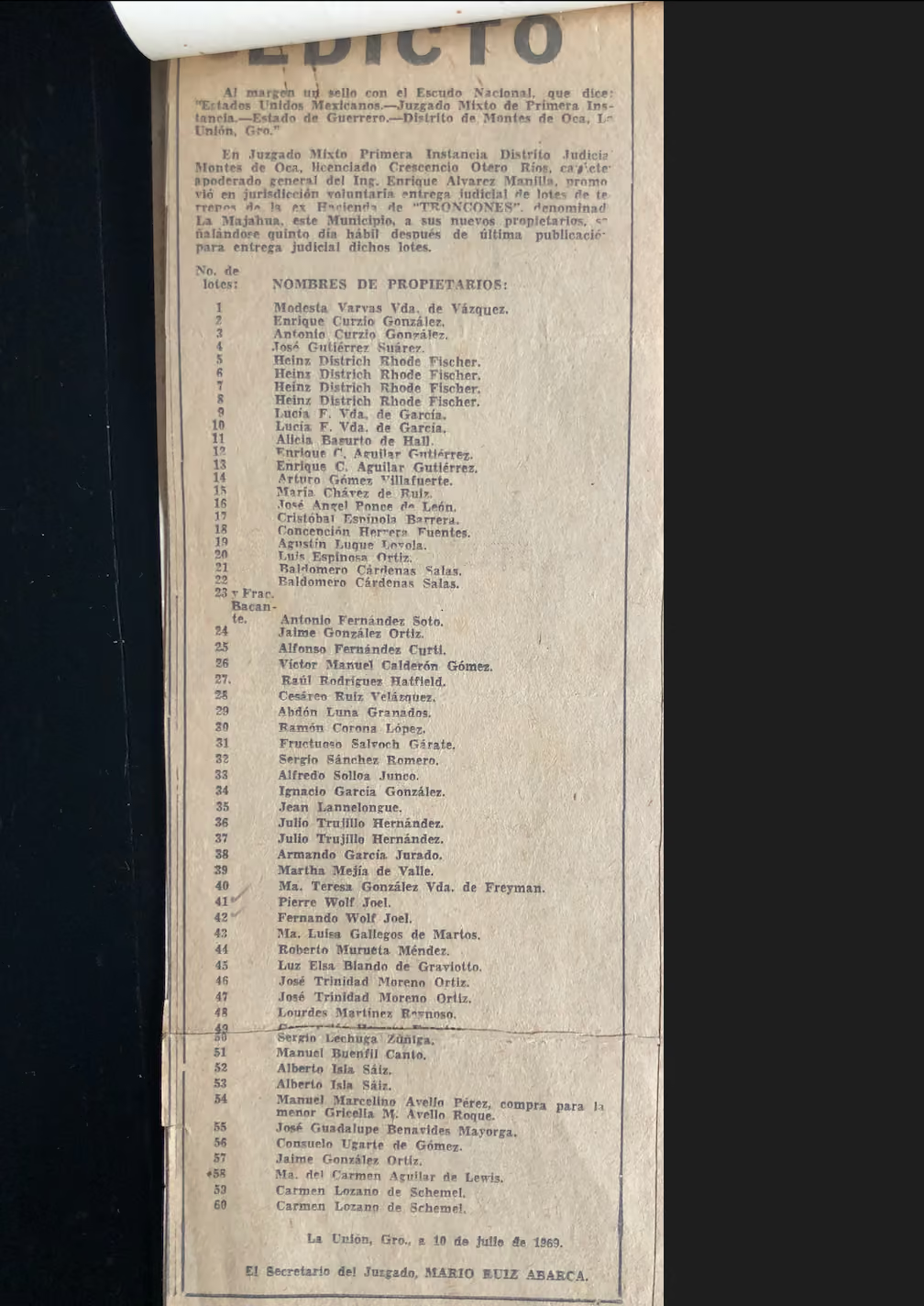
LOT: The invaders. The invasion.
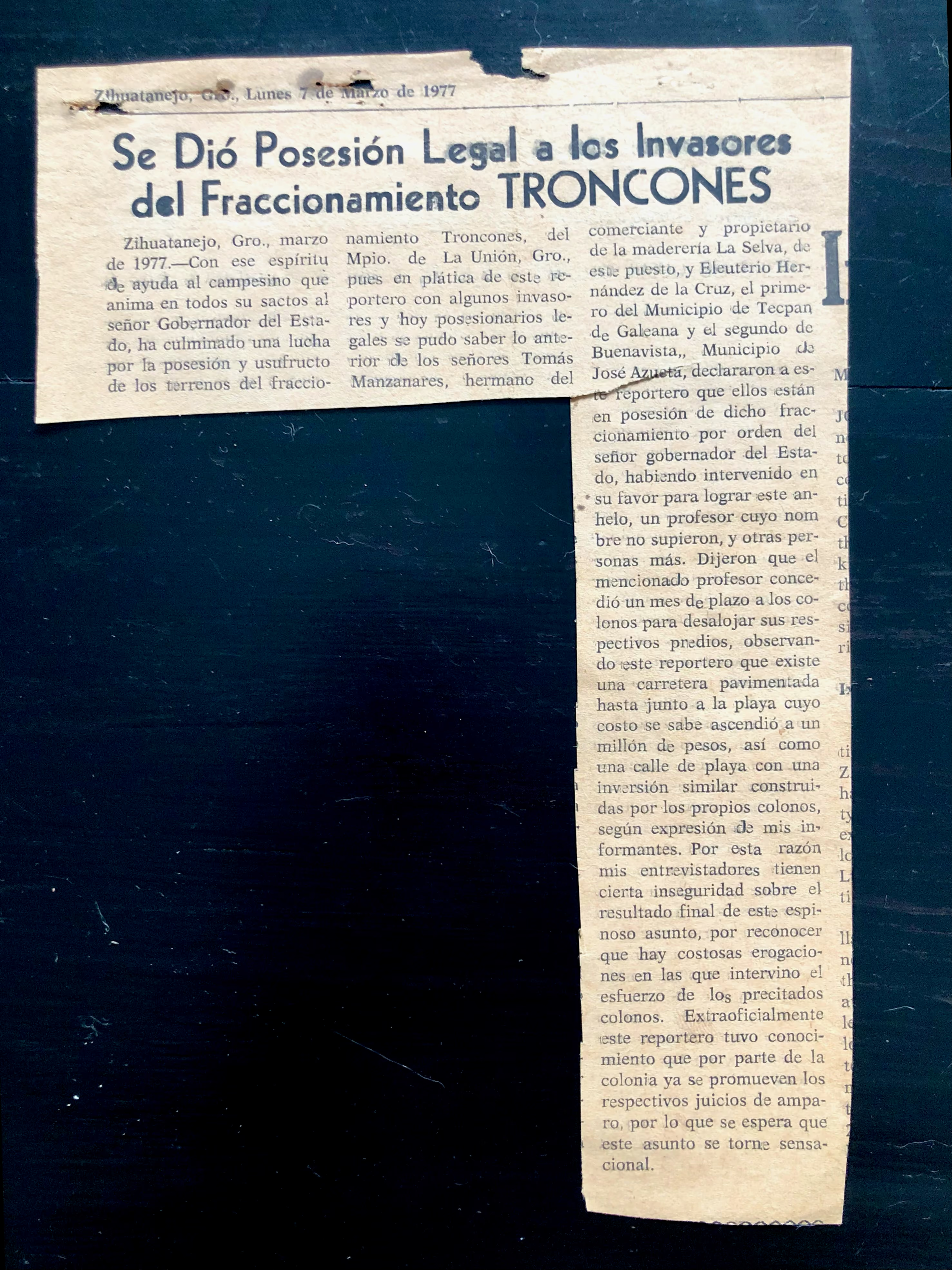
Ángel: Yes, because they arrived suddenly. And it was not true that this area was abandoned. That was a lie told to the President of the Republic and to the governor of Guerrero. There were people here. And, in the end, the invaders didn’t work the land like they said they would. When they arrived, they did dedicate themselves to planting corn, sesame and many other things, but later on, they started selling lots. They didn’t work the land—they sold it and put the money in their pockets. They arrived overnight. They just appeared. They arrived where Las Brisas Restaurant was [now Las Rocas] and put up a Mexican flag. Someone took it down and the police came. The next time the invaders came back, they brought their women and children. They knew the government wouldn’t force them out. No government wants to take fathers away in front of their children.
The invaders had the support of the governor of Guerrero and the president of the Mexican Republic. That was how they were given the lands, and then they started distributing the lands. I fought the ejido for the piece of land where they hold the fair. That was my dad’s. There were a lot of tamarind trees there. It was taken from my dad to be the lot for the elementary school and I remember the teachers would take the kids to harvest the crops and sell them. Now, they don’t harvest anything. The tamarind just falls. It drops on its own. There was a time when people would fight over the tamarinds—saying, “That is my tree”. And now? Nobody pays attention to the tamarind trees and they don’t grow the same anymore.
LOT: What was it like between the people who were here and the people who came?
Ángel: When they arrived, there were problems. They had people on guard, and there was a man who had lived here for a while who was known as El Commandante, the commander. One day, El Commandante and one of the guards ran into each other. Both were a bit drunk and both had guns. They started shooting at each other. Neither wanted to back down to the other. El Commandante was killed, right here, in the town.
LOT: And afterwards, no more problems?
Ángel: No more problems because you’re not going to fight against the president of the Republic and against the governor of the State of Guerrero. They had a lot of support. Do you understand me? They had the support of the highest authorities that existed at that time. They were the ones who were in charge. They would say this is going to be done like this, and that’s it.
LOT: Why did you stay here?
Ángel: Because I had work. I would go to Ixtapa for work. A truck would arrive here that took us to Ixtapa and brought us back. Almost the whole town went to work there at that time. Why? Because, after maybe three or four years, the people didn’t plant crops so much anymore and they couldn’t live off the sea—when the sea gets angry, you can't catch anything. Some people would just work in Ixtapa for a season, but I kept going and kept going and kept going. Until I started working in Lázaro Cárdenas.
LOT: What kind of work did you do?
Ángel: In Ixtapa, I worked as a plumber’s assistant first and then as a bricklayer. But I didn’t like it. In Lázaro, I worked in a pizzeria, I prepared the pizza.
LOT: And what do you do now?
Ángel: We made that [pointing at an upstairs palapa]. Not by myself, but with other people. I do that kind of work, but mostly I’m a helper. For carpentry. For plumbing. For masonry. I can be a helper for anything.
LOT: Did you work in Troncones when you were younger?
Ángel: We lived on the beach for a while and there was no one selling sodas, so my dad got a gas-powered refrigerator and he started selling sodas. That gave us jobs—for me, and for my brothers and sisters. A person would say, “Hey, give me five sodas.” They were glass bottles but my dad wouldn’t charge a deposit. He would say. “Leave them on the beach. I’ll send my kids for them later.” But that wasn’t very often, only when a lot of people came to the beach, like for Semana Santa [Holy Week, leading up to Easter Sunday]. That’s when he sold the most soda, because there was nowhere else to have a cold soda. The store was called Tropic of Cancer. It was near where the fruit store is now, across the street, right there on the beach.
LOT: What does Troncones mean to you?
Ángel: I’ve lived practically all my life here. For me, it’s nice when I hear people speak well of Troncones, especially when I’m somewhere else. That happened the other day in Zihuatanejo. I heard some people talking about Troncones, speaking well of Troncones. I was just standing there and happened to overhear. I didn’t tell them I’m from Troncones. I just stayed quiet. I didn’t care about their conversation, but I heard good things, nothing bad, so I walked away. They were speaking well of Troncones—how life is good here. And it is. When I go out, like to Mexico City or to Guadalajara, I want to return here. I don’t know what comes over me, but I want to return here. I am happier here.
LOT: What does Troncones need more than anything?
Ángel: There’s no park in Troncones. There’s never been a park. No place for children to play or families to gather. No town square. There was going to be a park, right behind the church. An American woman wanted to make that, but she died and I don’t know what happened. It was never done. It would be good to have one at La Parota, at the big tree on the avenue, next to where they sell seafood. I think some Americans have bought that lot. They didn’t want to see that tree cut down. It’s a good tree—very, very old, very big. La Parota would be a good place for a park.
More Troncones history, conversations with